




Silver Plate Drinks Tray
A silver plate drinks tray brings functional elegance to any gathering, uniting polished metal with period craftsmanship from the Victorian era to the mid-twentieth century.
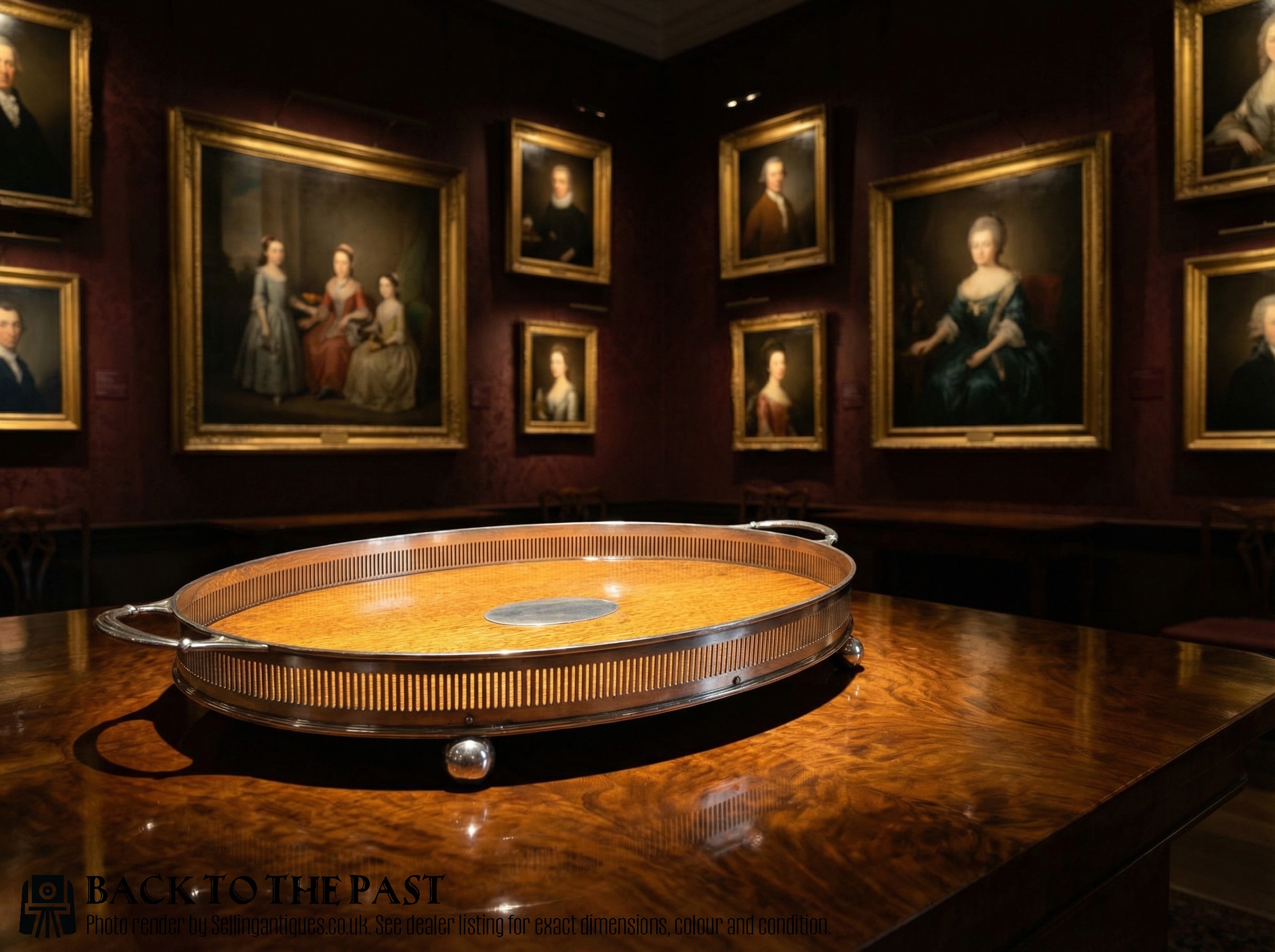
Silver Plate Drinks Tray
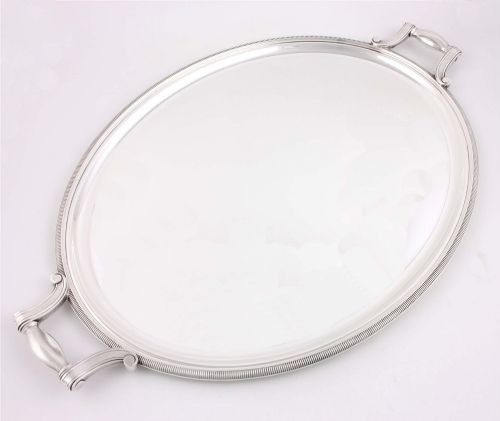
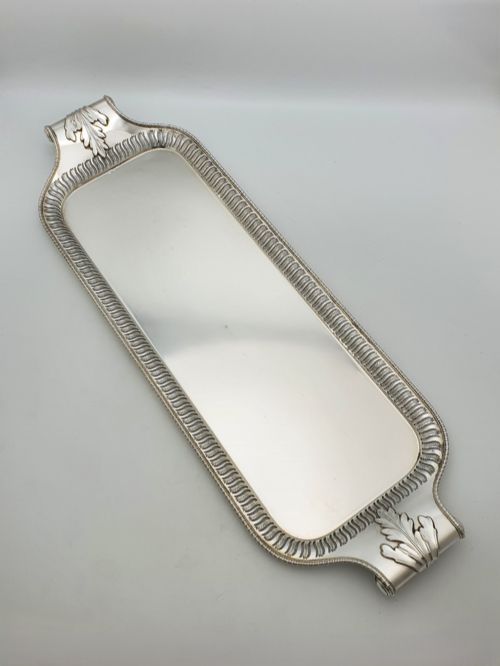
A silver plate drinks tray serves as a sturdy and decorative surface for glassware, decanters, and cocktail shakers during hosting. These pieces span from the nineteenth century into the mid-twentieth century, encompassing Victorian, Edwardian, Art Deco, and mid-century design movements.
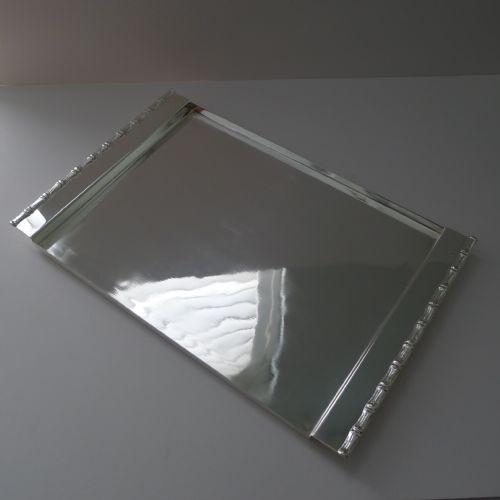
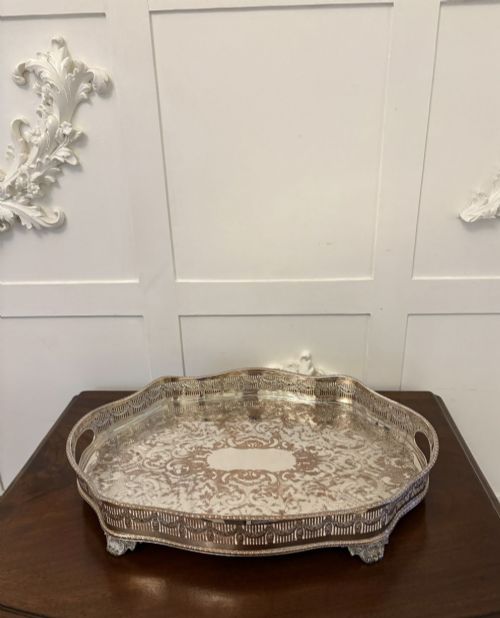
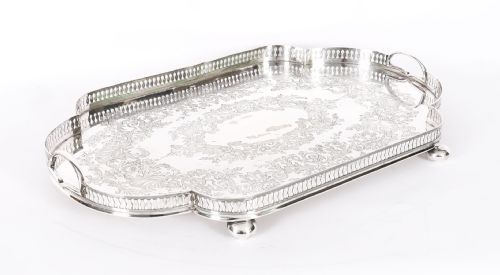
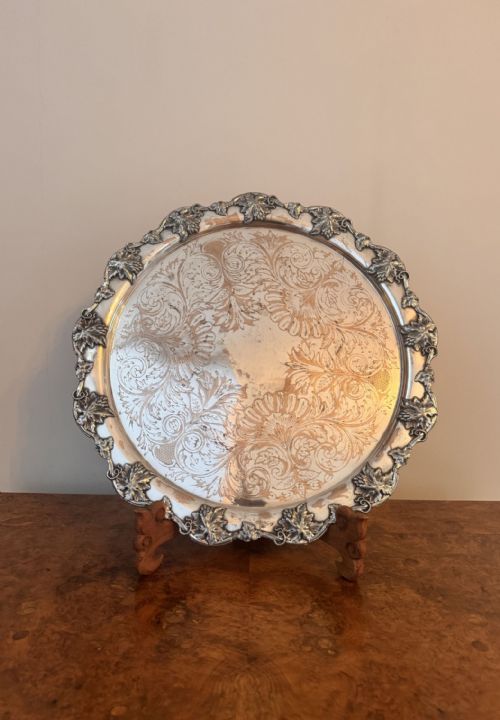
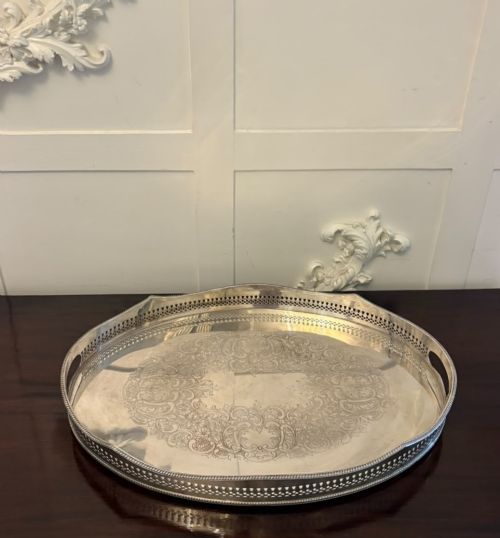
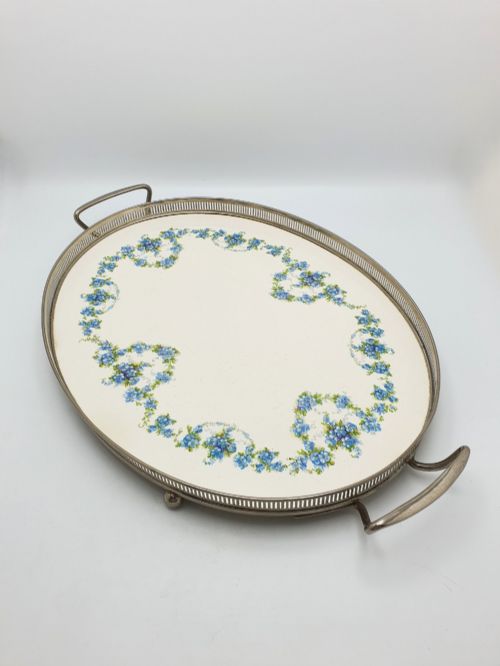
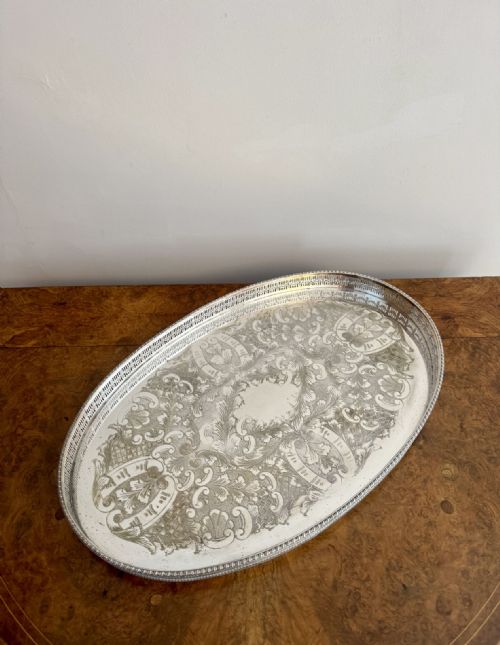
Edwardian and Victorian examples on this page often feature heavy silver plating on copper, intricate floral engraving, and raised gallery borders. Art Deco variations lean towards geometric shapes, streamlined handles, and simpler borders suited to cocktail service.
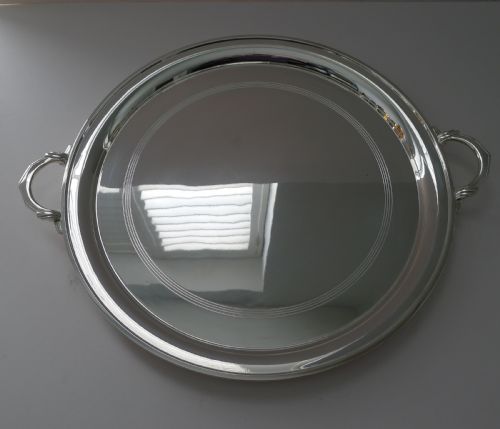
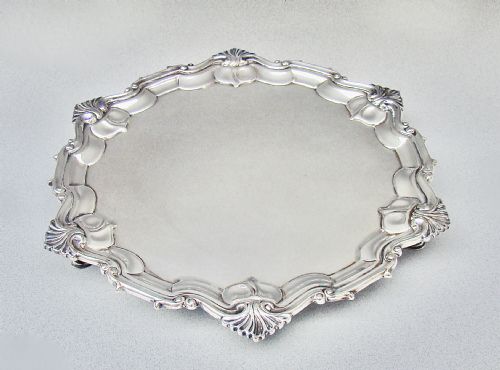
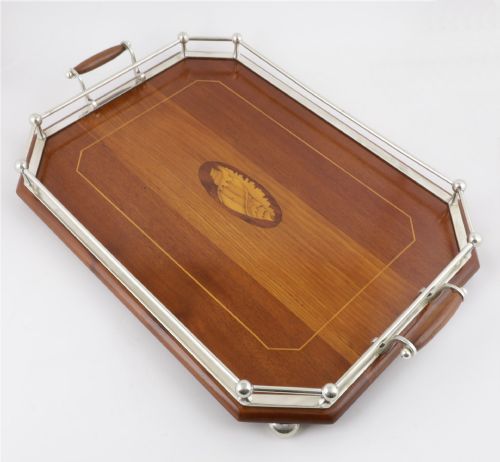
Makers and retailers such as Mappin & Webb, Elkington, and William Hutton appear frequently across the inventory. Buyers encounter everything from round salvers and octagonal platters to large wooden-based butler trays fitted with silver-plated mounts.
Materials and manufacturing methods
The underlying structure of these items typically consists of base metal, copper, or nickel silver, sometimes combined with mahogany, oak, or ebonised wood. Manufacturers applied a layer of silver to these substrates using early electroplating techniques or traditional Sheffield plating methods.
Borders and galleries were cast or pierced separately before being soldered or riveted to the main tray body. Handles and feet were similarly applied by hand, utilising durable joints to support the weight of heavy glassware.
Listings feature silver plate drinks trays spanning the Victorian, Edwardian, Art Deco, and mid-century modern periods.
Factors determining quality
The weight and gauge of the underlying metal dictate the structural rigidity of the tray, separating substantial pieces from lighter alternatives. Heavier base metals and thicker silver deposits resist warping and wear over decades of use.
Artisanal detail distinguishes finer examples, visible in crisp hand-engraving, precise piercing on gallery rails, and secure joints on handles. Maker marks from established silversmiths further indicate higher workshop standards.
Mappin & Webb·Elkington & Co·William Hutton & Sons·James Deakin·Christofle·John Grinsell·Saglier Freres·Goldsmiths & Silversmiths Co
The Silver Plate Drinks Tray Glossary
- Gallery tray
- A serving tray featuring a raised pierced or solid metal border designed to prevent items from sliding off.
- EPNS
- Electroplated nickel silver, a common base material used underneath a thin coating of pure silver.
- Salver
- A flat serving tray, traditionally round and supported on small feet, often utilised for presenting drinks or calling cards.
- Sheffield plate
- An early technique of fusing a sheet of silver to a thicker copper ingot before rolling them together into sheets.
- Pierced border
- An openwork decorative pattern cut through the rim of a tray, frequently seen on Edwardian serving pieces.
Silver Plate Drinks Tray: Frequently Asked Questions
How do I clean a silver plate drinks tray?
Use a soft cloth and a specialised silver polish designed for plated items to remove tarnish gently. Avoid abrasive pads or harsh chemical dips that can wear away the thin silver layer over time.
After polishing, rinse the tray thoroughly with warm water and dry it immediately with a lint-free cloth to prevent water spots.
Can I use these trays for daily serving?
These items were built for entertaining and handle regular use well when treated with basic care. Placing coasters under wet glasses helps protect the polished surface from moisture rings.
Storing the tray in a dry environment reduces the speed at which tarnish develops between uses.
What is the difference between a salver and a tray?
A salver typically describes a smaller, round serving vessel raised on small feet, often associated with formal presentation. Trays encompass a broader range of shapes, including large oval, rectangular, and octagonal formats equipped with handles.
Both serve similar hosting functions, though salvers lean toward formal display while trays prioritize transport capacity.
How can I date my silver plate tray?
Maker marks, registry numbers, and style indicators help narrow down the production period of a piece. Victorian and Edwardian examples often display specific crown or maker stamps associated with nineteenth and early twentieth-century silversmiths.
Design cues like geometric Art Deco motifs or elaborate floral Victorian engraving offer further chronological context.