





Silver Mounted Glass Jar
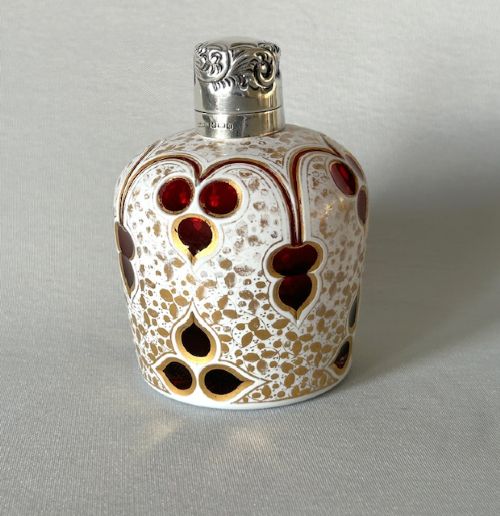
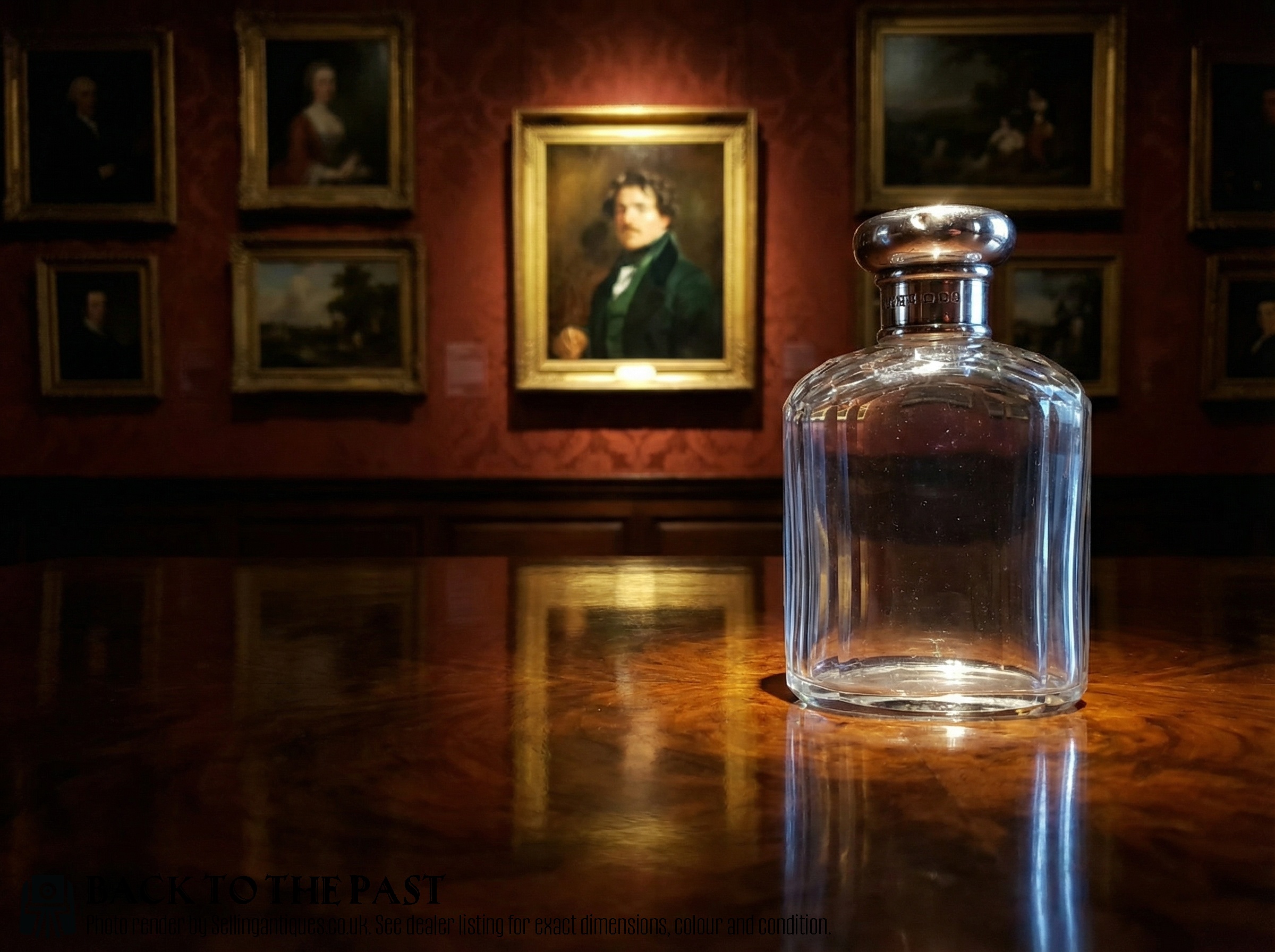
When you handle a silver mounted glass jar, you hold a functional vessel where precious metal meets brilliant cut crystal or coloured glass.
Silver Mounted Glass Jar
A silver mounted glass jar spans a variety of domestic forms designed for the dressing table, desk, and dining room.
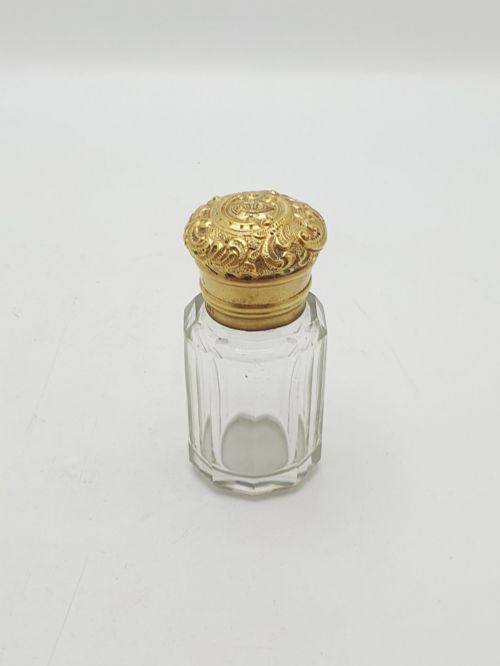
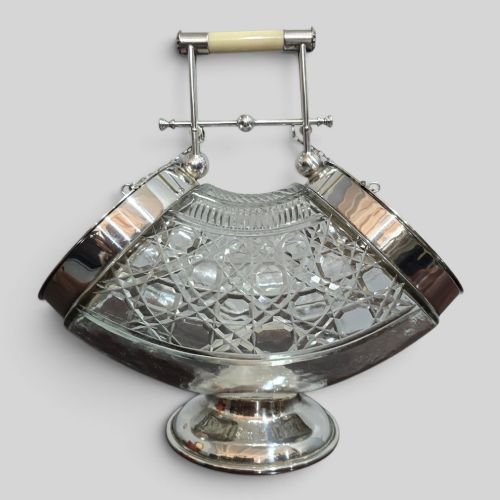
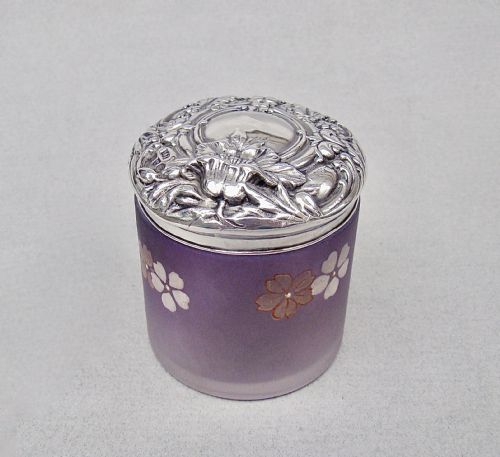
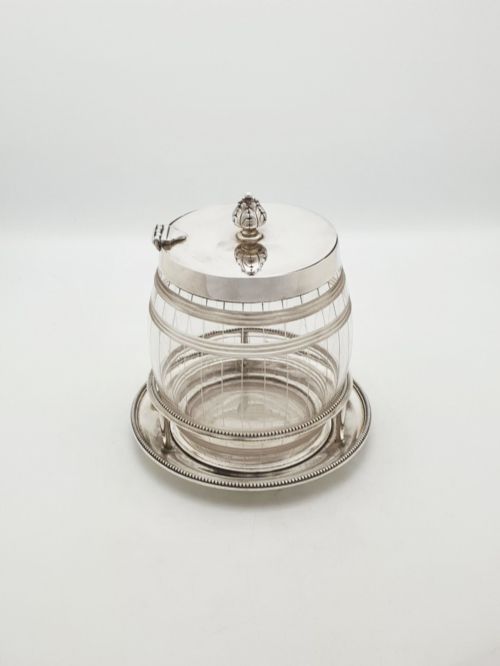
The selection here encompasses scent and perfume bottles, vanity jars, biscuit barrels, preserve pots, and trinket boxes.
Originating predominantly from the Victorian, Edwardian, and Art Deco periods, these vessels combine utilitarian function with decorative craftsmanship.
How they were made
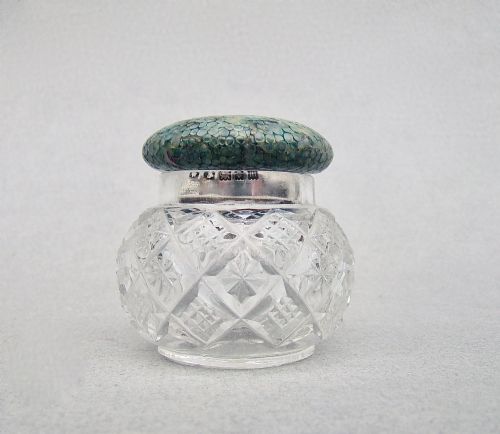
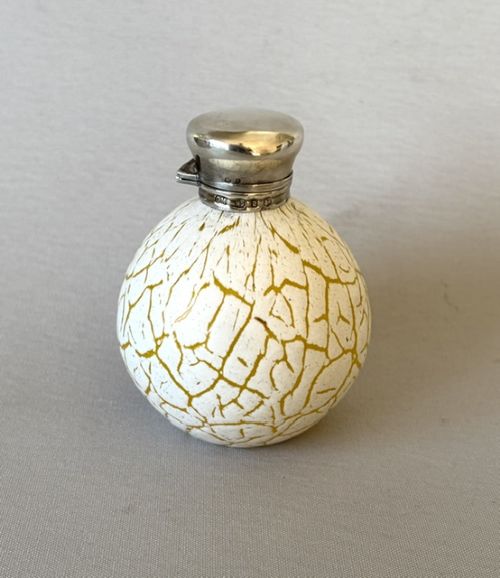
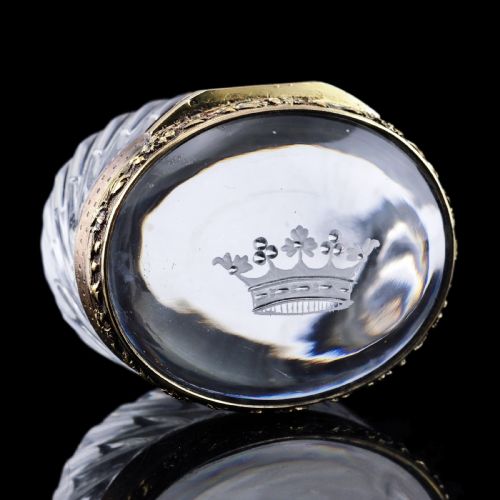
Makers utilised heavy cut glass, cut crystal, and coloured glass bodies, sometimes incorporating flash overlays in cranberry, ruby, or amethyst hues.
The mounts, collars, and lids were fashioned from sterling silver, silver plate, or silver gilt, frequently bearing hallmarks from assay offices in Birmingham, Sheffield, and London.
Selected examples integrate organic materials such as tortoiseshell beneath pierced silverwork, or employ guilloche enamel for added surface decoration.
Silver Mounted Glass Jar Retail Price Guide 2026
Typical asking prices for silver mounted glass jar among the pieces listed under this phrase on Sellingantiques today, from the lower quarter to the upper quarter. They describe what is for sale here now, not the wider market.
Some gentleman's cologne bottles required a tiny lock and key to prevent servants from sampling the contents.
What varies in quality
Quality rests upon the depth and precision of the glass cutting, the weight of the metal mount, and the harmonious proportion between the two materials.
Pieces by notable makers or those featuring specialised glass types like Loetz iridescence or Bohemian flash glass elevate the standard of the piece.
The integrity of the hinge, the crispness of the hallmark stamps, and the retention of original matching elements distinguish finer examples from standard production.
Mappin and Webb·Henry Matthews·John Douglas·Thomas Ingleton·A and J Zimmerman·Synyer and Beddoes·Elkington·Posen·Barnsley and Co·Adie Brothers Ltd·Walker and Hall
The Silver Mounted Glass Jar Glossary
- Sterling Silver
- A silver alloy containing 92.5 percent pure silver by mass, standard for quality British metalwork and hallmarked accordingly.
- Hobnail Cut
- A distinctive raised geometric pattern cut into the surface of crystal or glass, creating tactile facets that catch the light.
- Guilloche Enamel
- A decorative technique where an intricate geometric pattern is engine-turned beneath a translucent layer of coloured enamel.
- Biscuit Barrel
- A covered ceramic or glass container designed for storing biscuits on the dining table, often fitted with a swinging metal handle.
- Assay Office
- A designated body that tests the purity of precious metals and stamps items with official hallmarking symbols.
Silver Mounted Glass Jar: Frequently Asked Questions
What were glass jars with silver mounts used for originally?
These vessels served various domestic and personal functions, ranging from holding perfumes and cosmetics on a dressing table to storing preserves or biscuits in the dining room. Gentlemen and ladies utilised them daily within travelling cases or displayed them prominently in domestic interiors.
Their robust construction in cut glass or crystal protected delicate contents while the silver lids provided an airtight or secure closure. Over time, their roles shifted from purely utilitarian containers to decorative objects prized for their craftsmanship.
How do I identify the date of a silver mounted jar?
Dating relies primarily upon the hallmarks stamped into the silver mounts, which indicate the assay office, the maker's mark, and a specific date letter corresponding to the year of testing. Stylistic indicators, such as Art Deco geometric lines or Edwardian floral motifs, provide further chronological context.
Examining the manufacturing techniques of the glass body, including the style of the cutting and the thickness of the metal collar, helps confirm the era of production. Consulting recorded maker marks allows for precise attribution to workshops active in Birmingham, London, or Sheffield.
How should I clean the silver and glass?
Maintenance requires separating the care of the glass body from the metallic mount to avoid damaging either material. Using a soft cloth and mild soapy water preserves the clarity of the cut glass without abrading the surface.
Silver mounts benefit from gentle polishing with a specialised cloth while taking care to avoid contact with the glass or any underlying tortoiseshell and enamel panels. Regular, gentle upkeep prevents tarnish accumulation without wearing away the underlying silver layer or hallmarks.
Can I use these antique jars for daily storage?
Many of these lidded vessels remain fully functional for holding small items, trinkets, or dry goods on a contemporary surface. Their sturdy glass construction and secure silver lids make them practical for everyday use in modern settings.
Care should be taken with pieces featuring fragile elements like guilloche enamel, tortoiseshell, or delicate hinges. Preserving these historic items involves avoiding exposure to excessive moisture or harsh chemicals that could degrade the organic components.