


Silver Head Stick
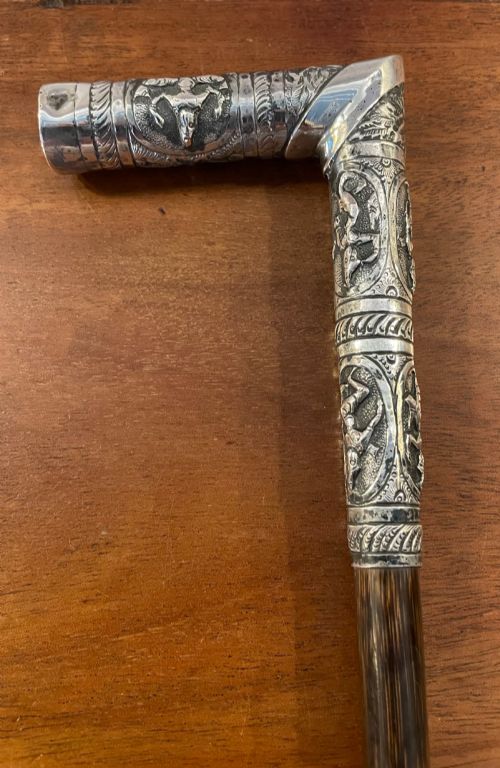
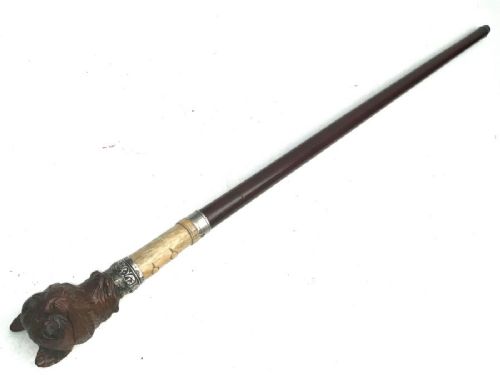
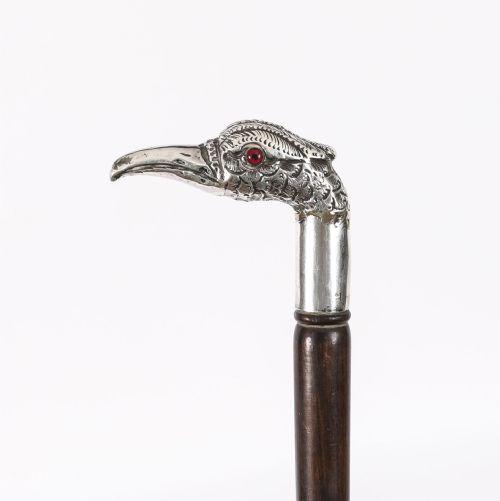
A silver head stick combines a finely detailed metal handle with a sturdy wooden shaft, offering both practical support and distinct character.
Silver Head Stick
A silver head stick is a traditional walking aid or umbrella accessory featuring a decorative metal grip mounted on a long shaft. Buyers seeking these pieces encounter various styles, including animal forms and plain tops from the nineteenth and early twentieth centuries.
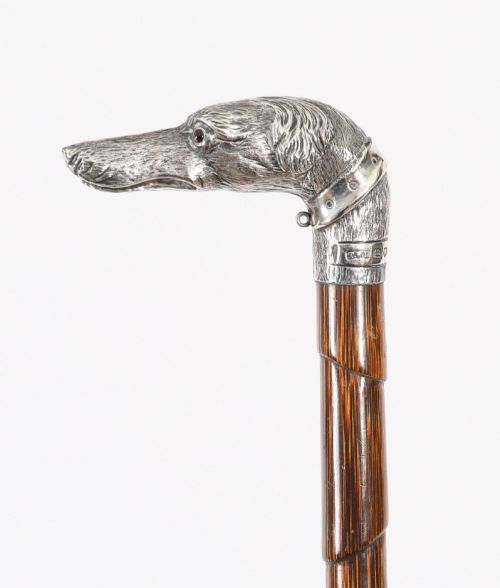
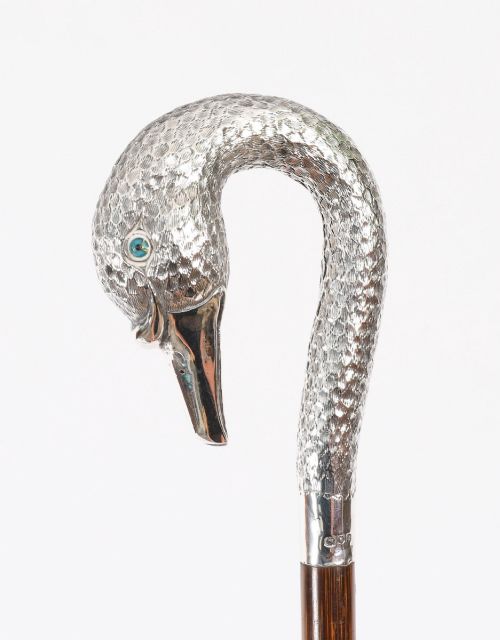
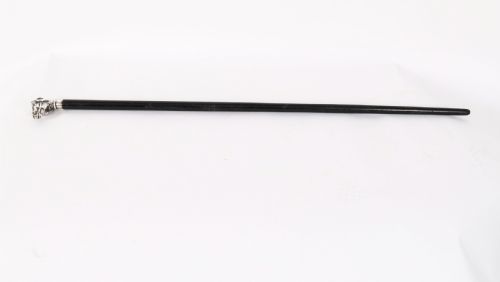
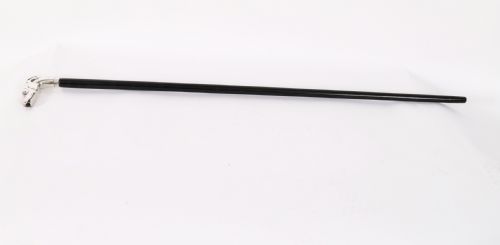
The pieces on this page span the Victorian and Edwardian eras, alongside Art Deco designs and continental examples. Animal heads such as ducks, greyhounds, horses and swans appear frequently as handles.
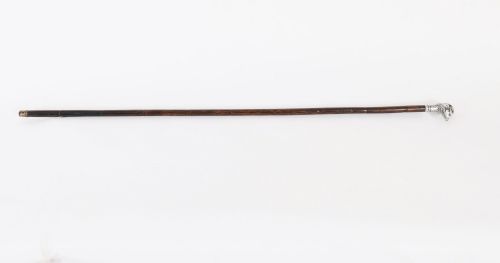
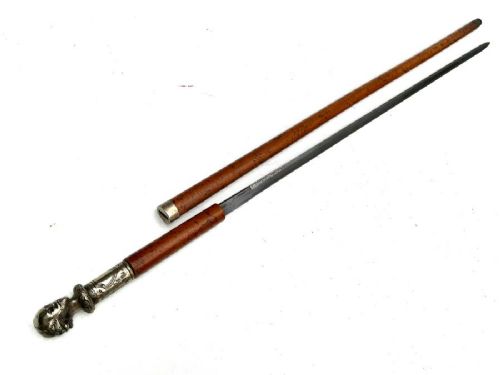
Most items function as walking sticks or canes, while others serve as parasol handles. Shafts typically utilise hardwood, ebonised wood or bamboo, sometimes concealing a blade within a sword stick construction.
Materials and construction
Handles are formed from silver or silver plate, often shaped into animal heads or classical motifs through casting and chasing. Hallmarks on sterling silver pieces provide clues to their origin and date of manufacture.
Shafts rely on durable materials like hardwood, steel for sword sticks, and glass or metal components in related designs. The metal top joins the wooden body using internal adhesives or pins to secure the weight of the handle.
Listings feature sterling silver and silver-plated handles paired with hardwood, ebonised wood and bamboo shafts across Victorian and Edwardian periods.
Evaluating craftsmanship
The choice of shaft material and the presence of legible hallmarks or maker marks influence the standing of a piece. Original length and straightness of the wooden body also affect the overall condition.
Asprey·Brigg·Ben Cox
The Silver Head Stick Glossary
- Hallmark
- Official stamps struck on precious metals to indicate purity, place of assay and year of making. These marks help verify the age and origin of silver handles.
- Ebonised wood
- Timber treated to resemble ebony with a dark, polished finish. This material provides a strong, uniform dark shaft for many walking canes.
- Sword stick
- A walking cane containing a concealed blade within the wooden shaft. These pieces often feature military or gentlemanly associations from the Victorian period.
- Parasol handle
- A decorative grip designed for a sunshade or umbrella rather than a walking aid. These items share the same metalworking techniques as cane handles.
Silver Head Stick: Frequently Asked Questions
What are silver head sticks made of?
The handles consist of solid sterling silver, continental silver grades or silver plate. Shafts are typically constructed from dense hardwoods, ebonised wood or bamboo.
Some examples also incorporate steel internal components for sword sticks. The materials reflect the standards of manufacture from the Victorian and Edwardian eras.
How do I date a silver head stick?
Dating relies primarily on silver hallmarks stamped onto the metal handle, which indicate the assay office and year of testing. Stylistic details like Art Deco geometry or Victorian naturalism also help assign a period.
Makers' marks provide further confirmation when recorded in historical registers. Comparing the form with dated examples in archives narrows the timeline.
Were these canes used for walking?
Many served as everyday walking aids for gentlemen and ladies, while others functioned as fashion accessories or parasol handles. Some specific designs concealed hidden blades for personal protection.
Novelty animal heads and sporting themes like golf club shapes indicate they were also carried for leisure pursuits. Their dual role combined practical support with social display.
How should I display a cane at home?
Sticks look best stored upright in a traditional hallway stand or mounted horizontally on wall brackets designed for display. These methods keep the shaft straight and showcase the detailed silver handle.
Keeping them away from direct heat sources and damp environments protects the wood and metal. Proper placement preserves the condition of the antique materials.