
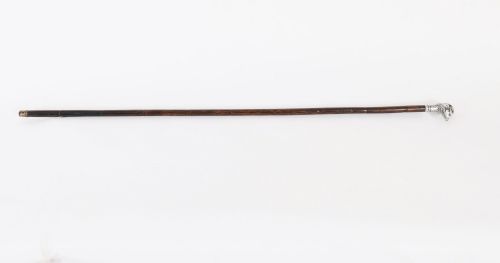
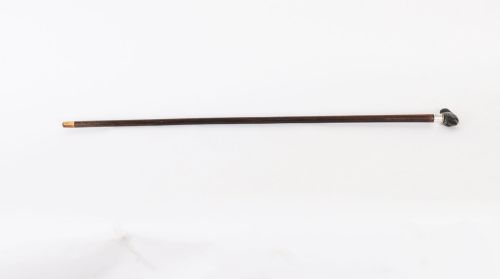
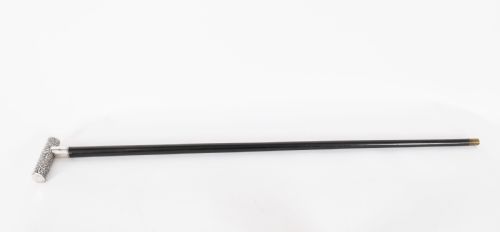
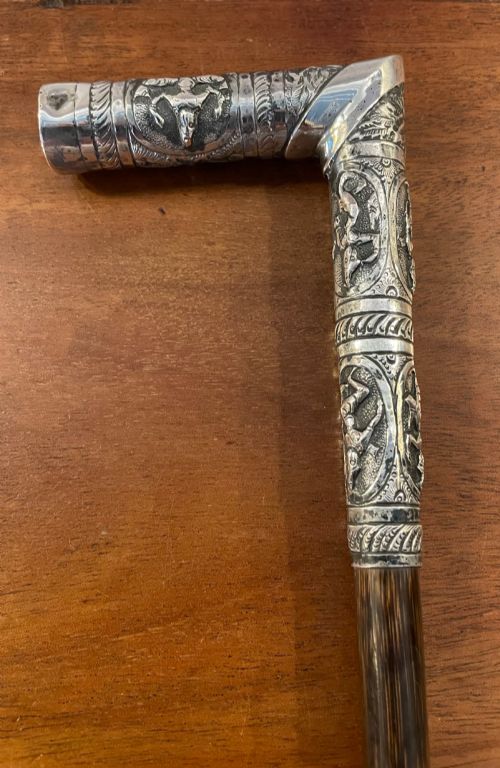

Silver Handle Walking Cane
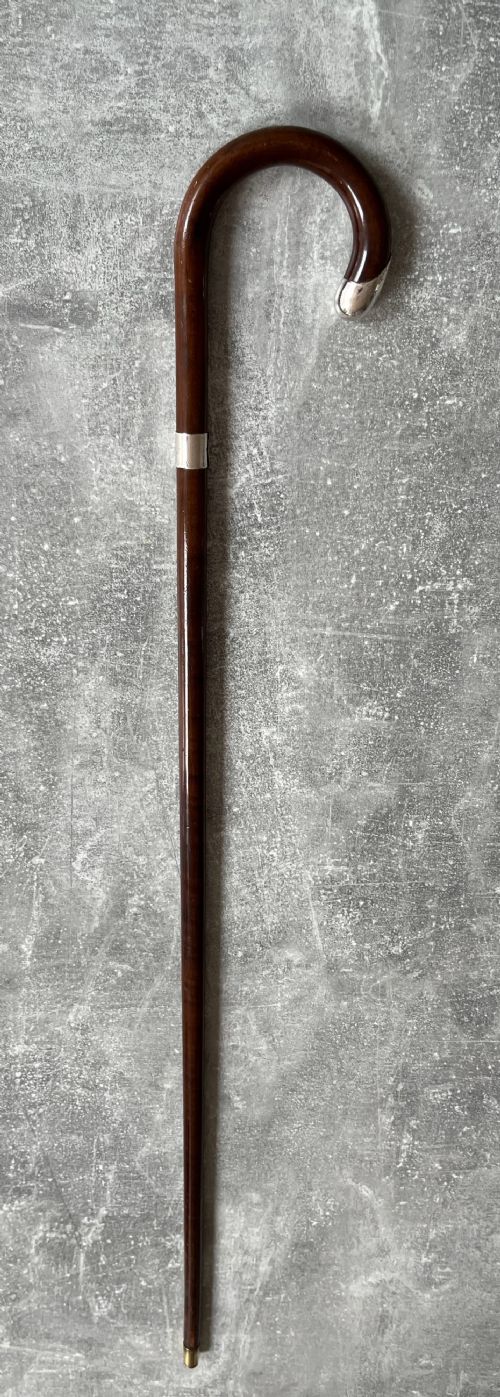
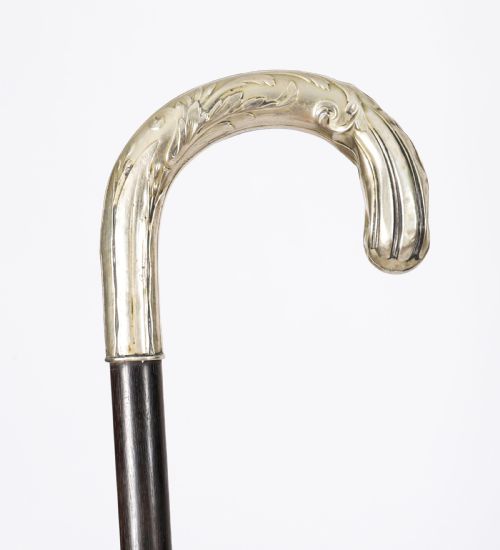
A silver handle walking cane brings together the functional support of a traditional stick and the sculptural detail of embossed metalwork.
Silver Handle Walking Cane
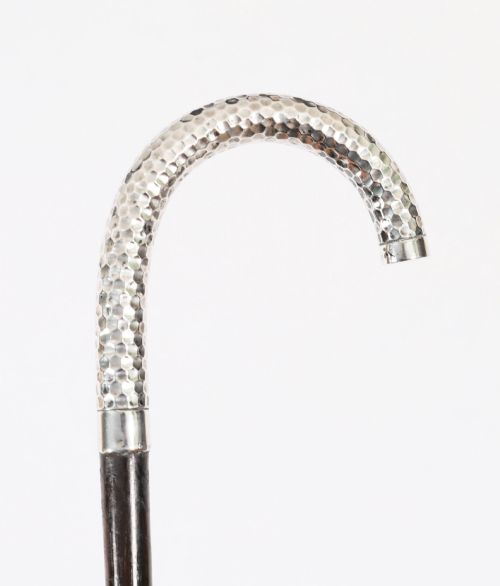
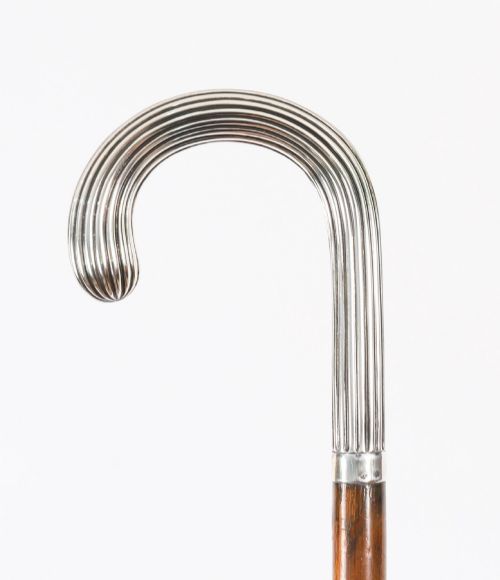
A silver handle walking cane combines a shaped metal grip with a sturdy wooden or bamboo shaft, originating from periods spanning the nineteenth and early twentieth centuries. Collectors encounter Victorian, Edwardian, and Art Deco examples featuring both plain silver collars and elaborate figural tops.
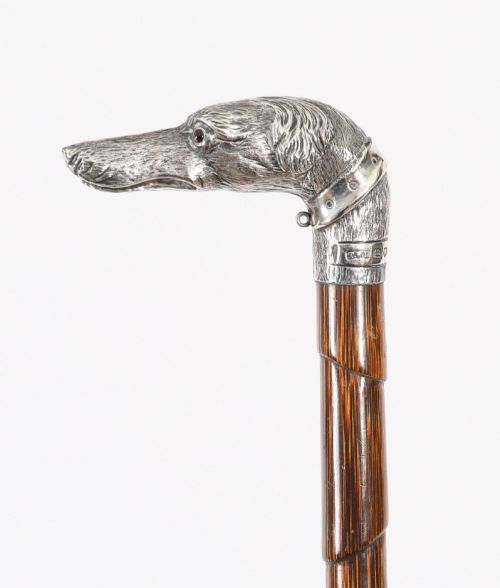
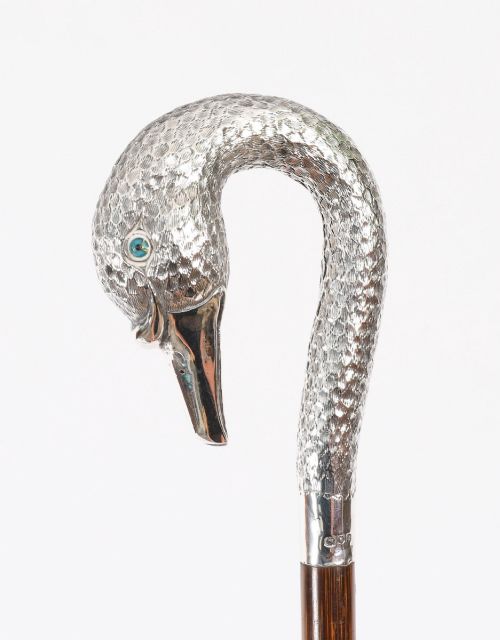
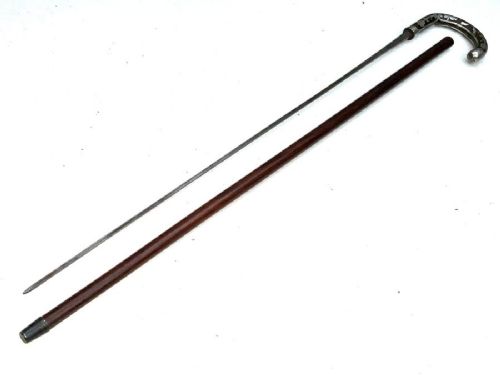
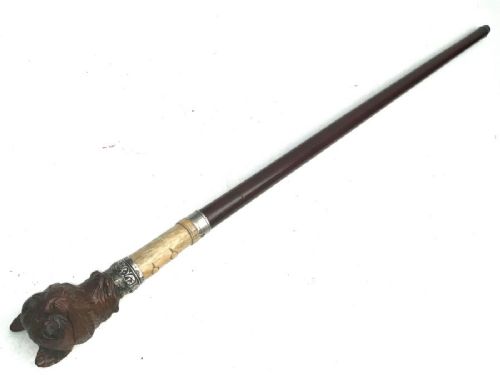
Makers produced these pieces as everyday accessories for gentlemen and ladies, as well as specialised items that conceal blades or functional compartments. Animal heads, including ducks, greyhounds, and swans, appear frequently alongside golf club shapes and floral motifs.
The assortment includes domestic English hallmarked pieces alongside Continental, French, and Asian export silver handles. Shaft woods vary from ebonised oak and fruitwood to exotic malacca and palm wood, often fitted with metal ferrules at the base.
How They Were Made
Shafts rely on dense timbers such as hardwood, rosewood, and snakewood, or natural materials like horn, bamboo, and root wood. Makers often steamed and bent the wood to form crook handles or turned straight shafts on a lathe before fitting them with silver collars and metal tips.
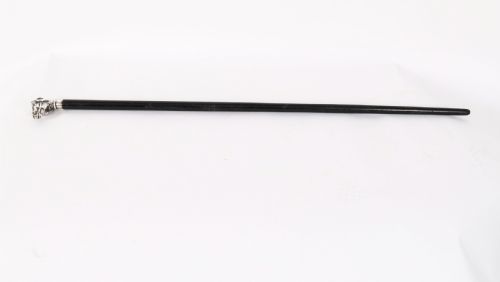
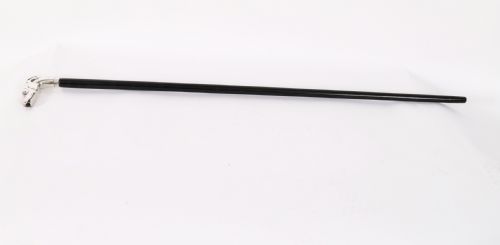
Listings feature silver handles shaped as ducks, greyhounds, and dragons, paired with shafts of bamboo, malacca, and ebonised wood.
What Varies in Quality
The distinction between standard production and superior craftsmanship rests in the weight and sculptural depth of the silver handle. Solid, heavy castings with sharp hand-chased details command greater interest than thin, pressed metal shells that easily dent.
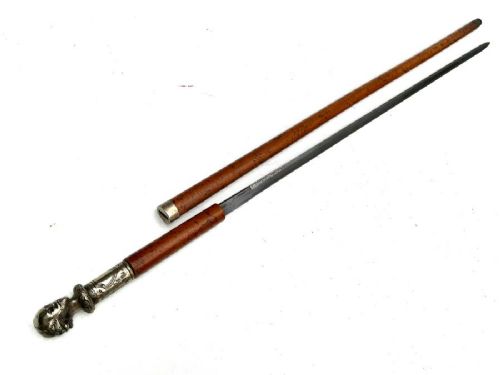
The choice of shaft material and internal engineering also determines the tier of the piece. High-grade examples utilise scarce timbers like malacca or incorporate well-fitted concealed mechanisms such as functional sword blades, hidden corkscrews, or snuff boxes.
Brigg·Henry Howell·Swaine Adeney Brigg·Ben Cox
The Silver Handle Walking Cane Glossary
- Hallmark
- Official marks stamped onto precious metals indicating the standard of purity, the assay office, and the year of manufacture. These stamps help historians date the handle precisely.
- Repousse
- A metalworking technique where the silversmith hammers and pushes the metal from the reverse side to form a raised design on the front. This creates textured animal heads and floral motifs.
- Malacca
- A slender, durable rattan cane imported from Southeast Asia, prized for its mottled brown skin and jointless stretches used in high-end walking sticks. Collectors value its resilience and distinctive appearance.
- Ferrule
- The protective metal cap fitted to the bottom of a walking stick shaft to prevent wear during daily use. Iron or brass tips terminate the ground end of the cane.
- Knop
- A rounded knob or ornamental swelling at the top of a handle or stick. These take the form of plain spheres, carved animals, or geometric shapes.
Silver Handle Walking Cane: Frequently Asked Questions
How do I date a silver handle?
Assay office stamps and date letters stamped directly into the silver provide the most reliable indication of age. Comparing the stylistic markers, such as Art Deco geometric lines or Victorian naturalism, helps narrow down pieces lacking clear hallmarks.
Unmarked Continental or export pieces require evaluation of the construction technique, metal purity marks like eight hundred silver, and the overall wear patterns on the shaft.
Were all canes used for walking?
Many sticks served as fashionable accessories for daily promenades rather than medical support, while others doubled as self-defence tools or novelty items. Specialised gadget canes incorporated hidden swords, flasks, corkscrews, or snuff boxes for discreet utility.
Parasol handles share similar silver work and materials but served to shade users from the sun rather than bear body weight during walking.
What woods were used for shafts?
Makers selected dense, straight-grained timbers such as ebonised oak, fruitwood, rosewood, and palm wood for their strength and ability to take a smooth finish. Exotic canes like malacca and bamboo provided lightweight flexibility.
Natural materials such as horn and root wood also formed sturdy shafts, often paired with silver collars where the handle joined the timber.
How should I store my cane?
Keep the cane upright in a dry environment away from direct sunlight and extreme temperature fluctuations to prevent the wood from warping and the silver from tarnishing too quickly. Resting the piece on its metal ferrule in a dedicated stand protects both the tip and the handle.
Avoid using harsh chemical polishes on antique silver handles to preserve the original patina and fine chased details.