

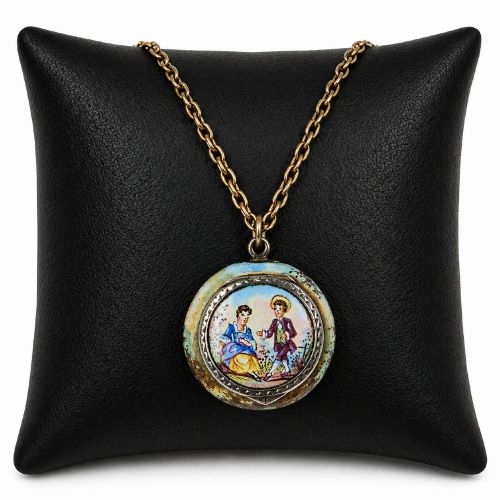


Silver Gold Pendant
A silver gold pendant brings together two metals to catch the light, offering the warmth of gold alongside the cool depth of silver.
Silver Gold Pendant
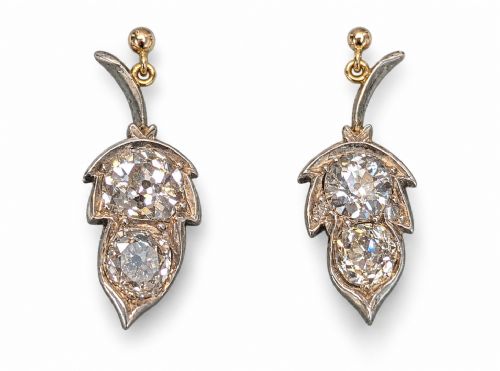
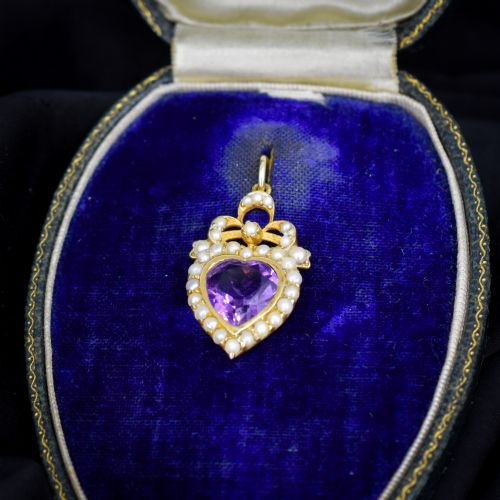
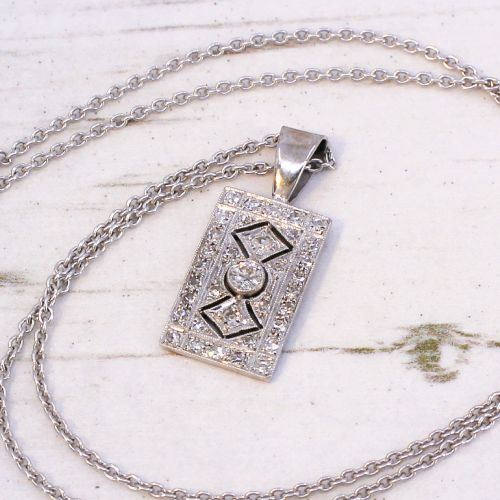
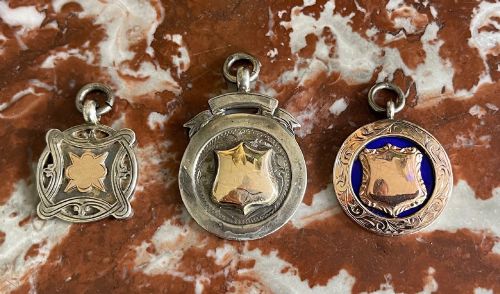
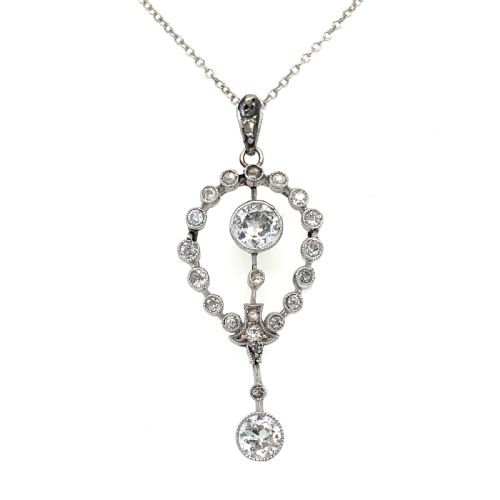
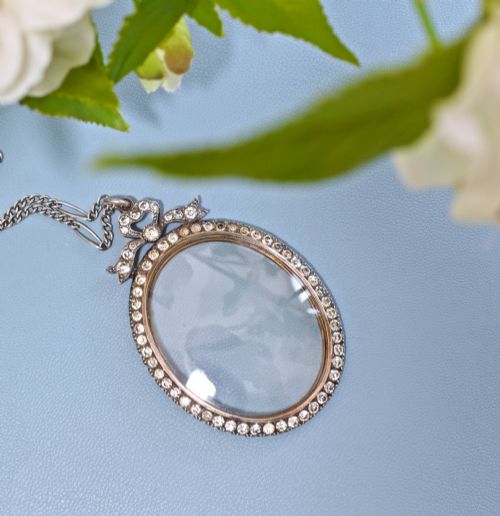
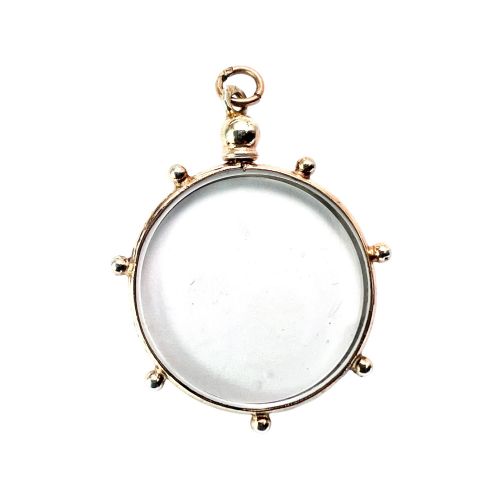
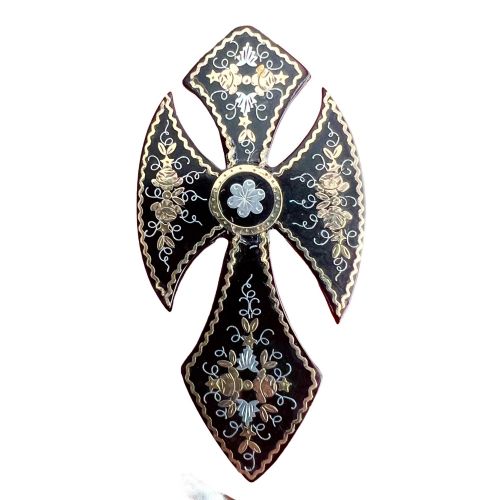
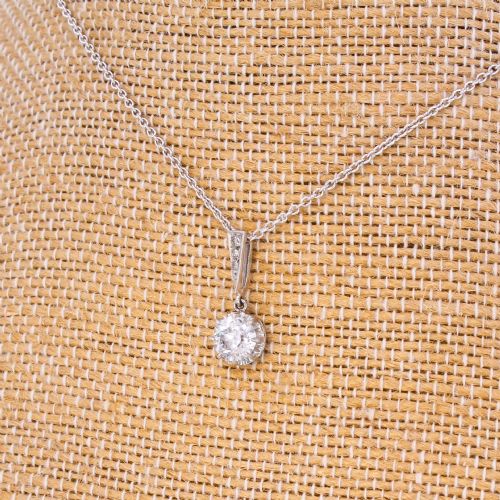
A silver gold pendant brings together dual-metal settings developed to showcase gemstones securely while maintaining a bright appearance on the front face. These items span Victorian, Edwardian, and Art Deco periods, appearing alongside related forms such as brooches, lockets, and earrings.
Buyers will encounter items originating from British workshops as well as continental centres, utilising materials like paste, opal, pearl, and diamond set into mixed metal mounts.
How they were made
Maker techniques relied on fusing silver fronts with gold backs or applying silver to gold bases, a method that prevented dark tarnishing marks from touching clothing while keeping the gem-facing side bright. Diamonds and paste stones were traditionally foil-backed or set into closed silver collets to maximise reflection under candlelight or gaslight.
Enamelling techniques such as plique-à-jour and guilloché added colour to silver gilt structures during the Art Nouveau and Arts and Crafts movements. Hand-cutting stones like old cut diamonds and rose cut pastes meant each mounting had to be custom-shaped to fit irregular gem outlines.
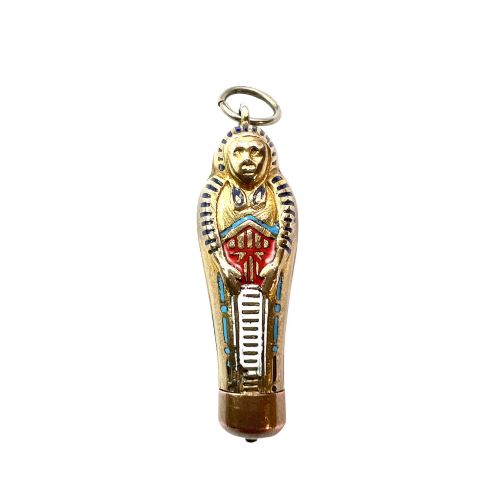
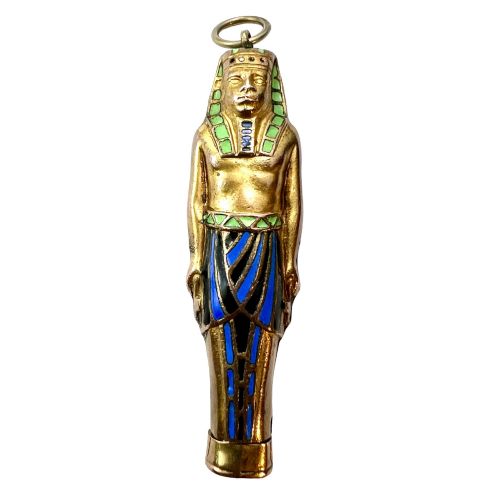
Some pendants double as mechanical propelling pencils shaped like tiny Egyptian sarcophagi.
What varies in quality
The standard of a dual-metal jewel depends on the integration of the metals and the precision of the stone setting. Finer pieces show seamless joining between the silver upper layer and the gold backing, whereas simpler work reveals visible seams or soldering under magnification.
Artisanal execution distinguishes mass-produced items from individual studio pieces, particularly in hand-carved mounts, precise gemstone symmetry, and the preservation of original enamelling without restoration.
Dorrie Nossiter·Marius Hammer·Omar Ramsden·Alwyn Carr·John Paul Cooper
The Silver Gold Pendant Glossary
- Silver Gilt
- Silver that has been coated with a thin layer of gold, often called vermeil. This technique provides the warm appearance of gold while retaining the working properties of silver.
- Old Cut Diamond
- A hand-faceted diamond shape popular before modern brilliant cutting standards emerged. These stones feature smaller tables, higher crowns, and open culets designed to catch candlelight.
- Paste
- Hand-cut glass or lead crystal used as a gemstone substitute in historic jewellery. High quality paste pieces exhibit careful foiling beneath the stones to enhance brilliance.
- Collet
- A band of metal that holds a gemstone in place by folding or rubbing the upper edge over the girdle of the stone. It represents a traditional setting style seen in early pieces.
- Propelling Pencil
- A mechanical pencil mechanism housed within a decorative pendant casing. These novelty items were often shaped as Egyptian sarcophagi or miniature charms during the early twentieth century.
Silver Gold Pendant: Frequently Asked Questions
What is a silver gold pendant?
A silver gold pendant is a piece of jewellery that combines a silver face with a gold back or structure. This dual-metal method was utilised historically to keep diamond settings bright and silver-toned while preventing tarnish against clothing.
Such items date largely from the nineteenth and early twentieth centuries, encompassing styles from Georgian paste clusters to Edwardian diamond drops and Arts and Crafts creations.
How do I wear a convertible brooch pendant?
Convertible pieces feature hidden or removable bails and pin mechanisms that allow the item to transition between a breast ornament and a neckpiece. You simply thread a chain through the integrated loop when wearing it as a pendant.
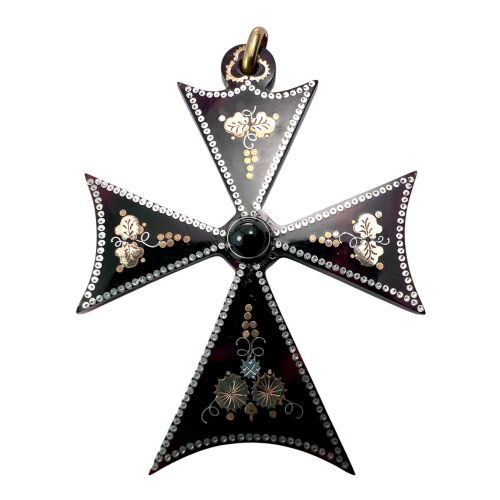
Many Victorian starbursts and Georgian crosses were built with this dual functionality to offer versatility for different occasions.
How do I date an antique pendant?
Dating relies on examining the setting styles, metal combinations, and cut of the gemstones. Georgian and early Victorian items frequently feature closed-back settings and rose cut stones, while Edwardian pieces often display delicate platinum-topped silver lace work.
Hallmarks, when present on the metal loops or chains, provide official assay office symbols and date letters to confirm the year of manufacture.
How were these pendants cared for historically?
Historic jewellery required gentle maintenance due to the delicate nature of closed-back gemstone settings and applied enamels. Owners avoided immersing them in liquids to prevent water from seeping behind foil-backed stones.
Special cleaning cloths were used to polish the silver fronts while protecting the softer gold backs and delicate linkages from undue strain.