


Silver Glass Vessel
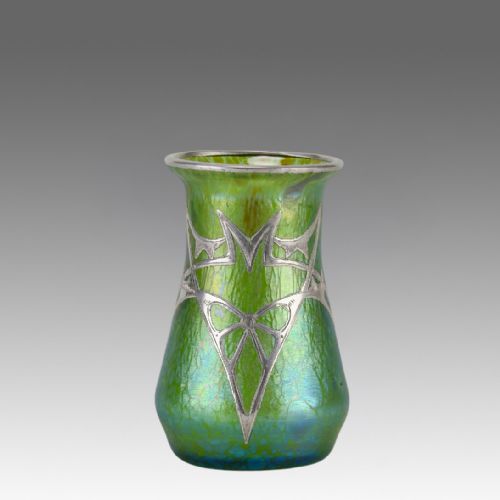
A silver glass vessel combines lustrous metal mounts and overlays with clear, cut, or coloured glass bodies.
Silver Glass Vessel
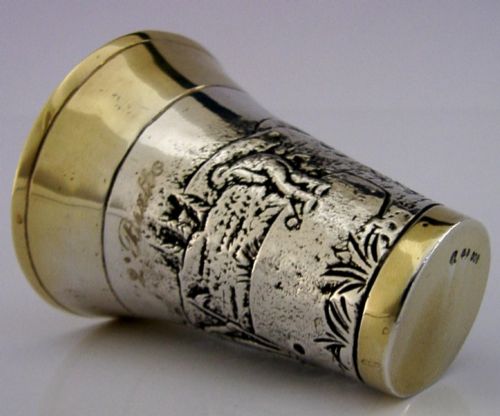
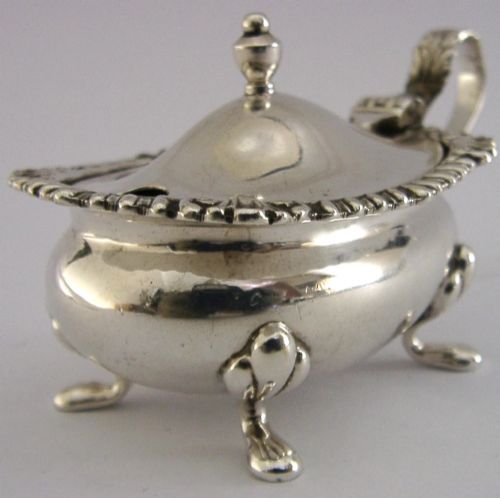
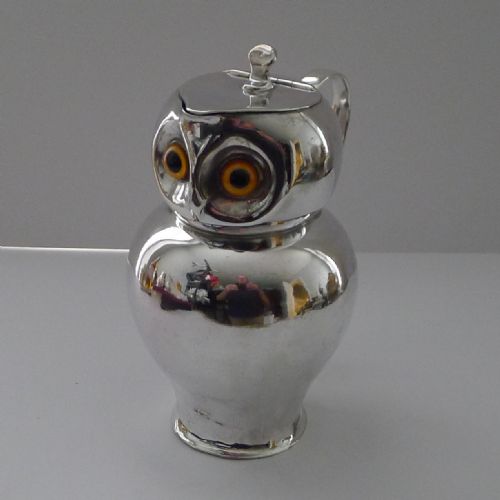
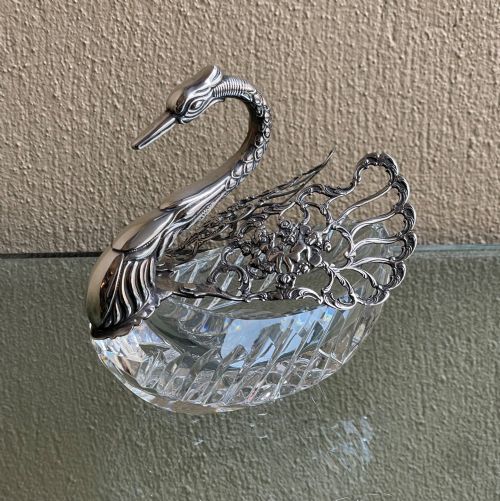
A silver glass vessel brings together metal work and glass bodies, appearing in forms such as mustard pots, claret jugs, scent bottles, vases, and sugar bowls. The pieces span from the mid-nineteenth century through the Victorian, Edwardian, Art Nouveau, and Art Deco periods, reaching into the mid-twentieth century.
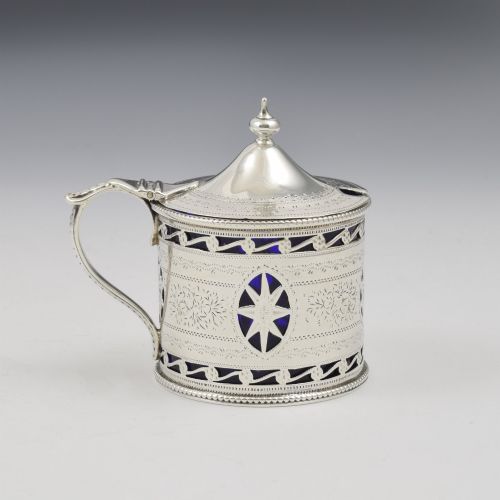
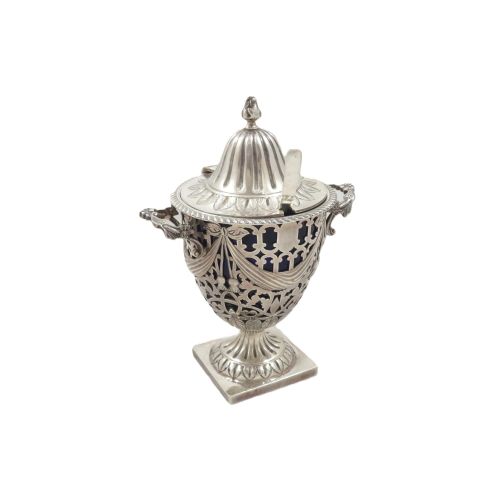
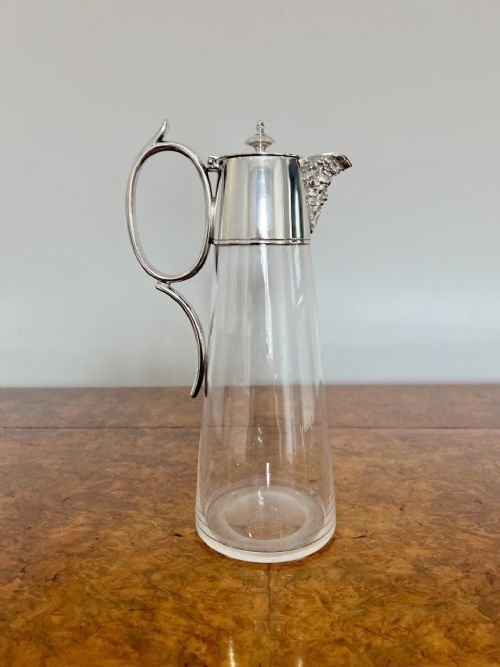
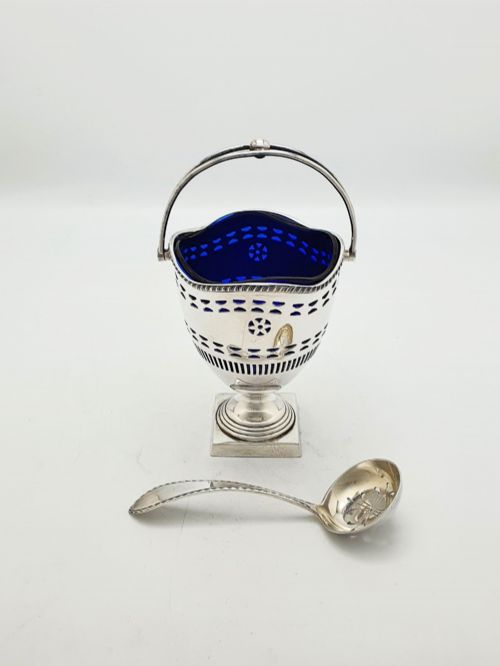
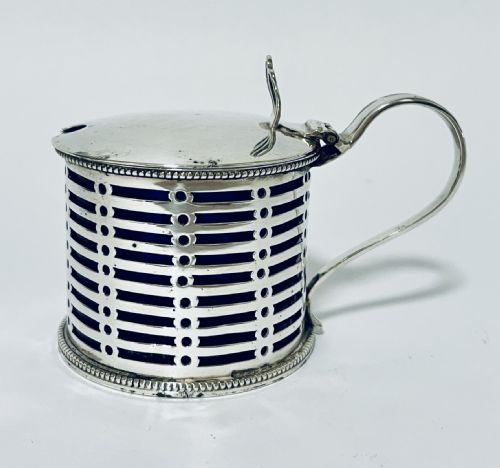
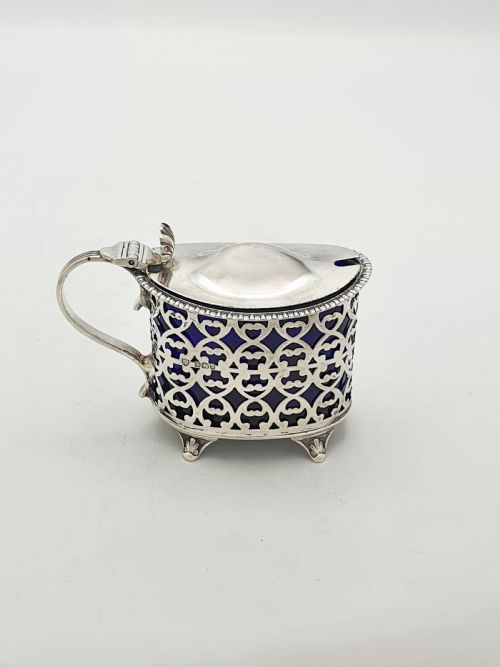
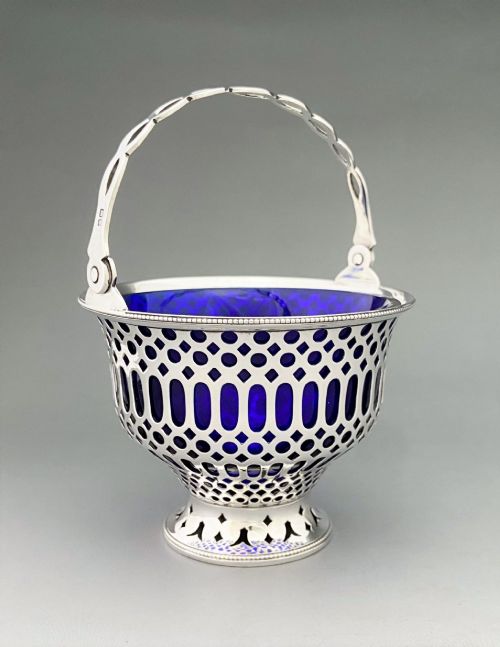
The version most commonly met on this page is the functional tableware or desk accessory, such as a mustard pot with a blue glass liner, a pierced silver basket, or a glass claret jug with a silver mount. These items combine everyday utility with decorative metal components ranging from heavy sterling silver to silver plate and pewter overlay.
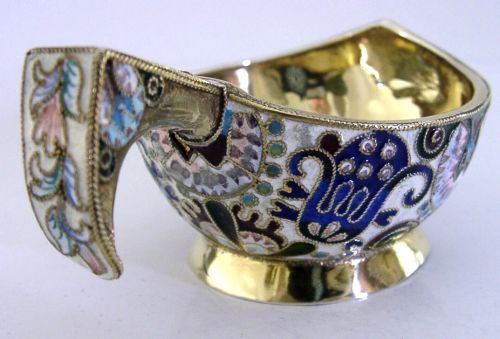
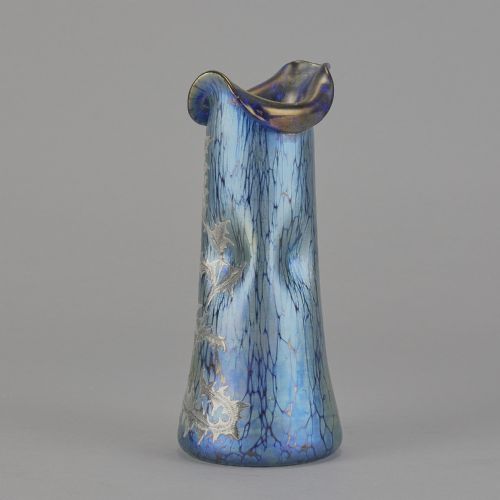
Makers and designers from various European hubs contributed to these forms, utilising distinct techniques like silver overlay on iridescent glass, enamel on cranberry glass, and cast mounts. Collectors encounter works originating from English silversmiths alongside continental European productions.
How they were made
Craftsmen joined glass bodies with metal components through techniques such as silver plating, sterling silver mounts, and applied silver overlay. Glass was blown, moulded, or cut before receiving pierced silver sleeves, hinged lids, or handles.
Specialised workshops produced iridescent and coloured glass, such as cobalt, cranberry, and blue papillon varieties, which were then decorated with metal deposits, enamels, or pewter and silver mounts.
Listings feature sterling silver, silver plate, cut glass, cobalt glass, and iridescent glass across Victorian, Edwardian, and Art Deco styles.
What varies in quality
The standard of a silver glass vessel rests on the integration between the metal mount and the glass body, alongside the crispness of any piercing, chasing, or enamel work. Heavier gauge silver and precise fitting distinguish superior examples from simpler plated wares.
The quality of the glass itself, whether hand-cut, moulded, or blown with iridescent effects by notable makers, dictates the visual depth and tactile weight of the piece.
Nathan and Hayes·Loetz Witwe·Hukin and Heath·WMF·Omar Ramsden
The Silver Glass Vessel Glossary
- Silver Overlay
- A technique where molten silver or a silver deposit is applied directly onto a glass or ceramic body in decorative patterns.
- Claret Jug
- A tall pouring vessel with a handle and hinged lid, typically featuring a glass body and silver or silver-plated mounts, used for serving wine.
- Iridescent Glass
- Glass treated with metallic salts while hot to produce a rainbow-like sheen on the surface, characteristic of Art Nouveau design.
- Mustard Pot
- A small container with a fitted lid and often a coloured glass liner, accompanied by a spoon for serving mustard at the table.
- Pierced Silver
- Metalwork decorated by cutting or piercing openwork designs through the sheet silver, frequently seen on baskets and condiment holders.
Silver Glass Vessel: Frequently Asked Questions
How do I clean the silver without damaging the glass?
Use a soft cloth and a gentle, non-abrasive silver polish, taking care to avoid getting chemicals on the glass surface or inside any liners.
For pieces with glued or fitted metal mounts, avoid total immersion in water to protect adhesives and internal seals.
Are glass liners original to the silver pots?
Many mustard pots and baskets retain their original coloured or clear glass liners, which were shaped specifically for each mount.
Replacements do occur, so check that the glass sits flush within the silver rim without excessive movement.
What periods do these vessels come from?
The pieces span from the mid-nineteenth century Victorian era through Edwardian times, the Art Nouveau period, and into the mid-twentieth century.
Stylistic cues such as heavy casting, floral piercing, or geometric Art Deco lines help identify the specific era of manufacture.
How can I tell sterling silver from silver plate?
Sterling items generally bear hallmarks indicating the standard of purity, the maker, and the assay office where the metal was tested.
Silver-plated pieces typically show marks denoting electroplate or bear different manufacturer stamps without standard sterling hallmarks.