



Antique Chemist Shop Jars
Antique chemist shop jars are functional pharmacy containers that bring striking historical utility and bold lettering to modern interiors.
Antique Chemist Shop Jars
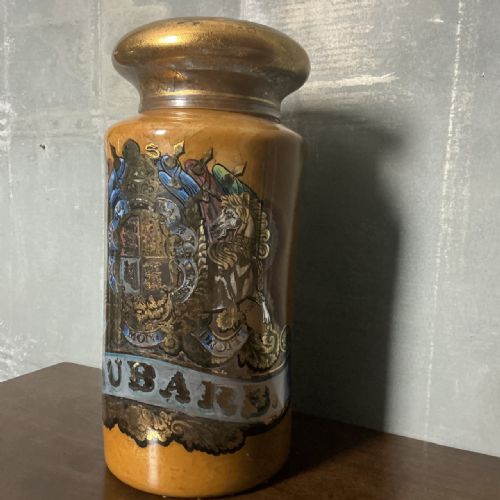
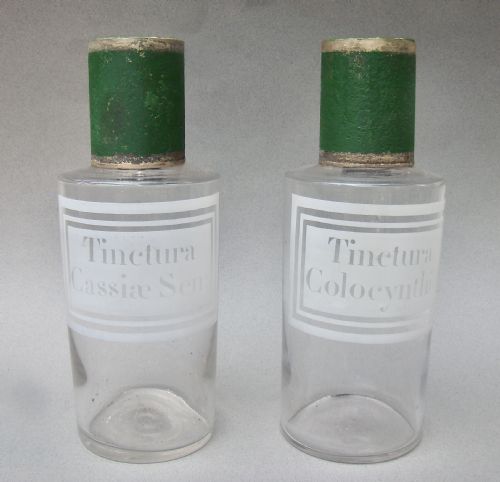
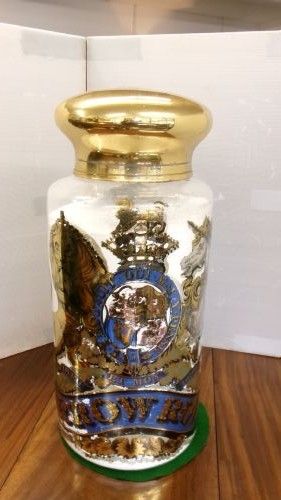
Antique chemist shop jars comprise utilitarian glass vessels and display containers created for nineteenth-century pharmacies and dispensaries. Buyers seeking antique chemist shop jars frequently encounter tall display jars with covers, pharmacy bottles with identifying labels, and large carboys designed for shop windows.
The material record spans nineteenth-century pieces alongside examples from the Victorian and Edwardian periods, including French nineteenth-century items. These containers range from single display vessels to sets of three or five matching pharmacy bottles.
Specific contents such as arrowroot and gelatine are recorded on historical labels, demonstrating the original working life of these shop wares. Such vessels bridge the gap between practical apothecary storage and decorative display.
How they were made
Makers utilised glass as the primary medium, shaping clear glass, green glass, and Bristol blue glass through traditional blowing and moulding techniques. Etched decoration and painted details appear alongside gold leaf applications to denote contents and pharmacy names.
Antique Chemist Shop Jars Retail Price Guide 2026
Typical asking prices for chemist shop jars among the pieces listed under this phrase on Sellingantiques today, from the lower quarter to the upper quarter. They describe what is for sale here now, not the wider market.
What varies in quality
Quality rests upon the clarity and colour of the glass, with deep Bristol blue and rich green hues commanding particular attention alongside clear glass examples. The presence of original fitted covers and legible white labels significantly elevates the visual impact of an individual jar.
Scale dictates presence, setting smaller pharmacy bottles apart from large display jars and substantial carboys intended for shop windows. Intact sets of matching jars demonstrate greater uniformity than single mixed vessels gathered over time.
The Antique Chemist Shop Jars Glossary
- Carboy
- A large glass vessel with a narrow neck, traditionally used in chemist shops for window displays or bulk liquid storage. These substantial pieces sat in storefronts to catch the light and attract customers.
- Bristol blue
- A deep cobalt blue glass produced in the Bristol area during the nineteenth century. Chemist bottles rendered in this striking colour protected light-sensitive medicines.
- Gold leaf
- Thinly beaten gold applied to glass surfaces for lettering and decoration. This technique provided durable and opulent labelling for apothecary containers.
- Mercury glass
- Double-walled blown glass coated on the inside with a silvering liquid to create a mirror-like sheen. It offers a reflective alternative to standard clear glass display vessels.
- Apothecary
- A historical practitioner who prepared and sold medicines and drugs to the public. Their shops utilised specialised glassware to store herbs, powders, and liquids.
Antique Chemist Shop Jars: Frequently Asked Questions
What were antique chemist shop jars used for?
Apothecaries and chemists utilised these jars to store dry drugs, herbs, powders, and various liquid medicinals safely behind the counter or on dispensary shelves. Large display versions also sat in front windows to advertise the trade to passersby.
The containers kept contents dry and protected from light degradation using fitted glass covers and specialised coloured glass.
How do I clean an antique glass apothecary jar?
Careful washing with lukewarm water and mild soap preserves the delicate interior surfaces and any remaining gold leaf or painted labels. Harsh scrubbing agents risk damaging historical glass and surface decoration.
Allowing the piece to air dry prevents moisture trapping around original stoppers and covers.
Where should I display large chemist jars at home?
Large carboys and display jars suit bright windowsills where natural light passes through clear, green, or blue glass. Kitchens and studies also provide appropriate settings that echo the historical utility of these vessels.
Grouping sets of three or five bottles together creates a stronger visual display than isolated single items.
How can I tell Victorian chemist jars from later pieces?
Victorian examples often display hand-blown characteristics, pontil marks on the base, and traditional etched or painted drug labels. Edwardian and later twentieth-century pieces tend towards more standardised manufacturing methods.
Material choices like Bristol blue glass and mercury glass frequently align with nineteenth-century production techniques.