



Victorian Chemist Display Jar
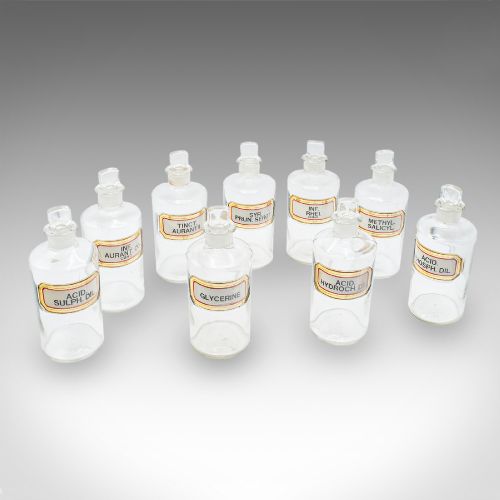
These Victorian chemist display jars are heavy glass vessels that held medicines and shop stock, offering robust charm and genuine history for any interior.
Victorian Chemist Display Jar
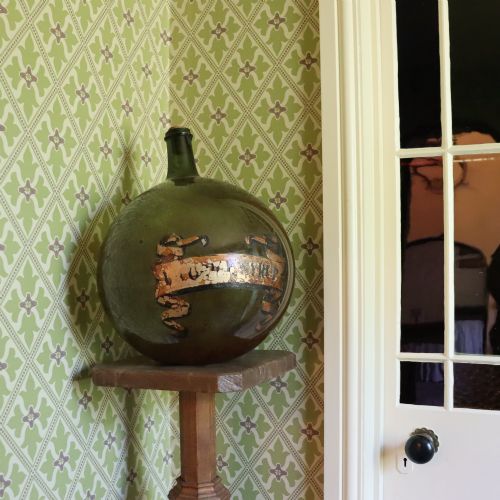
When you search for a victorian chemist display jar, you encounter blown glass vessels, carboys and covered apothecary jars originating from the nineteenth century.
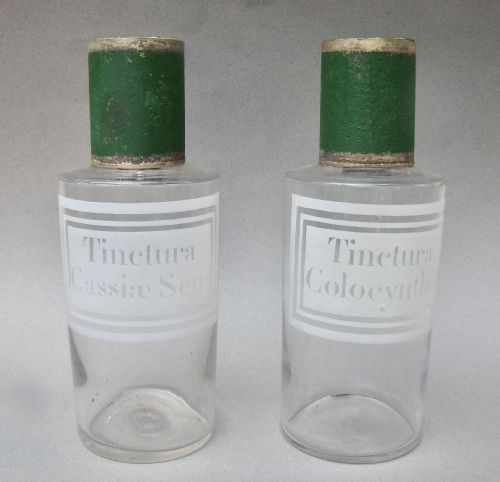
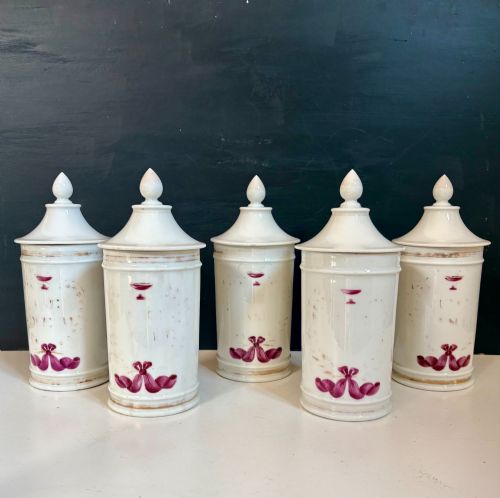
The pieces on this page span the Victorian era, the year 1900 and French nineteenth-century workshops, taking the form of large display containers and pharmacy bottles.
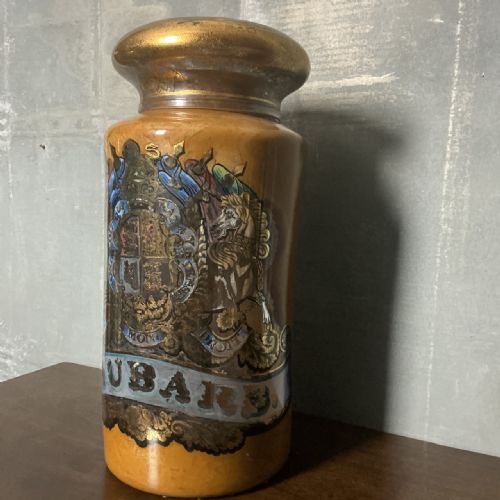
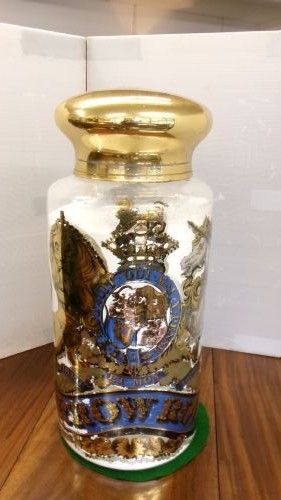
You meet both simple glass jars and labelled containers featuring gold leaf, paint and stoppers, designed originally for shop windows and chemist shelves.
How they were made
Makers utilised blown glass to shape large carboys and display jars, often incorporating mercury glass and brass elements into the construction.
Surface decoration involved gold leaf and paint, alongside etching techniques applied to French nineteenth-century glass jars.
Victorian Chemist Display Jar Retail Price Guide 2026
Typical asking prices for victorian chemist display jar among the pieces listed under this phrase on Sellingantiques today, from the lower quarter to the upper quarter. They describe what is for sale here now, not the wider market.
What varies in quality
The distinction between standard examples and superior pieces rests on the presence of original covers, stoppers and legible gold leaf labelling.
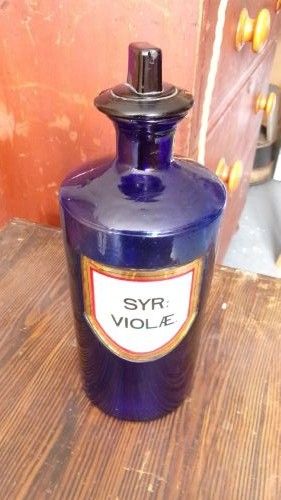
Scale and clarity define the upper tier, where large carboys and Bristol blue chemist bottles exhibit clear, heavy blown glass without excessive clouding.
The Victorian Chemist Display Jar Glossary
- Carboy
- A large glass bottle with a narrow neck, traditionally used in laboratories and chemist shops to hold liquids. These vessels often stood in shop windows.
- Bristol Blue
- A deep cobalt blue glass produced in England during the eighteenth and nineteenth centuries. This striking colour protected light-sensitive contents.
- Mercury glass
- Double-walled blown glass coated on the inside with a silver liquid solution to create a mirror-like sheen. It gained popularity in the nineteenth century.
- Lollipop stopper
- A flat, rounded glass closure shaped like a confection, fitted to the neck of chemist bottles and display jars to seal the contents.
Victorian Chemist Display Jar: Frequently Asked Questions
What are victorian chemist display jars?
These are nineteenth-century glass vessels and carboys created for pharmacy interiors and shop windows.
They served practical storage purposes before becoming decorative objects for modern homes.
How were apothecary jars used?
Chemists utilised these glass containers to hold dry drugs, medicinal herbs, liquids and shop supplies.
Large carboys filled with coloured water stood in windows to attract customers and advertise the apothecary trade.
Where should I place a carboy?
Large carboys and display jars suit bright windowsills and open shelves where light passes through the heavy glass.
Their substantial scale makes them effective floor-standing or tabletop focal points.
How do I identify a Victorian jar?
Look for nineteenth-century manufacturing traits such as pontil marks, thick blown glass and traditional apothecary forms.
Many examples feature period gold leaf lettering or specific stopper types characteristic of the era.