


Large Glass Jar
A large antique glass jar brings genuine presence to a room, offering practical storage or a striking display.
Large Glass Jar
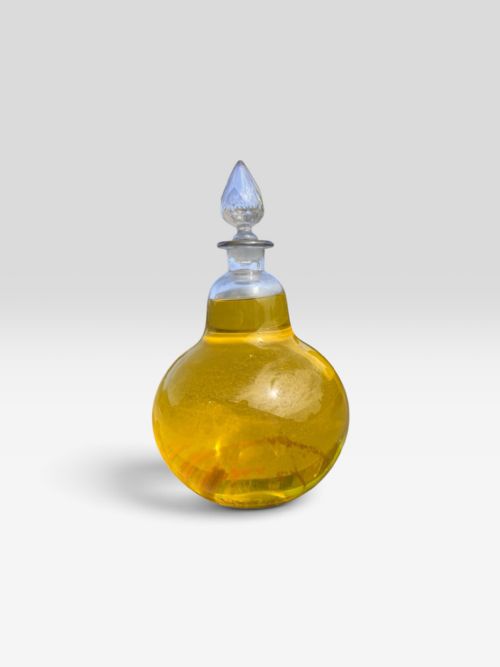
When you search for a large antique glass jar, you encounter vessels that once served pharmacies, dining rooms, and display cabinets. The pieces listed here span Victorian, Edwardian, and Georgian periods, alongside 18th-century examples.
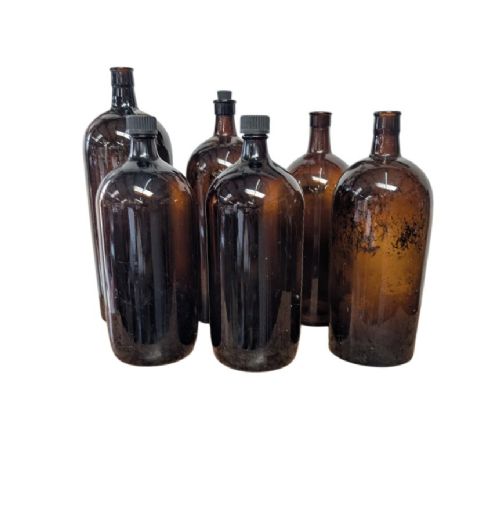
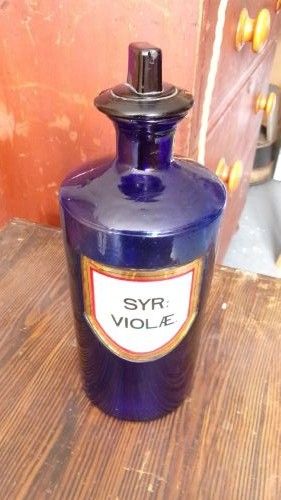
You are most likely to meet apothecary carboys, chemist bottles with stoppers, and display domes with ebonised bases. These objects combine utilitarian origins with the decorative appeal of hand-formed glass.
The selection ranges from tall pharmacist vessels to lidded biscuit barrels and specimen domes. Each item reveals the distinct manufacturing traits of its specific era.
Materials and methods
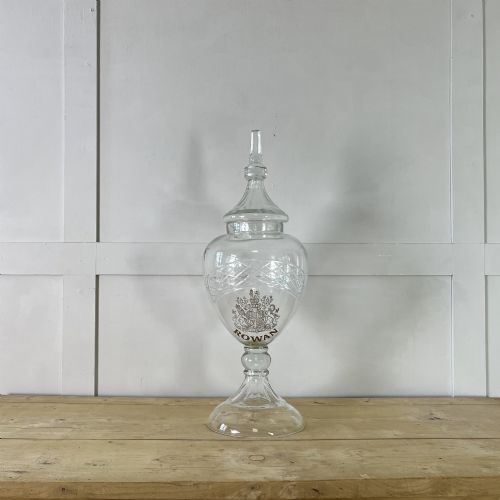
Makers produced these vessels primarily using blown glass and cut glass techniques. Hand-blowing created irregular wall thicknesses and subtle bubbles, while cutting introduced sharp geometric facets.
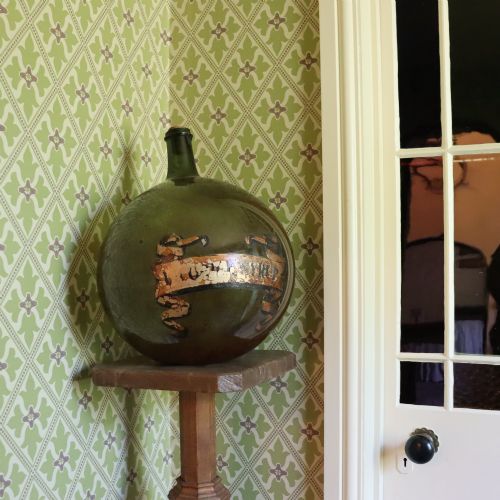
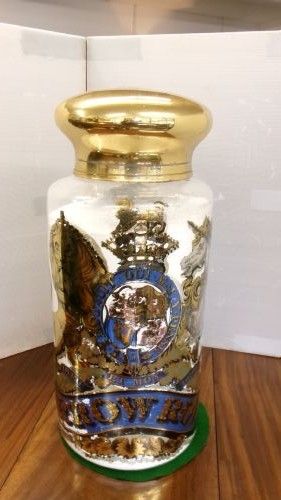
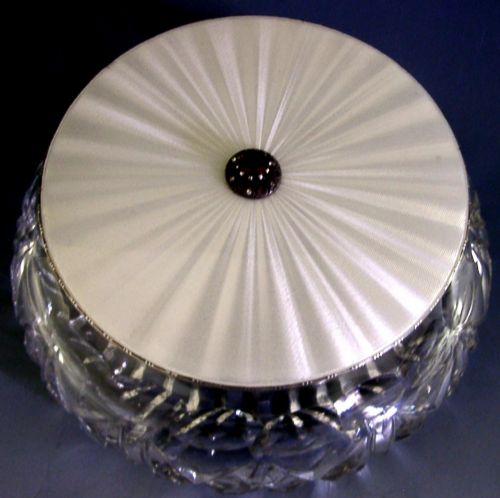
Many containers incorporate brass fittings, gold leaf, or sterling silver mounts. Bases often utilise ebonised wood or fabric to support heavy glass domes and display vessels.
Materials span clear glass, amber glass, cranberry glass, cut crystal, sterling silver, gold leaf, and ebonised wood.
Assessing quality
Quality rests on the clarity of the material and the crispness of any cut decoration. Hand-blown pieces show greater weight variation and distinct pontil marks on the base.
The survival of original stoppers, matching lids, and accompanying wooden or brass bases elevates a piece. Superior examples maintain unblemished surfaces without extensive clouding.
Mary Gregory·Benskins Brewery
The Large Glass Jar Glossary
- Carboy
- A large, bulbous glass bottle traditionally used for holding liquids. They often stood in chemist windows.
- Cloche
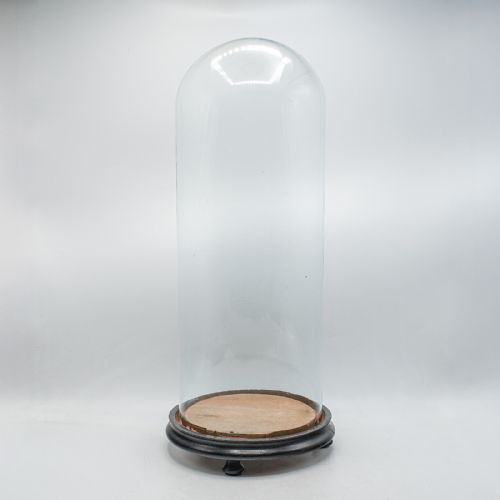
- A bell-shaped glass cover used for displaying specimens or protecting delicate items. These typically sit on a wooden base.
- Pontil mark
- The rough scar left on the bottom of blown glass where the pontil rod was detached. Its presence indicates traditional hand-crafting methods.
- Cut glass
- Glass decorated by grinding facets or patterns into the surface using a wheel. This technique adds considerable weight and brilliance to the object.
- Apothecary jar
- A vessel designed to hold medicinal ingredients, herbs, or pills in a pharmacy. They frequently feature painted labels or ground glass stoppers.
Large Glass Jar: Frequently Asked Questions
How were apothecary jars used?
Apothecary jars stored dry drugs, liquids, ointments, and herbs in chemist shops. Pharmacists relied on them to keep contents visible yet protected from moisture and air.
Over time, these utilitarian vessels transitioned from working shop shelves into domestic decorative displays.
What went under a glass dome?
Display domes sheltered delicate objects such as taxidermy specimens, wax flowers, clocks, and ornaments. The glass protected fragile items from dust and handling.
Victorian homes frequently utilised these showcases to display prized curiosities on mantelpieces and tables.
How do I clean an old glass jar?
Clean antique glass gently using lukewarm water and mild soap. Avoid harsh scrubbing or soaking vessels with painted labels or metallic leaf.
Submerged minerals and internal haze often require specialised bottle brushes rather than chemical cleaners.
How do I date a glass jar?
Dating relies on examining pontil marks, manufacturing seams, and stylistic cues. Early blown pieces display rough bottom scars and uneven thickness.
Later Victorian and Edwardian examples often feature moulded lettering, machine-pressed edges, or crisper cut glass patterns.