





Silver Gilt Bowl
A silver gilt bowl brings warmth and luxury to the table through precious metal applied over a silver base.
Silver Gilt Bowl
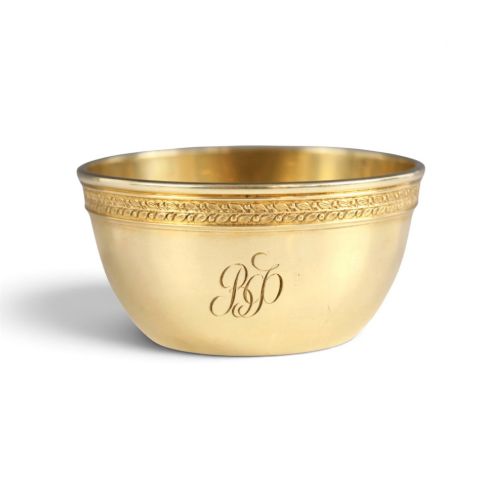
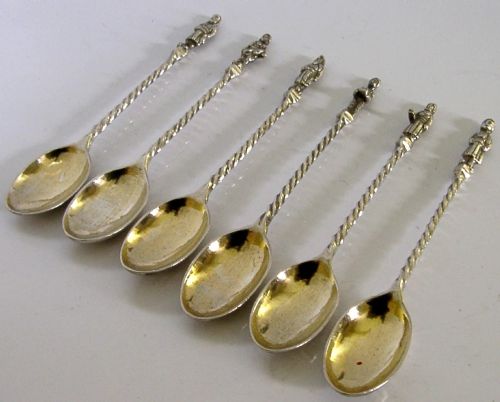
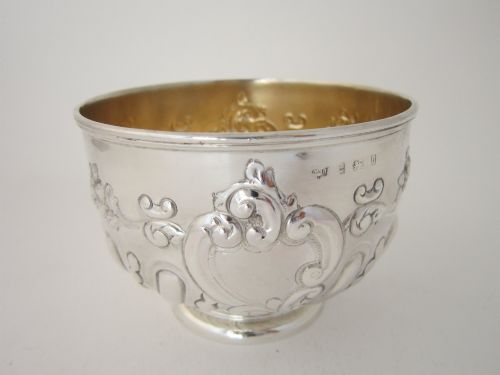
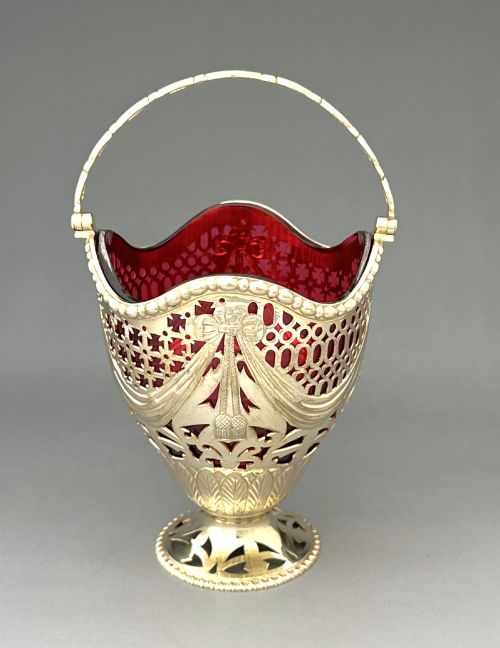
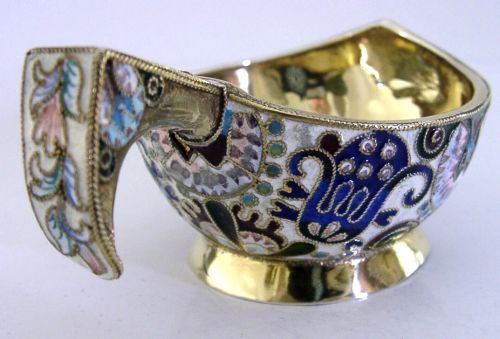
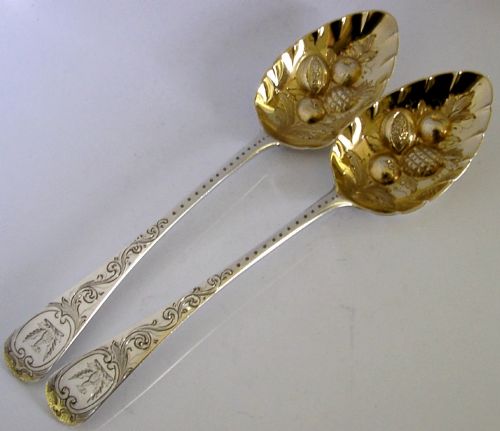
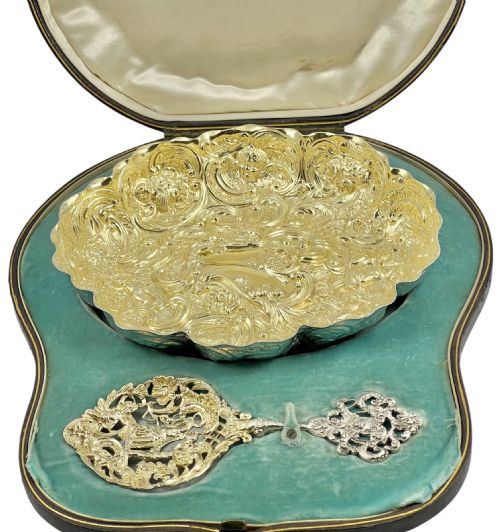
When you search for silver gilt bowl, you encounter a variety of forms spanning several centuries, primarily featuring sugar bowls, sweetmeat baskets, and decorative table vessels. The pieces found here range from Georgian dining table accessories to elaborate Victorian and Edwardian examples featuring detailed chasing and coloured glass liners.
The selection frequently includes items designed for specific domestic functions, such as cased sugar bowl and spoon sets, salt cellars with gilt interiors, and fruit serving vessels. Originating from workshops across Britain, continental Europe, and Russia, these vessels showcase diverse regional aesthetics from the eighteenth, nineteenth, and early twentieth centuries.
How they were made
Makers utilised traditional silversmithing techniques including hand-raising, casting, and repoussé chasing to shape the sterling silver or solid silver foundations of each vessel. Many items incorporate applied wirework, cast handles, and delicate pierced decoration executed by skilled artisans in urban workshops.
The characteristic gold finish is achieved through gilding, where a layer of gold is applied to the silver surface using historical techniques such as mercury gilding or modern electrogilding. Additional decorative elements often involve enamel work, hand engraving, and the integration of contrasting materials like cranberry glass or jade rims.
What varies in quality
The distinction between standard domestic items and exceptional pieces rests upon the crispness of the chased ornamentation and the depth of the metalwork. Master silversmiths achieved superior definition in floral motifs, figural elements, and crest engravings, whereas lesser examples show softer, shallower detailing from worn stamping tools.
Integrity of the gilding and the preservation of original fitted cases or matching auxiliary pieces also dictate the standing of a vessel. Pieces bearing clear hallmarks from well-documented makers retain more complete surface coloration and structural balance across handles, rims, and matching spoons.
Stephan Wekeva·William Chawner II·George Fox·Benjamin Smith·John Aldwinckle and Thomas Slater
The Silver Gilt Bowl Glossary
- Silver gilt
- Sterling silver or silver plate that has been coated with a thin layer of gold. This process protects the underlying silver from tarnishing while providing a rich golden interior or exterior finish.
- Vermeil
- A high-quality form of gilding involving gold electroplated or fire-gilded over a solid sterling silver base. The term frequently appears in continental European and French items.
- Chasing
- A metalworking technique where the smith pushes the silver from the front using hammers and punches to create raised decorative patterns without removing metal. It produces detailed surface relief on bowls and baskets.
- Sweetmeat basket
- A small decorative container used during the eighteenth and nineteenth centuries for serving small confections, nuts, or dried fruits. These often feature pierced work and swing handles.
- Hallmark
- A system of official marks stamped on precious metal items to guarantee the metal purity, the assay office, and the year of manufacture. These stamps provide a secure method for dating antique tableware.
Silver Gilt Bowl: Frequently Asked Questions
How do I clean a silver gilt bowl?
Clean silver gilt surfaces with extreme care using a soft cloth and warm soapy water, avoiding abrasive polishes that strip the thin gold layer.
Pat the vessel dry immediately after washing to prevent water spots and protect the underlying silver and any integrated glass liners.
What is the difference between silver gilt and silver plate?
Silver gilt consists of solid sterling silver or silver coated in a layer of genuine gold, offering a precious metal base throughout.
Silver plate utilises a base metal such as copper or brass covered by a thin skin of silver, which lacks the solid weight and intrinsic value of silver gilt.
How were these bowls used historically?
Domestic dining tables utilised these vessels for serving sugars, preserves, sweetmeats, and condiments during formal meals and tea services.
Many examples functioned as presentation pieces or decorative table centrepieces, often accompanied by matching spoons, sifters, or glass inserts.
How can I date my antique bowl?
Examine the base or rim for stamped hallmarks, maker's marks, and duty marks that indicate the specific assay office and year of production.
Stylistic indicators such as Rococo chasing, Victorian floral motifs, or Edwardian proportions also help narrow down the manufacturing decade.