
Silver Flatware Server
A silver flatware server handles everything from fish to asparagus, uniting function and style across Georgian, Victorian and later dining tables.
Silver Flatware Server
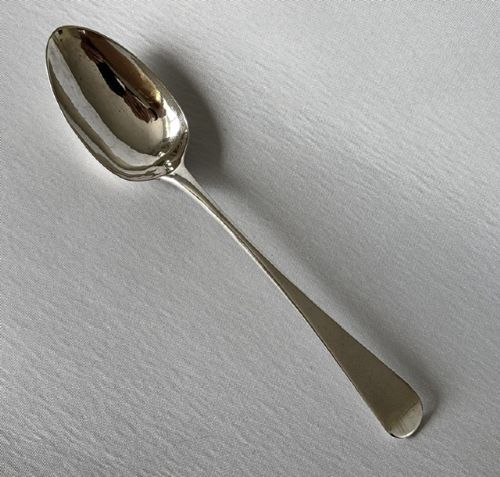
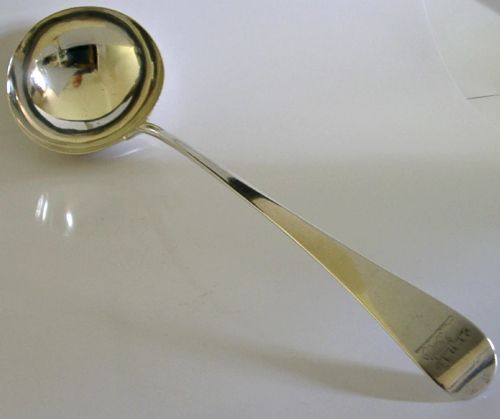
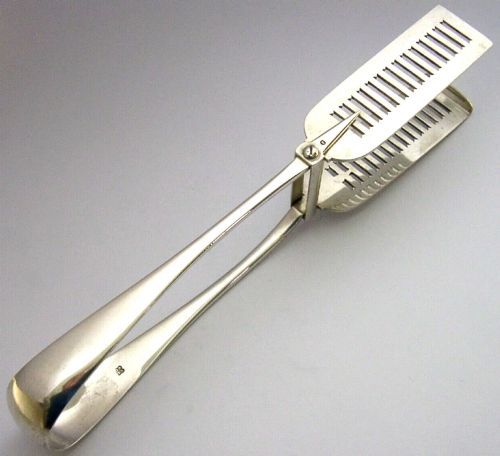
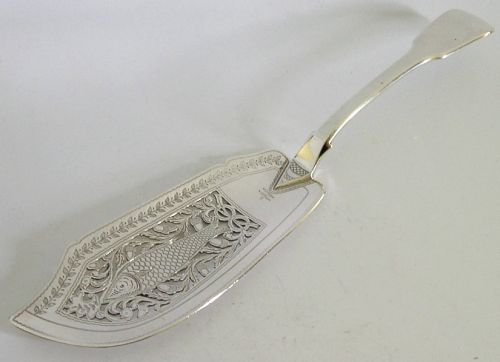
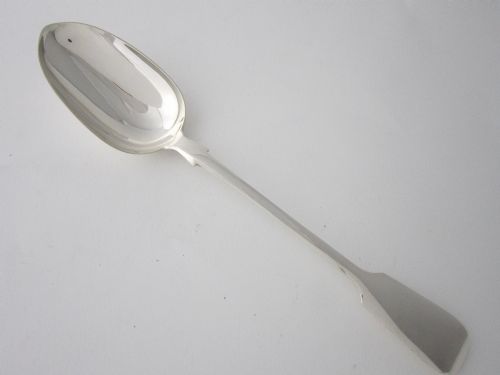
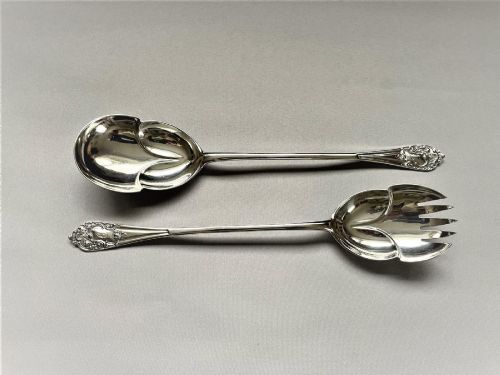
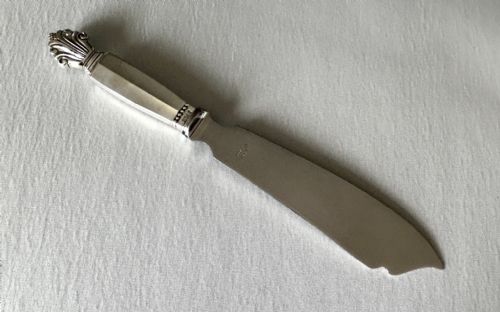
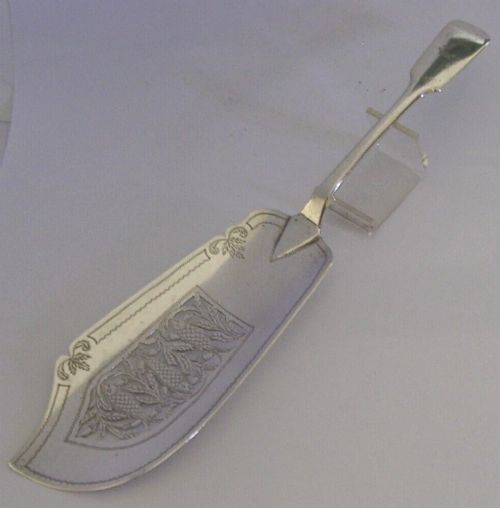
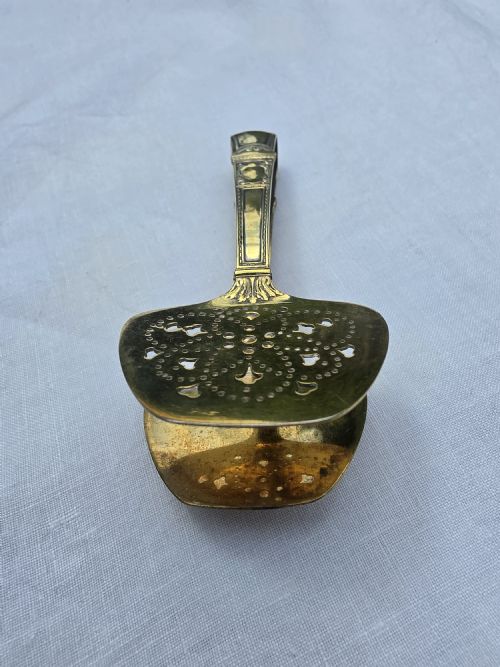
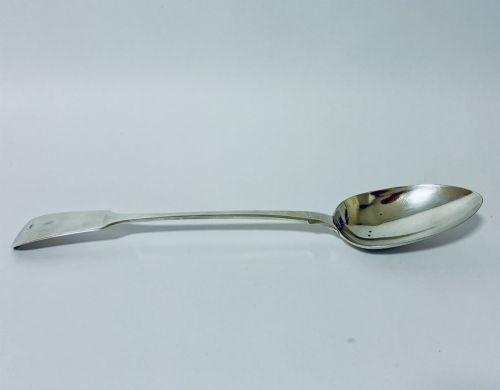
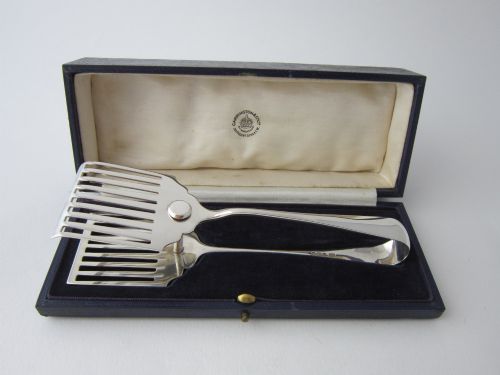
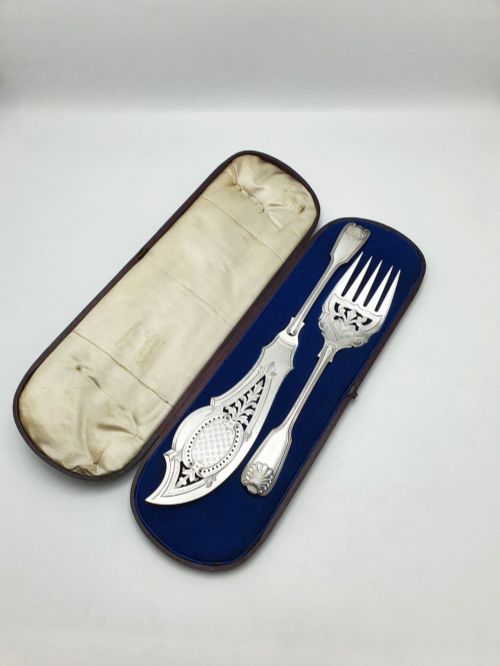
When searching for a silver flatware server, a buyer explores a diverse range of serving utensils spanning the eighteenth century through to the mid-century modern era. These items include fish servers, fish slices, salad servers, basting spoons, asparagus tongs and pastry trowels.
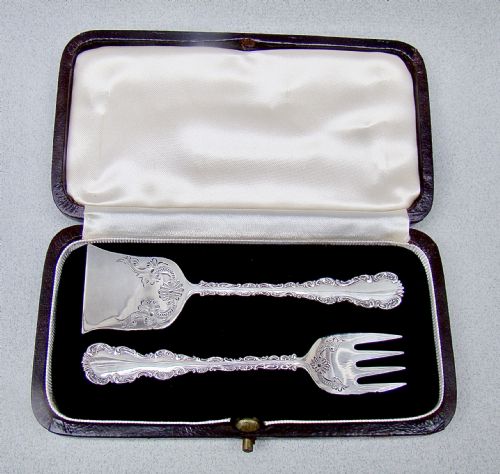
The versions most commonly met on this page originate from Georgian, Victorian and Edwardian workshops, alongside later twentieth-century examples. Forms vary from simple tablespoons to cased sets with specialised blades and tines designed for specific foods.
Materials and Techniques
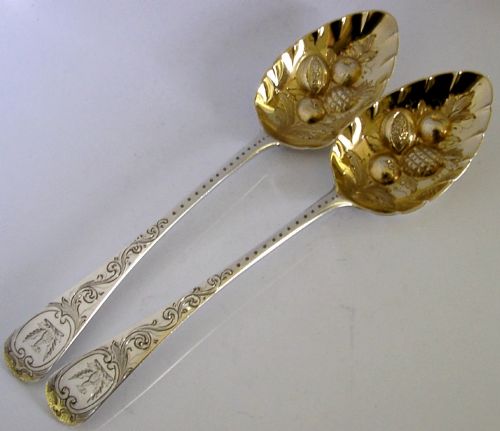
Makers utilised sterling silver and silver plate, frequently pairing metal bowls and blades with organic handles made from bone, mother of pearl, stag antler, silk, velvet or leather. Cast silver blades and engraved scrollwork demonstrate the prominent techniques employed by silversmiths.
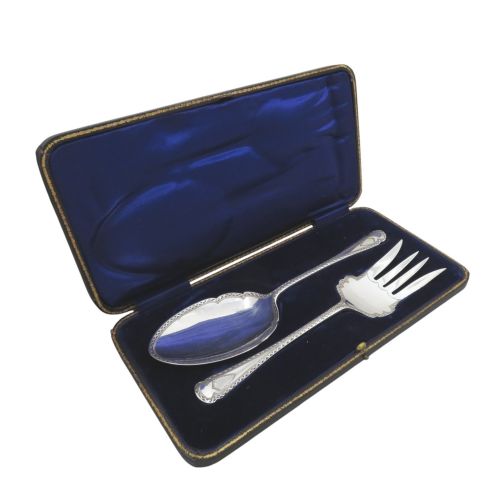
Cased sets often incorporate specialised materials alongside the primary silver or silver-gilt components, reflecting the domestic habits and dining customs of each period.
The documented object types range from fish slices and stilton scoops to asparagus tongs and pastry trowels.
Distinctions in Standard
The distinction between standard pieces and finer examples rests on the depth of engraving, the crispness of cast elements such as family crests or scrollwork, and the structural integrity of joints between handles and blades.
Substantial weight, balanced proportions in the hand, and well-executed maker or hallmarking stamps elevate particular items within their respective periods.
Peter and Jonathan Bateman·Hester Bateman·Henry Wilkinson·Georg Jensen·Martin Hall and Co
The Silver Flatware Server Glossary
- Fish slice
- A broad, perforated serving utensil shaped specifically for lifting portions of fish at the table. These often feature pierced decoration and substantial handles.
- Stilton scoop
- A specialised cylindrical scoop designed for extracting portions of hard cheese. They appear in George V and other twentieth-century contexts.
- Serving tongs
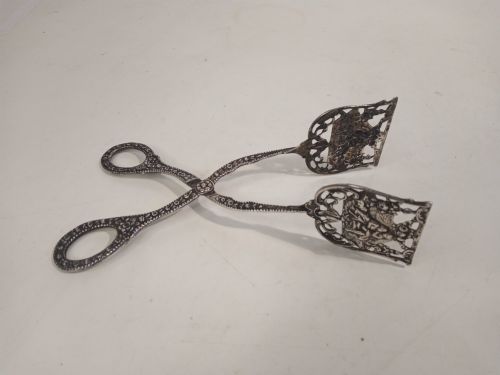
- Pincer-like utensils utilised for transferring asparagus, sugar, or general food items. They require balanced tension in the hinge to function correctly.
- Sterling silver
- An alloy containing 92.5 percent silver by mass, forming the primary metal standard for the majority of these serving pieces. It bears hallmarks indicating assay offices and dates.
- Silver gilt
- Silver that has been coated with a thin layer of gold on its surface. This technique imparts a rich dual-tone appearance to pastry and sandwich servers.
Silver Flatware Server: Frequently Asked Questions
What is a silver flatware server used for?
These utensils serve specific culinary tasks at the dining table, ranging from carving fish and slicing pastries to portioning asparagus and basting meats. Each shape corresponds to a particular course.
Their specialised designs reflect the formal dining practices of the Georgian and Victorian eras, where dedicated implements accompanied every dish.
How do I care for antique silver servers?
Regular, gentle cleaning with a soft cloth preserves the polished surface and highlights the detailed engraving. Avoid harsh chemical dips that strip away desirable patination.
Storing pieces in lined cases or anti-tarnish rolls protects organic handle materials like bone, mother of pearl and stag antler from environmental damage.
How can I date a silver server?
Hallmarks stamped directly onto the metal provide the most reliable guide to a piece's age and origin. These tiny marks indicate the assay office, the maker and the exact year of manufacture.
Stylistic indicators, such as fiddle patterns, ornate scrollwork or Art Deco lines, also point toward the specific decade in which the item was produced.
Why are some servers sold in cases?
Finer presentation sets were originally manufactured alongside fitted wooden or leather boxes lined with silk or velvet to protect delicate components. These cased items were frequently given as wedding gifts.
Keeping a server within its original fitted case preserves the complete historic ensemble as intended by the original maker.