


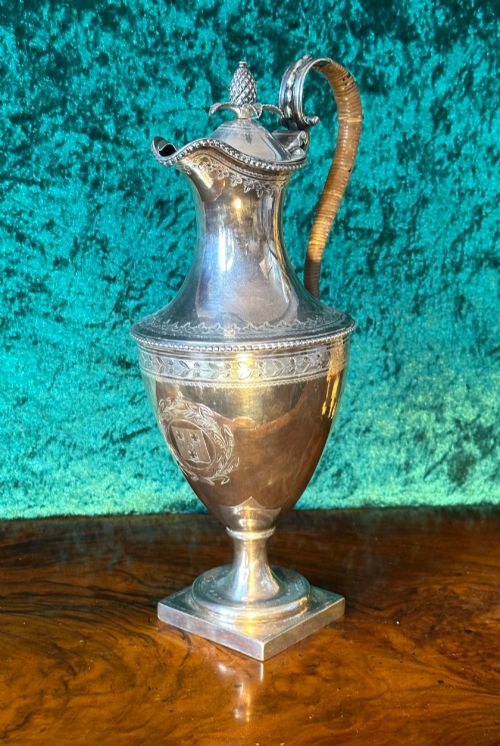

Engraved Silver Server
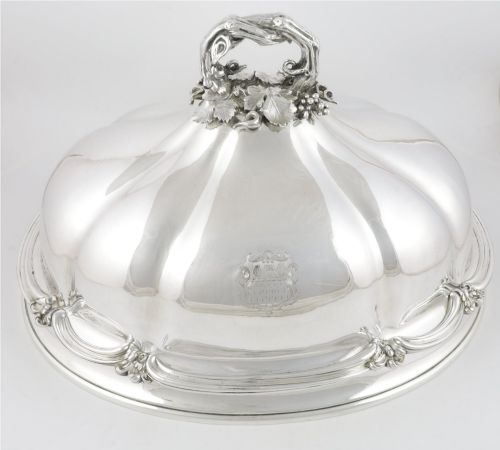
When you search for an engraved silver server, you are looking at items designed for the formal presentation of fish, pastry, or meat.
Engraved Silver Server
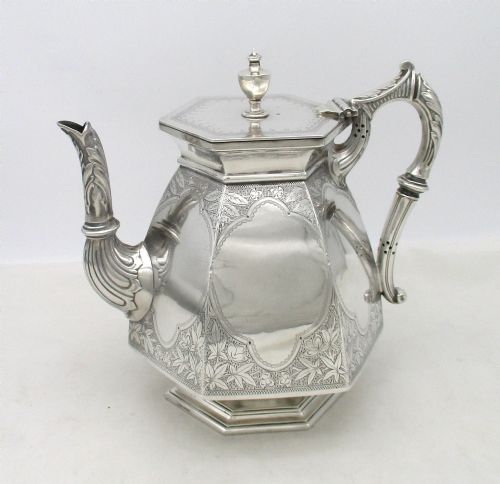
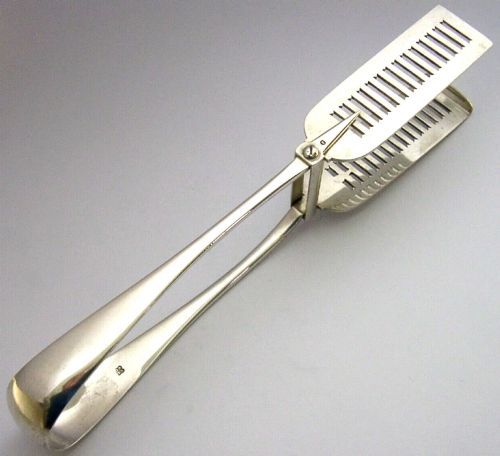
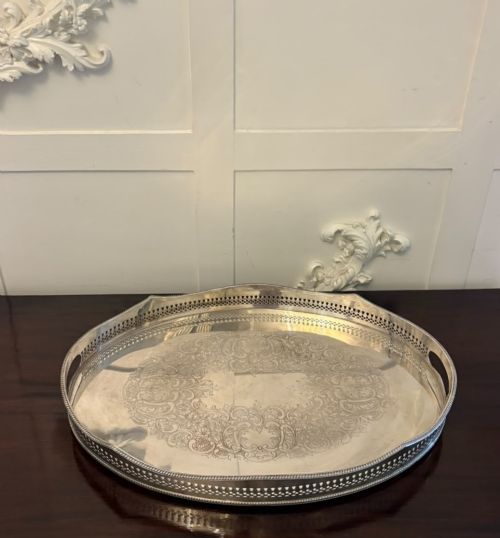
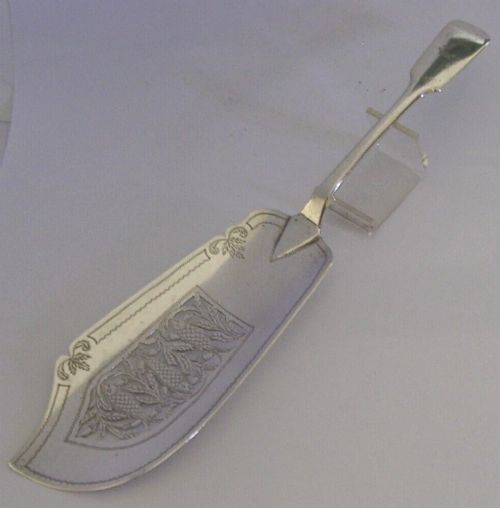
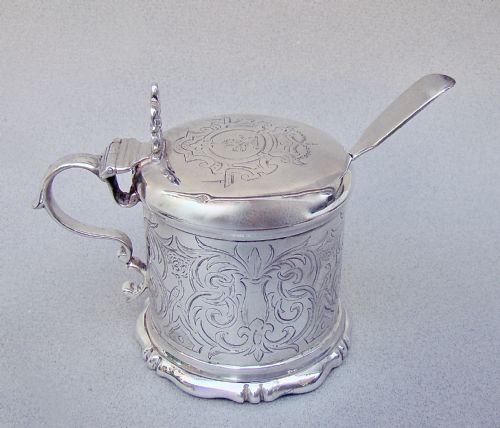
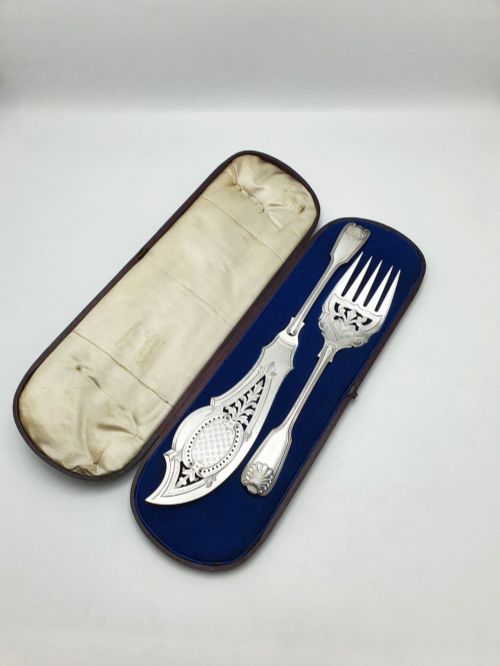
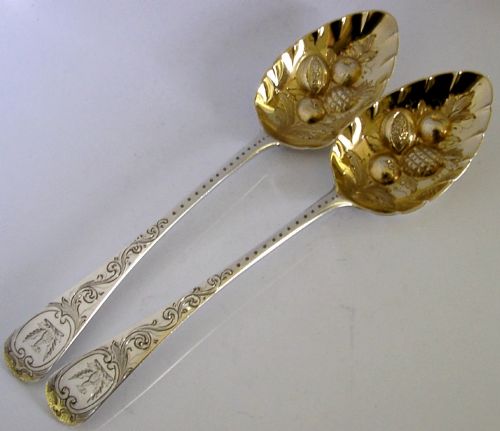
An engraved silver server encompasses a variety of flatware and serving utensils designed for specific dining tasks, ranging from fish slices and pastry trowels to salad servers. These items emerge primarily from the Georgian and Victorian periods, often exhibiting styles from George III through the Aesthetic Movement. You will most frequently encounter solid sterling silver or silver plated examples featuring detailed surface engraving.
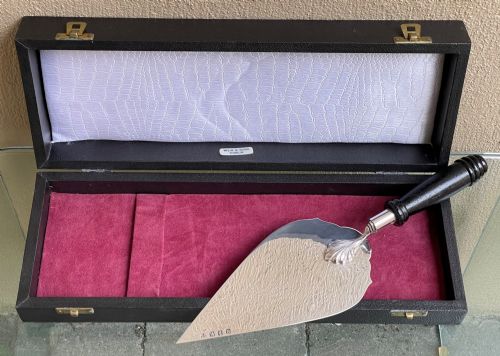
The utility of these objects dictated their form, with wide blades for fish and pointed shapes for pastry or cakes. Many pieces survive in matched or boxed sets, occasionally accompanied by handles of wood, bone, or stag antler. The origins stretch across English, Scottish, and Irish workshops, reflecting the dining customs of the eighteenth and nineteenth centuries.
Materials and Techniques
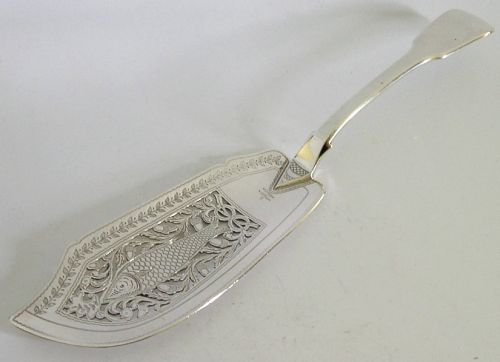
Makers relied heavily on solid sterling silver and silver plate, including Old Sheffield Plate and electroplated nickel silver, shaping them through casting, piercing, and hammering. Blades and servers frequently received hand-engraved ornamentation such as scrolls, foliage, crests, and dolphins.
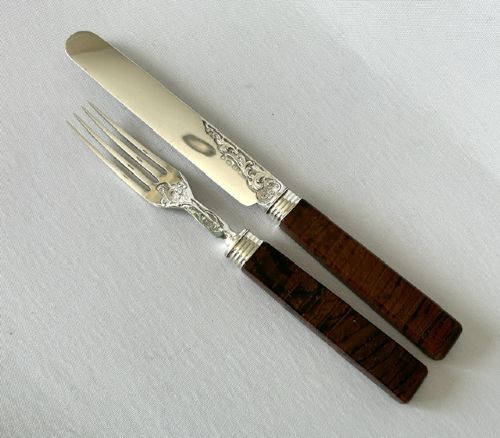
Handles introduce contrasting materials like ebony, wood, glass, and bone, attached securely to the metal working ends. The integration of these diverse elements required skilled silversmithing and plating techniques typical of nineteenth-century production.
Some nineteenth-century silver servers arrive with handles fashioned from genuine stag antler, adding a robust touch to formal dining.
Assessing Quality
Quality rests upon the crispness and depth of the hand engraving, the weight of the metal, and the balance of the utensil in the hand. Superior pieces display intricate, well-defined motifs rather than shallow or worn surface markings.
The integrity of the construction also distinguishes the range, particularly where handles join blades or tines. Pieces retaining clear hallmarks and intact secondary materials like glass liners or organic handles represent higher standards of period craftsmanship.
Roberts Cadman·Mappin & Webb·S.C. Younge & Co.·Charles & George Fox·William Ferguson·Matthew Boulton·James Tookey·R Grey·Wilkes Booth·Robert Hennell I·Martin Hall & Co·Henry Atkins
The Engraved Silver Server Glossary
- Sterling silver
- A standard alloy consisting of ninety-two point five percent silver by mass, with the remainder usually copper. This composition provided the necessary durability for functional serving utensils while maintaining a bright appearance.
- Silver plate
- A method of bonding a thin layer of silver to a base metal such as copper or nickel silver. Techniques like Old Sheffield Plate involved fusing silver to a copper core.
- Fish slice
- A wide, flat utensil specifically shaped for serving fish, frequently pierced and heavily engraved. These blades allowed the user to slide beneath a portion and lift it cleanly.
- Hallmark
- An official stamp applied to precious metals indicating the standard of purity, the maker or sponsor, and the office of assay. These marks provide reliable dating evidence for British silver.
- Crest
- A heraldic design engraved onto the surface of silver items to denote family ownership or lineage. These personalisations often help trace the original commissioning household.
Engraved Silver Server: Frequently Asked Questions
What is an engraved silver server used for?
These utensils were created to serve specific dishes at the dining table, such as fish portions, roasts, or pastry. Their wide blades and decorated surfaces suited the formal dining rituals of the Georgian and Victorian eras.
Over time, their usage shifted as dining habits changed, turning them into collectible items prized for their intricate metalwork and historical association with period domestic life.
How do I care for antique silver servers?
Maintenance requires gentle cleaning with appropriate silver polishes and soft cloths to preserve the delicate hand engraving. Avoid harsh abrasives that can thin the silver layer on plated items or damage organic handles.
Storage in dry environments away from direct sunlight helps prevent excessive tarnish. Regular, careful handling ensures the longevity of both the metal and any attached bone, wood, or ivory components.
How can I tell Georgian silver from Victorian silver?
Assessing the hallmarks provides the most accurate dating, as official assay office marks correspond to specific years of production. Stylistic clues also help, as Georgian pieces often display neoclassical lines or simpler bright-cut engraving.
Victorian items frequently exhibit heavier ornamentation, incorporating motifs from the Aesthetic Movement or naturalistic foliage. Examining the manufacturing techniques and overall form further clarifies the period of origin.
Are silver plated servers as good as solid silver?
Silver plated items offer an alternative to solid sterling silver, often displaying the same high level of artistic engraving and craftsmanship. Techniques like Old Sheffield Plate created durable, layered objects that rival solid pieces in appearance.
While solid sterling silver holds intrinsic metal value, plated servers from makers like Mappin & Webb or Roberts Cadman represent the height of nineteenth-century decorative metalwork.