


Silver Crystal Decanter
A silver crystal decanter combines heavy refractive glass with precious metal mounts, offering both functional storage and a striking centrepiece for the dining table.
Silver Crystal Decanter
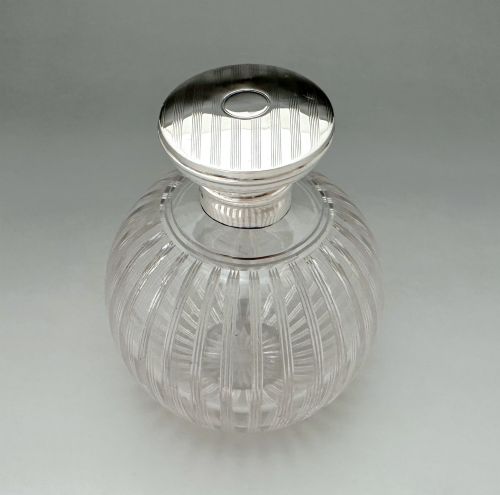
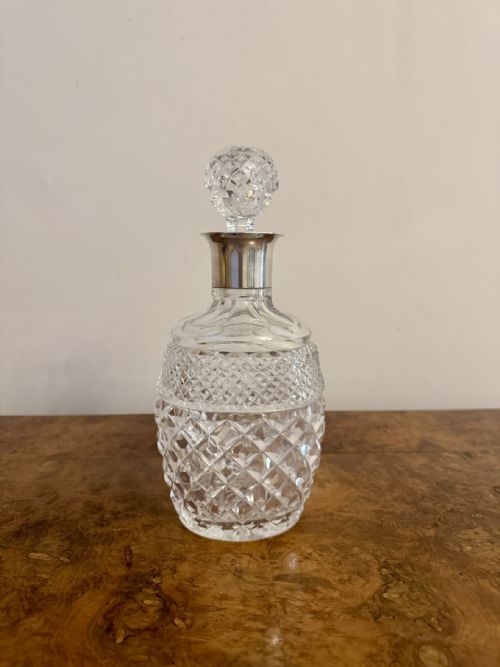
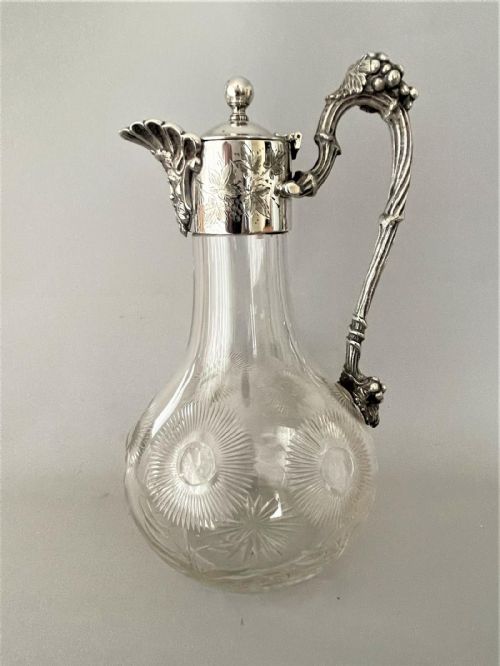
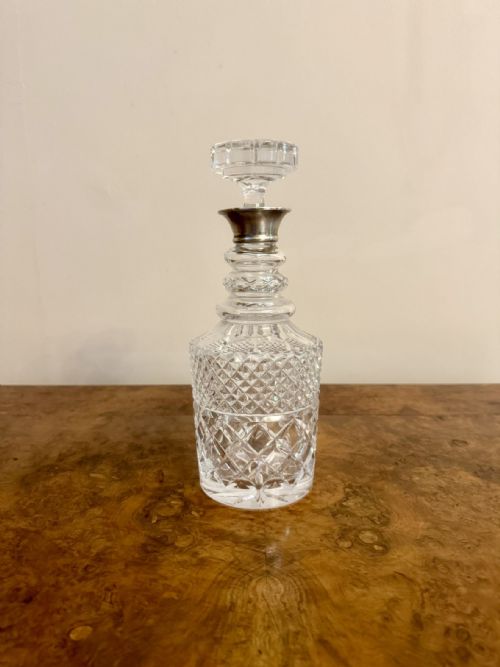
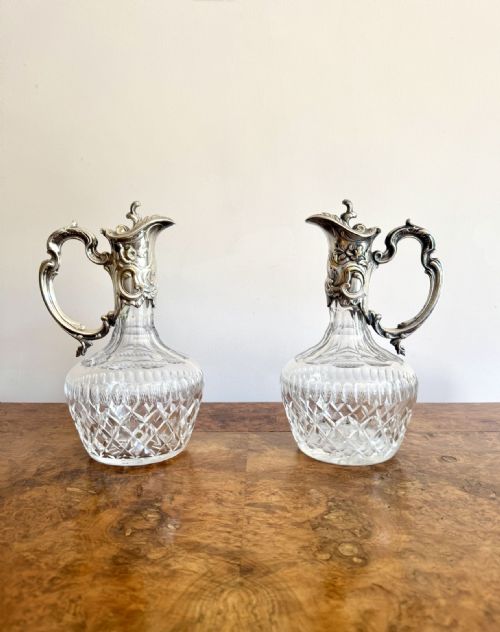
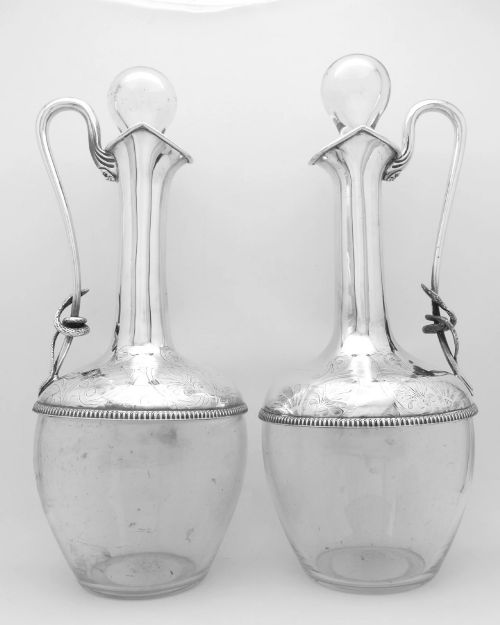
A silver crystal decanter brings together a glass or crystal vessel with silver collars, handles, or pouring mounts. These pieces span periods from the Victorian era through the Edwardian years and into Art Deco designs.
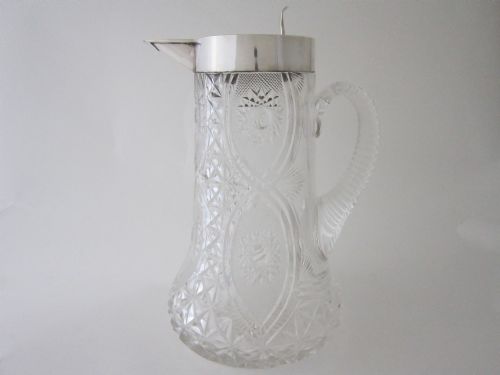
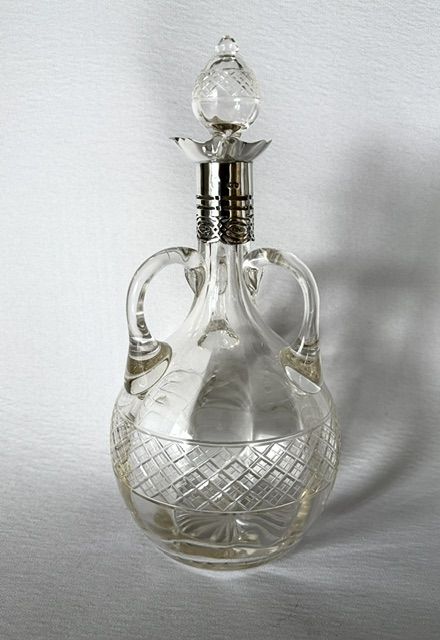
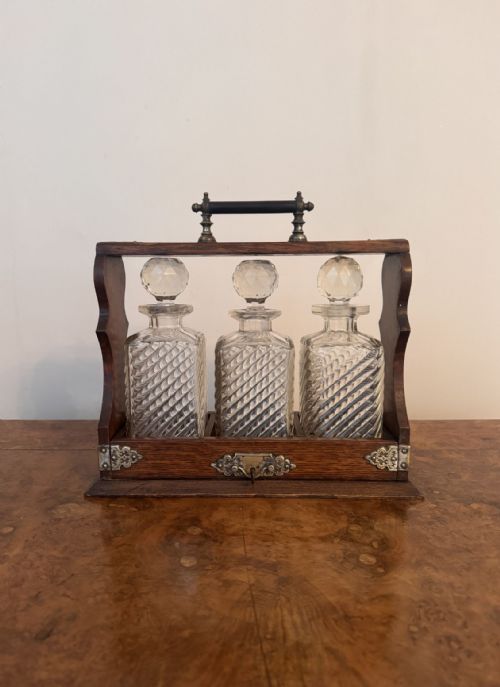
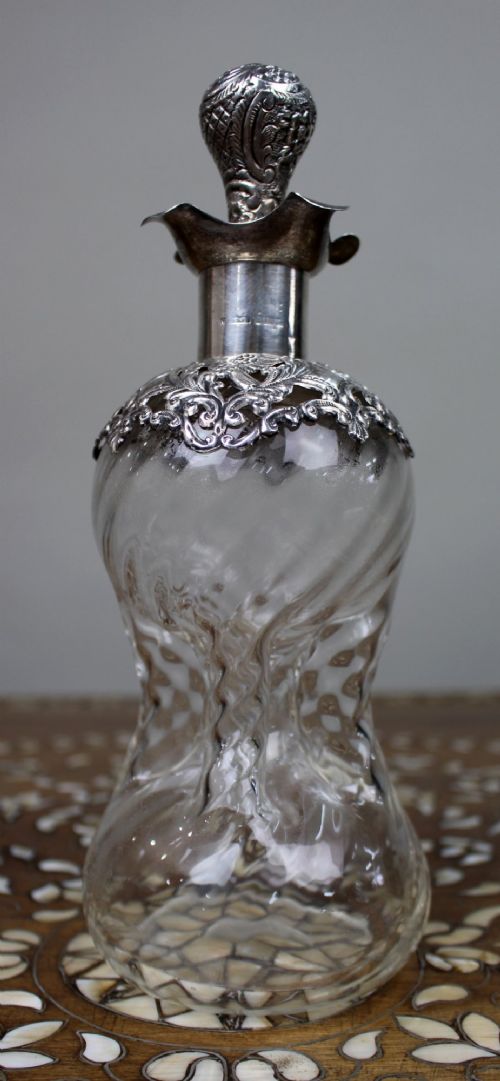
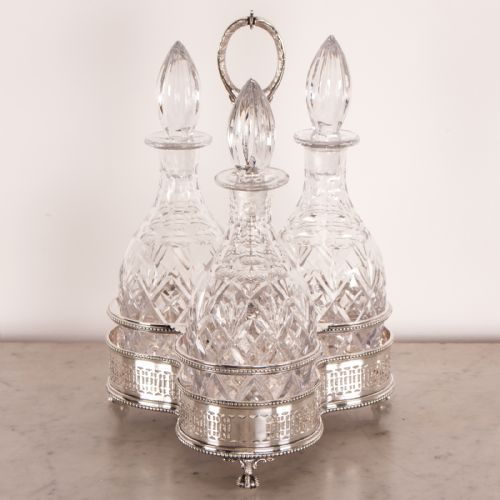
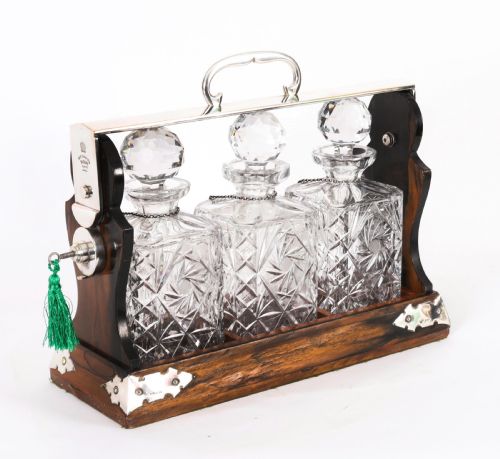
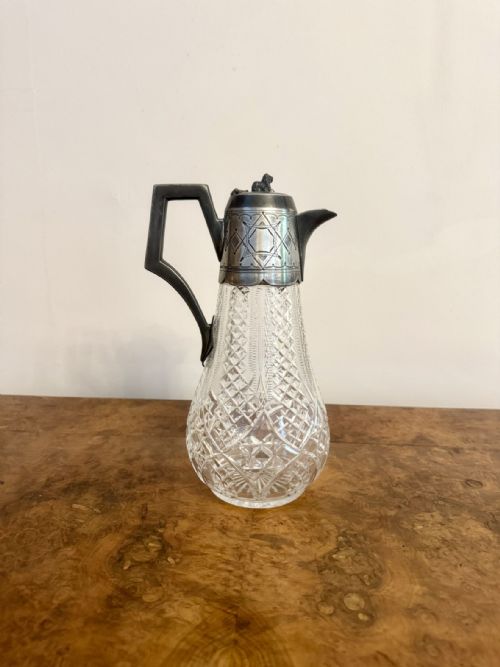
The form encompasses single bottle decanters, claret jugs, and multi-bottle tantalus sets housed in oak or walnut frames. Edwardian and Victorian iterations appear frequently, often featuring cut glass patterns designed to catch the light.
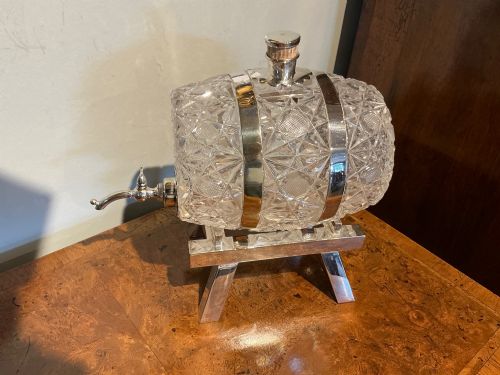
The phrase also extends to related barware such as spirit barrels, cocktail shakers, and scent bottles mounted in sterling silver or silver plate.
Materials and construction
Vessels are formed from heavy cut glass or crystal, frequently moulded or hand-cut with flutes, hobs, and geometric patterns to maximise brilliance. This glass is paired with mounts of sterling silver or silver plate, sometimes enclosing wooden frames of oak, coromandel, or burr walnut.
Silversmiths shaped collars, stoppers, and mounts to fit individual bottle necks precisely, often adding hinged lids, bacchus masks, or serpent handles. Hallmarks stamped into the metal indicate the assay office, maker, and year of production.
Silver Crystal Decanter Retail Price Guide 2026
Typical asking prices for silver crystal decanter among the pieces listed under this phrase on Sellingantiques today, from the lower quarter to the upper quarter. They describe what is for sale here now, not the wider market.
Assessing craftsmanship and finish
Quality rests in the depth and crispness of the glass cutting, the weight of the metal mounts, and the balance of the overall object. Superior examples feature intricate hand-cut facets that remain sharp to the touch, alongside heavy gauge silver or thick silver plate.
Maker attribution elevates certain pieces, particularly those bearing the marks of established silversmiths or retailers. The integration of mechanical locking mechanisms in tantalus sets, or fitted wooden cases with complete sets of glasses, also marks out finer productions.
Asprey and Co. Ltd·Walker and Hall·Hukin and Heath·Elkington·William Hutton and Sons
The Silver Crystal Decanter Glossary
- Tantalus
- A locked wooden frame holding decanters securely so the contents cannot be poured without a key. Named after the mythological figure, it kept expensive spirits safe from household staff.
- Claret jug
- A pouring vessel specifically designed for red wine, typically featuring a handle, hinged silver lid, and a wide crystal body. Many Victorian and Edwardian examples utilise figural mounts such as Bacchus masks.
- Sterling silver
- An alloy consisting of ninety-two point five percent silver and seven point five percent other metals, usually copper. Pieces made from this standard bear official assay hallmarks.
- Silver plate
- A base metal, often copper or Britannia metal, coated with a thin layer of pure silver. This technique allowed makers to produce ornate vessels at a lower cost than solid silver.
- Cut crystal
- Glass containing lead oxide, which increases weight, clarity, and the dispersion of light. The facets are ground and polished by hand on a wheel.
Silver Crystal Decanter: Frequently Asked Questions
How do I clean an old decanter?
Residue inside glass vessels can be removed using warm water and specialised cleaning beads, avoiding harsh abrasives that scratch the surface. Metal mounts require gentle polishing with a soft cloth to preserve the patina and hallmarks.
Submerging silver-mounted pieces in water should be avoided to protect the cement securing the collar to the glass neck.
Are these decanters safe for modern use?
Most vintage and antique glass vessels remain suitable for holding wine and spirits, provided the interior is clean and free from cloudiness. Crystal manufactured prior to certain modern standards may contain trace amounts of lead, though brief contact with liquid poses minimal risk.
Original glass stoppers are individually ground to fit their specific necks and should not be swapped between bottles.
How can I date a silver collar?
British silver mounts feature hallmarks that include a date letter indicating the exact year of assay. Additional stamps show the lion passant for sterling standard and specific maker marks.
Unmarked metal mounts or those stamped with EPNS indicate silver plate rather than solid silver, pointing towards specific manufacturing periods.
What is a tantalus set?
A tantalus is a locking cabinet or stand that restrains the stoppers of decanters so the bottles cannot be removed when locked. They became popular in gentleman's studies and dining rooms during the Victorian and Edwardian eras.
Many incorporate wooden bases made from oak or walnut, occasionally paired with games compendiums or compartments for glasses.