


Silver Card Case Box
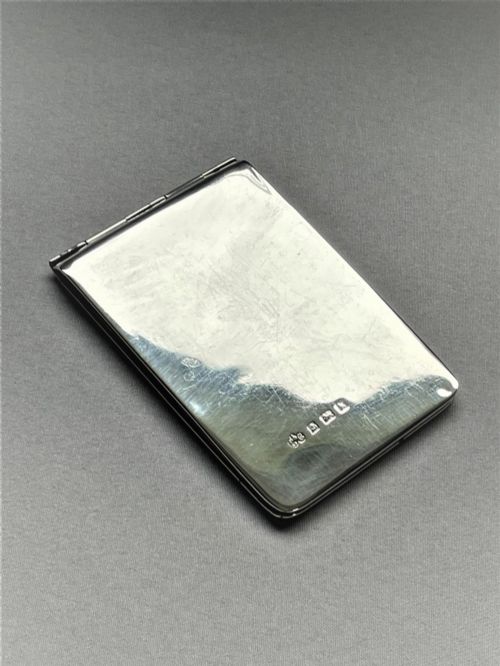
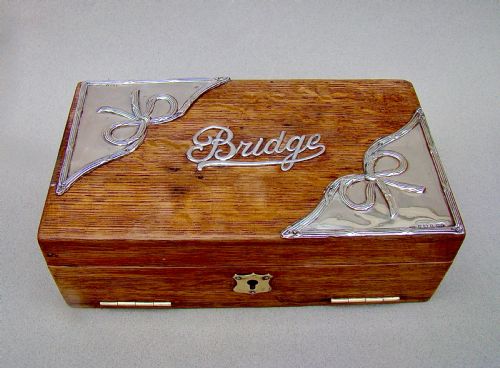
When you search for a silver card case box, you are looking at tactile pocket and desk pieces designed to hold calling cards, cigarettes, and playing cards.
Silver Card Case Box
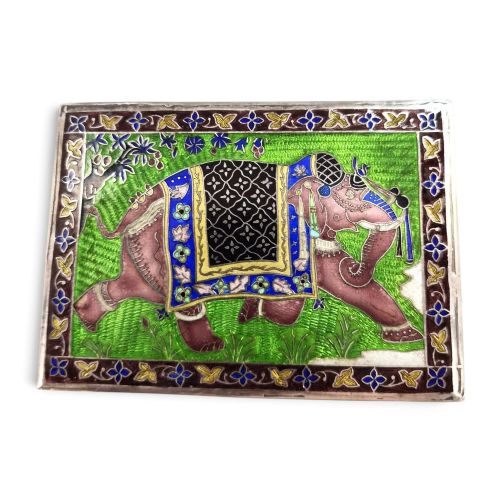
Many examples double as multi-purpose items, incorporating compartments for stamps, memo notes, or gaming counters. The selection includes domestic English sterling silver alongside Indian Colonial, Ottoman, and Continental items.
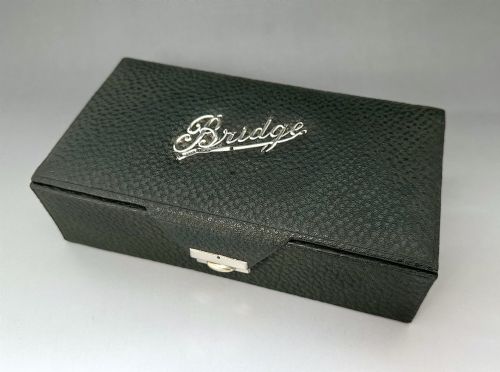
Pocket card cases often feature hinged lids and engraved decoration, while larger boxes provide velvet or leather interiors to protect playing cards and bridge accessories.
Materials and Techniques
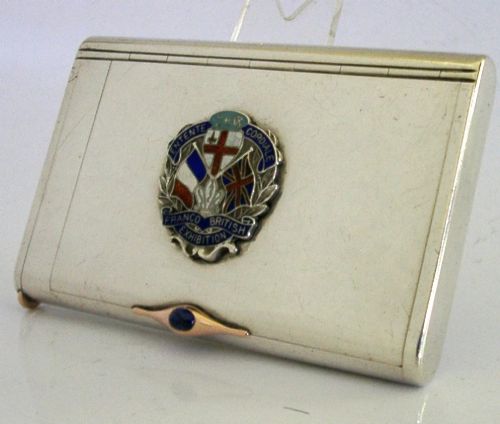
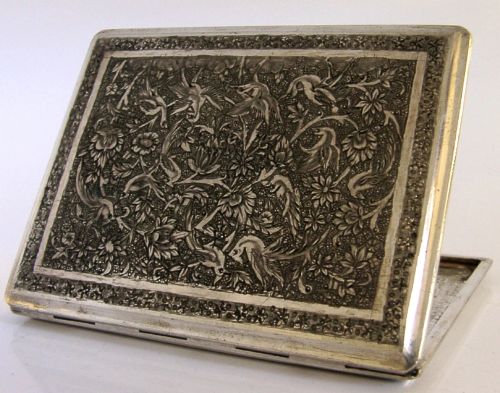
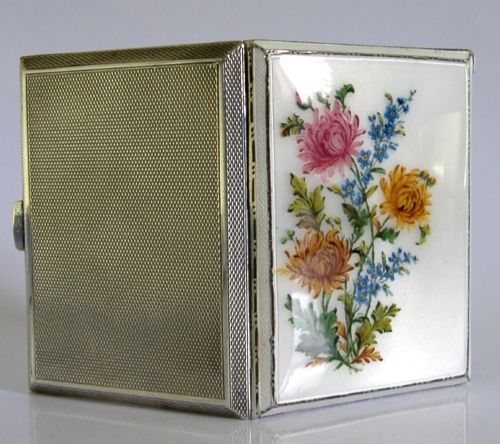
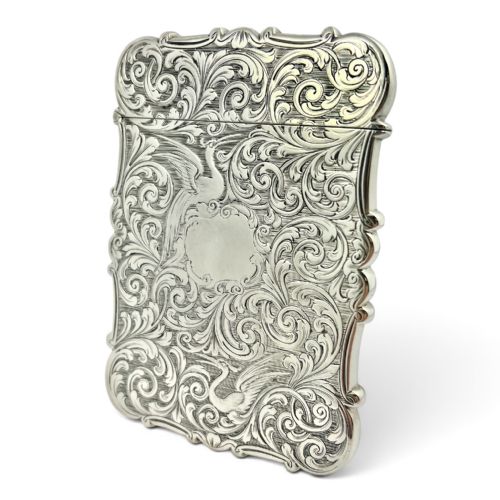
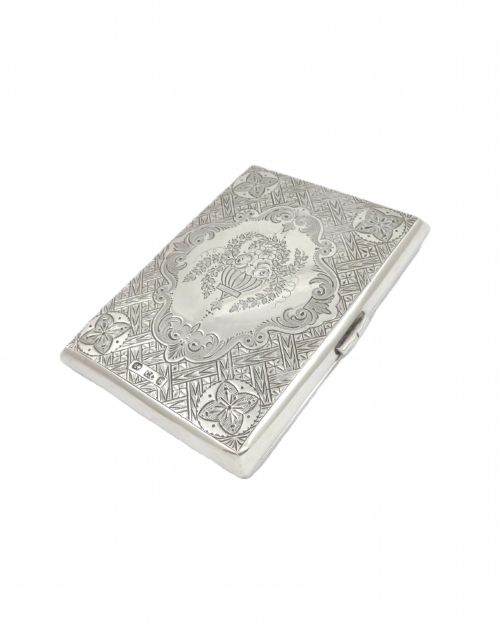
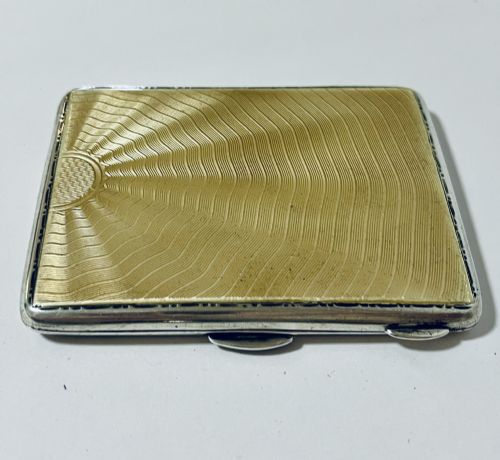
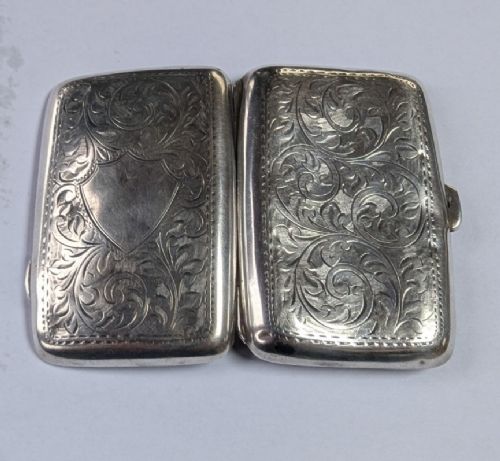
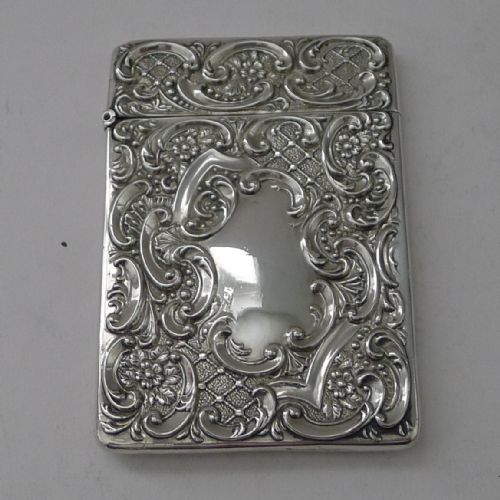
Makers shaped sterling silver and solid silver through casting, hammering, and engine turning to create textured geometric patterns. Surface decoration frequently relies on hand engraving, repoussé relief work, and applied enamel.
Interior compartments combine silver gilt linings with supplementary materials such as leather, velvet, wood, glass, and tortoiseshell. Some pieces integrate gold accents, mother of pearl inlay, or niello work to contrast with the polished silver exterior.
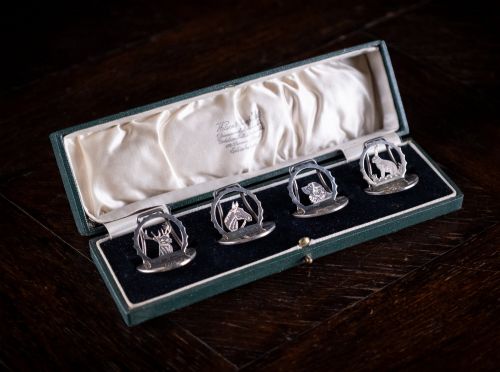
Elephants, stags, dogs, and chrysanthemum flowers frequently peer out from the silver surfaces of these pocket boxes.
Assessing Quality
Quality rests on the crispness of the hand engraving and the depth of repoussé work, where sharply defined architectural scenes or animal motifs show superior hand skills. The weight of the metal and the snugness of the hinge action indicate the original maker's investment of time and material.
The integration of secondary materials like enamel, tortoiseshell, or gold highlights finer workshop production. Pieces that retain fitted interior linings and clear hallmarks demonstrate better preservation and provenance.
Nathaniel Mills·A. Wilcox·Levi & Salaman·Cartier·George Unite·Edward Edwards·Foxall & Co·Liberty & Co
The Silver Card Case Box Glossary
- Castle top
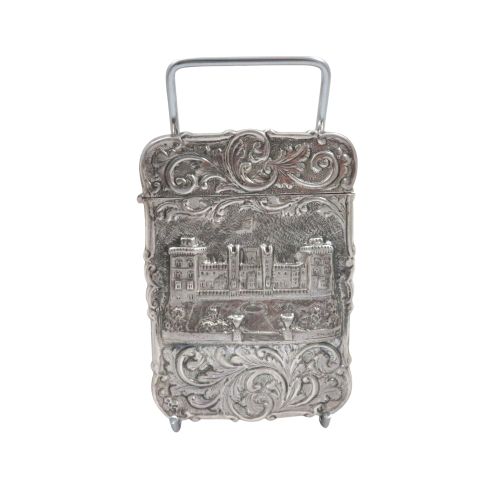
- A silver card case featuring a high-relief engraving of a famous building or landmark on the cover. These architectural scenes are typically associated with Victorian makers such as Nathaniel Mills.
- Vesta case
- A small pocket container originally designed for holding matches and a striking surface. They frequently share pocket space and decorative styles with contemporary card cases.
- Repoussé
- A metalworking technique where the artisan hammers the design from the reverse side to form a raised relief on the front. This method creates tactile, highly dimensional floral or figural scenes.
- Gilt
- A thin layer of gold applied to the interior surface of a silver object. This process protects the metal from tarnishing when exposed to contents like tobacco or matches.
- Engine turned
- A geometric pattern mechanically engraved into the metal surface using a lathe. This technique produces precise, repeating lines that catch the light.
Silver Card Case Box: Frequently Asked Questions
What is a castle top card case?
A castle top card case is a Victorian silver piece featuring a detailed high-relief engraving of a specific landmark on the lid. Windsor Castle and St Paul's Cathedral are prominent examples seen on these covers.
These pieces required advanced hand-chasing skills to achieve photographic architectural detail in miniature form. They represent some of the most sought-after examples of mid-nineteenth-century silverwork.
How were card cases used?
Victorian and Edwardian gentlemen and ladies used card cases to store calling cards for social visits. Leaving a card was an essential ritual of polite society.
As social habits shifted, many similar pocket forms were adapted to hold cigarettes, stamps, or gaming notes. Their slim profiles allowed them to be carried easily in pockets or evening bags.
What materials accompany the silver?
Makers frequently paired silver with leather, velvet, enamel, and tortoiseshell to add colour and texture. Interiors often featured gold washes or silk linings to cushion fragile paper contents.
Desk boxes might also incorporate wood carcasses, glass inkwells, or mother of pearl inlay. These mixed-media pieces highlight the decorative versatility of late nineteenth and early twentieth-century workshops.
How do I care for silver boxes?
Silver boxes require gentle cleaning with a soft cloth to preserve delicate engravings and applied enamel work. Avoid abrasive polishes that can wear down thin relief details and hallmarks.
Keep lined boxes away from excessive moisture to protect internal leather, velvet, or wooden components. Proper ventilation helps prevent tarnish buildup on display.