

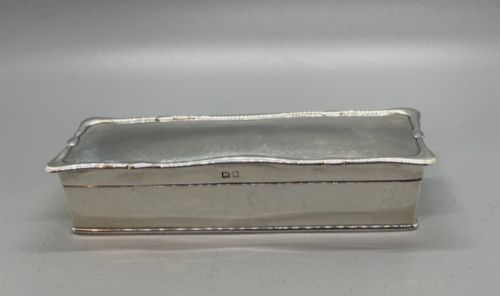
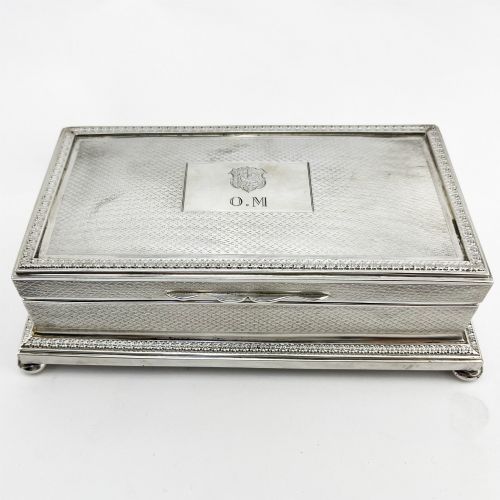
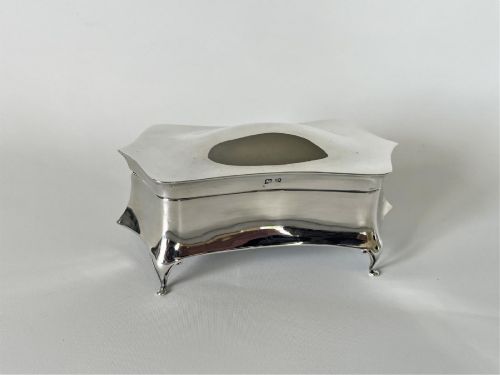
Silver Dress Trinket Box
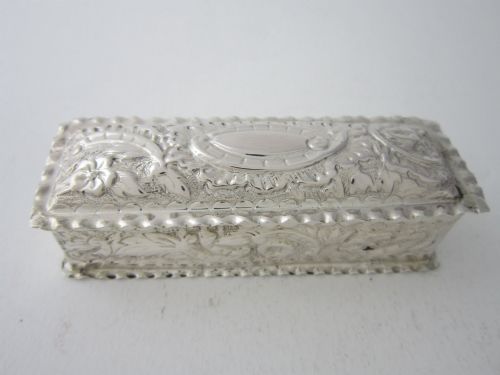
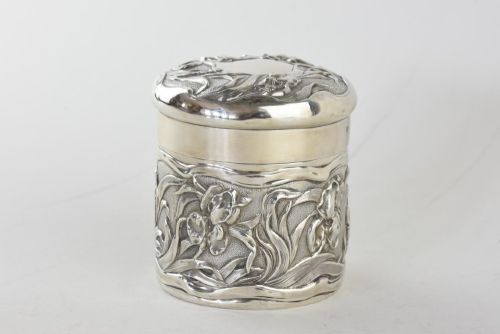
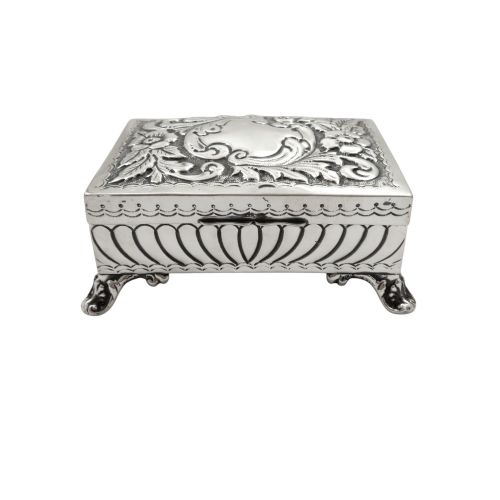
A silver dress trinket box holds dressing table pins and rings, bringing tangible period weight and polished metal to a quiet bedroom surface.
Silver Dress Trinket Box
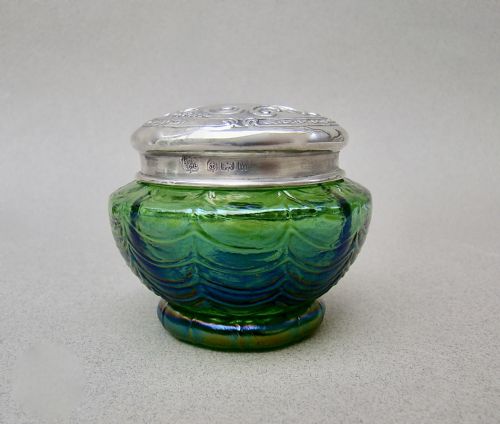
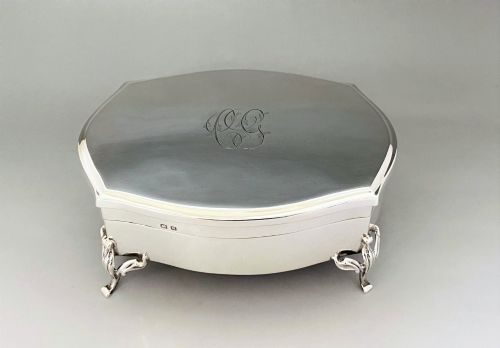
A silver dress trinket box encompasses small lidded containers, dressing table jars, and vanity pots designed to hold jewellery, pins, and cosmetics on a bedroom surface. The pieces appearing here span from the late Victorian and Edwardian eras through the George V period and into Art Deco designs.
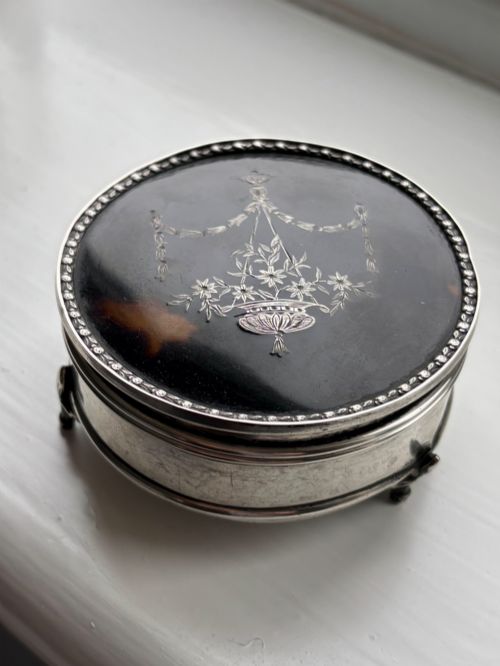
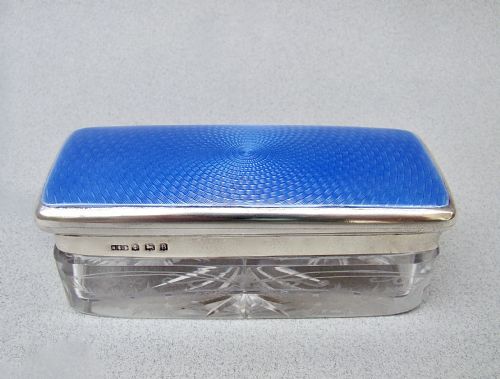
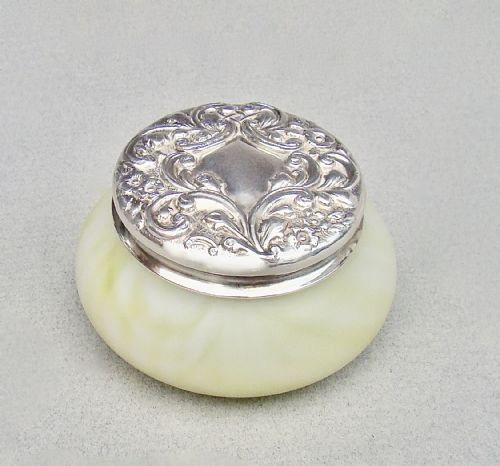
The dominant forms are sterling silver and solid silver boxes featuring hinged or removable lids, frequently combined with glass, crystal, or tortoiseshell bodies. Buyers meet heart-shaped rings boxes, oval vanity pots, and large fitted jewellery containers alongside glass jars with heavy silver tops.
Origin points range from English provincial assay offices in Birmingham and Chester to London workshops, alongside continental pieces such as German Hanau silver and French crystal containers. These items served a functional daily role on dressing tables, resulting in a wide variety of surviving shapes and decorative styles.
Materials and technique
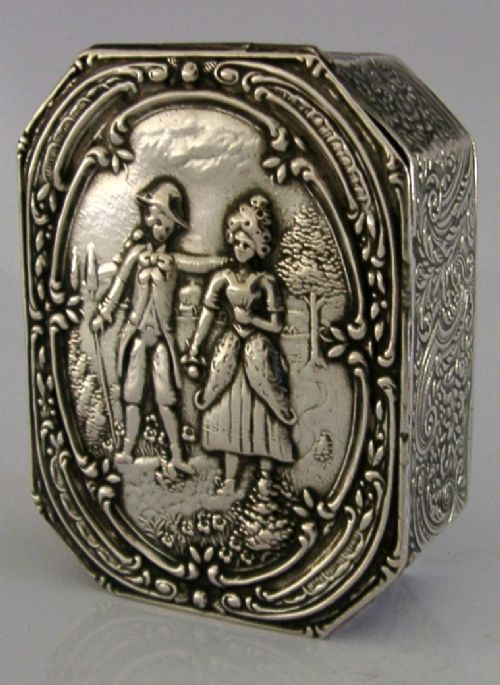
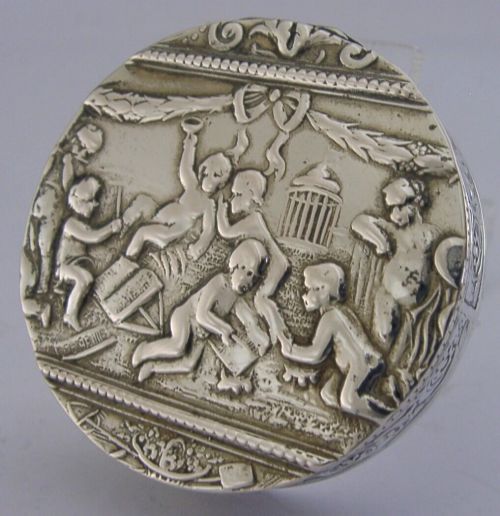
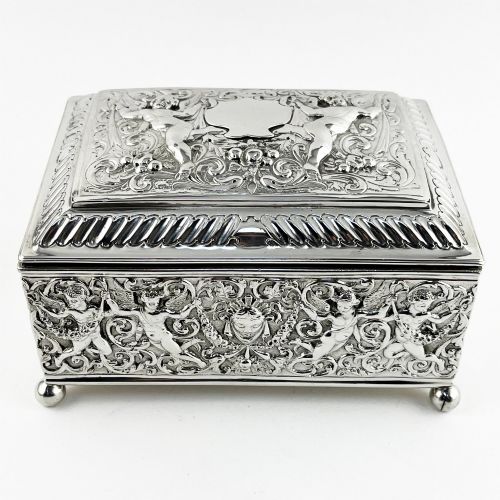
Silversmiths constructed these boxes using sterling or solid silver for the lids, mounts, and bodies, often shaping the metal through repousse work, piercing, or cast figural scenes. Many examples incorporate glass, cut glass, satin glass, or crystal bases that provide heavy structure beneath the silver mounts.
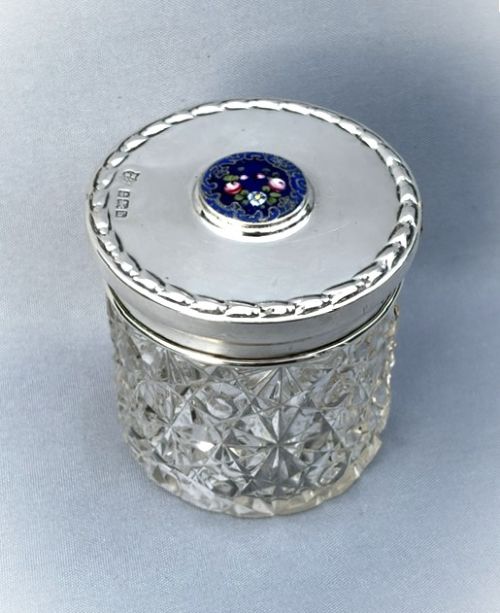
Decorative surfaces frequently display applied enamel, guilloche enamel, or polished tortoiseshell with pique work inlay secured into the silver framework. Makers utilised hinged mechanisms and interior fabric linings of velvet or satin to protect delicate jewellery stored within.
Assay marks from Birmingham, Chester, and London trace the English origins of these dressing table pieces.
What separates the grades
Quality rests in the weight of the metal and the precision of the joinery between the silver lid and the glass or silver body. Heavy gauge silver resists bending, while crisp chasing and deep repousse relief show the hand of a skilled silversmith rather than mass stamping.
The integration of secondary materials defines the tier of the piece, from simple clear glass to deeply cut crystal, flawless guilloche enamel, or genuine tortoiseshell with intricate inlay. Well-preserved interior linings and fully legible assay hallmarks add substantial weight to an individual item.
A. J. Pepper & Co·Henry Clifford Davis·A. Bromet & Co·Goldsmiths and Silversmiths Company·Paul Storr·William Comyns·Mappin & Webb·Henry Matthews·William Griffiths
The Silver Dress Trinket Box Glossary
- Guilloche enamel
- Enamel applied over engine-turned metalwork that creates a repeating geometric pattern beneath the translucent coloured surface. This technique appears frequently on Art Deco dressing table jars.
- Repousse
- Metalworking technique where the silver is hammered into relief from the reverse side. Edwardian and Victorian boxes often feature floral or scrollwork created in this manner.
- Pique work
- The practice of embedding tiny gold or silver pins into tortoiseshell to form delicate patterns. This painstaking decoration marks high-end vanity items.
- Assay office
- An official body that tested precious metals and stamped items with hallmarks denoting purity and year of manufacture. Birmingham, Chester, Sheffield, and London offices appear regularly on these pieces.
- Silver gilt
- Silver covered with a thin layer of gold on its surface. This finish provides a warm interior or exterior tone on select continental and English boxes.
Silver Dress Trinket Box: Frequently Asked Questions
What were silver dress trinket boxes used for?
These boxes served to hold small personal items on dressing tables, including rings, hairpins, brooches, and vanity accessories.
Their soft velvet interiors protected delicate pieces from scratches during daily routines.
How do I date a silver trinket box?
Assay hallmarks stamped into the silver provide the exact year of manufacture and the city where the piece was tested.
Style indicators like Art Deco geometric lines or Victorian repousse scrolls also point to specific decades.
Are tortoiseshell lids fragile?
Tortoiseshell requires careful handling to prevent drying out or cracking in fluctuating household humidity.
Keeping these pieces away from direct sunlight preserves the rich amber and brown tones of the material.
What is the difference between a trinket box and a vanity jar?
Trinket boxes generally feature solid silver or wood bodies with hinged lids designed for loose jewellery and keepsakes.
Vanity jars combine glass or crystal vessels with heavy silver screw-on or push-fit lids intended for powders and creams.