




Silver Cap Scent Bottle
These silver cap scent bottle pieces are dressing table essentials that bring tactile weight and historic glasswork to a room.
Silver Cap Scent Bottle
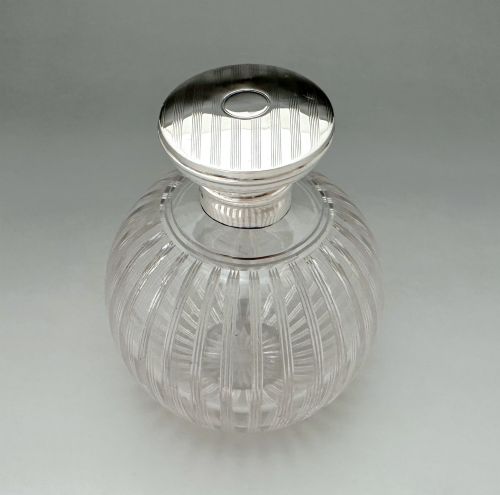
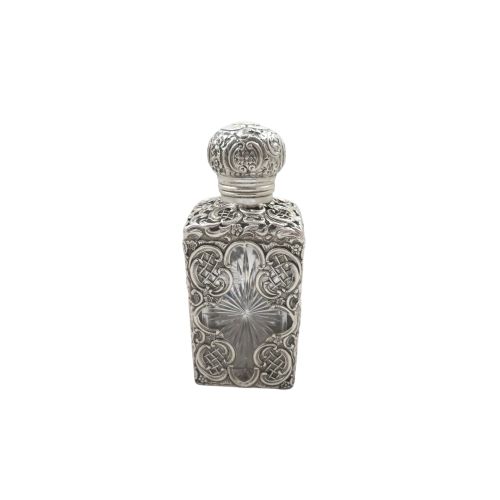
A silver cap scent bottle combines a glass reservoir with a precious metal screw or hinged lid, designed for vanity use from the Victorian period through the Edwardian era. You will most frequently encounter cut glass and sterling silver examples dating from the 1870s to the early 1900s.
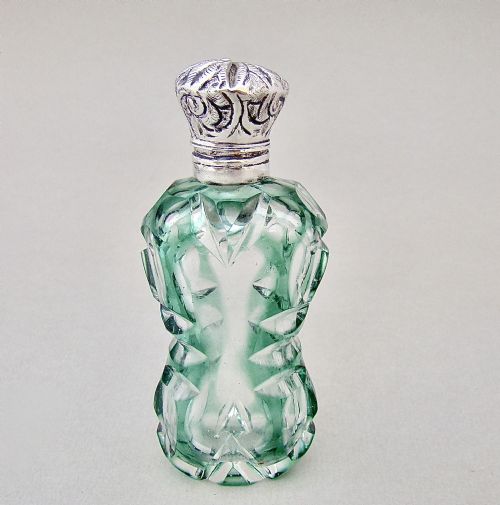
The body forms range from simple tall vanity jars and miniature champagne bottles to faceted double-end flasks and figural shapes such as owls. Many utilise coloured glass including cranberry, teal, amethyst, and layered overlays.
Makers produced these accessories for dressing tables across England and France, incorporating materials like leather and velvet alongside the core glass and silver elements.
Materials and Craftsmanship
Glass bodies were mouth-blown, often into moulds or cased with multiple layers of coloured glass, then subjected to wheel-cutting and facet-polishing to achieve deep geometric patterns. Overlay techniques required fusing a coloured glass layer over a clear or contrasting body before cutting through the top layer to reveal the ground beneath.
The precious metal components combine sterling silver mounts and caps, sometimes shaped as repoussé or chased covers, secured to glass necks with cork or ground stoppers inside. Speciality pieces integrate natural textures such as crocodile or alligator leather around the glass body.
Judging Quality
Quality rests in the depth and crispness of the glass cutting, where sharp facets catch the light and heavy lead crystal provides substantial heft in the hand. The precision of the silver mount fit and the clarity of the coloured glass layers distinguish finer workshop output.
Unusual structural forms, such as figural designs, double-ended configurations, or complete cased sets, elevate a piece above standard cylindrical or panel-cut vanity bottles.
The Silver Cap Scent Bottle Glossary
- Overlay glass
- A technique where a layer of coloured glass is fused over a contrasting body and partially cut away to create contrasting patterns. This method produces striking two-tone visual effects on Victorian vanity bottles.
- Repoussé
- A metalworking method where silver is hammered from the reverse side to form raised relief designs on the cap. This technique adds tactile ornamentation to dressing table accessories.
- Double end
- A scent bottle featuring stoppers and caps at both extremities, often housing two distinct compartments for different perfumes. These symmetrical flasks represent clever nineteenth-century vanity engineering.
- Cranberry glass
- Transparent glassware coloured by the addition of gold chloride into the molten batch, yielding a rich pinkish-red hue. It appears frequently in decorative scent bottles of the late nineteenth century.
Silver Cap Scent Bottle: Frequently Asked Questions
How do I date a silver cap scent bottle?
Dating relies primarily on hallmarks stamped into the silver mounts, which reveal the assay office, standard, and exact year of production. Stylistic cues such as faceted cranberry glass or figural owl designs also point towards specific decades like the 1880s or Edwardian period.
Changes in glass colours and cutting styles further narrow down the era when combined with the metal hallmarks.
Were these bottles meant for travel?
Many smaller or double-ended examples served travellers who carried personal fragrances inside fitted leather cases or dressing bags. The sturdy screw caps and internal stoppers helped prevent leaks during carriage transport.
Larger vanity jars remained stationary on dressing tables as part of comprehensive grooming sets.
How should I clean the glass and silver?
Use a soft microfibre cloth for the silver mounts, avoiding abrasive dips that can damage the underlying metal or seep into old cement joints. Warm soapy water cleans the glass interior safely if any residue remains.
Keep moisture away from historical cork stoppers or leather casings during maintenance.
What is mercury glass?
Mercury glass is a double-walled silvered glass style where a liquid silvering solution was blown between two glass layers and sealed. This creates a reflective, mirror-like sheen rather than true mercury composition.
Examples show up in nineteenth-century decorative wares including specialised scent bottles.