



Victorian Glass Scent Phial
A victorian glass scent phial is a pocket companion of rich hue and precious metal mount, made to hold perfume close during the nineteenth century.
Victorian Glass Scent Phial
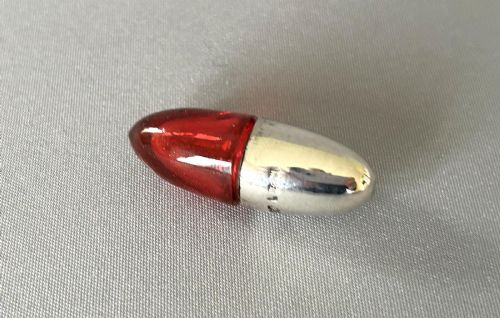
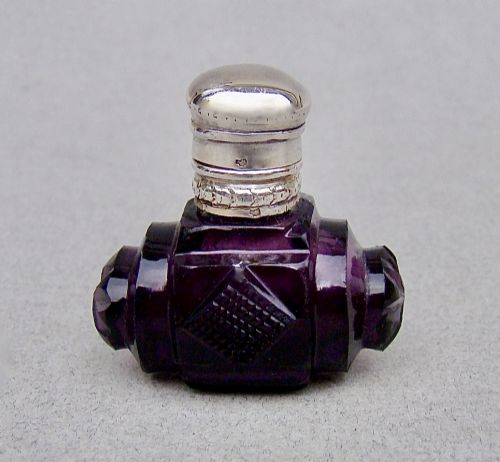
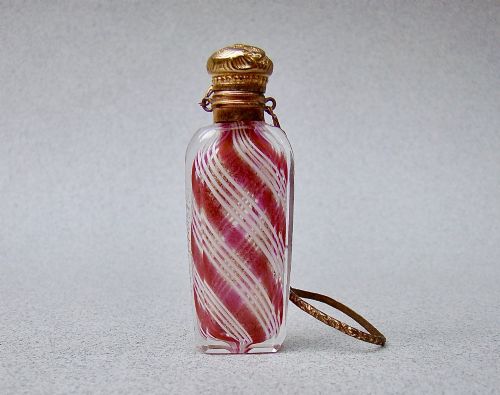
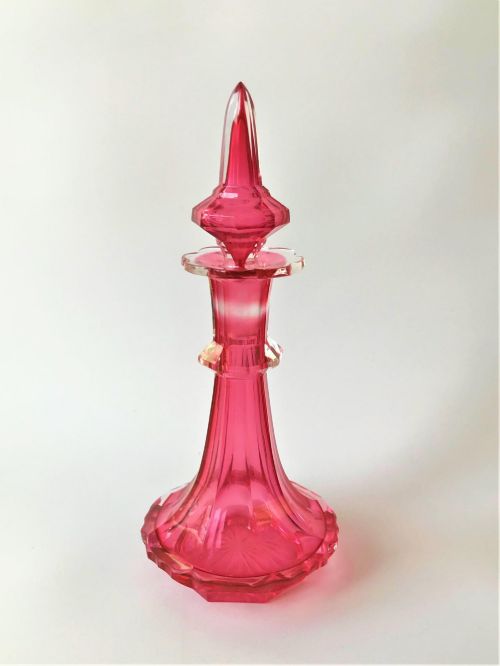
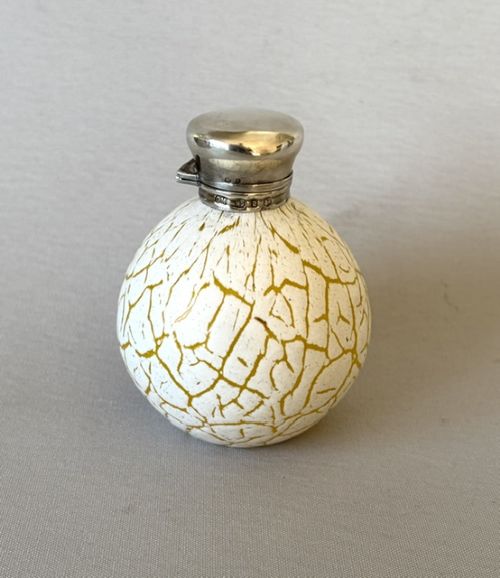
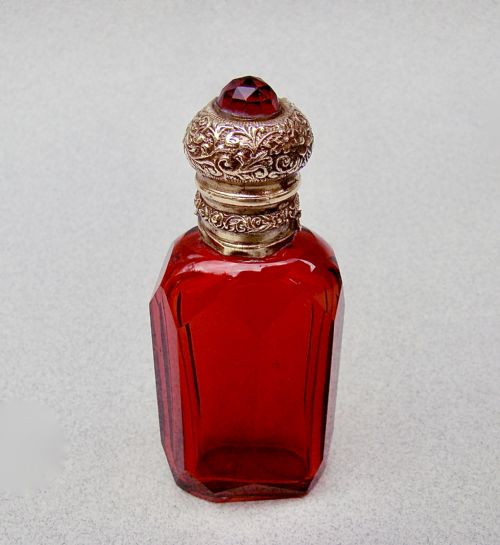
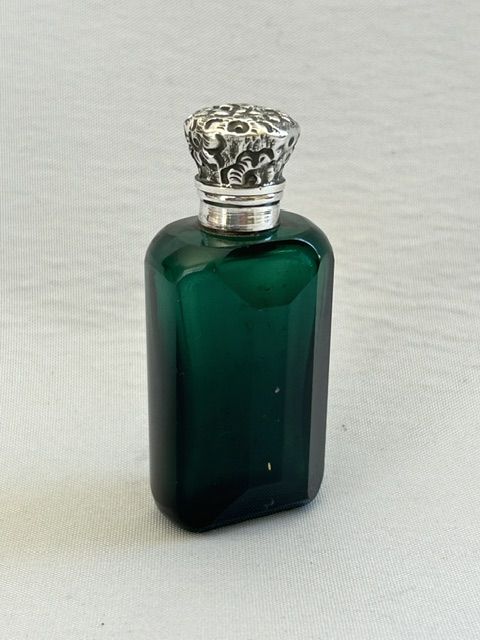
A victorian glass scent phial is a small container designed for carrying perfume, most frequently encountered in rich cranberry glass, deep Bristol blue, or translucent amethyst, often paired with sterling silver or ormolu mounts. These portable vessels date from the nineteenth century into the Edwardian era, taking forms that range from simple faceted cylinders to whimsical egg shapes and icicle silhouettes.
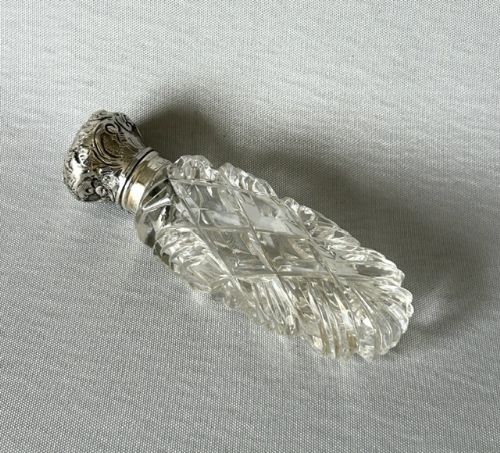
Makers in France and England produced these miniature bottles for chatelaines, pockets, and travel, utilising heavy cut glass and crackle glass alongside smooth coloured bodies. Examples often incorporate hinged silver tops, inner stoppers, and sometimes intricate Gothic or French stylistic influences.
How they were made
Glassmakers blew and moulded coloured metal into deep jewel tones like cranberry, ruby, green, and amethyst, occasionally employing intricate techniques such as glass cutting or crackle effects to catch the light. Skilled metalworkers then fashioned sterling silver, gilt brass, and ormolu mounts, securing hinged caps and collars tightly around the necks.
Victorian Glass Scent Phial Retail Price Guide 2026
Typical asking prices for victorian glass scent phial among the pieces listed under this phrase on Sellingantiques today, from the lower quarter to the upper quarter. They describe what is for sale here now, not the wider market.
What varies in quality
The distinction between ordinary and superior pieces rests upon the depth of the glass colour, the crispness of the wheel-cut facets, and the weight of the silver or ormolu mount. Heavy cast metalwork with crisp chasing and secure original hinges elevates a bottle far above lighter, plain alternatives.
The presence of a working inner glass stopper alongside a tightly closing outer cap marks a higher standard of original craftsmanship, as does the integration of unusual forms such as egg or icicle profiles.
Kate Greenaway
The Victorian Glass Scent Phial Glossary
- Chatelaine
- A decorative belt hook from which ladies suspended small household items including scent bottles and keys. It allowed practical accessories to be carried securely at the waist.
- Cranberry glass
- A rich red-pink transparent glass created by adding gold chloride to the molten batch. It remains one of the most desirable colours for nineteenth-century scent phials.
- Ormolu
- Gilt bronze or brass mounts applied to decorative objects. This technique added a warm golden contrast against deep ruby and amethyst glass bodies.
- Bristol blue
- A deep cobalt glass traditionally produced in the English port city from the eighteenth century onward. Its dark tone provided a striking contrast to bright silver mounts.
- Icicle scent bottle
- A long, tapering glass phial resembling a frozen droplet of water. These slender vessels often featured faceted sides and matching silver caps.
Victorian Glass Scent Phial: Frequently Asked Questions
How were these scent bottles used?
Owners filled these phials with concentrated perfumes to combat unpleasant odours in public spaces or to provide a refreshing scent during long journeys. The tight silver caps and inner stoppers prevented the liquid from spilling while carried.
Ladies often wore them attached to decorative waist belts alongside other daily necessities. They served both a practical aromatic purpose and a status-bearing ornamental role.
How do I date a scent bottle?
Dating relies on examining the style of the glass, the cut patterns, and particularly any hallmarks stamped upon the silver mounts. Birmingham and London assay marks provide precise years for hallmarked metal components.
Stylistic shifts also help distinguish periods, such as the heavier Gothic influences of the 1870s compared to later Edwardian silhouettes. French pieces often feature distinctive miniature proportions and ormolu details characteristic of mid to late nineteenth-century work.
How should I display them?
These small bottles are best exhibited in well-lit cabinets or on small mirrored trays where light can pass through the cranberry, blue, or amethyst glass. Grouping different shapes together highlights the variety of nineteenth-century forms.
Because of their delicate nature and precious silver mounts, they should be kept away from high traffic edges where they might be knocked over. Handling them by the body rather than relying on old hinge mechanisms helps preserve the mounts.