

Silver Bucket Wine Cooler
A silver bucket wine cooler brings functional elegance to any table, combining heavy metalwork with practical chilling capacity.
Silver Bucket Wine Cooler
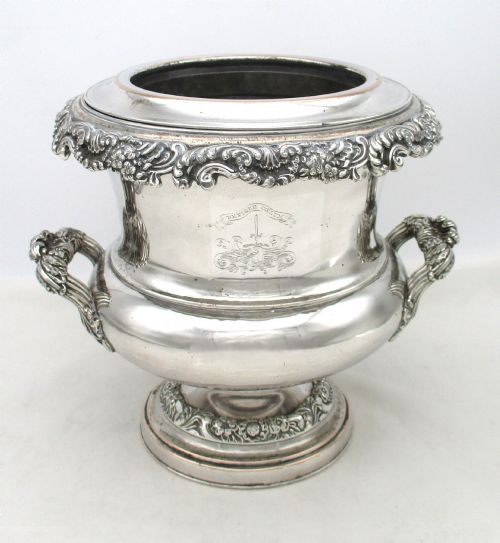
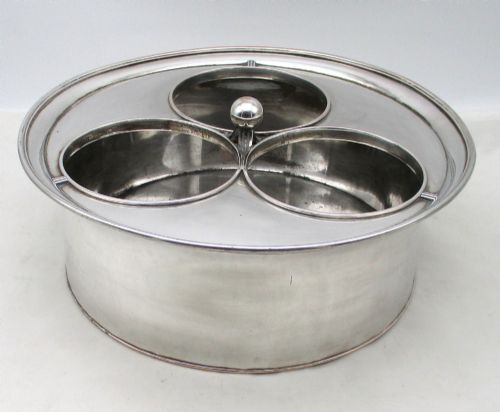
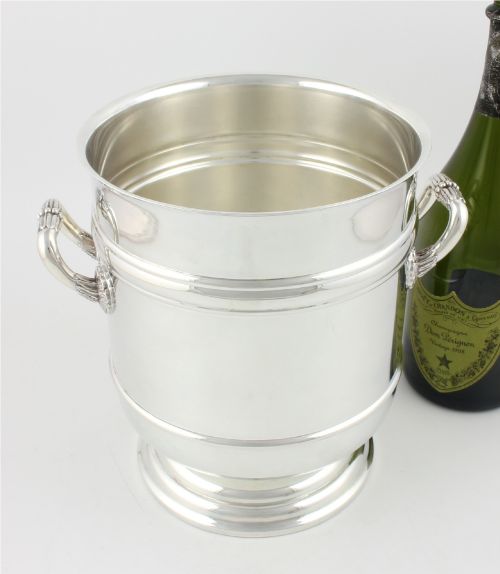
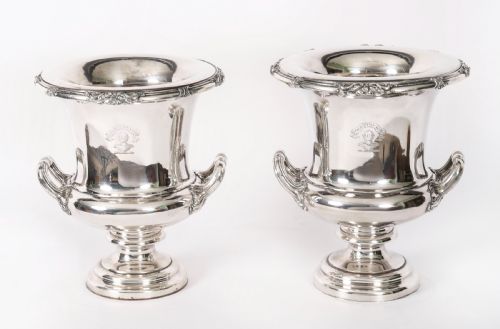
A silver bucket wine cooler functions as a vessel for chilling wine, champagne, and magnums using ice and water. These items serve both formal dining rooms and casual gatherings by maintaining beverage temperatures while making a visual statement on the sideboard or table.
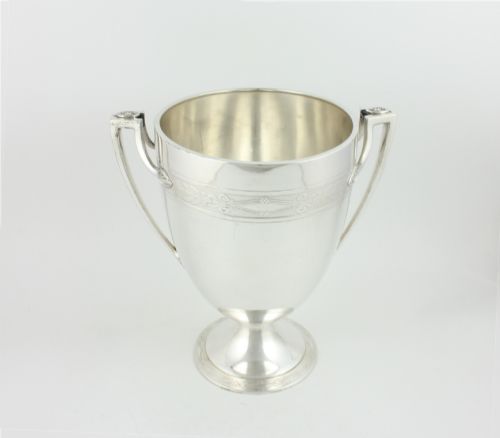
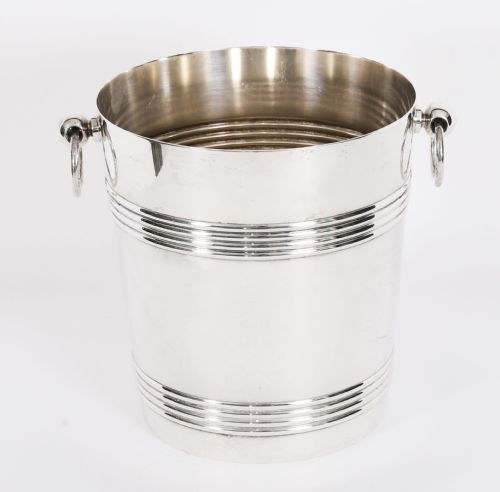
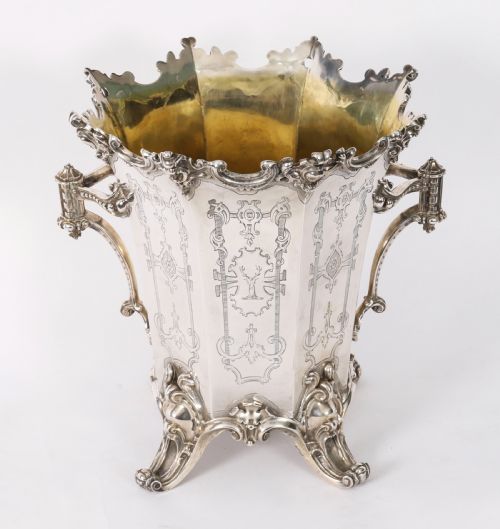
The selection ranges from early Georgian and Old Sheffield Plate vessels to Victorian Rococo Revival models and streamlined Art Deco designs. Buyers encounter everything from single-bottle pails to multi-bottle coolers and floor-standing pieces originating from English, French, and German makers.
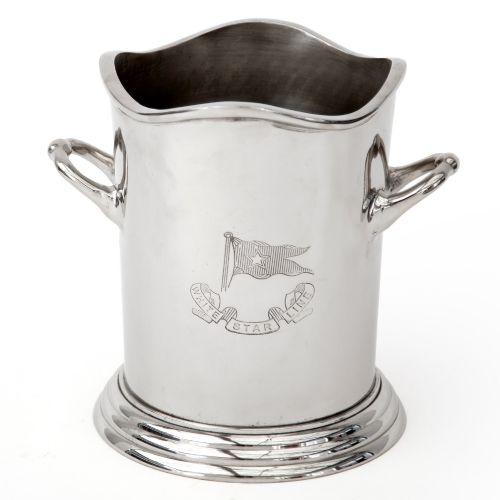
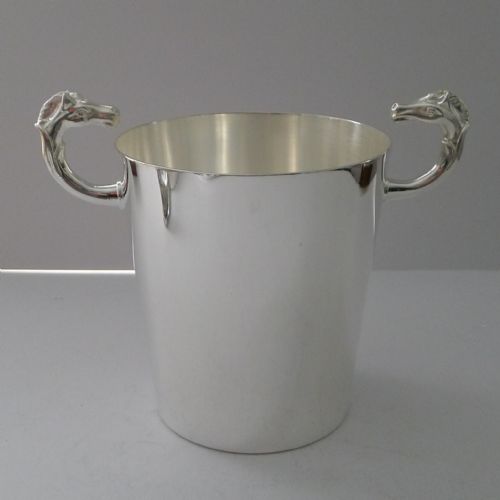
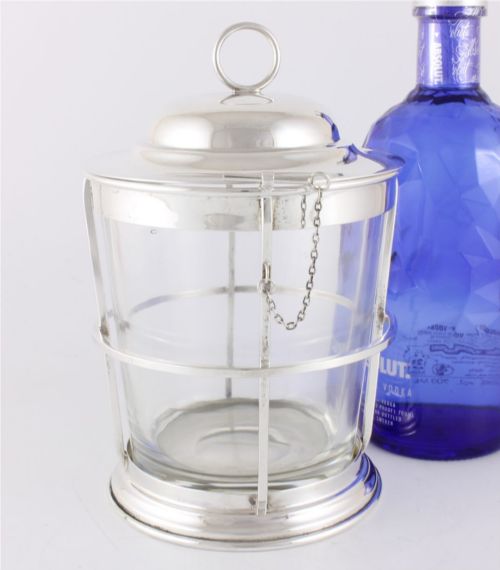
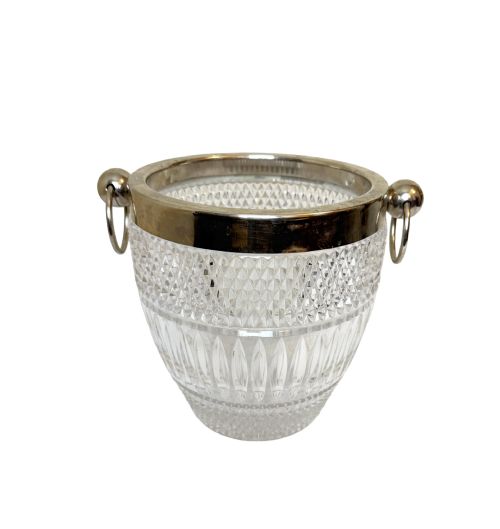
Many examples incorporate practical liners made of glass or crystal, alongside twin handles, crests, coats of arms, or novelty forms like barrels and ship's lanterns. Mid-century items often introduce playful equestrian motifs or minimalist French styling into the domestic barware collection.
How They Were Made
Makers utilised silver plate over copper, solid sterling silver, base metal, pewter, and Old Sheffield Plate, where a thin sheet of silver was fused to a copper core. This foundational metalwork was often shaped by spinning, casting, or hammering to create sturdy bucket bodies.
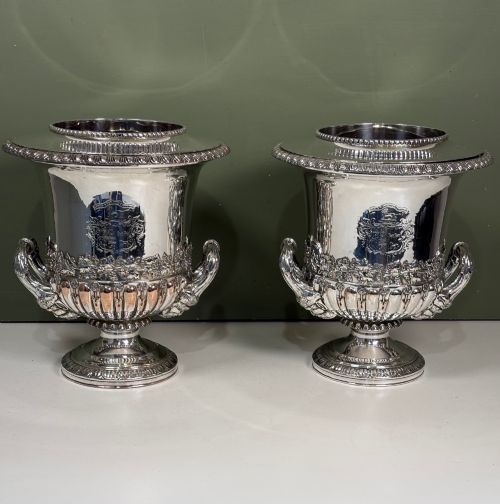
Decorative elements such as tendrils, flower heads, cherubs, dolphins, and lion ring handles were cast separately and soldered or riveted onto the body. Cut crystal glass liners and inserts were frequently paired with the metal pails to hold ice securely.
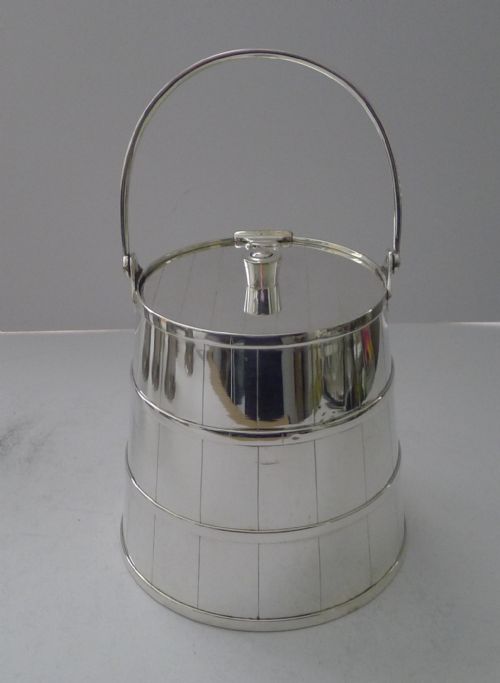
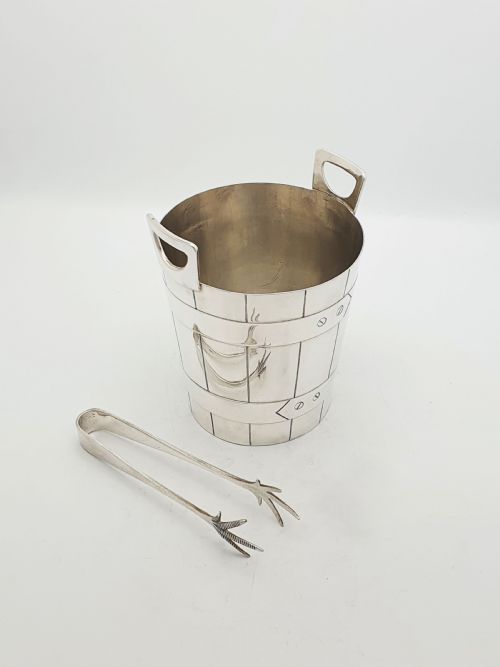
A few ice buckets take the form of ship's lanterns or wooden barrels, proving that historical hosts enjoyed a touch of maritime novelty.
What Varies in Quality
The weight of the metal and the thickness of the plating dictate the durability and substance of the vessel. Heavier gauge silver plate and solid copper cores provide better insulation and structural integrity over decades of use.
The crispness of chased details, hand-engraved crests, and cast mounts distinguishes standard production pieces from workshop masterpieces. Superior examples feature seamless construction, balanced proportions, and well-executed maker marks that confirm their provenance.
Hutton Sheffield·Hermes Paris·Christofle·Elkington Mason And Co·WMF·Mappin And Webb·Barker Ellis·Ercuis·Puiforcat·Walker And Hall
The Silver Bucket Wine Cooler Glossary
- Old Sheffield Plate
- A composite material formed by fusing a thin layer of silver to a copper base, typical of pieces produced before the invention of electroplating.
- Campagna
- A classical bell-like urn shape with a flared rim and pedestal foot, frequently seen on nineteenth-century coolers.
- Gallia
- A high-quality silver-plated alloy developed and utilised by the French manufacturer Christofle for twentieth-century tableware.
- Pail
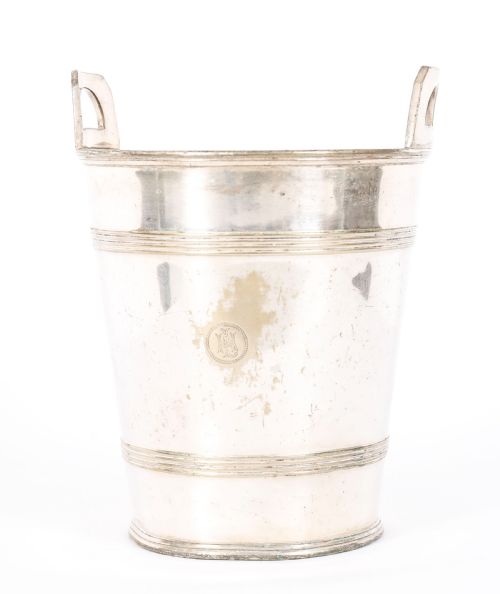
- An alternative term for an open-topped bucket vessel, often fitted with a swing handle or side rings for carrying ice or bottles.
Silver Bucket Wine Cooler: Frequently Asked Questions
How do I clean a silver bucket wine cooler?
Wash the vessel gently using warm soapy water and a soft cloth to remove dust and fingerprints. Avoid harsh abrasives that can wear away silver plating.
Dry the metal thoroughly with a soft towel to prevent water spots. Apply a specialised silver polish only when necessary to maintain the finish.
Can I use these coolers for modern wine bottles?
Most historical bucket coolers accommodate standard wine and champagne bottles comfortably. Larger multi-bottle coolers and magnum buckets easily hold wider or taller modern bottles.
Check the internal dimensions if you intend to chill oversized specialty bottles. Standard ice buckets work best with adequate ice-to-water ratios around the bottle.
How do I date an antique silver wine cooler?
Examine the style, construction techniques, and any stamped maker marks or hallmarks on the base. Georgian and Victorian pieces often display distinct neoclassical or revival motifs.
Old Sheffield Plate pieces generally date to the late eighteenth or early nineteenth century. Twentieth-century items frequently feature Art Deco geometric lines or mid-century minimalist profiles.
Are glass liners original to the buckets?
Many Edwardian and Art Deco ice pails were manufactured with fitted cut crystal or glass liners. These inserts protected the silver plating from prolonged moisture contact and melting ice.
Replacements are common, so check whether the glass fits the rim securely. Original liners often exhibit minor manufacturing bubbles or hand-cut variations.