


Signed Royal Worcester Porcelain
Signed royal worcester porcelain brings master painter artistry and fine ceramic craftsmanship together in cabinet plates, vases, and ewers.
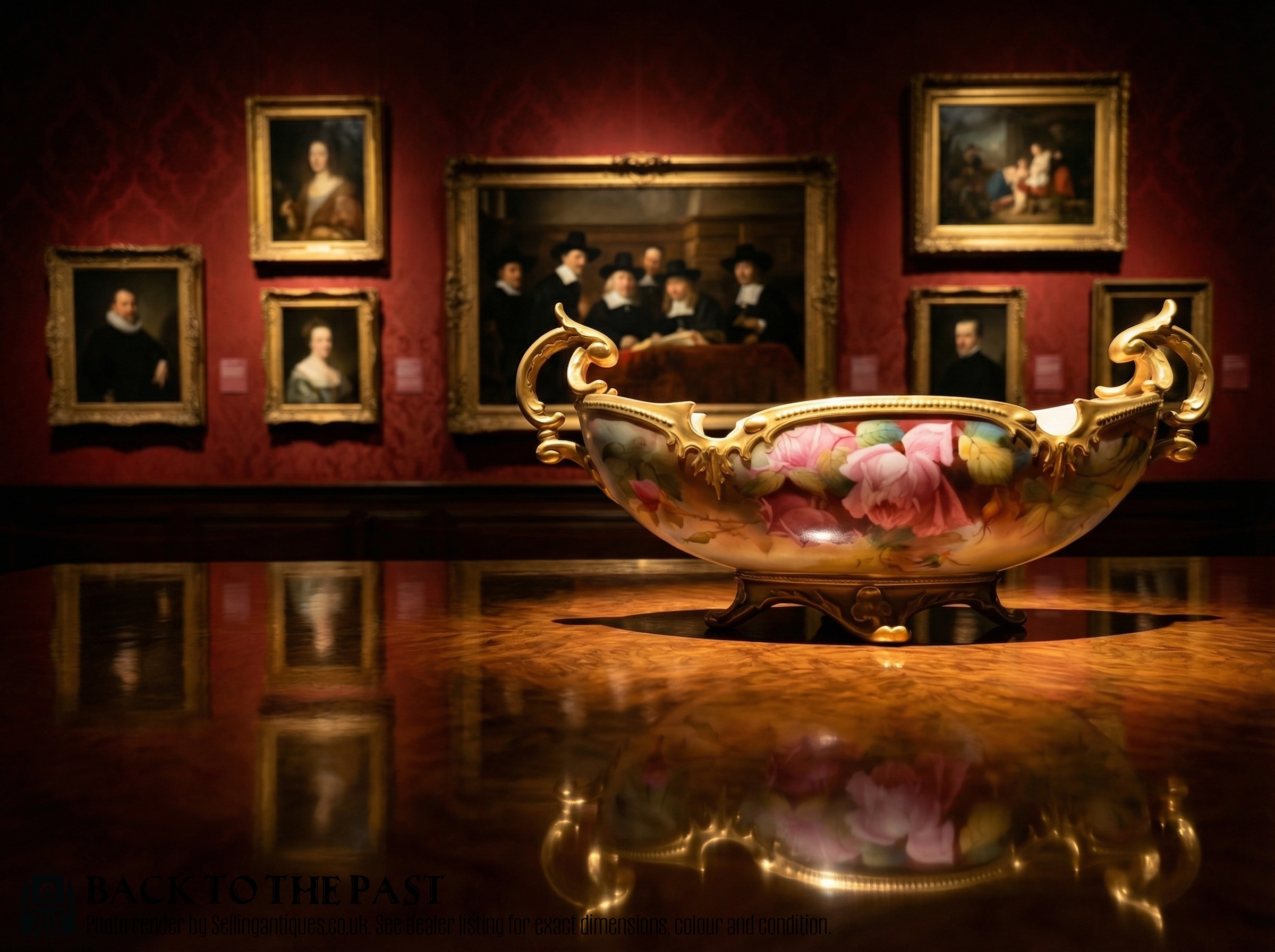
Signed Royal Worcester Porcelain
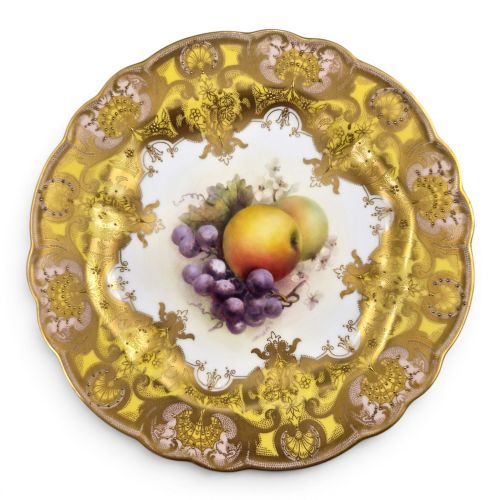
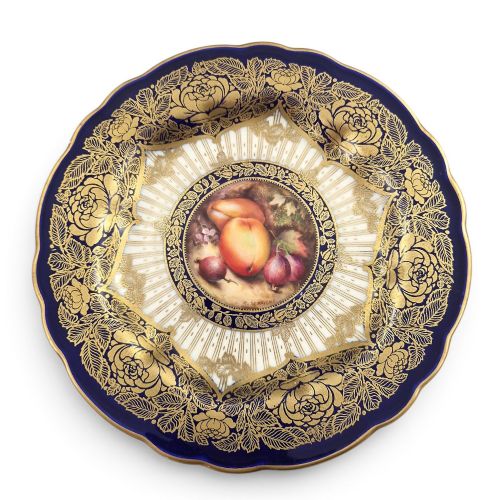
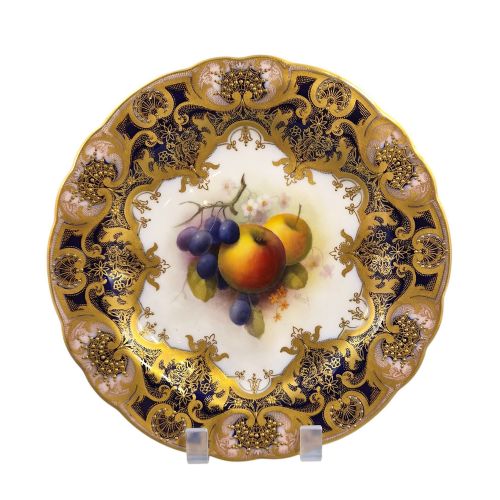
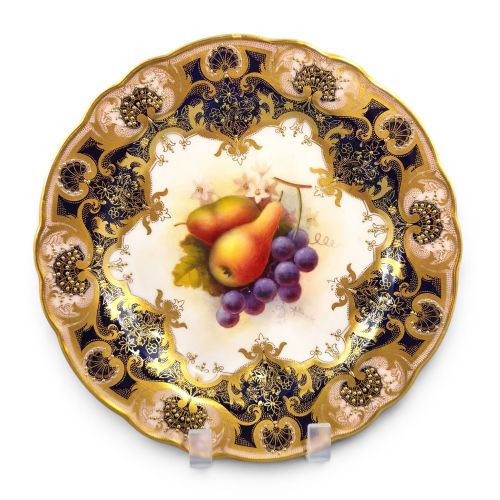
Signed royal worcester porcelain comprises decorative vessels and plates bearing the personal signature of the factory's celebrated artists. Collectors find these pieces ranging from Edwardian creations to mid-twentieth-century works produced across decades of traditional English manufacturing.
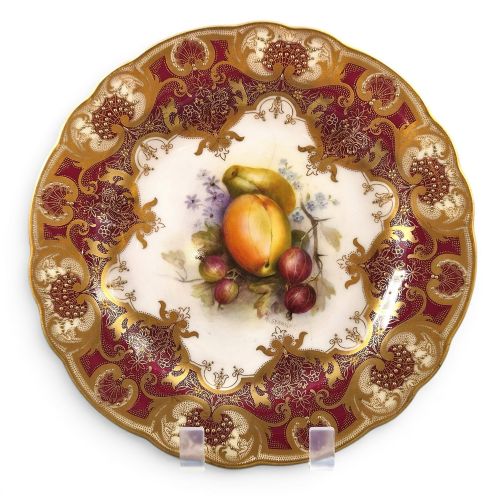
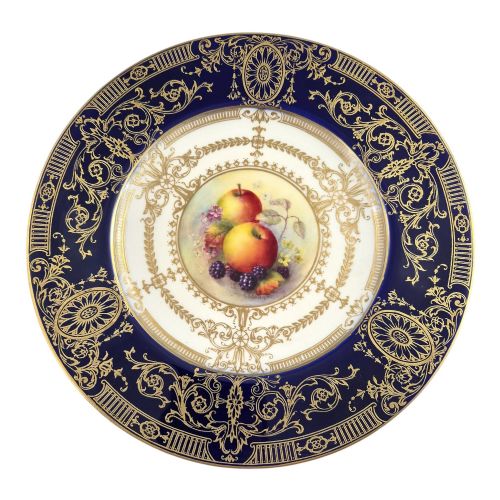
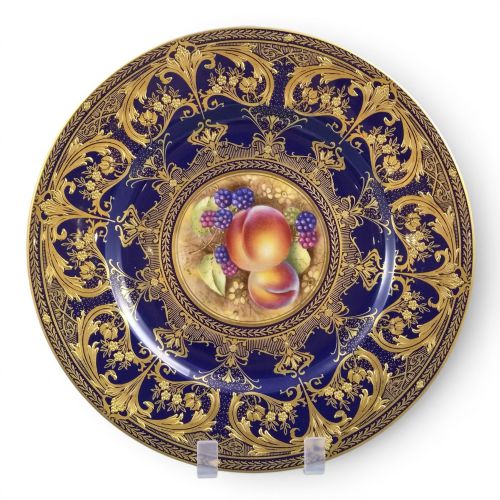
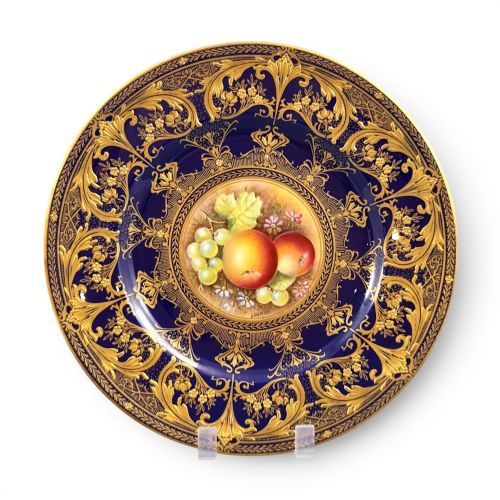
Cabinet plates and painted fruit subjects dominate the selection, often featuring rich depictions of apples, peaches, and berries against subtle backgrounds. Vases, ewers, and pot pourri containers complete the range, frequently decorated with landscapes, animals, or floral motifs by renowned hands.
Materials and production methods
The foundation rests on fine porcelain and bone china bodies, shaped into vessels or flatware before receiving meticulous hand painting. Artisans applied enamel colours directly to the ceramic surface, building depth through successive firings that locked the pigment into the glaze.
Gold leaf, gilding, and rich gold gilt accents frame the painted scenes, applied to rims, handles, and borders. These metallic finishes underwent additional low-temperature firing to achieve a durable lustre that complemented the detailed painted central motifs.
Some painters specialised so intensely in feathered game that even stray brushhairs seem to mimic the texture of a pheasant's wing.
Assessing quality in painted ceramics
Quality rests primarily on the skill of the individual artist and the complexity of the subject matter. Pieces featuring elaborate fruit studies or detailed animal portraits by recognised painters demonstrate superior brushwork and compositional balance compared to simpler floral decorations.
The application of the surrounding gilding also marks the tier of a piece, with heavy raised gold leaf work indicating high craftsmanship. Well-preserved enamel colours retain their vibrancy without fading, maintaining the visual impact intended by the decorator.
Richard Sebright·Albert Shuck·Brian Leaman·H Ayrton·J Southall·James Stinton·H Davis·Freeman·P Love·J Smith·William Ricketts·K Blake·G Johnson·Harry Davis·James Hadley
The Signed Royal Worcester Porcelain Glossary
- Cabinet Plate
- A decorative ceramic plate intended for display in a cabinet rather than for dining use. These items frequently showcase the finest hand-painted artwork produced by the factory.
- Ewer
- A large jug with a wide spout and ornate handle, historically used for pouring water but valued here as an ornamental form. Signed examples often feature scenic landscapes or botanical studies wrapped around the body.
- Pot Pourri
- A decorative vessel pierced with holes in the lid to release the scent of dried flowers held inside. These containers often feature intricate crown tops and detailed hand-painted decoration.
- Spill Vase
- A tall, narrow cylindrical vessel designed to hold slender tapers used for lighting fires or candles. They provide a vertical surface suited for detailed animal or landscape paintings.
Signed Royal Worcester Porcelain: Frequently Asked Questions
How do I identify a signed piece?
Look for the artist's handwritten signature near the edge of the painted scene or incorporated into the landscape details. These signatures usually appear alongside the standard factory backstamp underneath the glaze.
Familiarising yourself with the specific handwriting styles of prominent decorators helps confirm authenticity. Comparison with documented factory archives provides further certainty regarding the origin of the signature.
What subjects are most common?
Botanical studies of fruit, particularly apples and berries against mossy backgrounds, form the largest group of decorated wares. Animal scenes depicting sheep, pheasants, and cattle also appear frequently across vases and plaques.
Traditional floral sprays and pastoral landscapes make up the remaining major categories. Each subject reflects the specialised training of the individual studio painters employed by the works.
How should I display these items?
Cabinet plates require sturdy vertical stands or dedicated wall mountings designed for heavy ceramics. Vases and ewers benefit from placement on stable surfaces away from direct sunlight to protect the enamel colours.
Enclosed display cabinets offer protection from dust while allowing adequate viewing angles for the detailed gilding. Maintaining stable indoor temperatures prevents thermal stress to the antique porcelain body.
Are these items suitable for daily use?
These decorative objects are intended for display rather than functional dining or serving purposes. The delicate hand-painted enamels and gold leaf borders can suffer abrasion from regular handling and washing.
Gentle dusting with a soft, dry cloth is sufficient for maintenance. Harsh detergents or immersion in water risk damaging the historic gilt surfaces and painted details.