



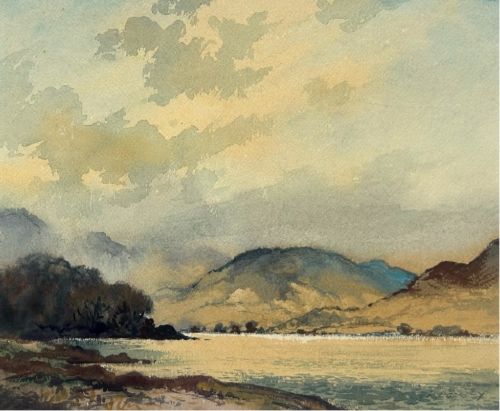
Signed British Landscape Painting
When buying a signed british landscape painting, collectors seek verified artistic authorship alongside historical depictions of the countryside and coast.
Signed British Landscape Painting
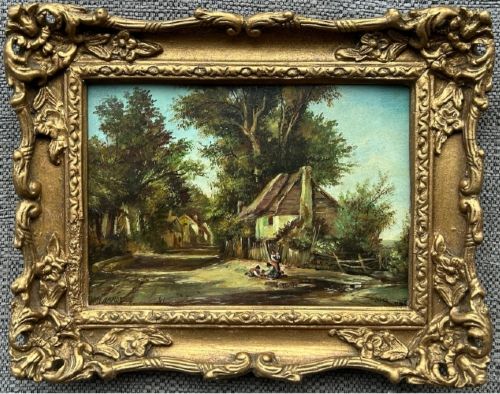
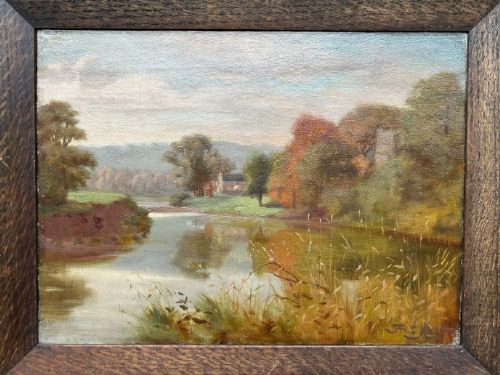
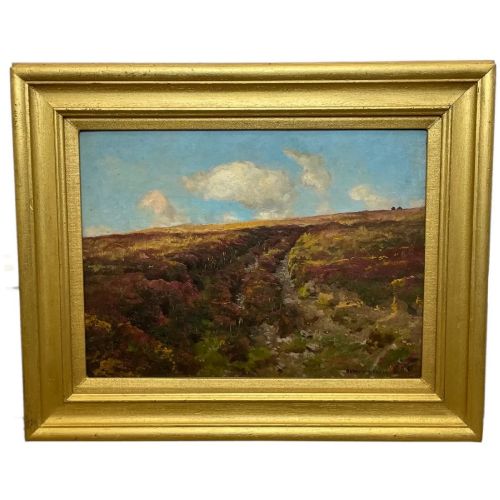
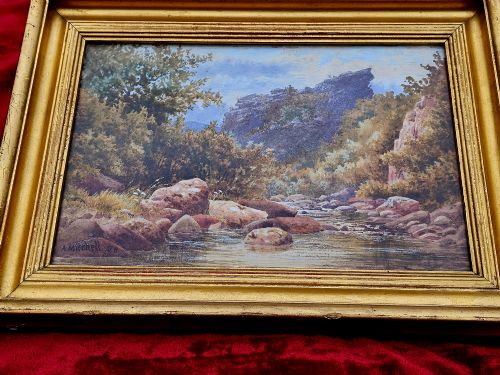
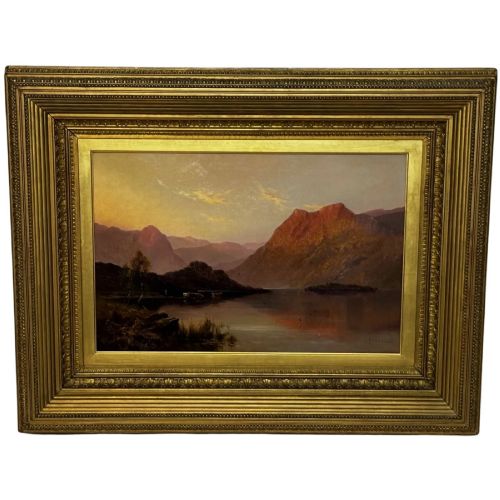
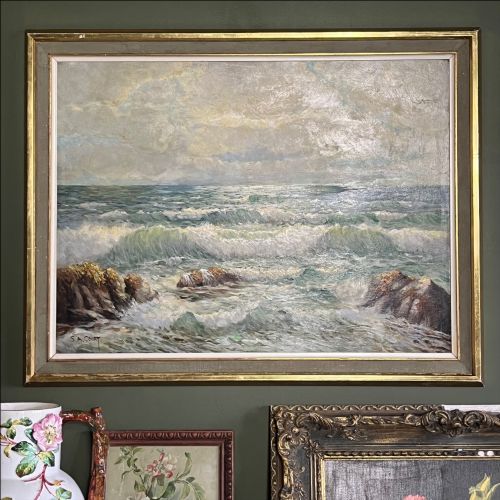
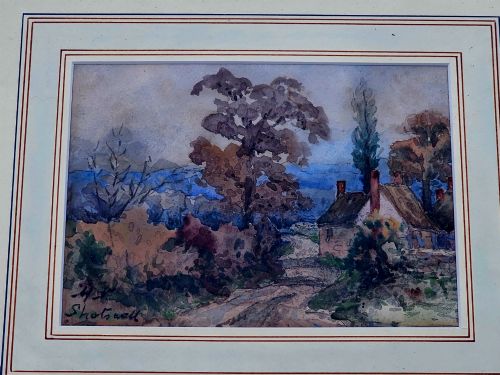
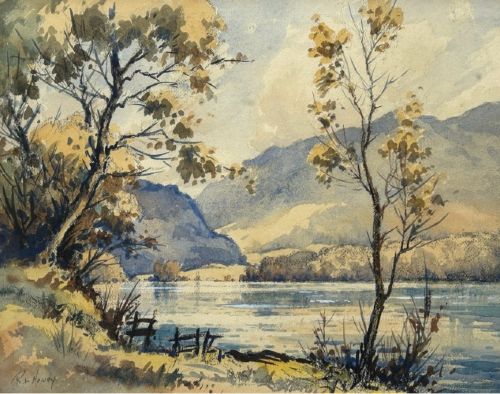
A signed british landscape painting captures topography, coastal views, and rural scenes across the nineteenth and twentieth centuries. These artworks vary from detailed watercolours on paper to robust oil paintings on canvas and wood panel.
Buyers frequently encounter works originating from Victorian and Edwardian periods, alongside mid-century modernist interpretations. Subjects range from Scottish highlands and Welsh rivers to English pastoral fields and bustling maritime harbours.
Each piece bears the distinct signature or monogram of the artist, connecting the physical composition directly to a recognised hand or regional school. The surviving works demonstrate the enduring appeal of native scenery recorded through changing artistic movements.
How They Were Made
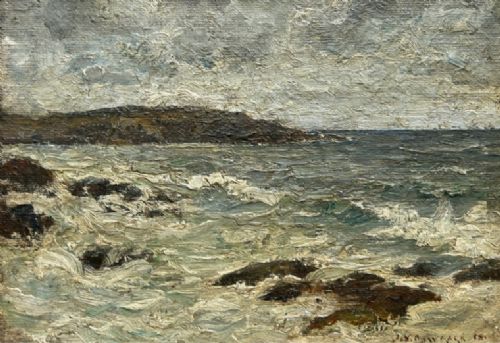
Artists utilised traditional oil paints applied to stretched canvas, wooden panels, or rigid boards to build rich, textured surfaces. These oil mediums allowed for both smooth impasto application and delicate glazing techniques.
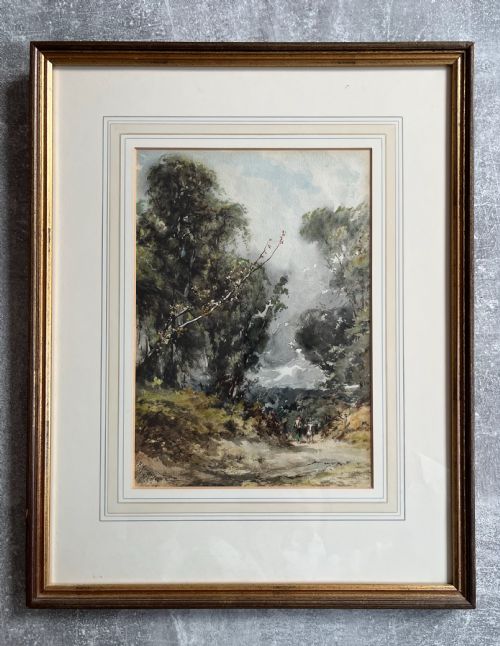
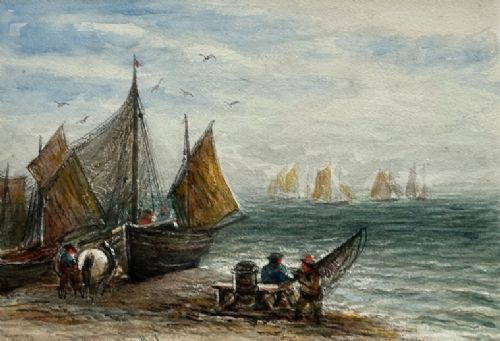
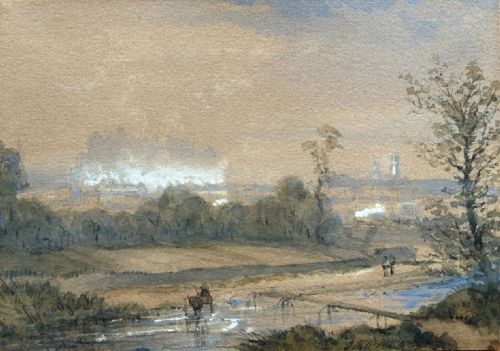
Watercolour pigment was frequently applied to heavy paper supports, often capturing rapid en plein air observations of changing weather and coastal light. Gouache and ink occasionally supplemented these watercolours to add opaque highlights and sharp definition.
Framing typically involved carved wood and gilded mouldings selected to protect the delicate paper or canvas supports while complementing the aesthetic of the period.
Listings feature works spanning the nineteenth century through the 1960s, executed in oil, watercolour, and gouache on canvas, paper, and wood.
What Varies In Quality
The strength of composition and the confidence of brushwork separate standard topographical records from masterworks of the genre. Superior examples display a sophisticated handling of natural light and atmospheric depth rather than mere technical accuracy.
The condition of the pigment and its underlying support dictates the longevity and visual integrity of the painting. Works retaining their original untouched surfaces and clear signatures command greater scholarly and aesthetic interest.
Kenneth Cozens·George Fotherly Hargitt·James Orrock·John R Prentice·William H Myers·Tom Campbell·William Howard Hardy·Frederick Marriott·Arthur Wardle·A Mitchell·Alfred Fontville de Breanski Jr·Sidney A Court·Robert Leslie Howey·William Banks Fortescue·Robert Morson Hughes·Thomas W Lascelles·William Joseph Boyes·Lucy Pratt·Bernard Benedict Hemy·Eric Brown·Alfred G Morgan·Russell Sidney Reeves·Vernon DeBeauvoir Ward·F A Roylance·John Emms
The Signed British Landscape Painting Glossary
- Impasto
- Paint applied thickly to a canvas or panel so that it stands out in relief. This technique leaves visible brush or palette knife strokes that catch the light.
- En plein air
- The act of painting outdoors to capture direct observations of natural light and weather. Painters using this method finished their works on site rather than in a studio.
- Watercolour
- A paint consisting of colour pigments suspended in a water-soluble vehicle. It is typically applied to paper to achieve translucent washes of colour.
- Provenance
- The chronological history of the ownership of a work of art. Documented records help establish authenticity and past exhibitions.
- Board
- A rigid flat support made from wood, pulp, or cardboard used as a substitute for stretched canvas. Artists favoured these for quick outdoor sketches.
Signed British Landscape Painting: Frequently Asked Questions
How do I identify the artist?
Signatures, monograms, or inscriptions written directly onto the front or reverse of the canvas and paper help establish authorship.
Comparing these markings with documented examples from specific regional schools provides further verification.
Where were these painted?
Artists travelled extensively across British coastal towns, Scottish highlands, Welsh valleys, and rural English countryside.
Many works record specific locations such as Whitby harbour, the Lake District, or the River Tees.
How should I display them?
Paintings on canvas and board benefit from stable indoor environments away from direct sunlight and excessive moisture.
Watercolours on paper require protective glazing with UV-filtering glass to prevent fading over time.
What periods are represented?
The available selection spans from nineteenth-century Victorian pieces through Edwardian works and into mid-twentieth-century modernism.
Each era reflects distinct approaches to naturalism, impressionism, and regional topography.