





Signed Landscape
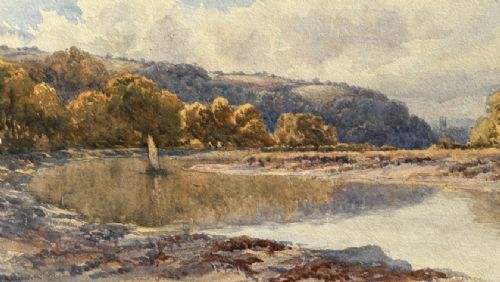
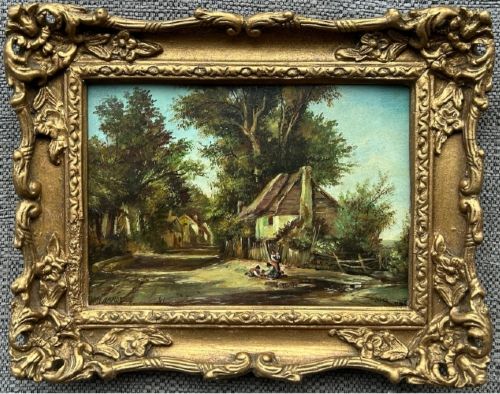
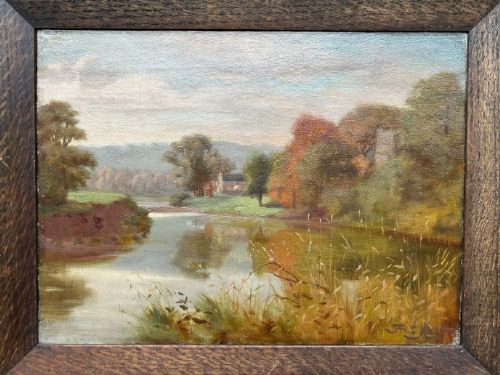
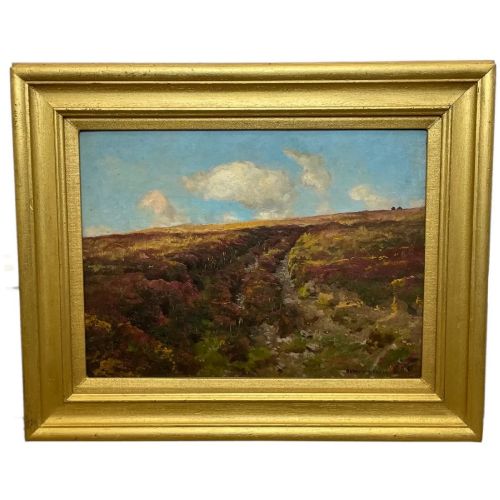
Signed antique landscape paintings and watercolours capture historic countryside, coastal, and river views bearing the original mark of their creator.
Signed Landscape
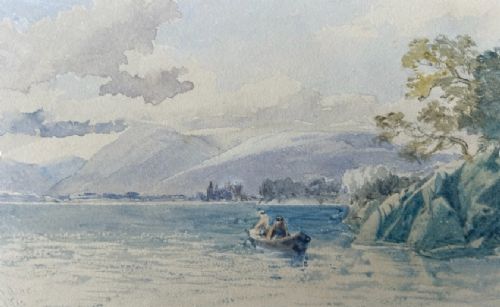
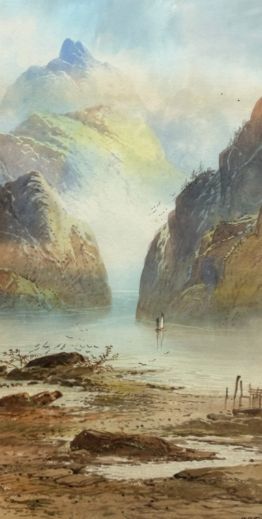
A signed antique landscape brings historical topography and pastoral scenery into domestic spaces through original fine art created across the nineteenth and early twentieth centuries. These works span British, Scottish, and continental views, recording rural rivers, coastal harbours, and mountainous terrain with authenticated personal signatures.
Buyers frequently encounter framed watercolours on paper and oil paintings executed on canvas or wood panels dating from the Victorian and Edwardian eras. Common regional subjects include Scottish highlands, Welsh valleys, and English riverbanks rendered by professional and academy-trained artists.
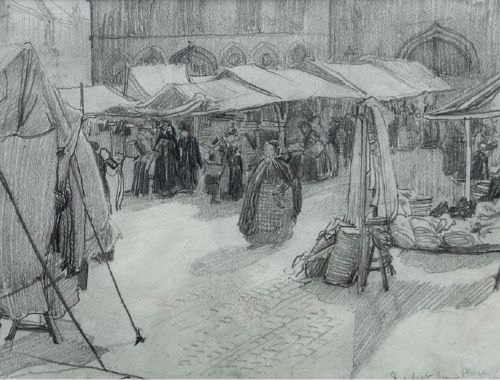
The selection ranges from intimate pencil drawings and delicate gouache sketches to large canvas compositions housed in period gilt frames. Each piece preserves a distinct regional topography through the direct hand of a named historical painter.
How they were made
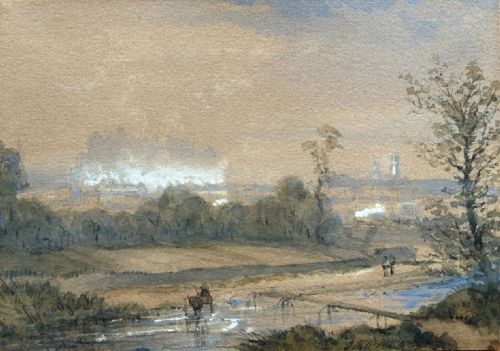
Painters utilised oil paint or watercolour applied to stretched canvas, prepared wood panels, or heavy paper sheets. Oil mediums allowed for rich impasto textures and layered depth, while watercolours achieved luminous transparency on paper supports.
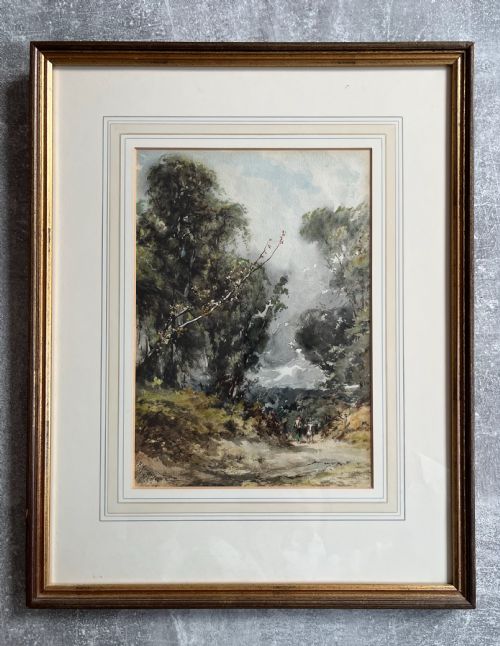
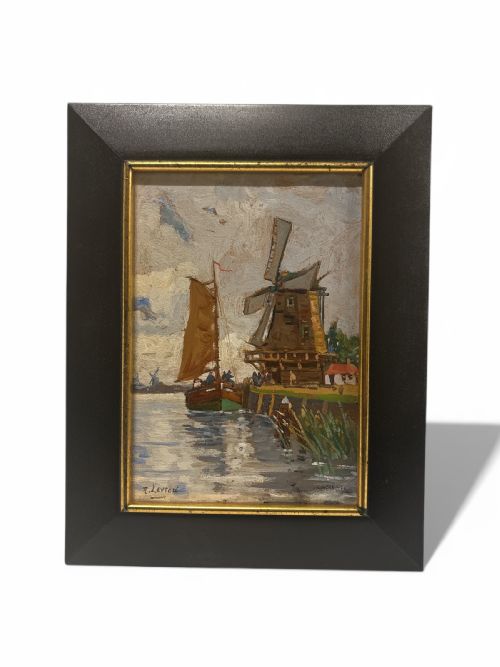
Finished works were secured within protective wooden and gilt frames, sometimes featuring glass fronts for watercolours or open surfaces for varnished oil canvases. Panels and canvases frequently bore artist monograms, handwritten signatures, or dated inscriptions directly on the front or reverse.
Several sheep reliably graze across nineteenth-century Scottish hillsides and Yorkshire moors, apparently unbothered by changing artistic movements.
What varies in quality
Quality rests upon the artist's handling of light, atmospheric perspective, and topographical accuracy within the composition. Master painters balanced fine brushwork with confident colour placement to evoke mood and spatial depth across natural scenery.
The integrity of the original support, the vibrancy of the pigments, and the preservation of the backing materials dictate the overall standard of surviving works. Surviving historical frames matching the period of the artwork further elevate the cohesion of the piece.
George Fotherly Hargitt·Thomas Miles Richardson Jnr·James Orrock·William Henry Earp·Arthur Wardle·George Houston·John Syer
The Signed Landscape Glossary
- Impasto
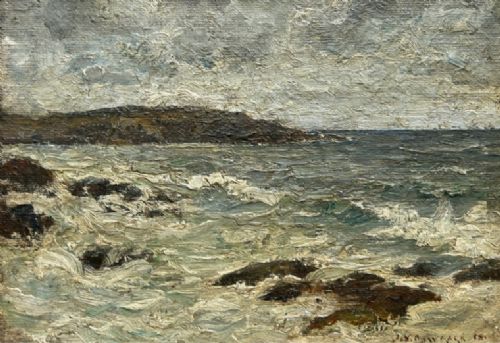
- Paint applied thickly to a canvas or panel, standing visibly above the surface to catch light and create tactile texture. This technique adds physical dimension to elements like churning waves or rocky terrain.
- Monogram
- A motif made by overlapping or combining two or more letters to form a single symbol representing the artist's initials. Historical painters often used these in place of full signatures on smaller watercolours and oil sketches.
- Provenance
- The chronological documentation showing the custody, ownership, and exhibition history of a work of art. Clear provenance helps confirm the authenticity and historical attribution of signed landscapes.
- Gouache
- A water-based paint consisting of pigment and a heavier binding agent, rendered opaque through the addition of white filler. It provides solid, matte colour application distinct from transparent watercolour washes.
- Panel painting
- A painting executed on a flat piece of wood rather than stretched canvas. Wooden boards offered a rigid surface favored by many nineteenth-century landscape artists working outdoors.
Signed Landscape: Frequently Asked Questions
How do I identify a Victorian landscape?
Victorian landscapes typically display traditional pastoral, coastal, or river subjects with naturalistic colour palettes and detailed brushwork. Many examples feature clear signatures, monograms, or period framing indicative of nineteenth-century production.
Examining the paper, canvas, or wood panel backing often reveals period stamps, inscriptions, or artist details that help anchor the work within the nineteenth century.
Where should I hang an oil painting?
Oil paintings on canvas or wood panel suit principal reception rooms and studies where ambient light enhances the impasto texture and layered pigment. Positioning artworks away from direct sunlight preserves the vibrancy of the colours.
Matching the scale of the landscape to available wall space ensures the piece commands the room without overwhelming surrounding furnishings.
What is the difference between oil and watercolour?
Oil paintings utilise slow-drying pigmented oils on canvas or wood panels, allowing for rich blending and textured impasto surfaces. Watercolours employ water-soluble pigments on paper supports, creating luminous and transparent effects.
Watercolours invariably require protective glass framing to guard the delicate paper surface against moisture and dust, whereas oil canvases remain open to the air.
How do I care for antique paper art?
Antique watercolours and drawings on paper require stable indoor environments away from excessive humidity and direct daylight to prevent fading. Maintaining consistent room temperatures protects both the paper fibres and the underlying pigments.
Framed works benefit from professional sealing behind glass to keep atmospheric pollutants and dust away from the vulnerable paper surface.