




Vintage River Scene Art
Vintage river scene art captures waterways through painted brushwork across changing historical periods.
Vintage River Scene Art
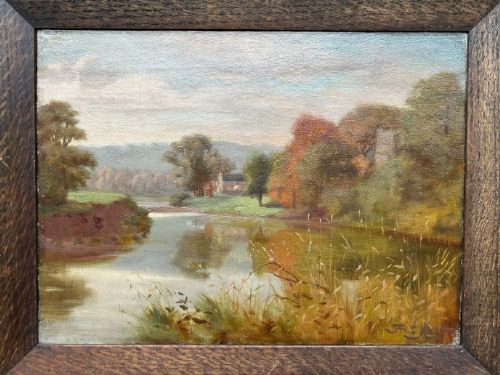
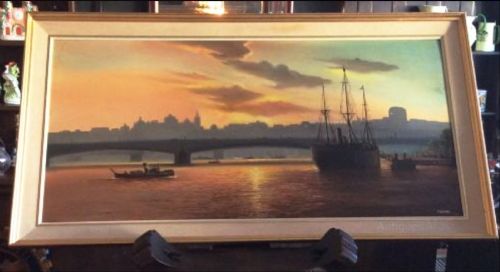
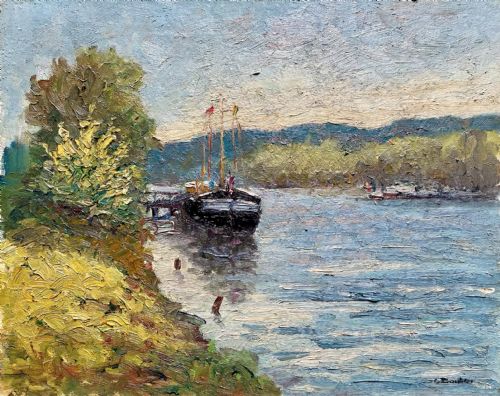
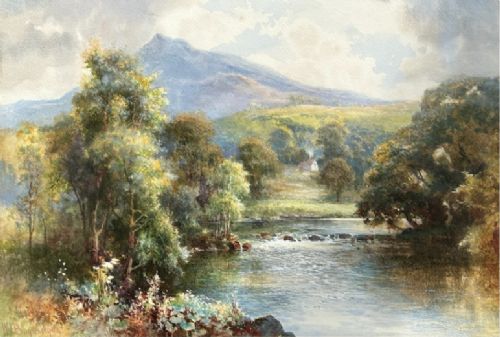
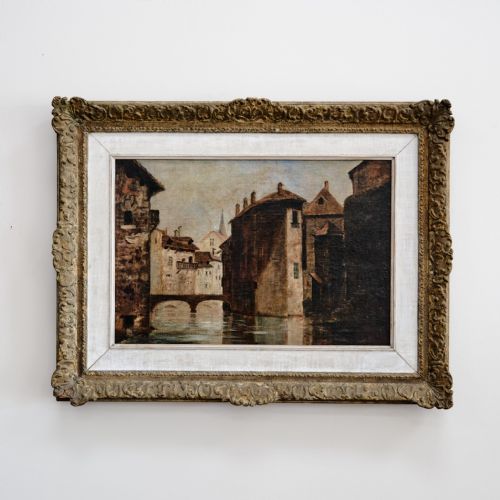
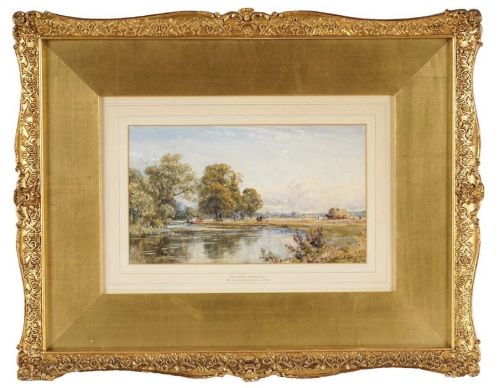
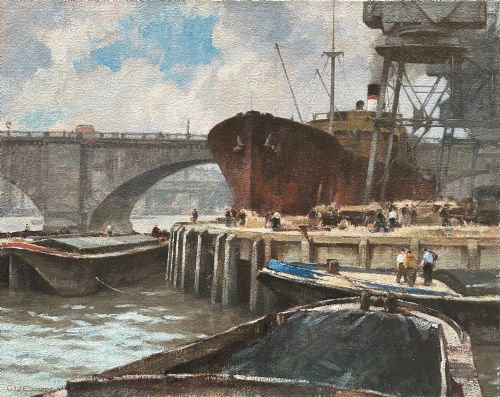
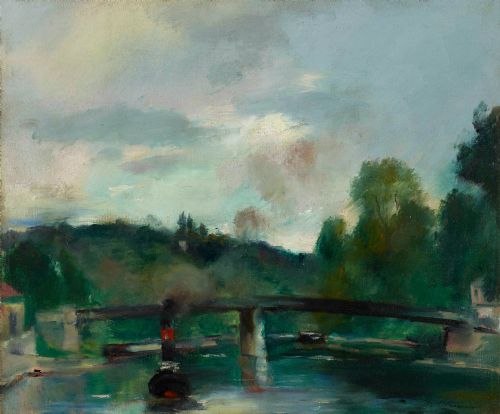
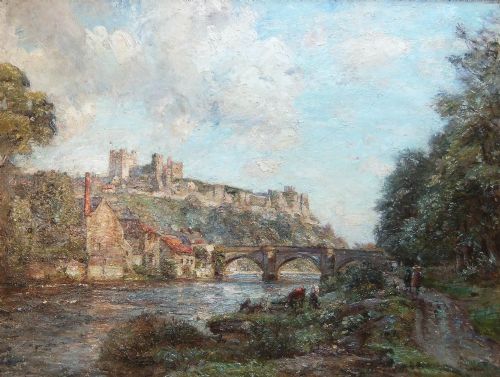
Collectors seeking vintage river scene art encounter painted depictions of waterways, bridges, and banks spanning the nineteenth century through the mid-twentieth century. These works capture specific locations from the Thames and Seine to Welsh streams and Dutch frozen landscapes.
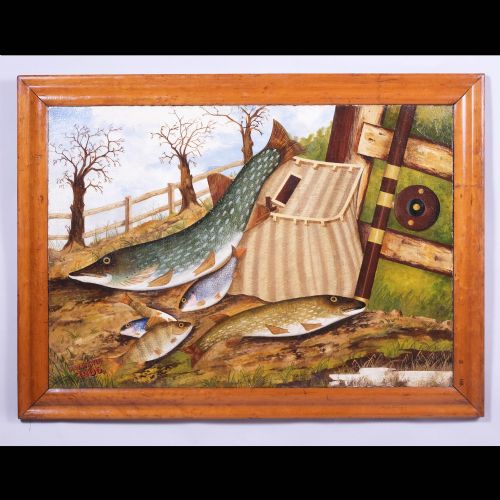
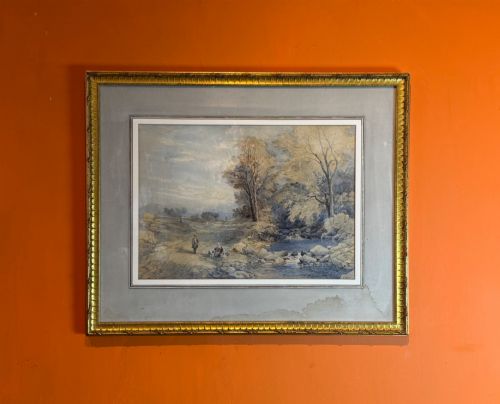
The selections on this page appear in various formats, predominantly oil on canvas, wood panels, and watercolours. Framed prints and acrylic works also surface, offering diverse ways to display historical aquatic environments.
How they were made
Artists painted primarily with oil paint or watercolour applied to canvas, paper, wood panels, or gesso surfaces. These mediums allowed creators to capture the reflective quality of water and the changing atmospheric conditions of riverbanks.
Support materials varied from stretched canvas to solid wood panels and paper sheets. Framing often involved period wooden structures that complemented the painted landscape.
Geographic subjects range from London bridges and Welsh streams to Dutch frozen canals and Parisian riverbanks.
What varies in quality
Quality rests in the handling of light and water reflection, distinguishing skilled impressionistic brushwork from rigid or formulaic composition. The immediacy of the touch reveals the artist's ability to render movement in the current and atmosphere in the sky.
The condition of the canvas, panel, and original paint layer determines the integrity of the piece. Well-preserved surfaces retain their pigment depth without excessive cracking or restoration.
Kenneth Cozens·George Graham·Alfred Young Nutt·Frederick Marriott·William Joseph Boyes·Robert Thorne Waite·Cyril Walduck Edwards·Henri Ottmann·Herbert Royle·Florence Adelina Hess·Sydney Yates Johnson·Hubert Wellington·Archibald Kay·Henri Jaques Delpy·Arthur Herbert Rigg·Ron Folland·Thomas Bush Hardy·J Phipps·David Watts·Edward Henry Eugene Fletcher·Frank Hider·William Grant Murray·Alfred Grey
The Vintage River Scene Art Glossary
- Oil on canvas
- Pigment suspended in drying oil applied to a woven fabric support. This combination permits rich colour blending and textured impasto work.
- Watercolour
- Pigment ground in a water-soluble binder applied to paper. It creates luminous, transparent washes suited to atmospheric river views.
- Impressionism
- A nineteenth-century painting style focusing on accurate depiction of light in its changing qualities. Artists utilised visible brushstrokes to capture transient moments on the water.
- Gesso
- A paint mixture consisting of a neutral binder mixed with chalk, gypsum, or pigment. It prepares rigid panels or canvases for painting.
Vintage River Scene Art: Frequently Asked Questions
What periods do these river paintings cover?
The listings span from the nineteenth century through the mid-twentieth century, including Victorian and Edwardian examples.
Later pieces reflect post-impressionist and mid-century modern interpretations of European waterways.
Which materials appear most frequently?
Oil paint on canvas or wood panel forms the majority of the works, alongside traditional watercolours on paper.
Artists utilised gesso preparations and acrylic mediums in select pieces from later decades.
Where do these river scenes originate?
Views include British locations such as the Thames, the Tees, and Welsh rivers, alongside French scenes along the Seine.
Other works depict Dutch waterways, windmills, and frozen northern landscapes.
How should I frame a vintage river painting?
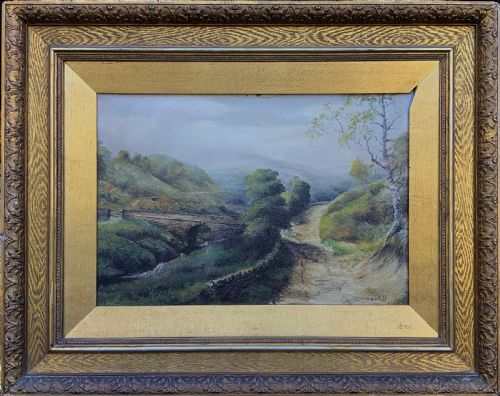
Many pieces arrive in period frames that complement the painting style, whether ornate Victorian moulding or simpler mid-century profiles.
Preserving original frames maintains the historical context of the artwork.