

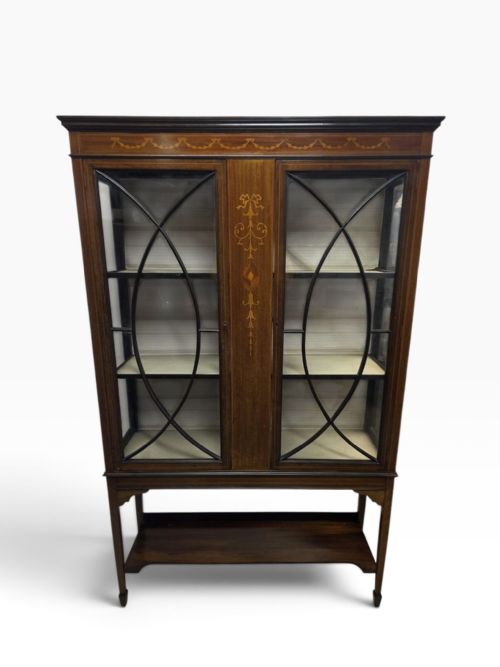
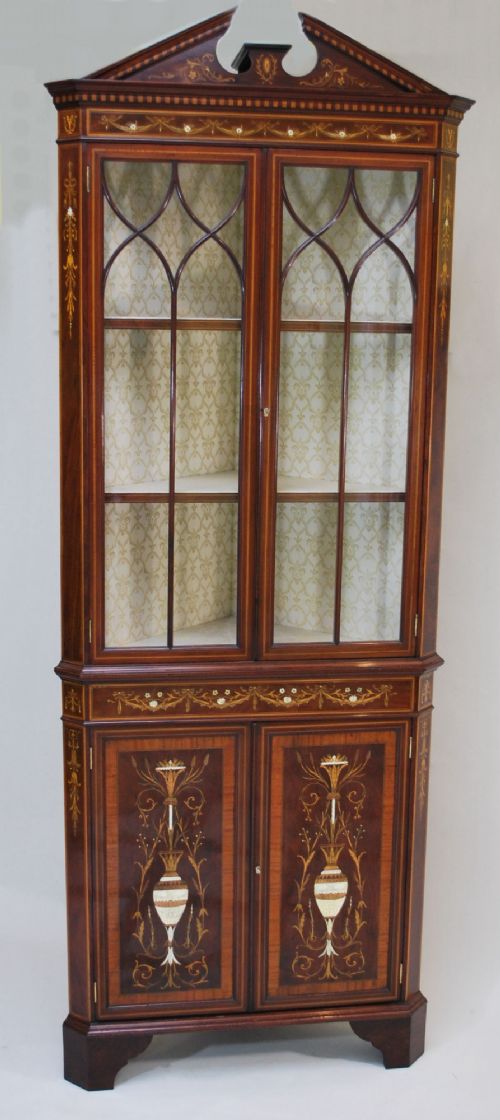
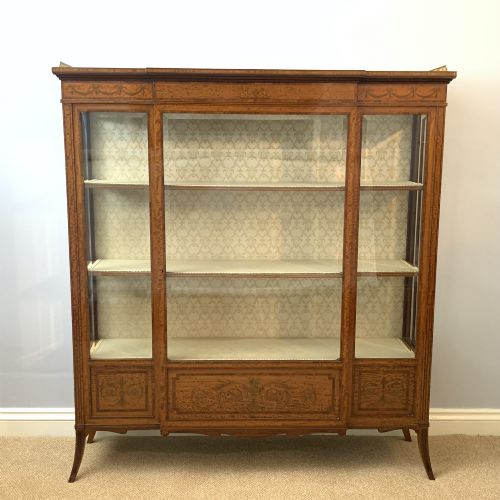
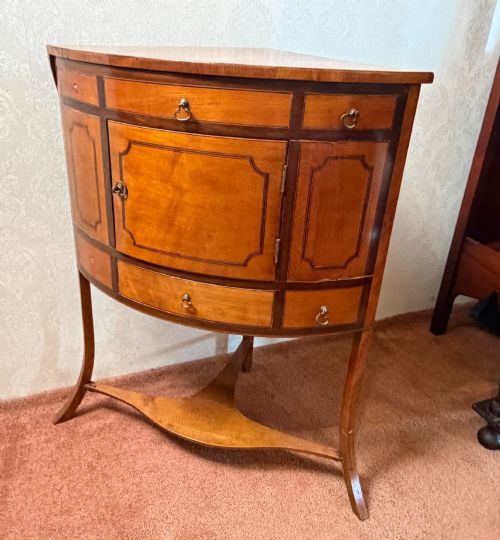
Sheraton Inlaid Cupboard
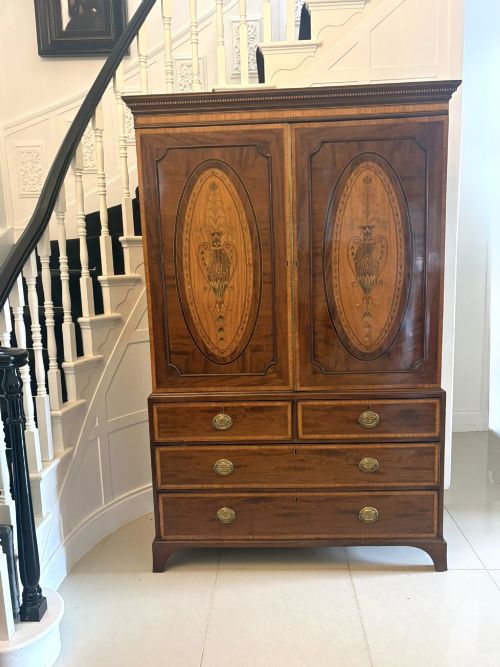
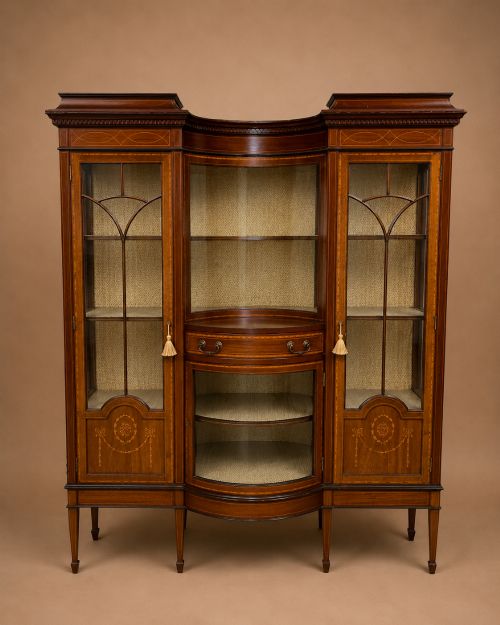
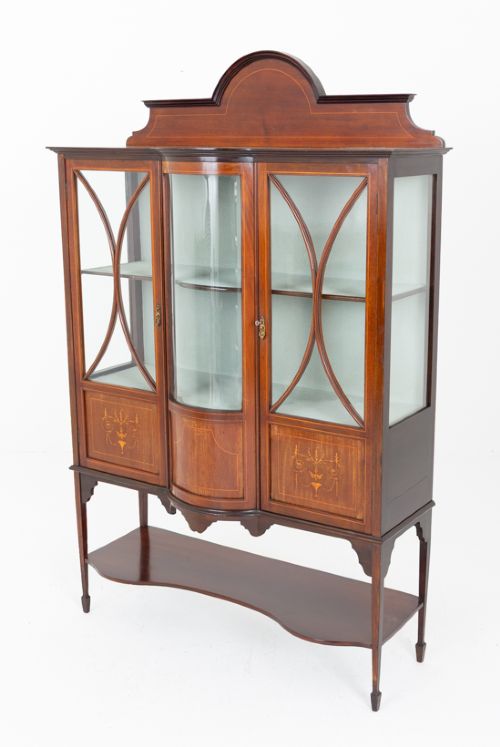
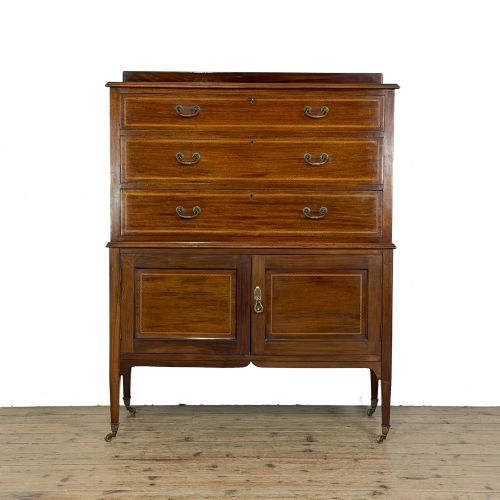
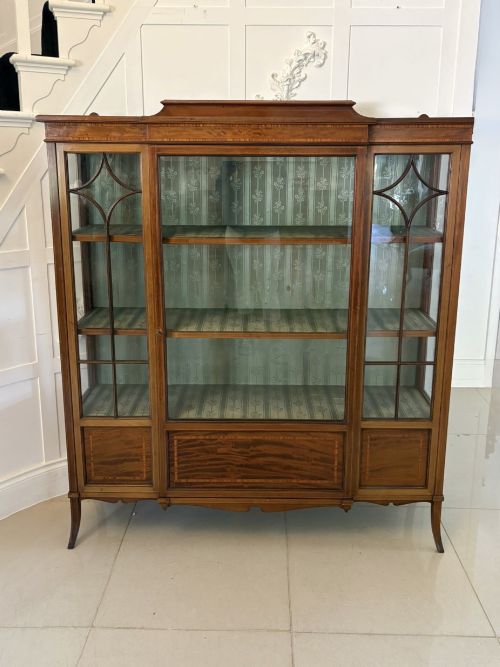
A sheraton inlaid cupboard brings together balanced classical proportion and the sharp contrast of figured timbers.
Sheraton Inlaid Cupboard
A sheraton inlaid cupboard combines architectural geometry with crisp surface decoration drawn from eighteenth and nineteenth century design traditions.
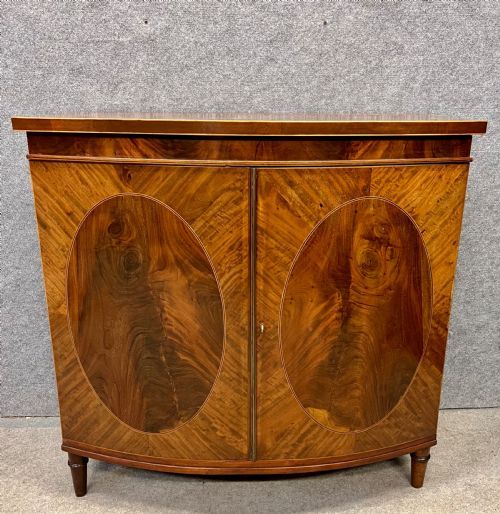
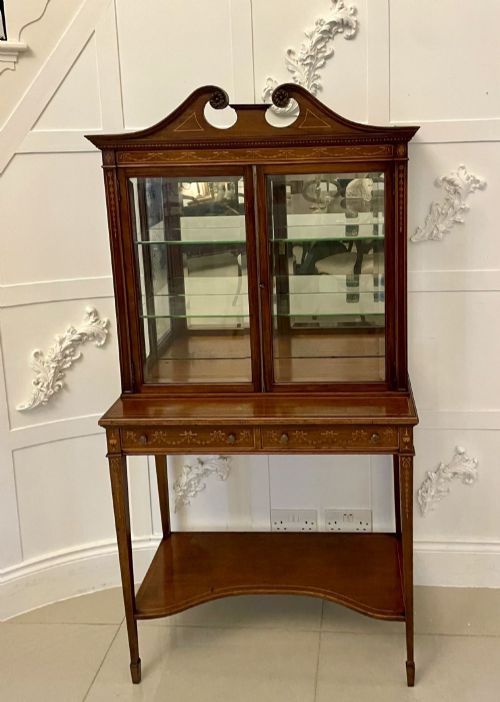
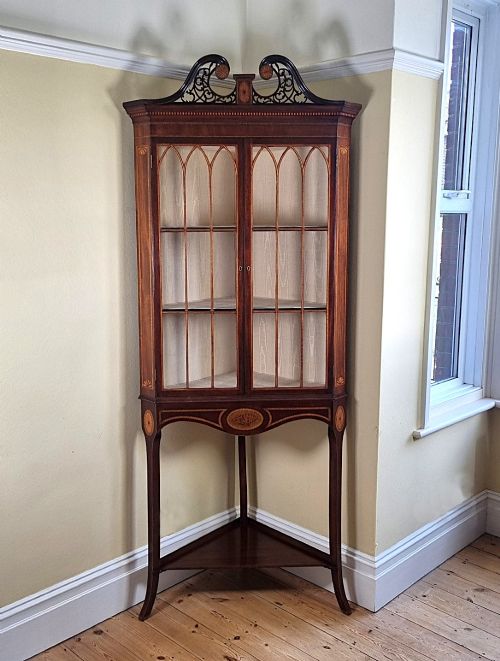
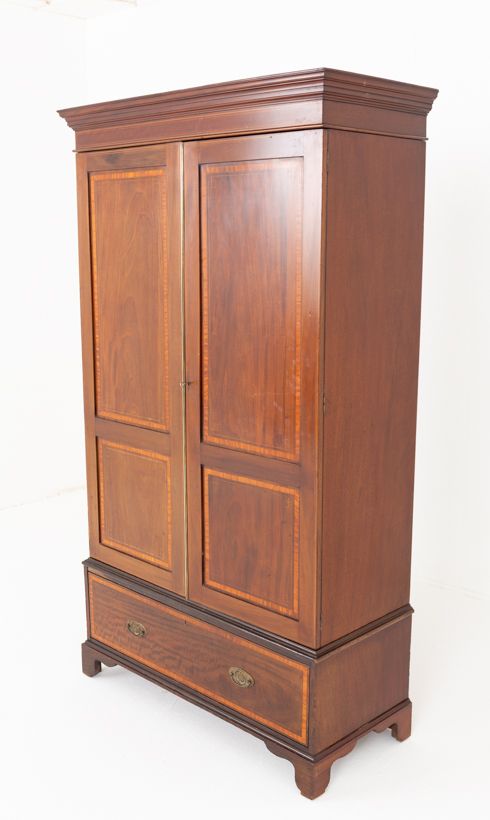
Buyers meet pieces spanning the Georgian period, the Victorian era, and the Edwardian Sheraton Revival, originating as everything from corner cabinets to display cases and linen presses.
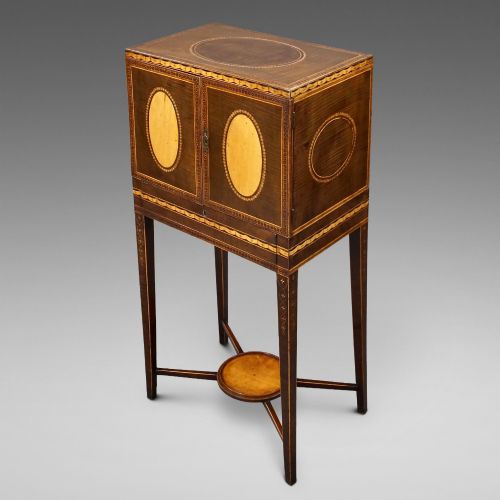
The form ranges from compact bedside furniture to tall glazed bookcases, unified by linear stringing and contrasting timber banding.
Materials and construction
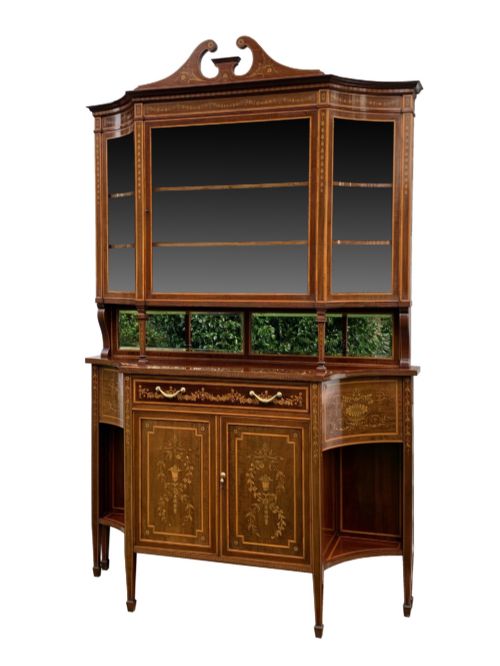
Cabinet makers built these pieces using solid mahogany or satinwood carcasses, often applied with fine veneers and crossbanded borders in boxwood and harewood.
Surface ornamentation relies on delicate inlay and marquetry, complemented by brass hardware and glazed doors featuring timber astragals.
Some corner cupboards were cunningly built with curved front doors to soften the square geometry of modest dining rooms.
Judging the standard
Quality rests in the crispness of the timber selection, where tightly figured grain and precise, tight-fitting inlay work separate finer examples from simpler workshop output.
The balance of proportion, the subtlety of the brass fittings, and the preservation of original surfaces dictate the standing of each piece.
Edwards & Roberts·Maple & Co·Druce & Co·Jewell of London
The Sheraton Inlaid Cupboard Glossary
- Sheraton Revival
- A late nineteenth and early twentieth century design movement that reinterpreted the lighter neoclassical forms of the eighteenth century. Makers frequently utilised satinwood and detailed stringing during this phase.
- Inlay
- A technique where pieces of contrasting timber are fitted into recessed channels within the primary wood to form geometric patterns. This method creates the signature linear borders seen on these pieces.
- Astragal
- The slender timber moulding that divides panes of glass within a cabinet door. Fine examples use delicate profiles to support the glazed panels.
- Crossbanding
- A border veneer applied to the edges of a panel where the grain runs at right angles to the central wood. It frames the primary timber with a contrasting directional texture.
- Marquetry
- An elaborate form of veneer work assembling pictorial or symmetrical designs using various coloured woods. It appears on select panels and doors across the Victorian and Edwardian periods.
Sheraton Inlaid Cupboard: Frequently Asked Questions
How do I date a sheraton inlaid cupboard?
Dating relies on timber choice, construction methods, and secondary woods visible inside the carcass. Georgian examples show hand-cut joinery and native woods, while later revival pieces often utilise machine-cut elements and brighter satinwood veneers.
Secondary indicators include the style of the brass hardware, the thickness of the backboards, and the specific character of the inlay work, which shifted from restrained classical lines to more decorative floral motifs by the Edwardian period.
Where were these cupboards placed in a home?
Original locations depended heavily on the specific form of the piece. Corner cabinets utilised unheated angles in dining rooms or parlours, whilst linen presses stood within bedrooms or dressing areas to store folded garments.
Display cabinets and side cabinets occupied formal reception rooms to showcase porcelain and glassware, reflecting the social habits of Georgian and Victorian households.
How do I care for satinwood and mahogany?
Maintenance requires keeping timber away from direct sunlight and maintaining stable room humidity to prevent veneer lifting. Simple dusting with a dry lint-free cloth preserves the polished surface.
Occasional application of traditional beeswax feeds the timber and protects the grain without building up synthetic residues that dull the antique finish.
What is the difference between original and revival pieces?
Original eighteenth-century pieces date from the height of the neoclassical period, featuring native construction techniques and aged patination. Revival pieces date from the late nineteenth and early twentieth centuries, copying those earlier proportions using contemporary workshop practices.
Both categories command respect among collectors, provided the construction remains sound and the surface decoration stays intact.