


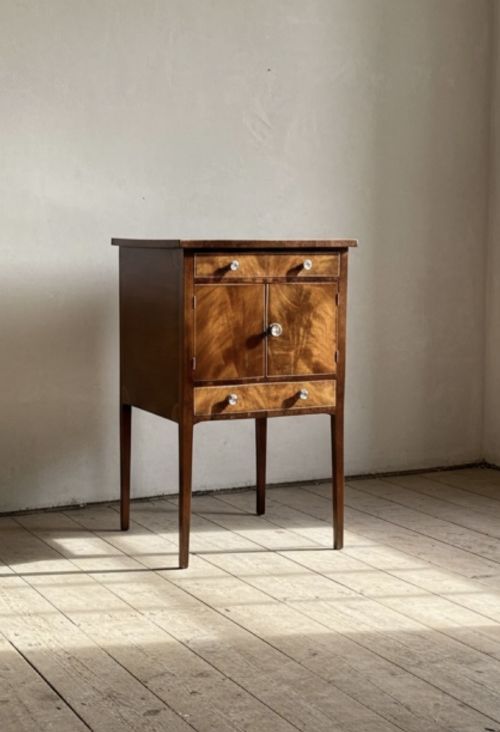
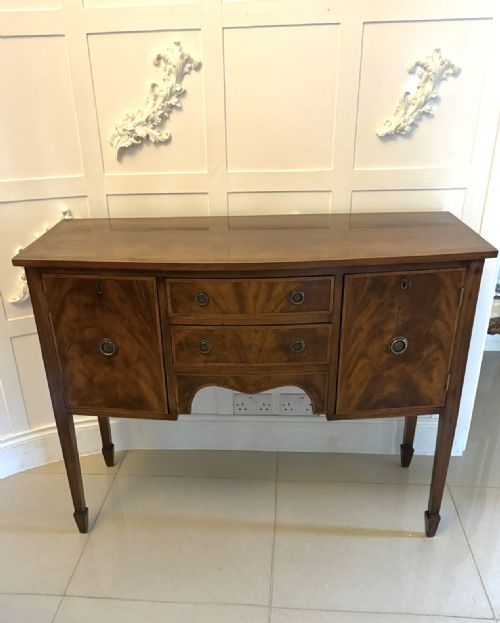

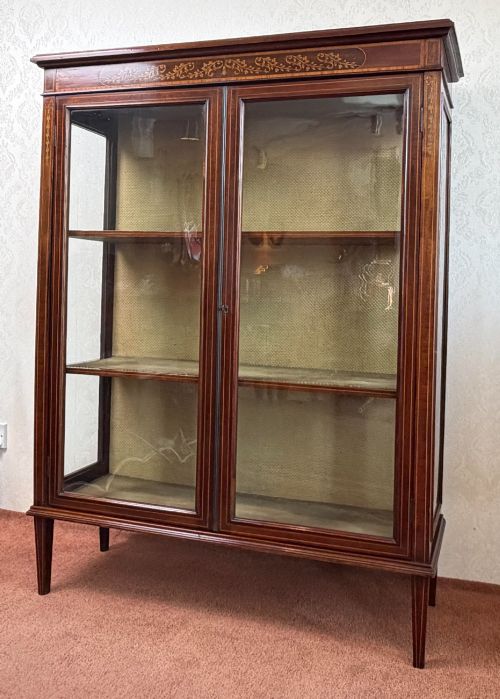
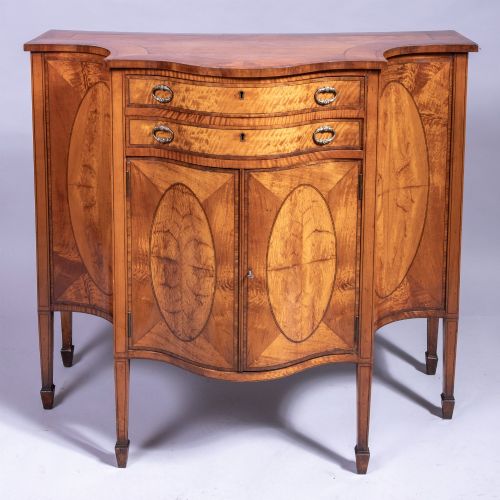


Sheraton Storage Cabinet
A sheraton storage cabinet brings refined geometry and subtle woodwork to a room, offering elegant storage rooted in classical design.
Sheraton Storage Cabinet
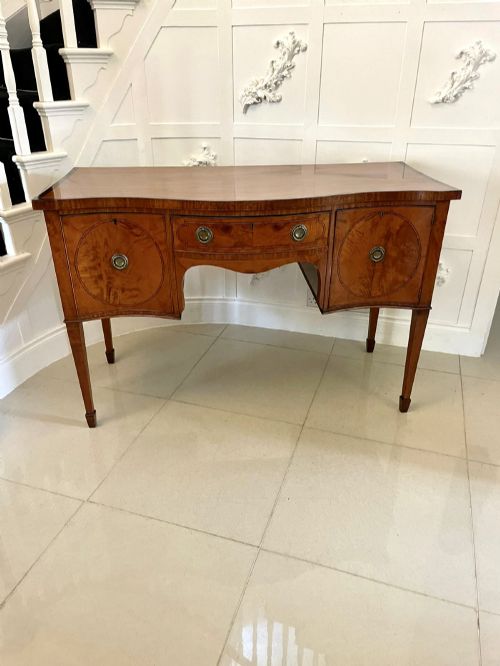
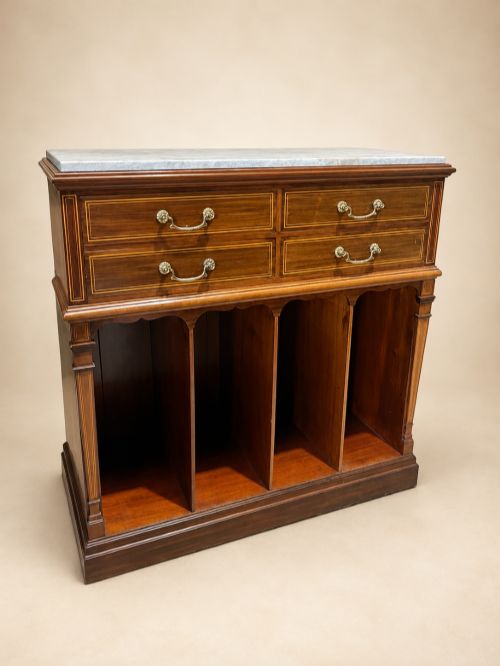
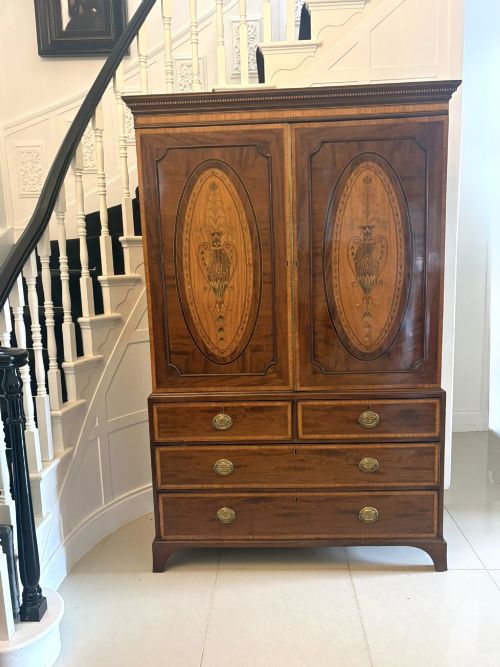
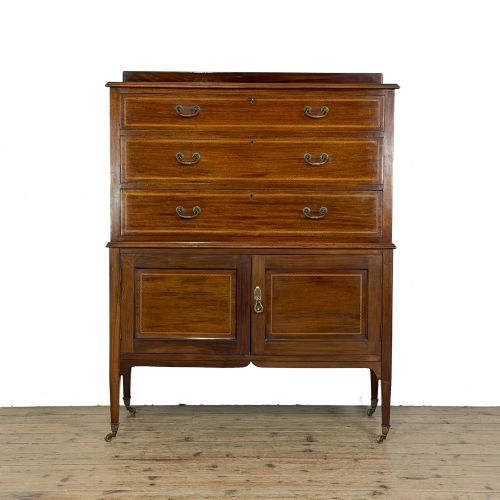
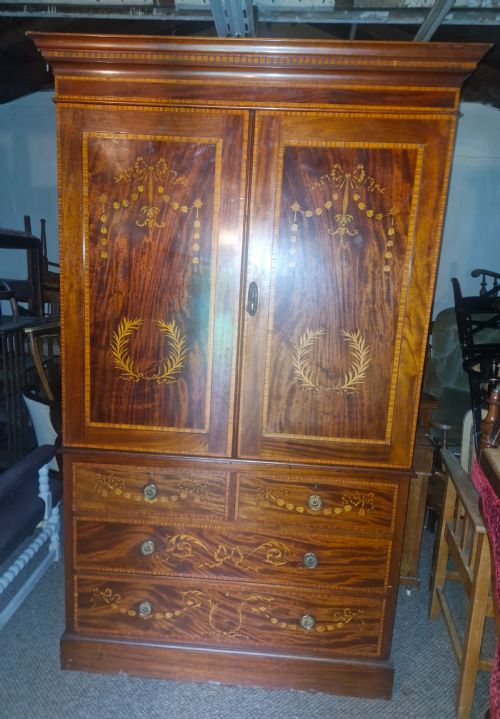
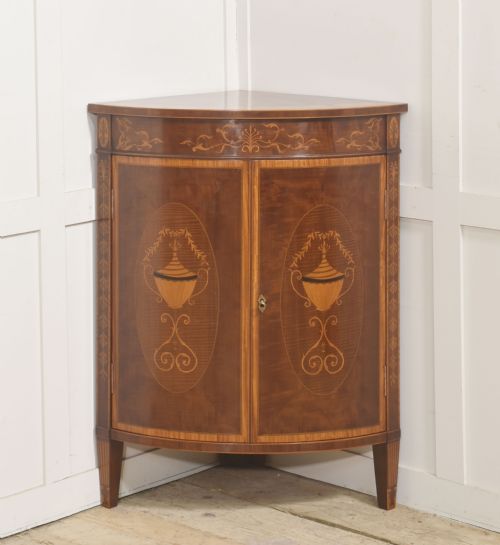
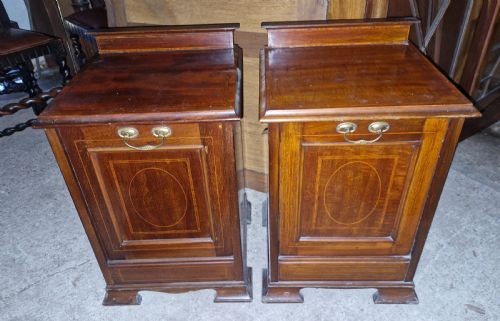
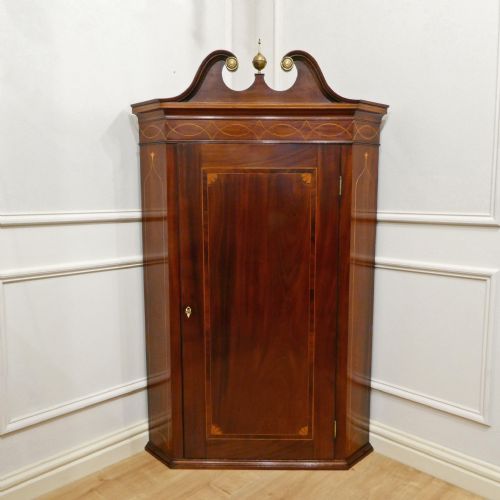
When you search for a sheraton storage cabinet, you encounter pieces spanning the Georgian, Victorian, and Edwardian periods, including the later Sheraton Revival movement. These items range from sideboards and display cabinets to linen presses, corner cupboards, and bedside units.
The primary forms on this page include mahogany and satinwood side cabinets, tallboys, and bookcases, reflecting both original eighteenth-century craftsmanship and subsequent nineteenth and twentieth-century interpretations. Each variation serves to organise domestic interiors while maintaining a distinct architectural silhouette.
Materials and construction
The construction relies heavily on solid mahogany and satinwood, frequently enriched with boxwood inlay, marquetry, and wood inlay to create contrasting borders and panels. Cabinet makers utilised these timbers for their stability and grain, applying brass handles and glass doors where visibility was required.
Surface decoration often incorporates finely painted details and intricate stringing, aligning with the classical restraint characteristic of the style. The integration of flame mahogany veneers and patterned stringing demonstrates precision woodworking techniques passed down through generations of cabinet makers.
Sheraton Storage Cabinet Retail Price Guide 2026
Typical asking prices for sheraton storage cabinet among the pieces listed under this phrase on Sellingantiques today, from the lower quarter to the upper quarter. They describe what is for sale here now, not the wider market.
Listings feature Edwardian, Victorian, and Georgian periods, utilising mahogany, satinwood, rosewood, and brass.
Evaluating cabinet quality
Distinctions in quality rest upon the crispness of the inlay work, the selection of timber veneers such as figured satinwood or flame mahogany, and the integrity of the original structural joinery. Superior examples exhibit balanced proportions and refined proportions that elevate them beyond utilitarian storage.
The nuance lies in the subtlety of the painted decoration, the choice of secondary woods, and whether maker signatures or labels remain intact. Greater refinement appears when every decorative element serves the overall architectural harmony rather than appearing heavy or cluttered.
Druce & Co·Edwards and Roberts·Maple & Co
The Sheraton Storage Cabinet Glossary
- Sheraton Revival
- A late nineteenth and early twentieth-century design movement that drew inspiration from the lighter, neoclassical furniture forms of the eighteenth century. It is characterised by tapered legs, delicate stringing, and classical motifs.
- Linen Press
- A tall storage piece traditionally used for storing folded bed linen and garments, featuring upper sliding trays or shelves enclosed by doors above a base section of drawers. These items often showcase fine mahogany and panelled doors.
- Marquetry
- The art of applying decorative pieces of veneer to a structure to form intricate pictorial or geometric patterns. This technique utilises varied wood tones to create contrast without relying on paint.
- Satinwood
- A durable, yellowish timber prized for its smooth texture and reflective sheen, frequently utilised for veneers and decorative banding on high-status cabinets.
- Tallboy
- A tall chest of drawers, often consisting of a double chest stacked vertically, providing generous storage capacity whilst occupying a minimal floor footprint.
Sheraton Storage Cabinet: Frequently Asked Questions
What defines a Sheraton storage cabinet?
These cabinets are characterised by straight lines, symmetrical proportions, and classical neoclassical motifs popularised during the late eighteenth century and revived later. They utilise light timbers and delicate inlay to achieve an airy silhouette.
They function primarily as storage furniture for dining rooms, bedrooms, or living spaces, combining practicality with decorative elegance.
How do I date a Sheraton Revival piece?
Revival items typically date from the late Victorian or Edwardian eras, roughly between 1880 and 1910, rather than the original Georgian period. Clues reside in the secondary woods, machine-sawn backing boards, and the specific chemical composition of twentieth-century varnishes.
Examining the construction methods inside the drawers often clarifies whether a piece is an eighteenth-century original or a later homage.
Where were these cabinets placed originally?
Side cabinets and sideboards stood in dining rooms to hold silver, linen, and glassware, while smaller bedside cupboards served sleeping quarters. Corner cabinets utilised awkward angles in parlours to display porcelain and books.
Their versatile sizing allowed them to adapt easily to various rooms within period homes.
How do I care for satinwood and mahogany?
Maintain these polished wooden surfaces by keeping them away from direct sunlight and maintaining stable indoor humidity to prevent veneer cracking. Gentle dusting with a dry, soft cloth preserves the original sheen.
Avoid silicone-based sprays, opting instead for traditional beeswax applied sparingly when the timber appears dry.