


Shell Carved Side Table
A shell carved side table brings sculptural timber and historic ornament into a room, offering a sturdy surface with deep regional character.
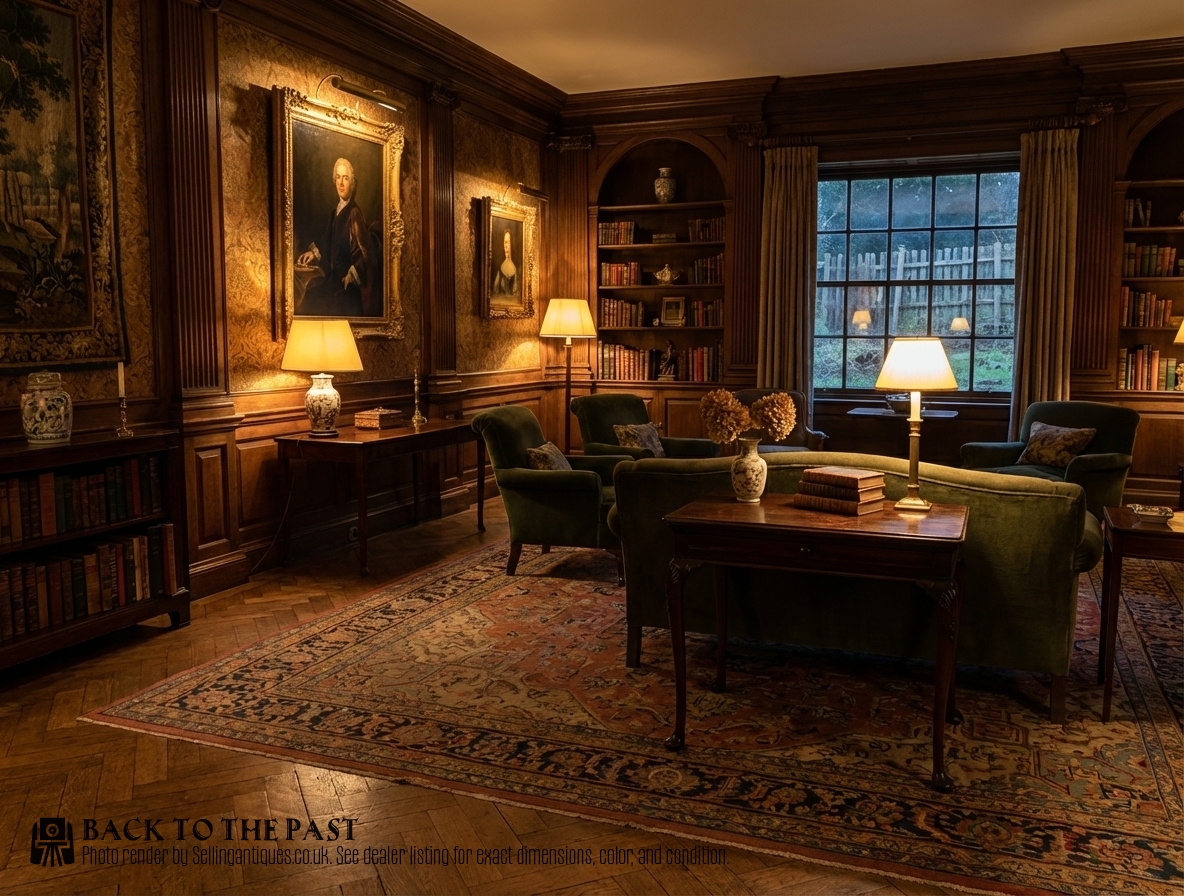
Shell Carved Side Table
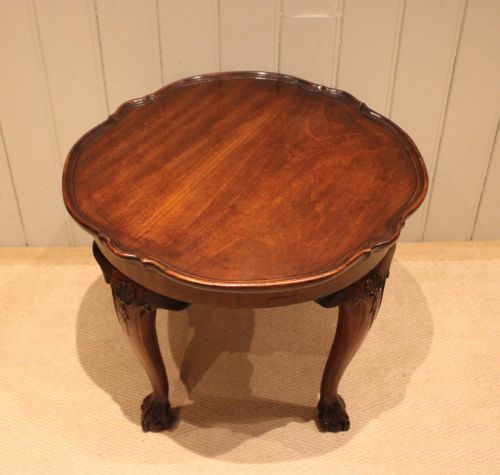
A shell carved side table is a low or standard-height furnishing designed for display or service, spanning the eighteenth century to the early twentieth century. You will encounter various forms here, including side tables, console tables, lowboys, silver tables, and card tables.
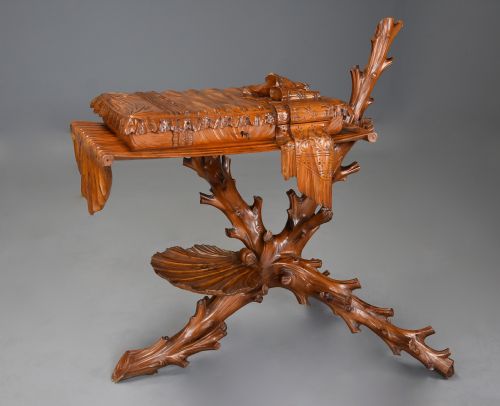
The aesthetic draws heavily on Georgian, Queen Anne, George II, and Chippendale styles, alongside nineteenth-century revivals and Italian grotto work. Mahogany and walnut dominate the selection, complemented by burr walnut, pine, and giltwood.
Irish examples from the eighteenth century appear frequently, alongside later revival pieces from the nineteenth and early twentieth centuries. These tables range from restrained walnut lowboys to elaborate giltwood console tables and serpentine centre tables.
What varies in quality
Quality rests upon the depth and crispness of the carved shell ornament, distinguishing hand-carved detail from softer, later mechanical work. Timber selection also drives value, with figured grain, rich patination, and dense primary woods marking out superior examples.
Construction methods reveal the standard of the piece, from the joinery of the frame to the integration of the table top. Pieces attributed to documented makers or specific regional schools, such as eighteenth-century Irish workshops, carry distinct structural and stylistic weight.
Shell Carved Side Table Retail Price Guide 2026
Typical asking prices for shell carved side table among the pieces listed under this phrase on Sellingantiques today, from the lower quarter to the upper quarter. They describe what is for sale here now, not the wider market.
The listings on this page span walnut, mahogany, pine, and giltwood, covering periods from the mid-eighteenth century to the early twentieth century.
Maple and Co·Hicks of Dublin
The Shell Carved Side Table Glossary
- Lowboy
- A small pedestal-free dressing or side table featuring drawers beneath the work surface, commonly associated with the early eighteenth century. These low-slung pieces typically rest on slender cabriole legs ending in pad or shell-carved feet.
- Console table
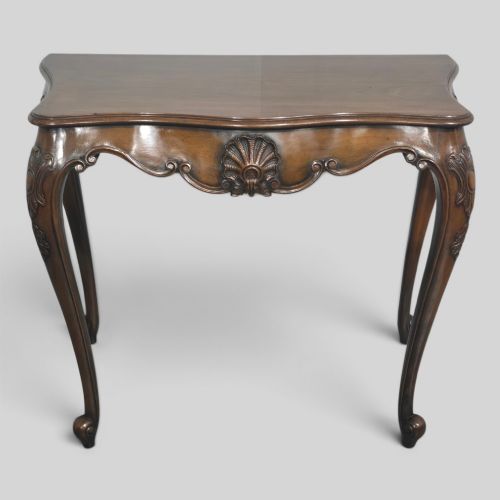
- A wall-mounted or freestanding table designed to stand against a vertical surface, frequently paired with a mirror. They often feature elaborate carved aprons and legs.
- Silver table
- A specialised rectangular table with a raised edge or gallery designed to hold tea and silver services. They date predominantly from the Georgian period and rest on four legs.
- Grotto work
- A nineteenth-century style mimicking natural shell and rock formations, often applied to pine frames. This aesthetic creates a heavily textured and eccentric appearance.
- Piecrust edge
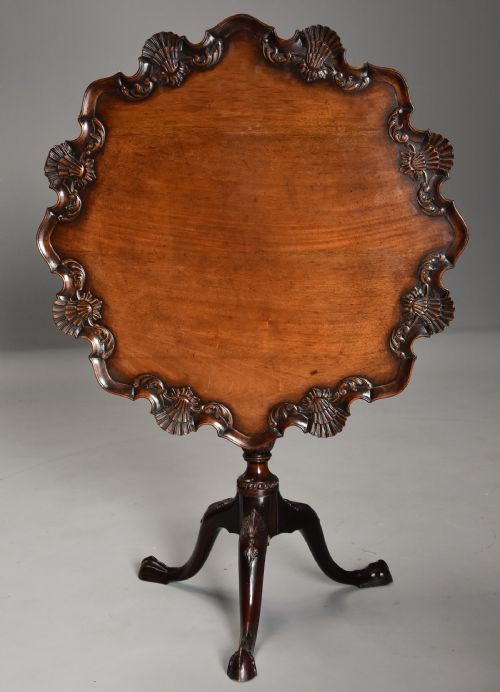
- A raised, scalloped carved rim worked directly into the solid timber top of a tilt-top or occasional table. This technique demands high skill from the woodcarver.
Shell Carved Side Table: Frequently Asked Questions
How do I spot an Irish side table?
Irish examples from the eighteenth century often display heavier proportions, bolder shell carving on the knees, and rich mahogany or walnut timbers.
Look for distinctive regional traits such as pronounced apron drops and vigorous carving that sets them apart from standard English equivalents.
What is a silver table used for?
A silver table originally served to display and pour tea from silver services in elite eighteenth-century drawing rooms.
The raised gallery edge prevented vessels from sliding off during use.
How do I style a console table?
Place a console table in a hallway or against a living room wall to anchor a space, often positioning a mirror or painting above it.
Keep the surface balanced with lamps or decorative objects that complement the carved timber below.
What distinguishes a lowboy from a side table?
A lowboy is specifically a low-built table featuring one or more rows of drawers beneath the top, originally used for grooming or serving.
Standard side tables focus on surface display and rarely incorporate drawers into the frieze.