
Sheffield Silver Plate
Sheffield silver plate comprises historical hollowware and tableware fusing silver and copper through early fusion methods or later electroplating.
Sheffield Silver Plate
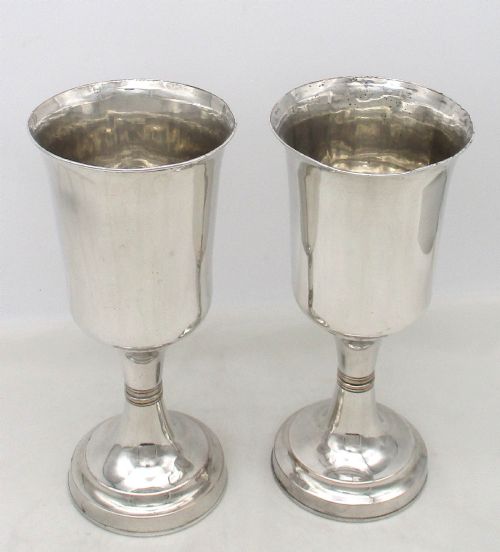
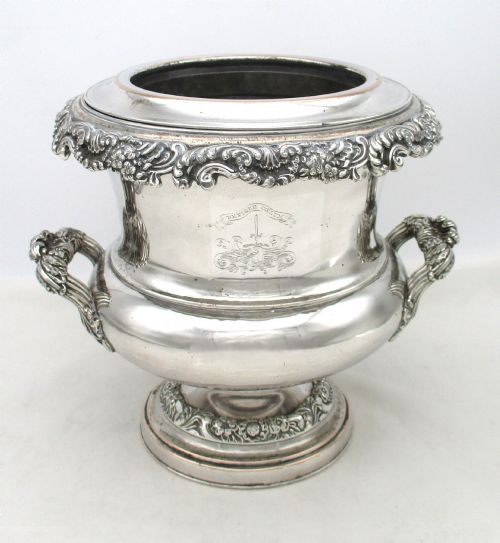
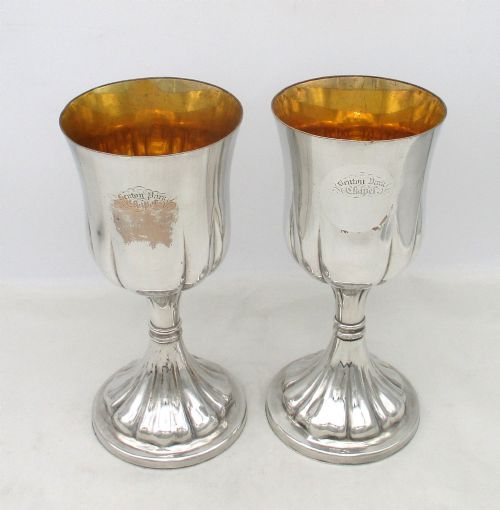
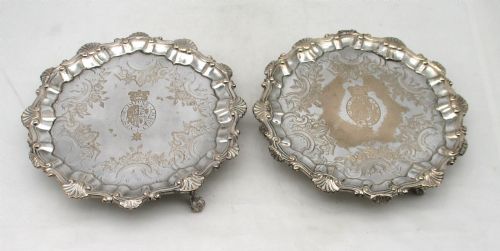
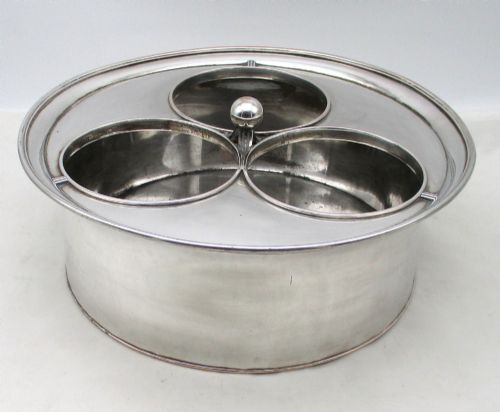
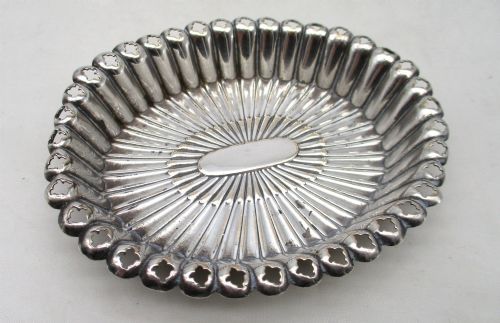
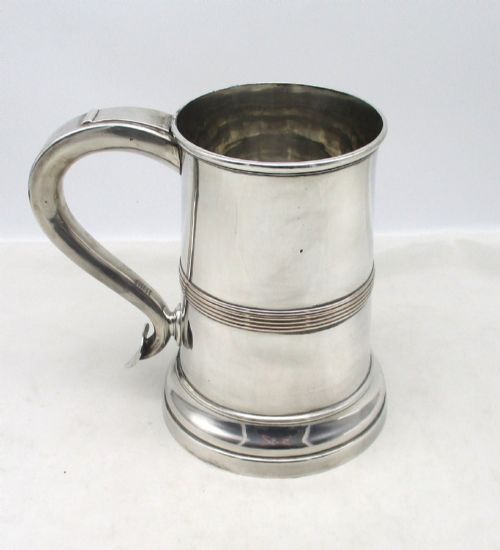
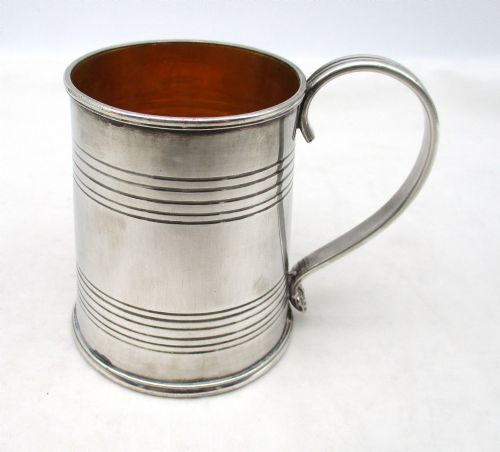
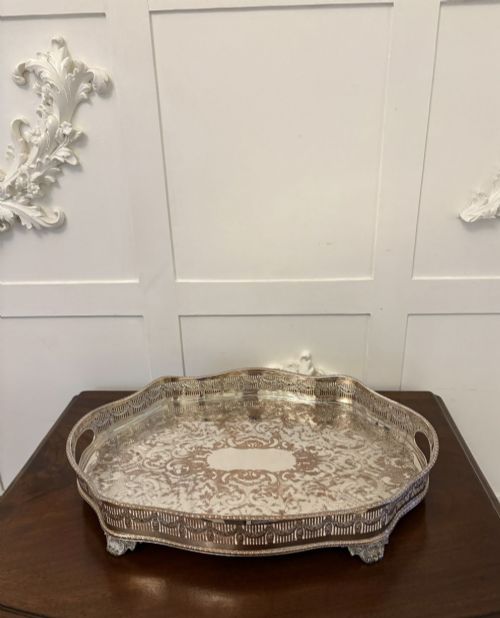
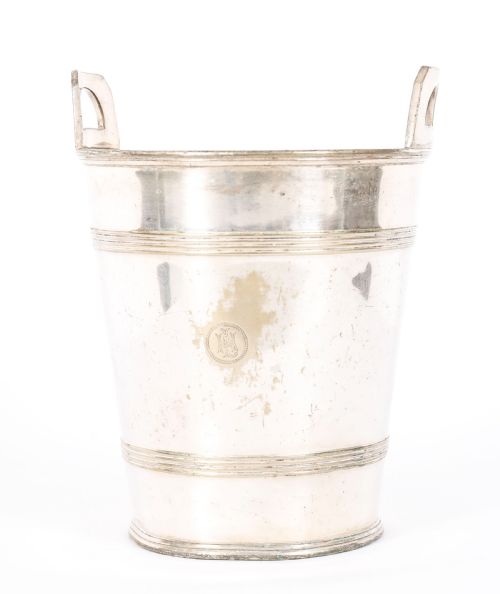
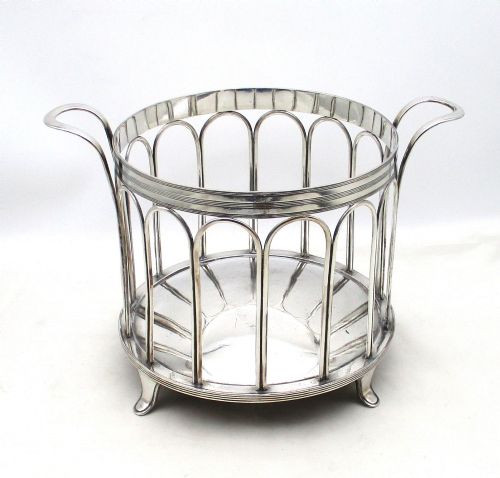
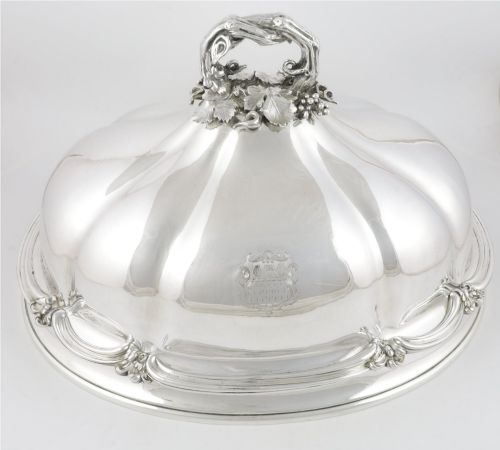
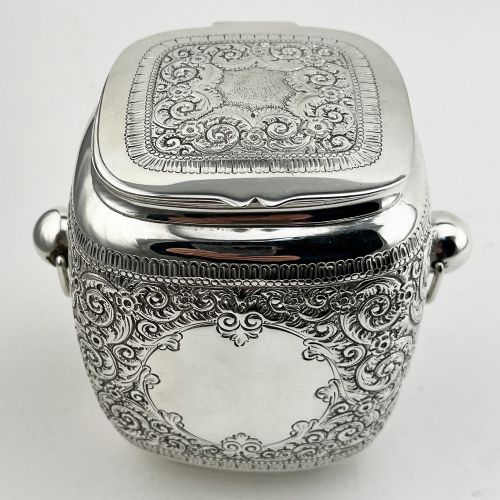
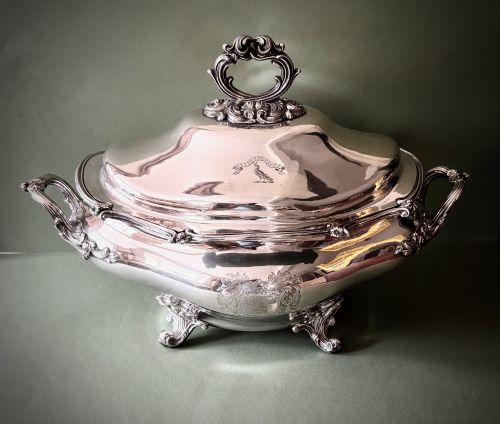
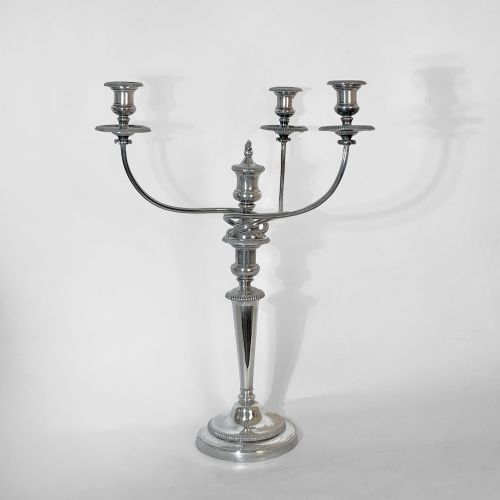
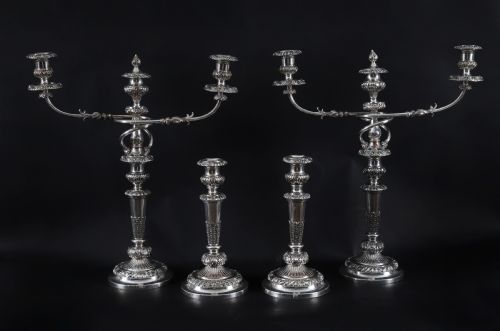
When searching for sheffield silver plate, buyers encounter items ranging from eighteenth-century Georgian tableware to later Victorian and Edwardian domestic objects. The selection includes dining table essentials such as wine coolers, candelabra, coasters, meat domes, and tea urns alongside smaller vessels like tankards and card trays.
Many examples stem from the Georgian and Regency eras utilising Old Sheffield Plate, while later nineteenth and twentieth-century items incorporate standard silver plating techniques. These pieces reflect historical dining traditions, displaying forms designed for serving wine, tea, and formal meals.
Materials and construction
Original pieces of Old Sheffield Plate were manufactured through the fusion method, bonding a thin sheet of silver to a thicker copper ingot by heat and pressure. This technique often reveals thin lines of exposed copper along edges or wear points.
Later nineteenth-century production shifted towards electroplating silver onto base metals like copper and metal alloys. Makers frequently incorporated materials such as wood, gold gilt, glass, and nailsea glass into handles, liners, and decorative vessels.
Assessing quality
The standard of execution depends heavily on the crispness of chased or engraved detailing and the retention of the original silver layer over the base metal. Pieces featuring applied cast silver borders and mounts demonstrate superior workshop labour.
Proportion, weight, and the integrity of soldered joints dictate the overall execution. Well-preserved maker marks and engraved family crests add provenance and document the output of prominent workshops.
Matthew Boulton·Roberts Cadman·Henry Wilkinson·Creswick·Richard Morton
The Sheffield Silver Plate Glossary
- Old Sheffield Plate
- A material created by fusing a sheet of silver to a copper core prior to rolling. This technique predates nineteenth-century electroplating.
- Meat Dome
- A large domed cover used to keep joints of meat warm on the dining table. They frequently feature engraved crests and matching warming bases.
- Wine Cooler
- A vessel designed to hold bottles and ice during formal dining. Examples range from single-bottle holders to large multi-bottle receptacles.
- Candelabra
- A branched lighting fixture holding multiple candles. They often feature detachable branches allowing them to function as standard candlesticks.
- Electroplate
- A method of depositing a coating of silver onto a base metal using electrical current. This process largely replaced fusion plating during the Victorian era.
Sheffield Silver Plate: Frequently Asked Questions
What is Old Sheffield Plate?
Old Sheffield Plate refers to items made by fusing silver and copper together before the invention of electroplating. This technique produces a distinctive material structure where the underlying copper occasionally shows through with age.
Items created this way date predominantly from the eighteenth and early nineteenth centuries. They represent an important technological precursor to modern plating methods.
How do I clean these items?
Cleaning requires gentle silver polish and a soft cloth to avoid removing the thin layer of surface silver. Harsh abrasive cleaners will damage the underlying metal layers.
Regular maintenance preserves the finish without stripping historical wear patterns. Professional conservation is recommended for pieces with delicate applied mounts or fragile plating.
How can I date a piece?
Dating relies upon stylistic markers, construction techniques, and maker marks stamped into the metal. Georgian and Regency pieces often exhibit fused copper edges, whereas later items use electroplating.
Form and decoration also provide chronological clues, shifting from neoclassical restraint to ornate Victorian revival styles. Comparative study of known workshop timelines helps narrow the period of manufacture.
Were these pieces used daily?
Many items served practical functions in upper-class dining rooms for serving wine, tea, and large meals. Tureens, tea urns, and wine coolers were active components of formal hospitality.
Over time, regular polishing and use caused natural thinning of the silver layer, particularly on raised edges. Surviving examples demonstrate both domestic utility and decorative display.