



Epns Serving Platter
An epns serving platter brings sturdy metalwork and polished elegance to the table, offering a durable foundation for afternoon tea, dinner parties, and cocktails.
Epns Serving Platter
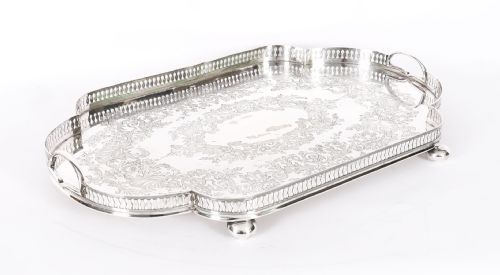
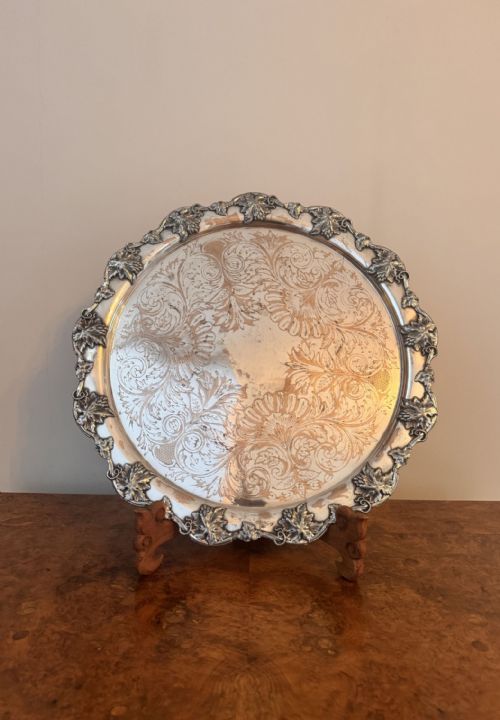
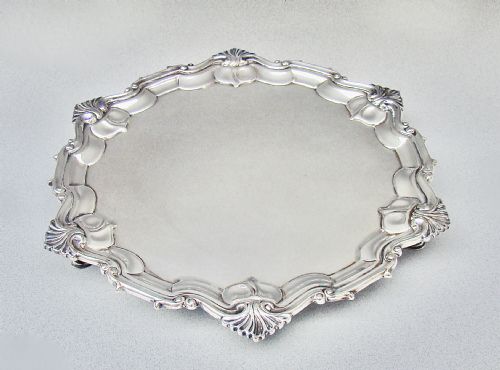
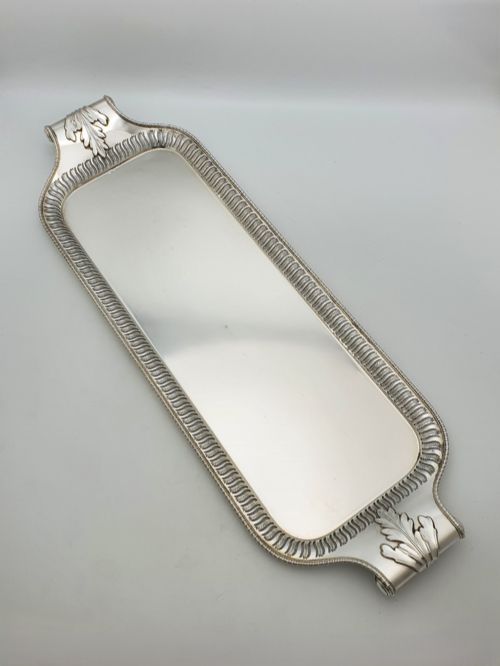
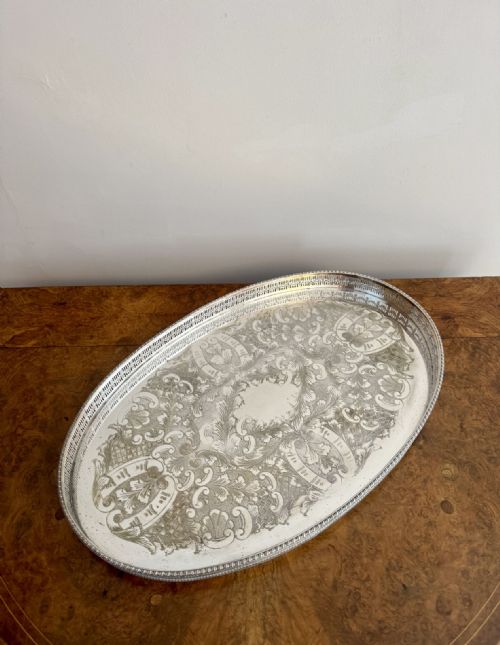
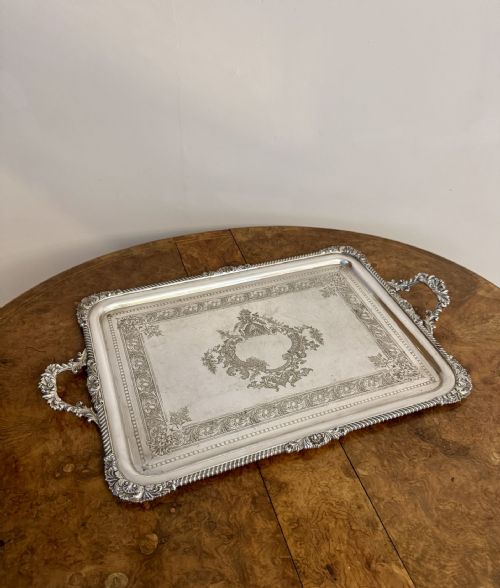
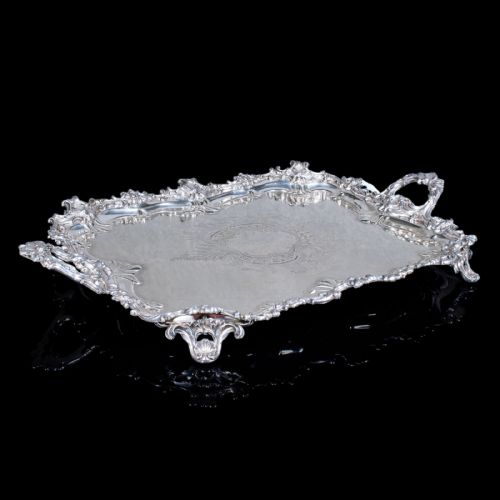
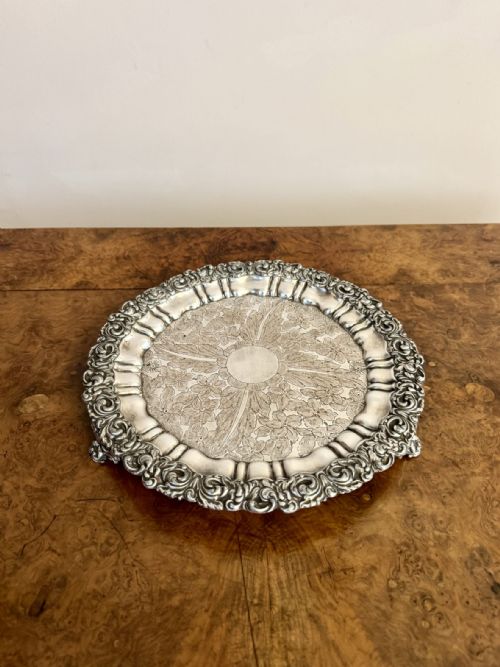
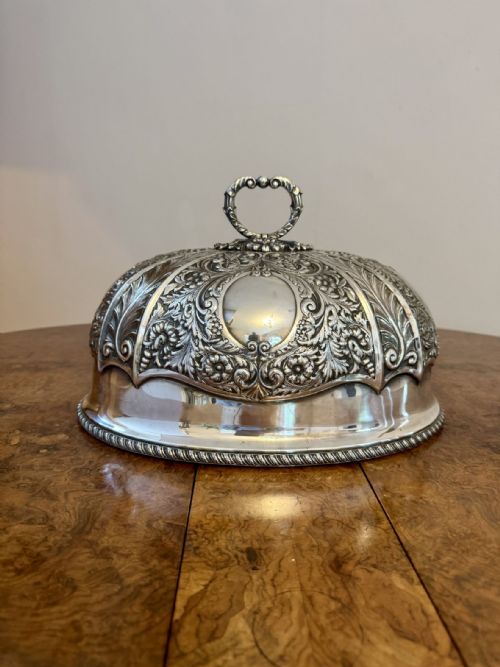
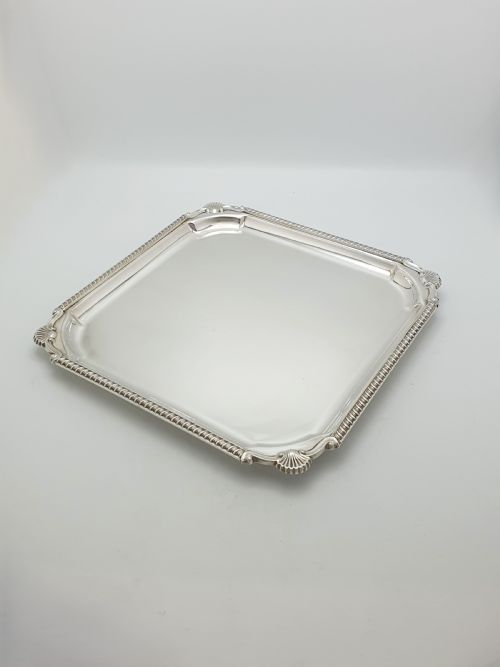
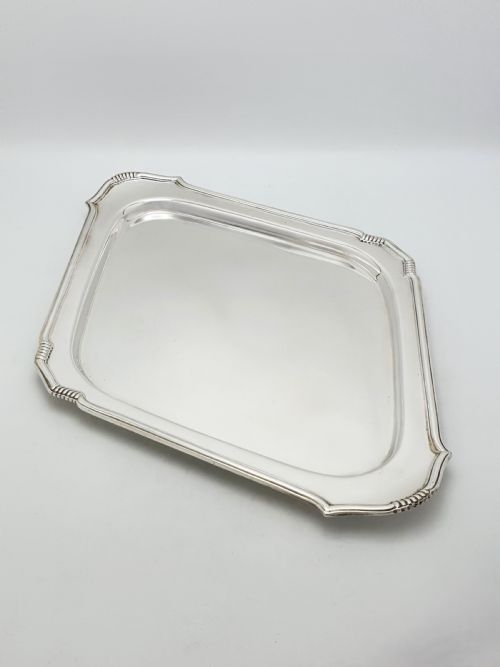
When searching for an epns serving platter, buyers encounter a robust array of domestic metalware designed for food presentation and hospitality. These items span Victorian, Edwardian, and Art Deco periods, encompassing shapes from circular salvers and rectangular meat covers to diamond-shaped cocktail trays and twin-handled serving dishes.
Assessing quality and finish
Quality in these items rests upon the crispness of the engraving, the weight of the metal base, and the integrity of the silver plating. Heavier gauge metal prevents warping and indicates a sturdier construction designed for frequent use.
The finesse of pierced work on gallery trays and the secure attachment of handles distinguish finer examples. Maker marks from established silversmiths provide further indication of careful workshop production.
Listings span from the 1860s through the 1930s, featuring silver plate, EPNS, and nickel silver across styles including Victorian, Edwardian, and Art Deco.
James Deakin·William Hutton And Sons·Walker And Hall·Mappin And Webb·Hukin And Heath·Atkin Brothers·John Collyer Birmingham·Lee And Wigfull·J.H. Potter
The Epns Serving Platter Glossary
- EPNS
- Electroplated Nickel Silver, a method where a layer of silver is deposited onto a nickel brass or copper alloy base. This material forms the foundation of the tableware found in these listings.
- Gallery tray
- A tray featuring an upright pierced or reticulated metal gallery border designed to keep items secure during transport. These borders often showcase delicate pierced patterns.
- Salver
- A flat serving tray, typically circular and raised on feet, traditionally used for presenting drinks or letters. Victorian examples frequently display chased or engraved surface decoration.
- Entree dish
- A covered serving vessel intended for keeping food warm at the dining table. They appear in oval and rectangular forms, sometimes with removable handles.
- Reticulated
- Patterned with an openwork net or trellis design created by piercing the metal plate. This technique adds decorative lightness to heavy serving trays.
Epns Serving Platter: Frequently Asked Questions
How do I clean an epns serving platter?
Use a soft cloth and a gentle silver polish formulated for plated items to maintain the shine without wearing through the thin silver layer.
Avoid harsh abrasives and soaking the items in chemical dips, as these methods damage the underlying base metal and any remaining plate.
Can I use these trays for food service?
Most pieces were originally built for serving food, afternoon tea, or drinks during the Victorian and Edwardian periods.
Modern users can safely serve dry foods, pastries, and bottled drinks, though acidic foods should not be left in contact with the plating for extended periods.
What is the difference between Victorian and Art Deco trays?
Victorian and Edwardian trays tend to feature ornate floral engraving, heavy cast borders, and elaborate pierced galleries.
Art Deco items from the 1920s and 1930s favour geometric shapes like diamond or hexagonal outlines, clean lines, and stylised motifs such as shell borders.
How can I tell who made a tray?
Makers stamped their initials, trade names, or specific symbols onto the underside or rim of the metalwork.
These marks often include indicators distinguishing electroplate from solid silver, helping to identify the firm and approximate decade of production.