


Sheffield Plate Cup
Sheffield plate cup examples bring historic fused metalwork to the table, offering tangible Georgian and Victorian craftsmanship.
Sheffield Plate Cup
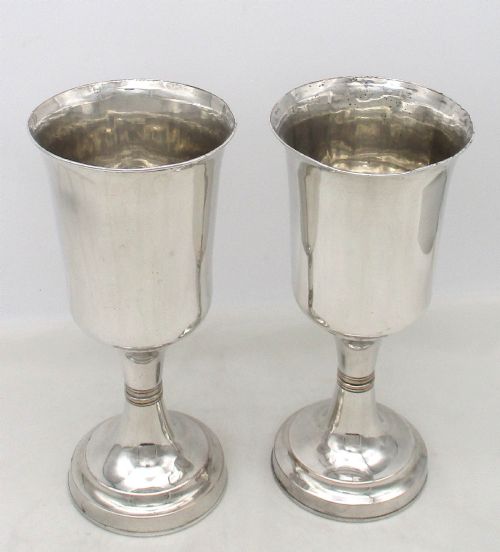
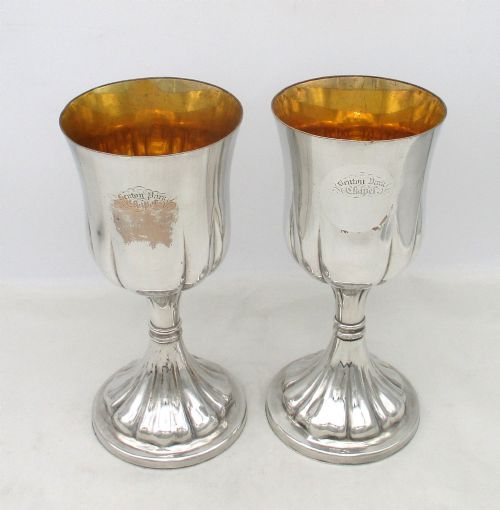
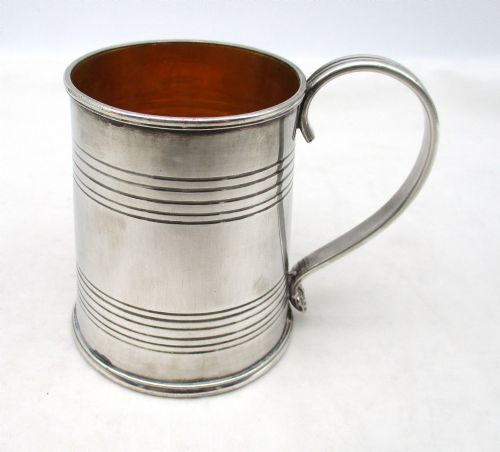
A sheffield plate cup encompasses a range of drinking vessels and decorative forms, from communion chalices and loving cups to tankards and egg cups. These items date predominantly from the 18th century and the 19th century, spanning periods such as the Georgian, Regency, William IV, Victorian, and Art Nouveau eras.
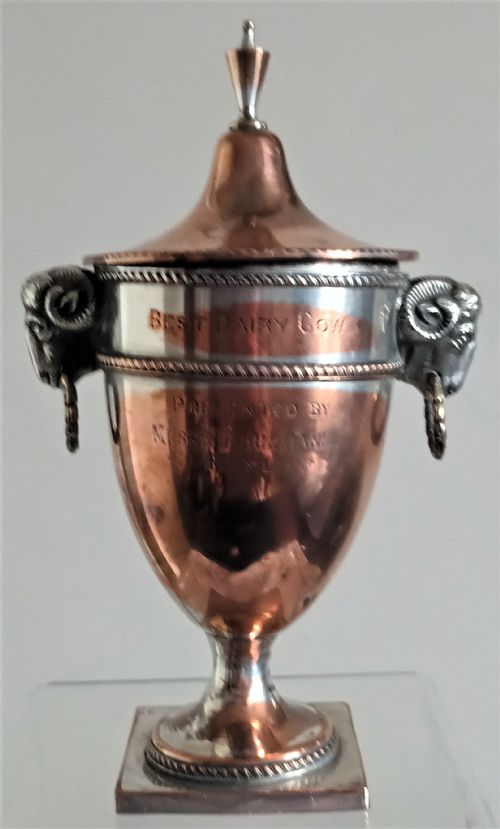
The selection includes communion chalices, goblets, child's tankards, and miniature chestnut urns, alongside coconut cups featuring metal mounts. Buyers most frequently encounter 19th century chalices and loving cups alongside earlier Georgian examples on this page.
Materials and construction
These vessels utilise a base of copper fused with silver, creating old sheffield plate through a specific plating technique. Certain items incorporate gold gilt or gilding for interior or decorative contrast.
Makers shaped the fused metal sheets into forms such as tankards, urns, and chalices, sometimes mounting coconut shells within the silver-plated framework.
Listings feature materials spanning copper, silver plate, gold gilt, and old sheffield plate across the 18th and 19th centuries.
Quality differences in the range
Quality varies according to the crispness of applied crests, handles, and leaf-capped scroll work on larger loving cups and trophies. Superior examples maintain an even spread of the silver layer over the copper base without excessive wear revealing the reddish metal underneath.
Proportion and form dictate the distinction between standard production pieces and finer ecclesiastical chalices or miniature urns. The handling of mounts on coconut cups also separates basic work from more elaborate designs.
Joseph Rodgers & Sons·N Smith·Thomas Law
The Sheffield Plate Cup Glossary
- Old Sheffield Plate
- A material created by fusing a sheet of silver to a copper ingot, developed in the 18th century before electroplating became common.
- Loving Cup
- A large drinking vessel, typically featuring two handles, designed to be passed around among guests or members of a club.
- Chalice
- A goblet or stemmed cup used primarily for drinking during church communion services.
- Chestnut Urn
- A decorative, lidded vase-shaped vessel, sometimes produced in miniature as part of table silver.
- Gilt
- A thin layer of gold applied to the surface of the metal object to provide a rich interior or accent.
Sheffield Plate Cup: Frequently Asked Questions
What is a sheffield plate cup made from?
These items are constructed using a copper core fused with a thin layer of silver, known as old sheffield plate. Some pieces also feature gold gilding on interior surfaces.
Makers occasionally combined this plated metal with organic materials like coconut shells for specific cup mounts.
How were loving cups used historically?
Loving cups served communal drinking functions at banquets, banqueting clubs, and civic gatherings. Their multiple handles allowed them to be passed safely between guests.
Many of these large vessels also functioned as presentation trophies, often bearing engraved family crests.
How do I date an 18th century piece?
Dating relies on stylistic indicators from periods like the Georgian era, alongside maker marks and construction methods. Earlier items often display heavier gauge copper and simpler form proportions.
Comparative examples in archives help narrow down production eras to specific decades like the 1780s or 1800s.
Are communion chalices different from standard goblets?
Communion chalices were specifically manufactured for church services, often possessing deep bowls and sturdy stems for liturgical use. Standard goblets and loving cups served secular domestic or club environments.
Both forms share similar old sheffield plate manufacturing techniques despite their differing intended settings.