


Sheet Music Stand
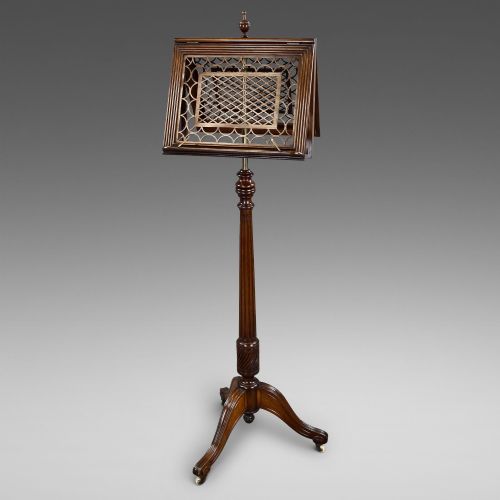
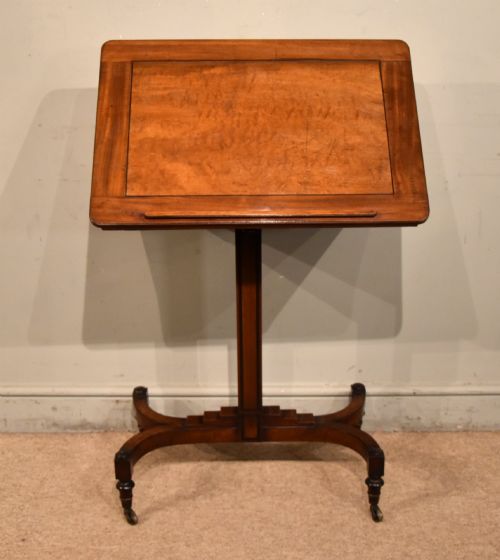
These sheet music stand pieces are practical library and salon furnishings designed for holding scores, books, and folios during performance or study.
Identifying sheet music stand examples
When you search for a sheet music stand, you encounter a variety of forms designed to hold scores, books, and folios in domestic settings. The pieces listed across our inventory span the nineteenth century, the Regency period, the Victorian era, and the Edwardian period.
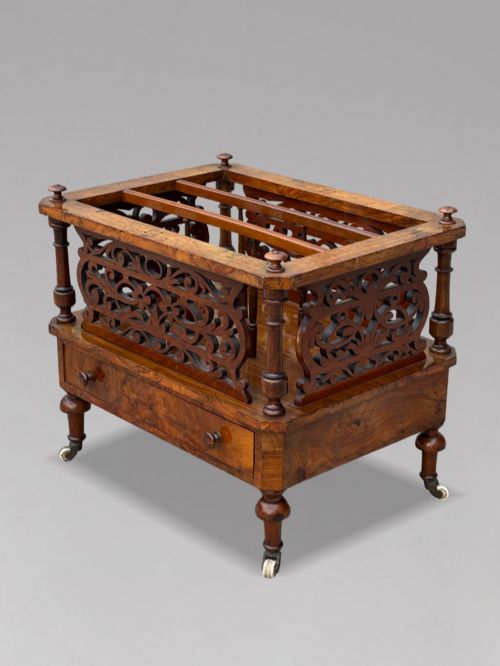
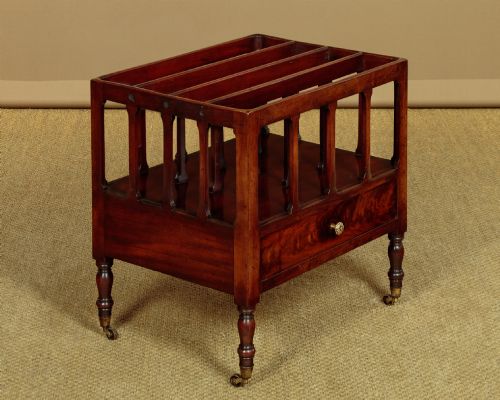
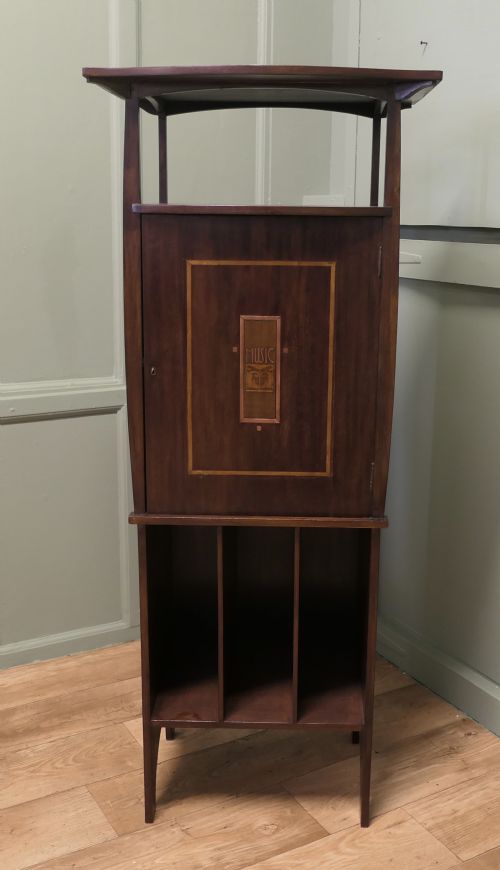
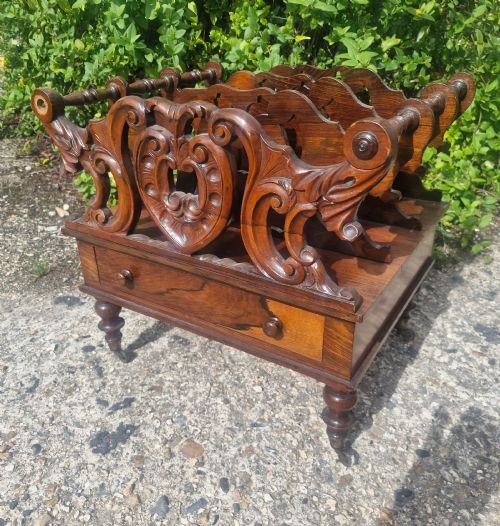
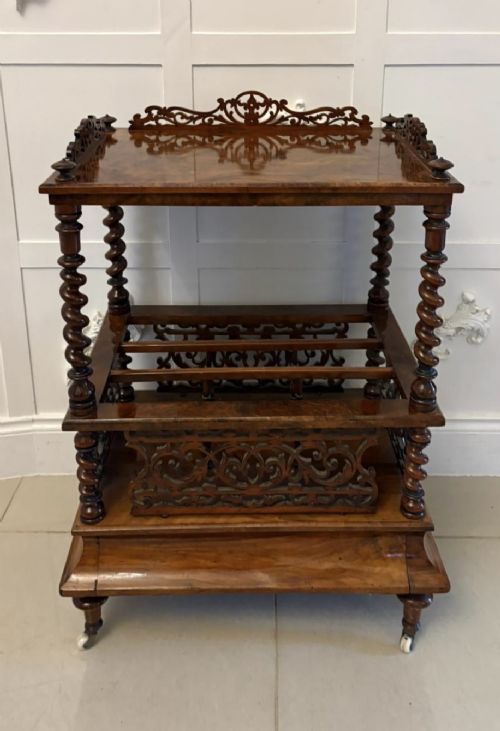
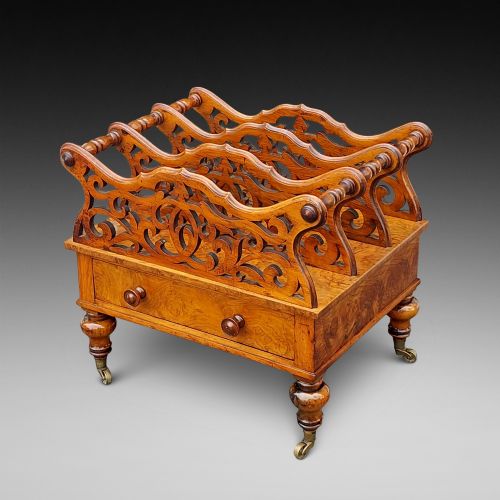
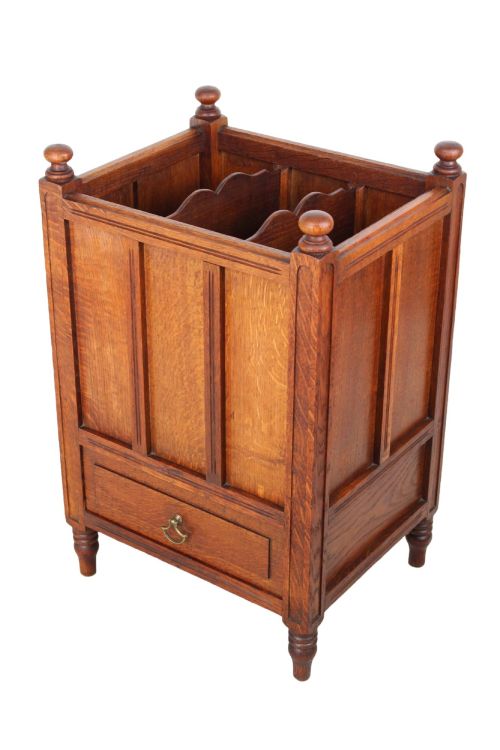
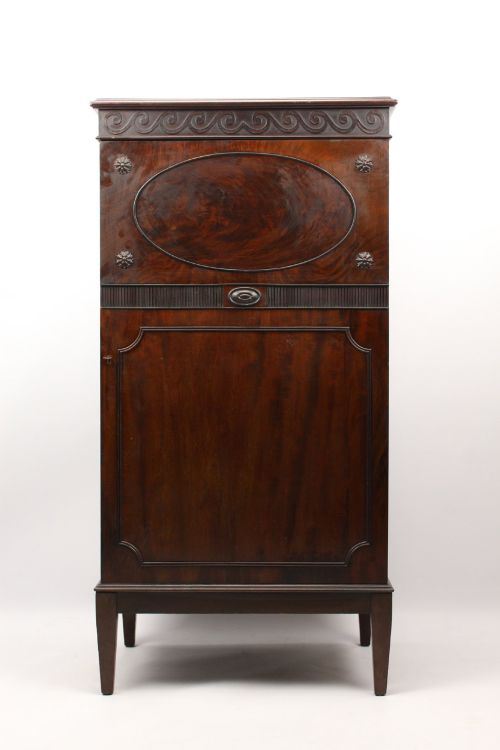
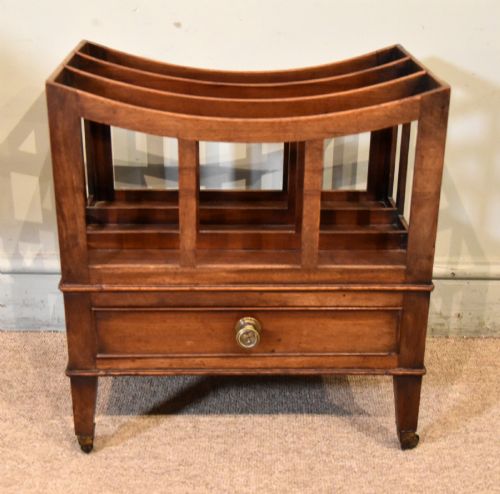
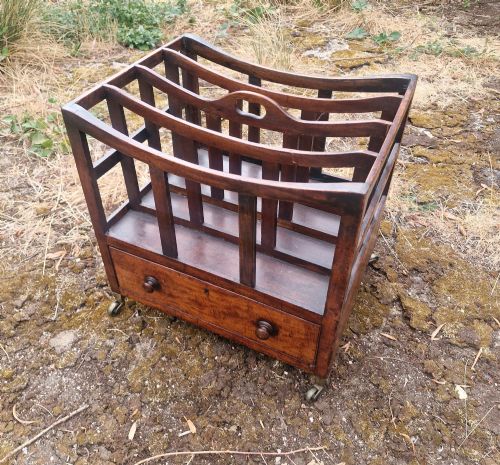
The objects take several distinct shapes including dedicated music stands, duet stands, lecterns, reading bed tables, and canterburys with partitioned sections. These items serve musicians and readers by keeping printed material upright and accessible.
Rosewood, mahogany, oak, walnut, and ebonised woods form the primary structures of these furnishings, occasionally paired with brass or glass components. You are most likely to meet mahogany and rosewood pieces reflecting Regency and Victorian tastes.
Materials and construction
Cabinet makers utilised dense hardwoods such as mahogany, rosewood, oak, and walnut to construct sturdy frames capable of supporting heavy folios and bound volumes. These timbers were selected for their grain pattern and structural stability.
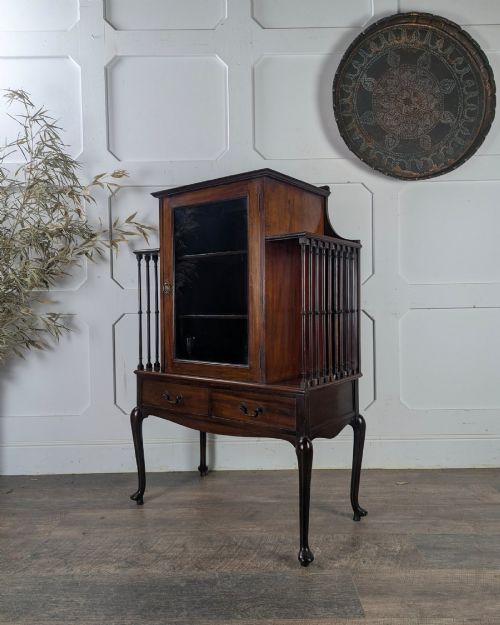
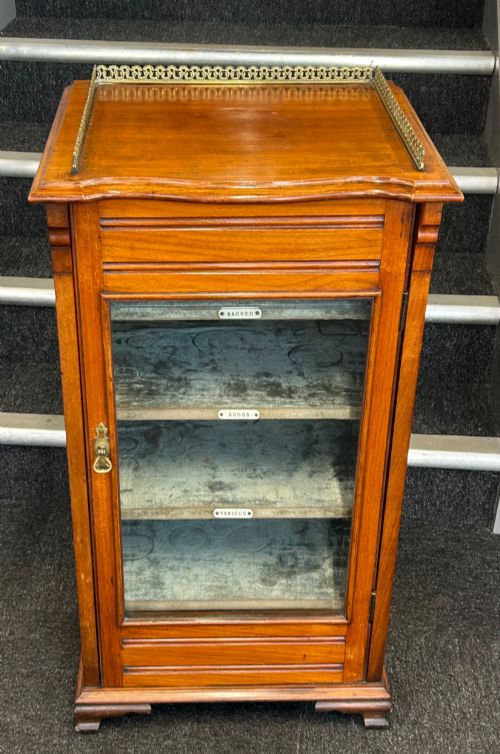
Metal elements including brass appear in structural supports, adjustable mechanisms, and shelving galleries to add both function and decorative contrast to the wood. Glass panels are incorporated into cabinet doors to protect the contents while maintaining visibility.
Retail Price Guide 2026
Typical UK retail prices for sheet music stand, calculated from the Sellingantiques database of over a million retail prices indexed since 2003. This retail price guide relies exclusively on Sellingantiques data; no external sources or auction records are used, so the figures do not describe the wider market.
Distinctions in quality
The upper tier of these pieces displays refined timber selection and sophisticated joinery, often reflecting specific design influences such as the work associated with J C Loudon. Proportions play a significant role, with oversized country house pieces demonstrating greater ambition in scale and execution.
Simpler vernacular examples rely on sturdy construction using plain oak or mahogany without elaborate ornamentation. The presence of adjustable reading mechanisms, specialised compartments, or figural cast elements separates standard utility items from exceptional workshop productions.
Zimmermann
The Sheet Music Stand Glossary
- Canterbury
- A low piece of furniture featuring vertical partitions designed to hold sheet music, folios, or periodicals.
- Folio stand
- A piece with upright supports or hinged frames intended for storing and displaying large flat books, prints, or musical scores.
- Lectern
- A slanted reading desk designed to support a book or sheet music at an ergonomic angle for a standing or seated reader.
- Duet stand
- A specialised music stand featuring dual reading desks positioned to accommodate two musicians sharing a score.
- Ebonised
- Timber treated with a dark finish to imitate the appearance of expensive ebony.
Frequently Asked Questions
What is a sheet music stand used for?
These pieces were built to hold bound volumes, sheet music, and folios securely at a readable angle for musicians and readers.
They also functioned as display pieces in nineteenth-century drawing rooms and libraries to showcase elegant bindings and collections.
How do I identify a Victorian piece?
Victorian examples frequently employ heavy mahogany or walnut timbers combined with robust joinery suited to domestic use.
They often incorporate multiple functional elements such as combined music racks, magazine holders, and compartments within a single chassis.
Where should I place one in my home?
These furnishings fit naturally beside pianos, in home libraries, or within sitting rooms as functional book and folio holders.
Their compact footprints also make them suitable for use as occasional reading tables or display surfaces in hallways.