

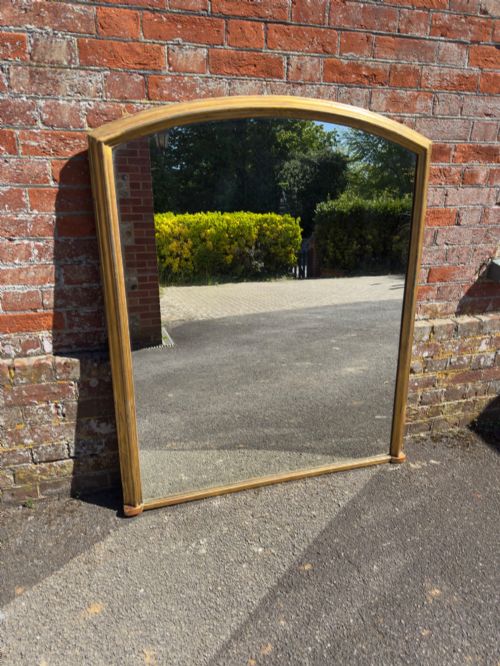


Shaped Wall Mirror
When you search for a shaped wall mirror, you enter a domain of curved timber frames, ornate gesso, and historic glass designed to catch the light.
Shaped Wall Mirror
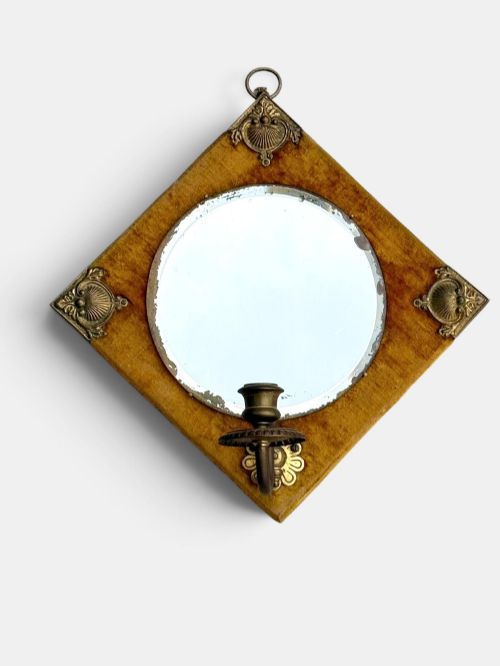
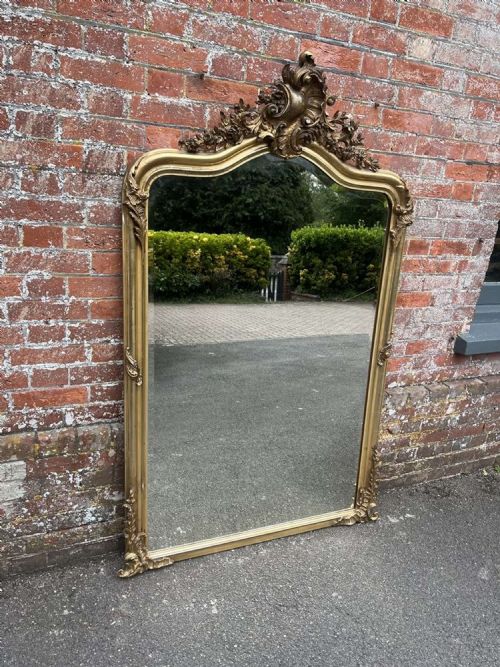
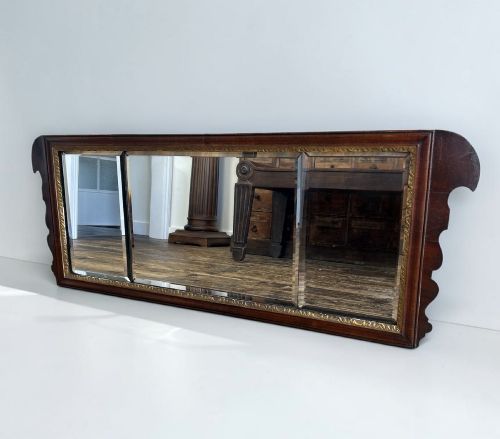
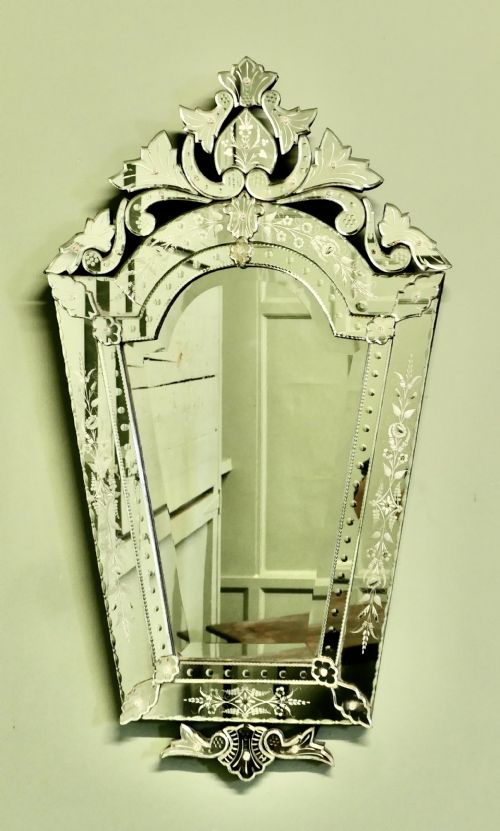
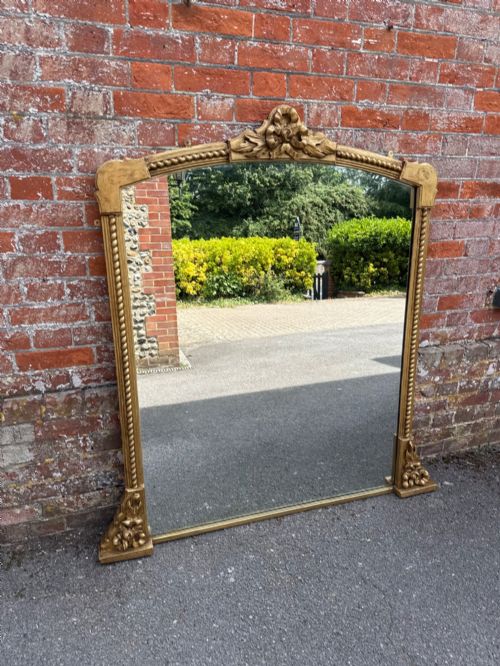
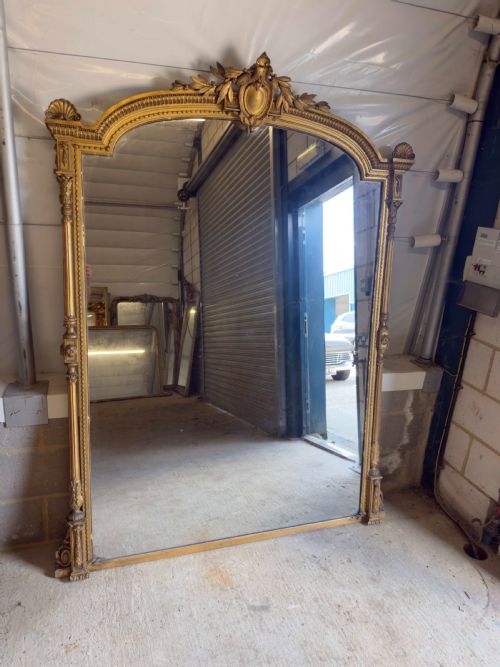
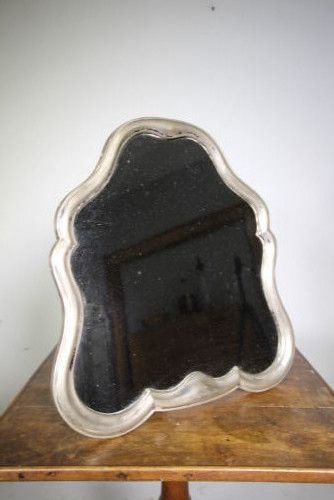
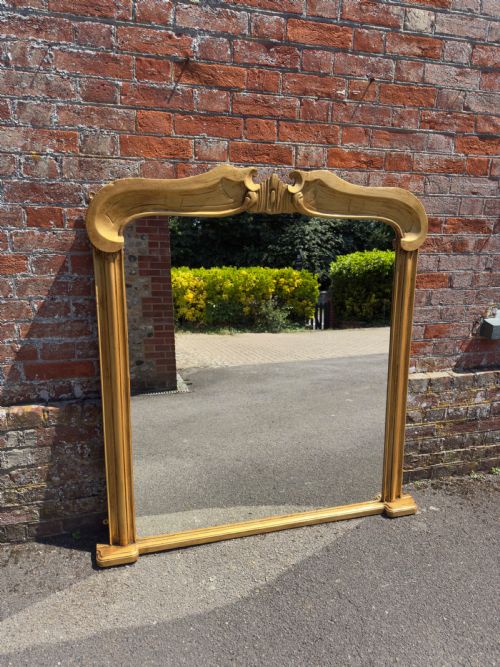
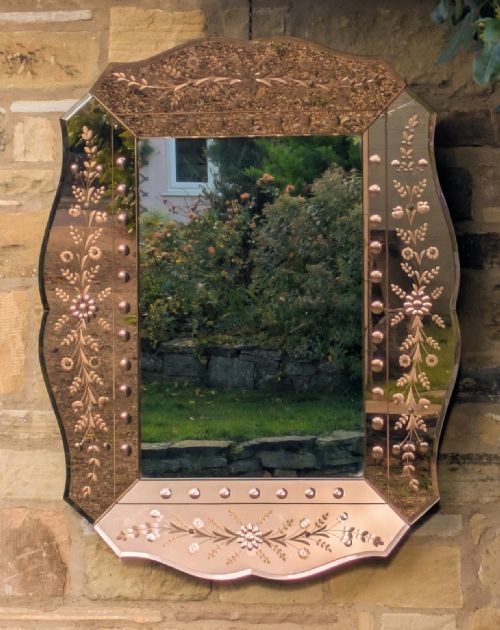
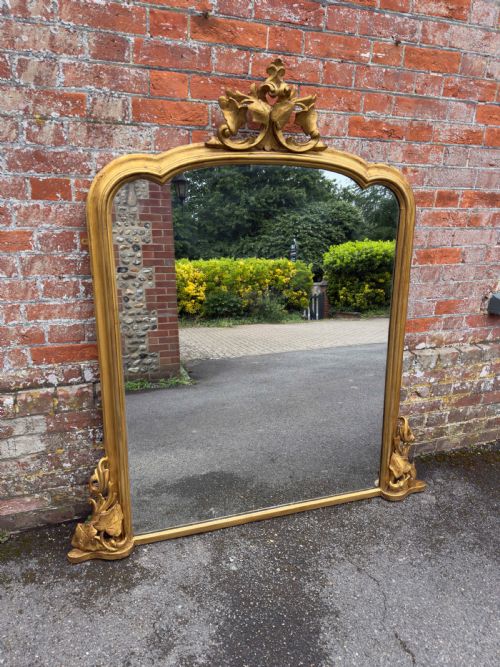
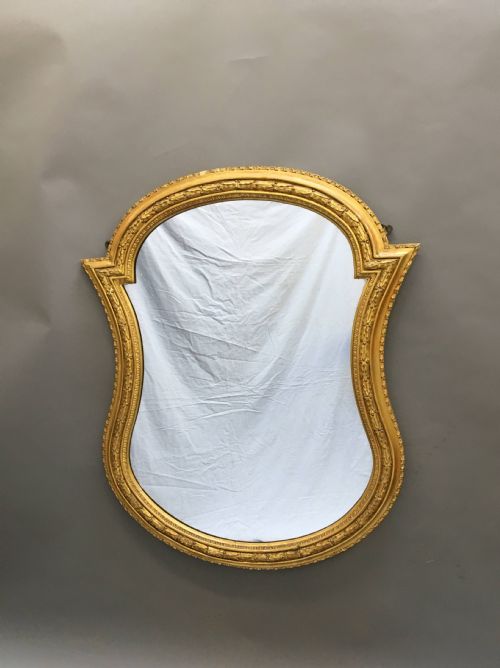
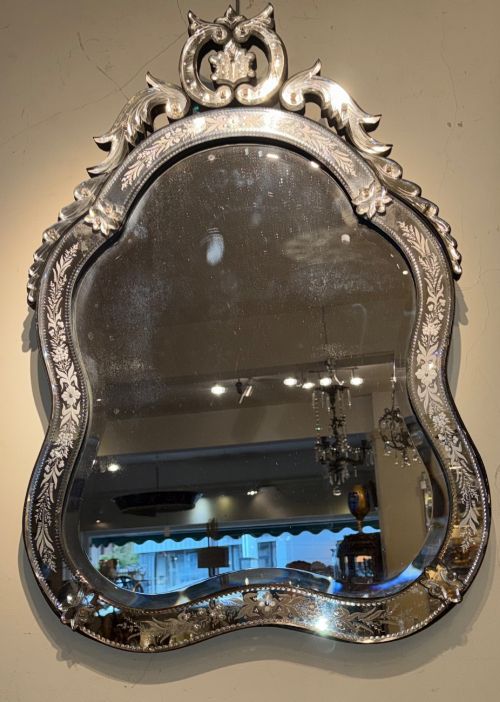
A shaped wall mirror breaks away from standard rectangular boundaries, offering silhouettes that range from gentle serpentine arches to bold cartouche, shield, and cloud outlines. These pieces function as architectural statements on a room's wall, drawing the eye through distinctive geometry rather than simple reflection alone.
The selections span distinct periods, most notably Victorian and Edwardian iterations alongside Art Deco designs from the 1930s. English nineteenth-century overmantels dominate the larger formats, whilst smaller hanging examples appear in mahogany, walnut, and painted finishes.
Distinctions in Quality and Execution
The refinement of the carved wood and gesso ornamentation dictates the upper tiers of quality, where crisp detail in the mouldings reveals the hand of a skilled artisan. Heavy nineteenth-century overmantel frames demonstrate superior joinery that securely supports large expanses of heavy glass.
Originality of the glass and gilding preserves the integrity of an antique piece. Subtle variations in the thickness of the timber frame and the depth of the rebate indicate whether a workshop produced a standard commercial item or a bespoke commission.
Materials recorded across the inventory include giltwood, carved wood, gesso, brass mounts, copper, walnut, mahogany, and peach glass.
Whytock and Reid
The Shaped Wall Mirror Glossary
- Gesso
- A plaster-like mixture applied to carved wood frames to provide a smooth base for gilding and paint. This material allows artisans to sculpt intricate relief decorations around the mirror glass.
- Overmantel Mirror
- A large horizontal mirror designed specifically to hang above a fireplace mantelpiece. These pieces frequently feature shaped tops and substantial carved wood frames.
- Cartouche
- An ornamental frame or tablet resembling a scroll or paper with rolled edges, often translated into the curved silhouette of a mirror. This French-inspired shape introduces fluid, asymmetrical lines to a wall.
- Pier Glass
- A tall mirror traditionally hung on the narrow pier of wall between two windows. They often complement console tables and feature elongated proportions.
- Trefoil
- A three-lobed decorative shape reminiscent of a clover leaf, occasionally utilised in the framing of Victorian mirrors. This Gothic-influenced geometry creates distinct cusped curves.
Shaped Wall Mirror: Frequently Asked Questions
How do I hang a heavy overmantel mirror?
Large nineteenth-century frames require secure anchorage directly into wall studs or masonry using heavy-duty brackets that match the weight of the timber and gesso.
Because these pieces distribute significant loads across their shaped tops, professional installation ensures the frame remains stable against the wall.
What defines an Art Deco cloud mirror?
Art Deco cloud mirrors feature asymmetrical, rounded silhouettes that mimic drifting vapour rather than strict geometric symmetry. These 1930s designs often utilise walnut or plain glass without heavy carving.
The clean, streamlined edges reflect the modern aesthetic of the interwar period, contrasting sharply with ornate Victorian revival styles.
How should I clean antique mirror glass?
Gentle dusting with a soft, dry cloth preserves the fragile silvering behind old mirror glass. Avoid harsh chemical ammonia sprays that can seep behind the edges and damage the original backing.
When moisture is necessary, apply a mild soap solution sparingly to the cloth rather than spraying directly onto the glass surface.
Can I date a mirror by its frame?
The combination of underlying wood, gesso technique, and framing style provides clear chronological markers. For instance, heavy carved wood and gesso gilt frames point towards the mid-to-late nineteenth century, whilst clean walnut outlines often indicate the 1930s.
Examining the backboards and fixings offers further clues regarding the period of assembly and subsequent restoration work.