
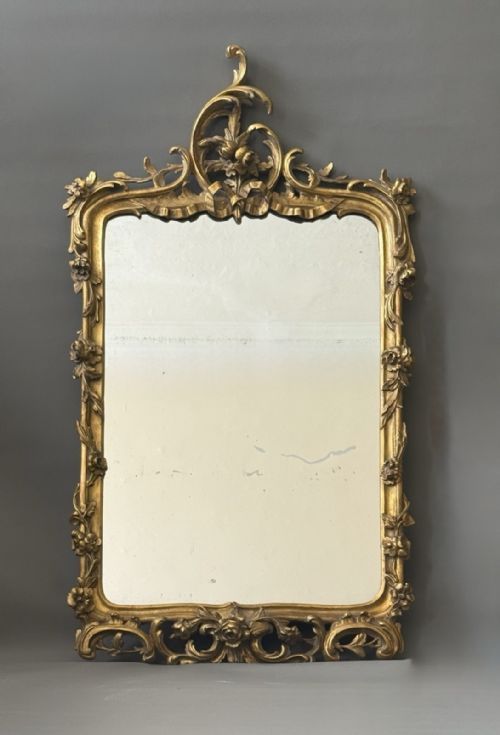
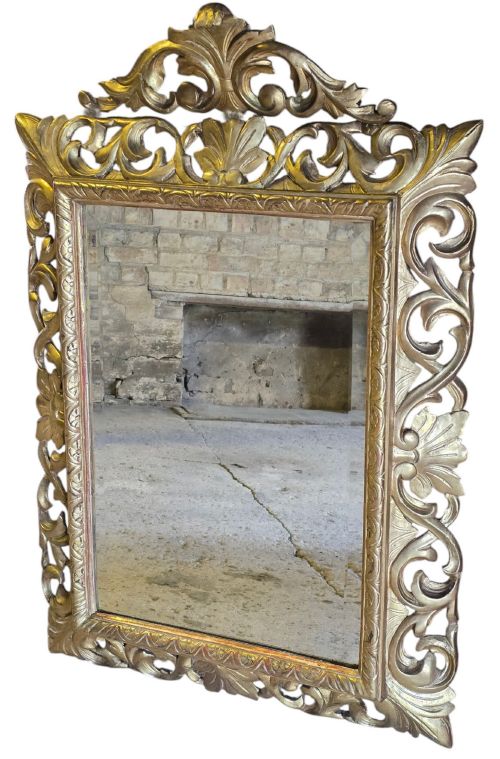


Vintage Rococo Mirror
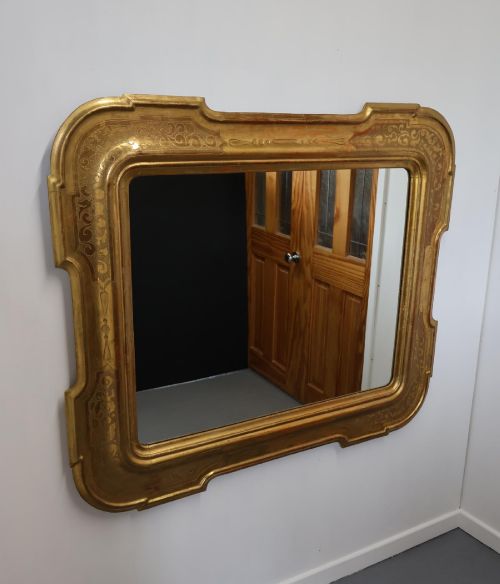
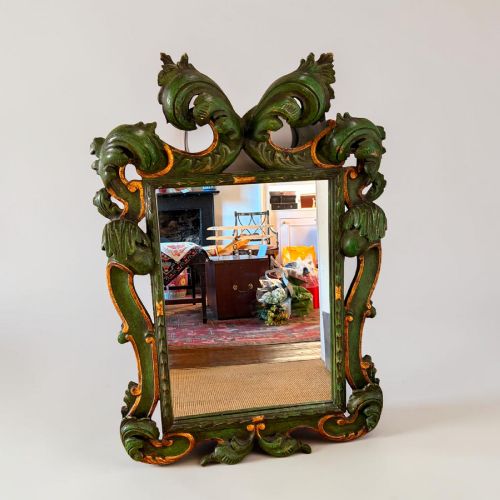
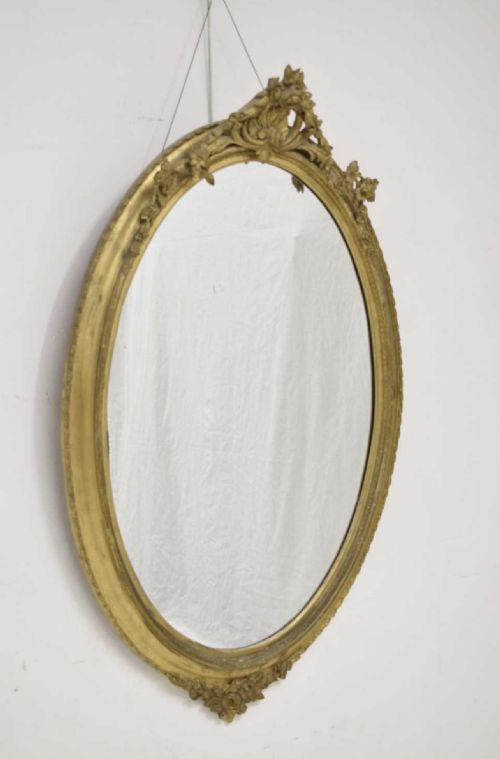
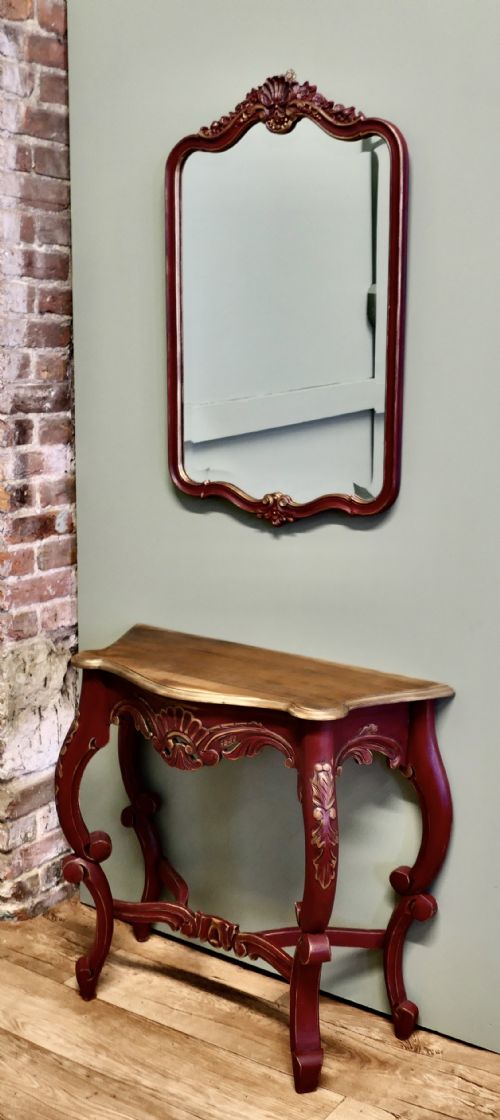
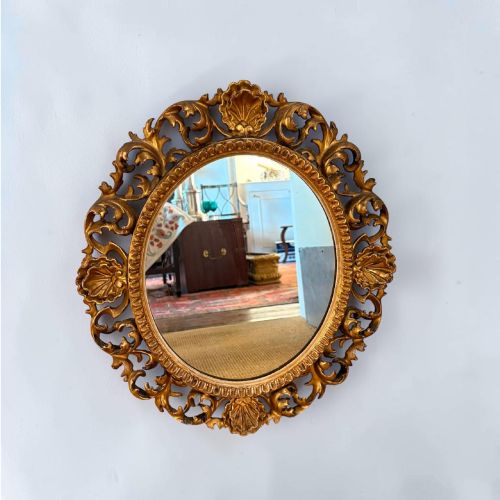
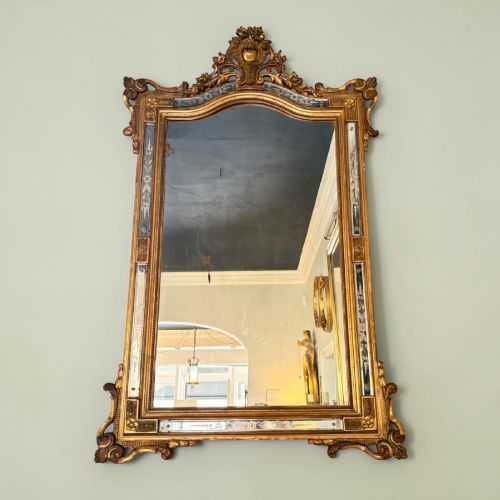
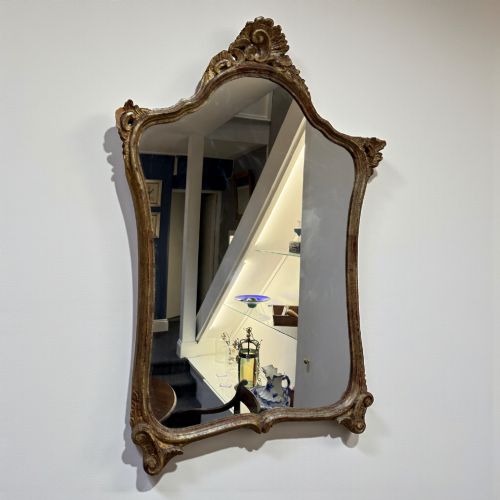
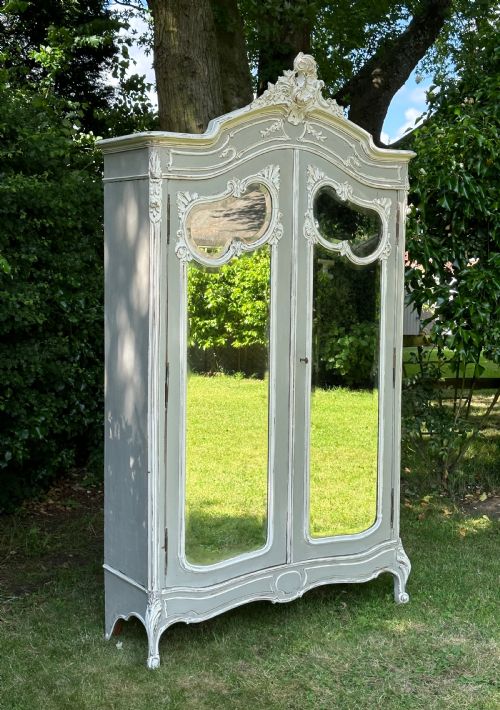
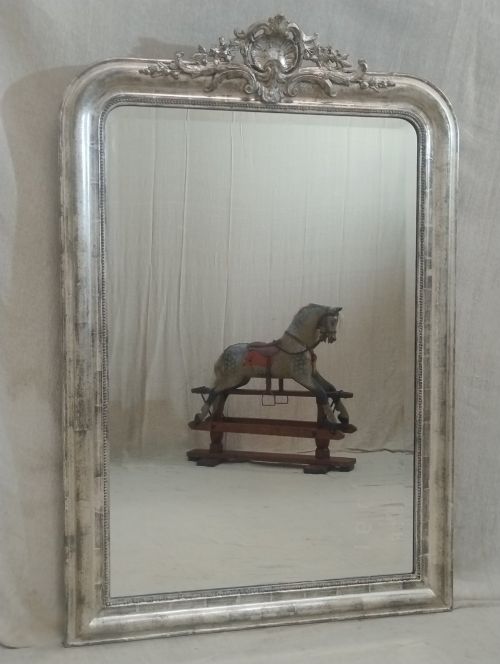
A vintage rococo mirror brings organic curves and elaborate scrolling into a room, drawing the eye with rich gilding and fluid frames.
How They Were Made
Craftsmen built the foundations of these frames using solid woods such as oak, walnut, and carved timber, sometimes applying gesso to create smooth sculptural reliefs. Gilding was achieved through the application of gold leaf or gold paint over the prepared wooden base, capturing the luminance characteristic of the period. Metal variants also appear, utilising brass and gilt metal shaped into intricate revival forms.
Mirror plates were set into the carved housings, occasionally featuring antique silvering, bevelled edges, or engraved details. Workshops employed deep carving techniques to achieve the three-dimensional curves and naturalistic foliage associated with the aesthetic.
What Varies in Quality
The depth and crispness of the hand-carving separate standard production from superior examples, with finer frames displaying sharp undercut foliage and scrolls rather than soft, moulded contours. The application of gold leaf shows distinct tiers of craftsmanship, where genuine leaf ages with a warmer patina compared to flat metallic paints.
The integrity of the frame construction and the preservation of the original mirror plate heavily influence the standing of a piece. Frames retaining their early gesso layers and unblemished carved details demonstrate superior survival through the centuries.
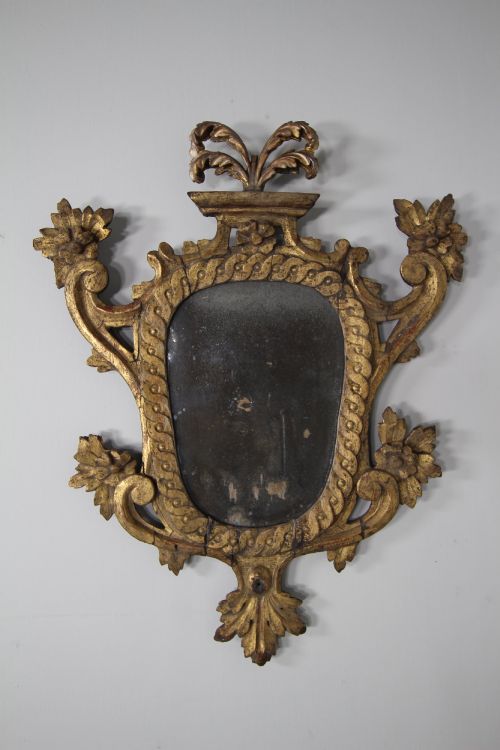
Some girandoles arrive with tiny candle arms ready to flicker beside your reflection just as they did in nineteenth-century drawing rooms.
The Vintage Rococo Mirror Glossary
- Giltwood
- Wood that has been coated with gold leaf or gold paint. This finish provides the characteristic metallic sheen seen on many period frames.
- Gesso
- A plaster-like mixture applied to wood frames before gilding. It creates a smooth surface suitable for intricate carving and moulding.
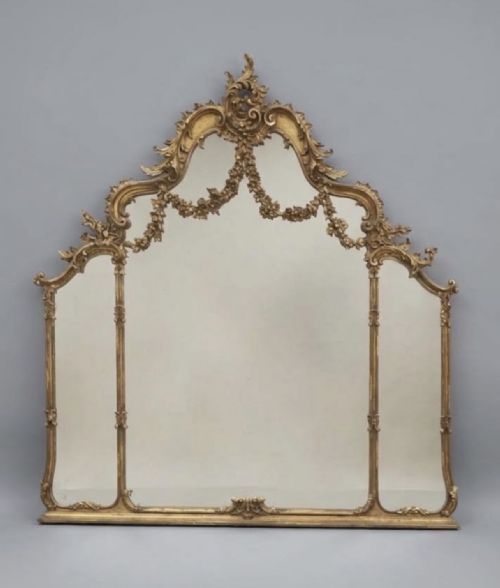
- Overmantel Mirror
- A large mirror designed to hang above a fireplace mantel. These pieces often feature wide proportions to span the width of the hearth.
- Girandole
- A wall-mounted mirror featuring attached candle sconces. The candle arms reflect additional light into the interior space.
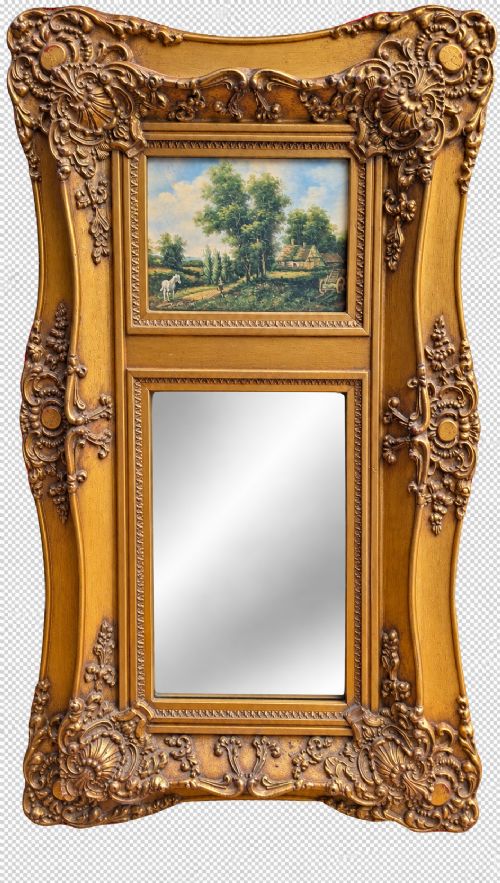
- Trumeau
- A decorative wall mirror incorporating a painted panel or artwork above the glass plate. These French pieces frequently sit flush against interior walls.
Vintage Rococo Mirror: Frequently Asked Questions
Where should I hang an overmantel mirror?
An overmantel mirror is traditionally positioned directly above a fireplace mantelpiece to anchor the focal point of a room. Secure the heavy frame safely into structural wall studs using appropriate fixings.
Ensure the width of the glass matches or complements the span of the mantel below it for a balanced visual proportion.
Are these mirrors original to the eighteenth century?
Many items date from later periods such as the nineteenth century or Edwardian era, capturing earlier designs through revival styles. Examining the timber backing, assembly methods, and fastening types helps determine the true age of the piece.
Glass plates can also be replaced over time, meaning the frame and the mirror glass may originate from different decades.
How do I secure a heavy wall mirror?
Heavy carved timber and gesso frames require robust wall anchors rated significantly above the total weight of the object. Heavy-duty mirror brackets or French cleats distribute the load evenly across the structure.
Check that the fixing points screwed into the wooden frame remain solid and free from splitting before hanging.