




Shahsavan Tribal Rug
A shahsavan tribal rug brings bold geometric motifs and rich natural dyes directly from the nomadic weaving traditions of the Caucasus and northwest Persia.
Shahsavan Tribal Rug
When you search for a shahsavan tribal rug, you encounter flatwoven and pile textiles originating from the nomadic and village groups of the Caucasus and Moghan regions. The selection spans the nineteenth century, including specific decades from eighteen fifty to nineteen ten.
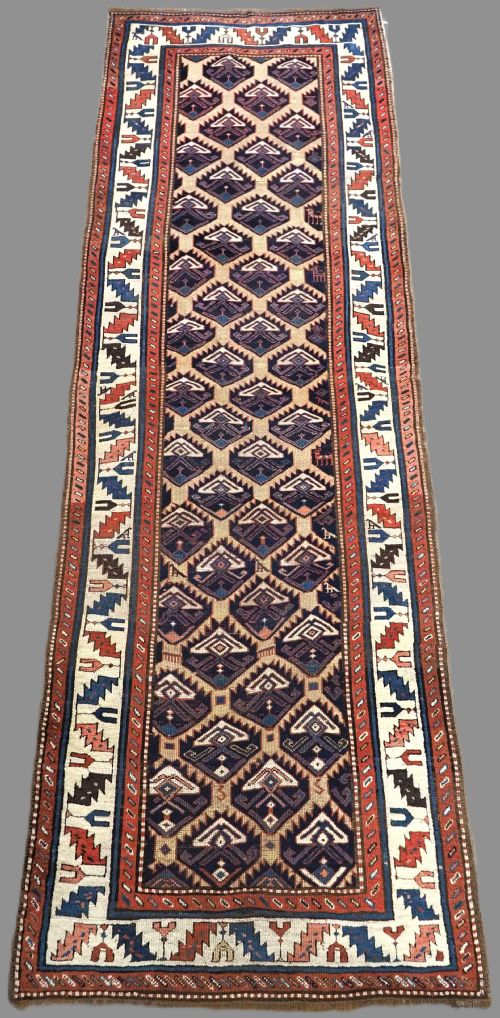
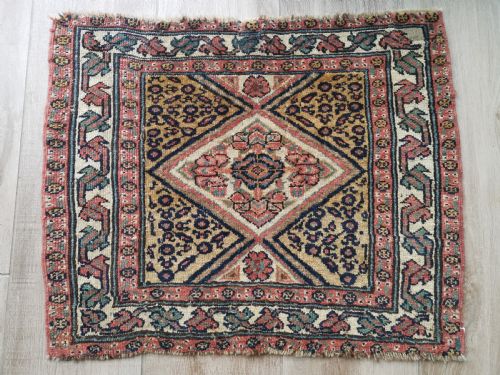
You meet various functional forms rather than standard floor coverings alone. These include complete storage bags known as mafrash, individual bag faces, saddle bags termed khorjin, panels, and narrow hallway runners.
How they were made
Weavers constructed these pieces primarily using hand-spun wool and cotton foundations, often incorporating leather and metal accents on specific storage forms. Natural and vegetable dyes provide the palette, creating soft, varied tones across the surface.
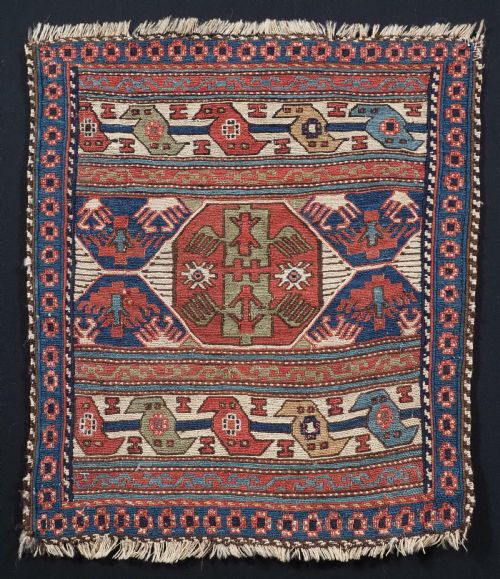
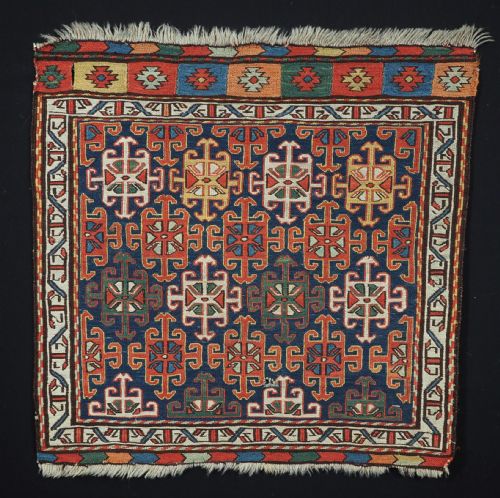
The soumak technique defines many items, producing a flatweave structure with supplementary weft wrapping that allows for crisp geometric designs, birds, and dragons. Artisans also produced standard kilim flatweaves and runner formats.
Nomadic weavers hid tiny stylized birds and dragons within geometric lattices, leaving secret guardians inside everyday storage sacks.
What varies in quality
The handling of natural and vegetable dyes dictates visual depth, separating pieces with vibrant, harmonious palettes from those with muted or uneven coloration. Crisp execution in soumak wrapping yields sharper motifs and structural integrity.
Completeness alters the character of the piece, as intact storage bags and pairs command distinct interest compared to isolated panels or single bag faces. Age within the nineteenth century and structural preservation further define the upper tier.
The Shahsavan Tribal Rug Glossary
- Soumak
- A flatweave technique utilising a wrap-around weft-faced method that creates a durable fabric with a textured surface resembling embroidery. This technique allows intricate geometric patterns to emerge clearly on bag faces and panels.
- Mafrash
- A large rectangular storage chest or bedding bag constructed from four side panels and a base. These were traditionally used by nomads for transport and storage.
- Khorjin
- A traditional double saddle bag designed for transport on animals. Pairs are often joined by a central web.
- Kilim
- A flatweave textile made without a pile, produced by tightly interweaving warp and weft strands. This method results in a lightweight, durable fabric used for rugs and bags.
- Bagface
- The decorative front portion of a nomadic storage sack preserved after the plain backing wore away. These remnants display the primary iconography of the weave.
Shahsavan Tribal Rug: Frequently Asked Questions
What is a shahsavan tribal rug?
A shahsavan tribal rug is a textile woven by the Shahsavan nomadic confederation residing in northwest Persia and the southern Caucasus. These pieces include floor rugs, runners, and structural bag components.
They reflect the traditional lifestyle and visual culture of pastoralists who moved seasonally between pastures. The designs rely on geometric symbolism rather than floral court patterns.
How were mafrash panels used?
Mafrash panels formed the sides of large rectangular storage containers used inside nomadic tents for bedding and household goods. Four panels stitched together created the body of the chest.
Over time, many of these containers separated, leaving individual panels that collectors now preserve as flat textiles or rework into small kilims.
What is soumak technique?
Soumak is a flatweave method where coloured weft threads wrap around the warp yarns in a continuous motion. This creates a sturdy fabric with a ribbed texture on the face and loose threads on the reverse.
It permitted weavers to incorporate complex diagonal lines and detailed animal motifs without the bulk of knotted pile.
How do I date these textiles?
Dating relies on material analysis, dye characteristics, and structural wear consistent with nineteenth-century production. Early examples feature hand-spun wool and specific natural dye palettes that shifted toward synthetic dyes around the turn of the twentieth century.
Stylistic markers and structural formats typical of nineteenth-century Caucasian and Persian workshops also guide attribution.
How do I care for a tribal rug?
Protect antique textiles by placing them in low-traffic areas away from direct sunlight to preserve natural wool fibres and vegetable dyes. Gentle vacuuming without a beater bar removes embedded dust.
Professional textile conservators should handle any deep cleaning or structural repairs to maintain the integrity of the weave.