




Antique Mafrash Panel
An antique mafrash panel represents the discarded fragment of a nomadic storage chest, prized by collectors for its dense tribal geometry.
Antique Mafrash Panel
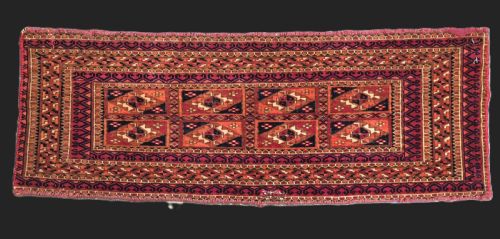
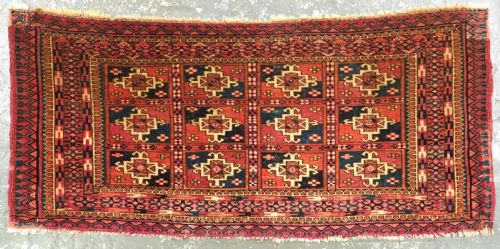
An antique mafrash panel is a surviving section of a woven storage container used historically by nomadic tribes for bedding and household goods during seasonal migration. These pieces typically originate from Shahsavan, Caucasian, and Turkmen weavers, reflecting the distinct cultural motifs of those specific regions.
Buyers encountering this category will find individual side panels, end panels, or complete bag faces that have been separated from their original box-like structures. Many of these textiles now circulate as flat wall hangings, small mats, or segments incorporated into kilims.
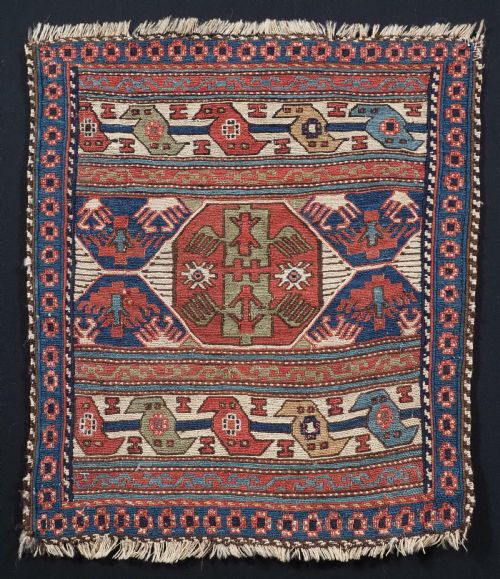
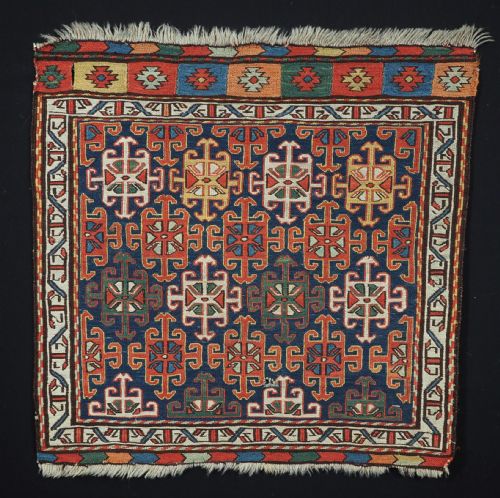
The format varies between long, narrow side sections and more compact square end pieces, each displaying geometric medallions, animal figures, or banded flatweave patterns. Dating generally spans from the eighteenth century through to the early decades of the twentieth century.
Materials and construction methods
Weavers relied primarily on hand-spun wool for the foundation and surface designs, occasionally incorporating linen elements. This animal fibre provided the necessary tensile strength for utilitarian storage chests that endured regular handling and transit.
Surface patterns were achieved through specific techniques including soumak wrapping, reverse soumak, and flatweave kilim construction. Artisans applied natural and vegetable dyes to achieve the deep blues, reds, and contrasting tones visible across the surviving pieces.
Nomads packed their sleeping gear so often that their storage chests essentially doubled as the original flat-pack furniture.
Evaluating textile execution and preservation
Quality in these woven fragments rests heavily on the crispness of the tribal design and the depth of the natural dye palette. Pieces featuring clear bird, dragon, or complex medallion motifs command greater attention than standard repeating geometric fields.
The integrity of the weave and the tightness of the soumak work dictate the structural standing of the textile. Examples retaining their original selvedges and uncompromised wool pile demonstrate superior initial making and careful subsequent survival.
Shahsavan Nomads·Yomut Turkmen·Tekke Turkmen·Afshar Tribe·Ersari Turkmen
The Antique Mafrash Panel Glossary
- Mafrash
- A large rectangular storage chest used by nomadic tribes for carrying bedding and household possessions. These containers were constructed from four distinct panels and a base.
- Soumak
- A brocade-like flatweaving technique where coloured weft threads are wrapped around the warp threads in a continuous motion. This method creates a textured, durable surface with a clean appearance on the reverse.
- Torba
- A smaller storage bag or wall pouch traditionally utilised within a Turkmen tent. They share decorative traits with larger luggage panels.
- Kilim
- A tapestry-woven carpet or flatweave lacking a pile. These pieces are created by tightly interlocking wefts across the warps.
- End panel
- The shorter rectangular side of a storage chest, usually displaying a distinct composition compared to the longer lateral sections.
Antique Mafrash Panel: Frequently Asked Questions
What was a mafrash used for?
Nomadic families utilised these large containers to pack bedding, carpets, and heavy belongings during seasonal migrations between summer and winter pastures.
The four woven panels were laced together around a rigid frame to form a durable chest that rode on the back of camels or pack animals.
How do I hang a panel?
Mounting these textiles safely requires distributing the weight evenly along the top edge using a fabric sleeve or specialised non-damaging textile clips.
Direct gluing or piercing the wool with nails should be avoided to preserve the structural integrity of the antique fibres.
Are these panels complete bags?
Most examples found today are isolated fragments rather than complete containers, having been separated from their original matching sides over generations of use.
Collectors frequently acquire individual side or end panels as decorative art objects to display flat against a wall.
How to tell tribal origins apart?
Distinguishing the weaving groups relies on identifying specific structural techniques and regional colour palettes, such as the distinct soumak work of the northern regions.
Motifs like the gul symbol or specific animal forms point directly to the aesthetic traditions of particular nomadic confederations.