



Shahsavan Tribal Carpet
A shahsavan tribal carpet brings bold nomadic geometry and rich natural dyes into an interior.
Shahsavan Tribal Carpet
A shahsavan tribal carpet encompasses rugs, runners, panels, and bag faces woven by nomadic and village groups. These textiles frequently appear alongside Caucasian and Persian tribal traditions, reflecting shared regional aesthetics.
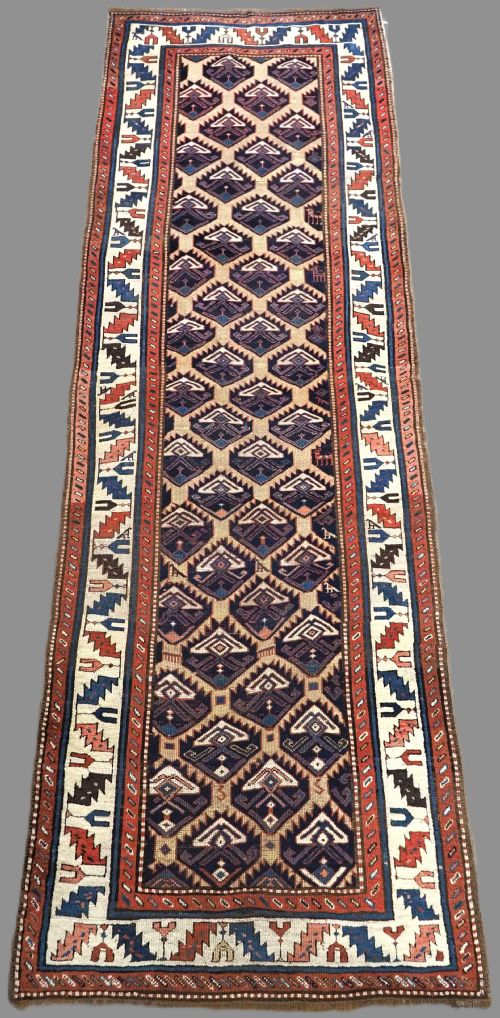
The pieces available on this page range from room-sized rugs and narrow hallway runners to small kilims fashioned from mafrash panels. Dating spans from the nineteenth century into the early twentieth century, capturing distinct weaving periods.
Makers utilised traditional formats including rectangular rugs, long narrow runner rugs, and square bag faces. Designs often incorporate lattice patterns, bird and dragon motifs, and geometric field layouts.
How They Were Made
Weavers relied on hand-spun wool for the pile and structure, frequently combining wool with cotton foundations. Natural and vegetable dyes provided the palette, yielding soft, enduring colours.
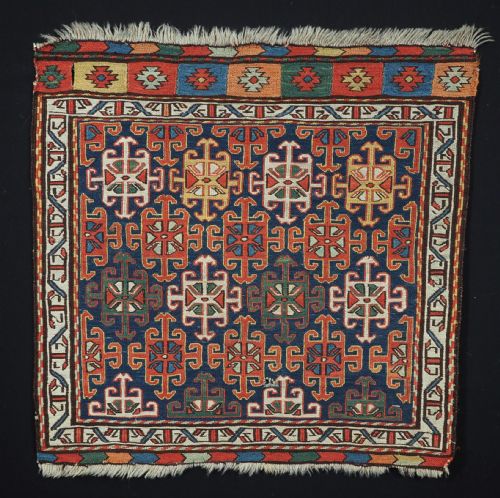
Production techniques include standard pile weaving, flatwoven kilim construction, and soumak wrapping. Soumac bag faces demonstrate complex surface patterning through wrapped weft floats.
Shahsavan Tribal Carpet Retail Price Guide 2026
Typical asking prices for shahsavan tribal carpet among the pieces listed under this phrase on Sellingantiques today, from the lower quarter to the upper quarter. They describe what is for sale here now, not the wider market.
Object types span runner rugs, hallway runners, flatwoven kilims, and soumak bag faces.
What Varies in Quality
Quality rests upon the handling of natural dyes and the depth of the palette. Softer, harmonious colour schemes and varied vegetable dye tones elevate certain examples above others.
The precision and clarity of the geometric lattice work or figurative bird and dragon motifs dictate the visual strength of the textile. Intricate soumak technique execution also distinguishes finer bag faces and panels.
The Shahsavan Tribal Carpet Glossary
- Soumak
- A brocade-like flatweaving technique where coloured weft threads are wrapped over the warp threads before being beaten down. This method creates a textured surface often seen on bag faces.
- Mafrash
- A large storage bag or storage chest panel used by nomadic groups for bedding and household goods. These panels are frequently repurposed into small kilims.
- Kilim
- A flatwoven textile produced without a pile, created by tightly interweaving warp and weft strands. These pieces function as lightweight rugs or decorative wall hangings.
- Runner
- A long, narrow carpet format designed specifically for hallways and corridors. They display repeating field designs suited to linear spaces.
Shahsavan Tribal Carpet: Frequently Asked Questions
How were shahsavan tribal carpets used?
Nomadic weavers utilised these textiles as floor coverings, sleeping mats, and storage containers within tents and dwellings. Bag faces served practical functions for holding household possessions during seasonal migrations.
Today, these pieces transition easily into modern homes as hallway runners, hearth rugs, or wall-mounted textile art. Their durable wool construction suits them for moderate everyday foot traffic.
How do I date a shahsavan rug?
Dating relies upon examining the wool quality, the chemical composition or organic nature of the dyes, and the structural wear patterns. Nineteenth-century examples typically display softer, oxidized vegetable dye palettes.
Later pieces from the early twentieth century often present crisper, slightly different chemical tones and distinct structural stiffness. Comparing knotting styles and motifs helps narrow the period of origin.
What is a soumak bag face?
A soumak bag face is the decorative front panel of a traditional nomadic storage sack woven using a wrapped weft technique. These faces frequently feature geometric birds, dragons, or complex lattice work.
Collectors often frame these panels or mount them as textiles due to their dense, decorative surface work. They represent distinct segments of nomadic weaving skill.
How do I care for antique wool rugs?
Protect antique wool textiles by placing them in low-traffic areas and using breathable rug underlays to prevent slipping. Regular gentle vacuuming without a rotating power brush helps remove embedded dust.
Keep these pieces away from direct, harsh sunlight to preserve the stability of the natural vegetable dyes. Professional cleaning by a specialist familiar with antique tribal textiles is recommended when deep washing is required.