
Seventeenth Century Oak Table
A seventeenth century oak table brings solid timber and centuries of domestic use straight into a room.
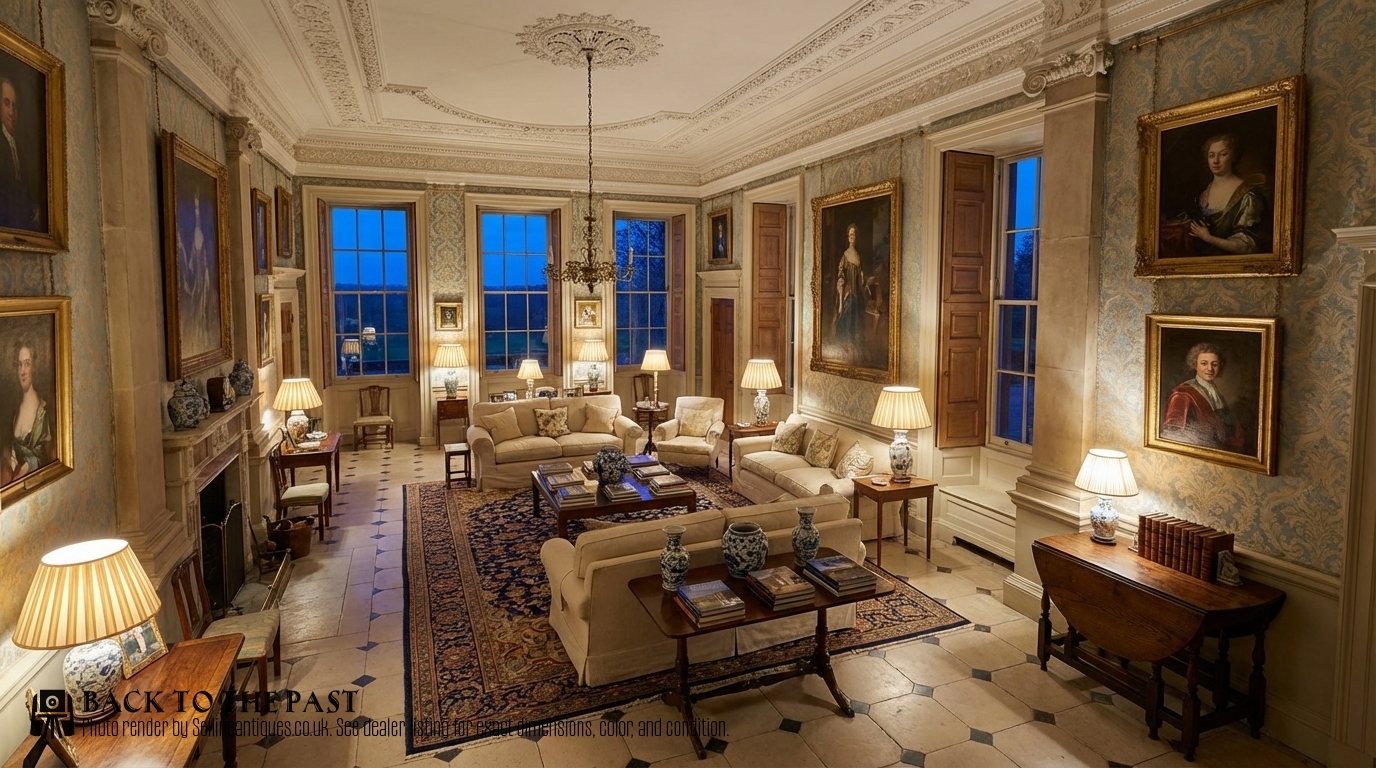
Seventeenth Century Oak Table
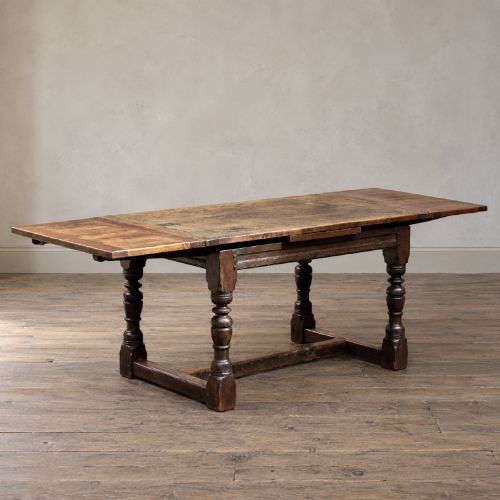
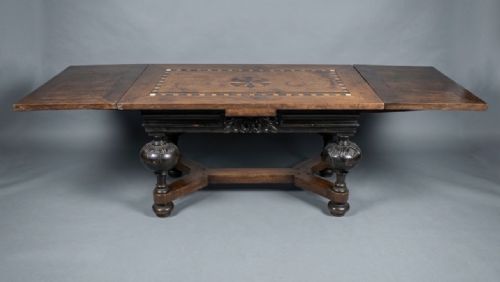
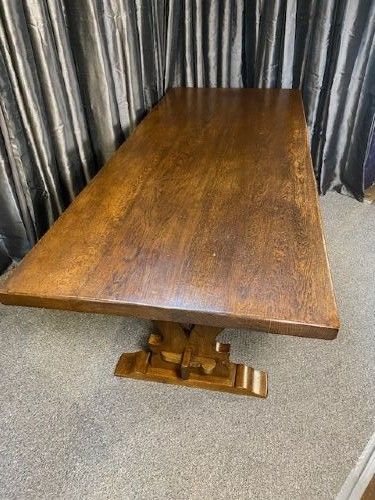
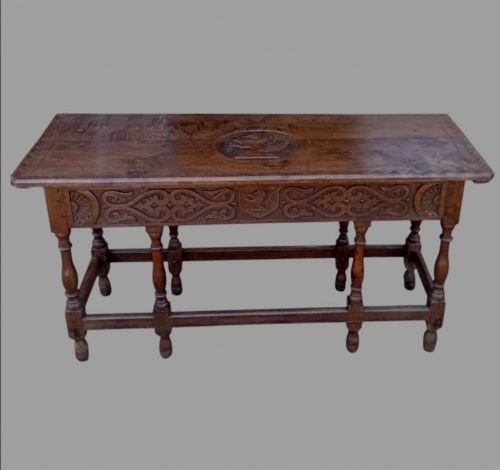
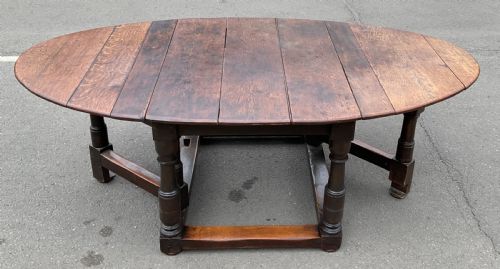
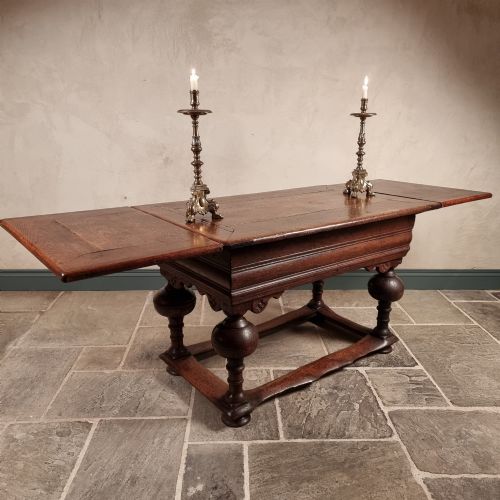
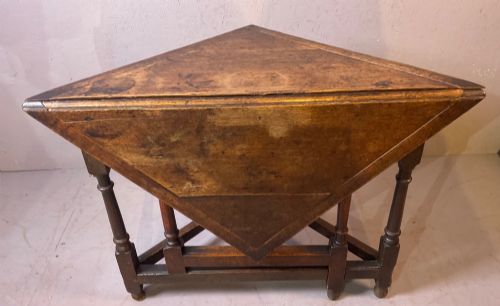
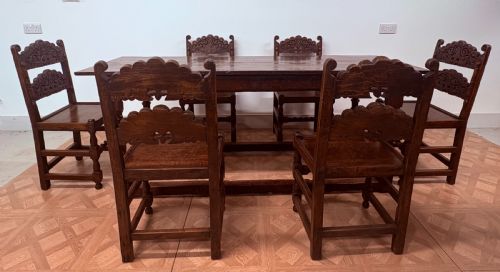
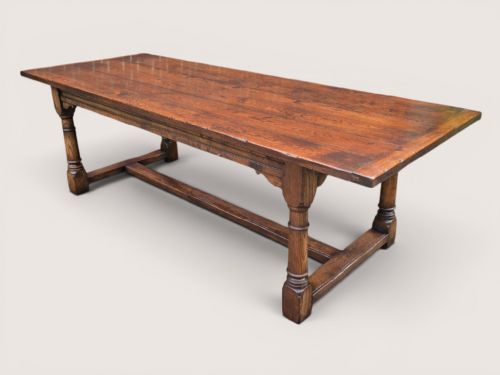
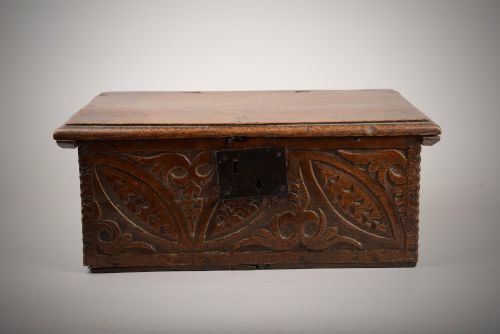
A seventeenth century oak table encompasses sturdy refectory boards, gateleg dining pieces, and compact side furniture built for daily tasks. These items range from authentic seventeenth century examples to later revivals from the nineteenth and twentieth centuries.
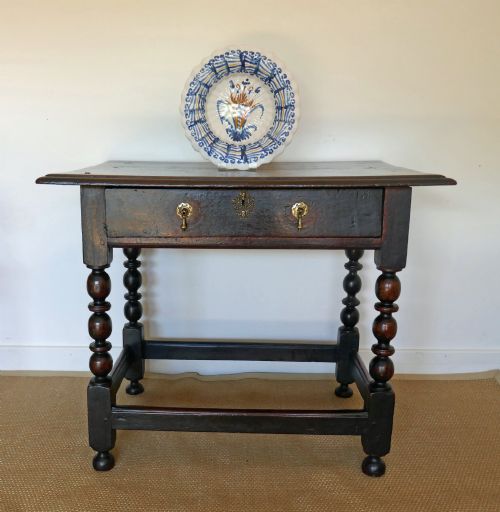
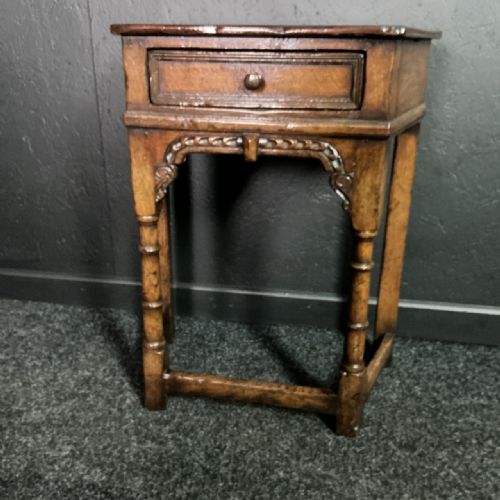
The pieces appearing most frequently span dining formats, drop-leaf gatelegs, and low side tables suited for modern hallways or living spaces. Many demonstrate the functional joinery typical of English and continental workshops from the period.
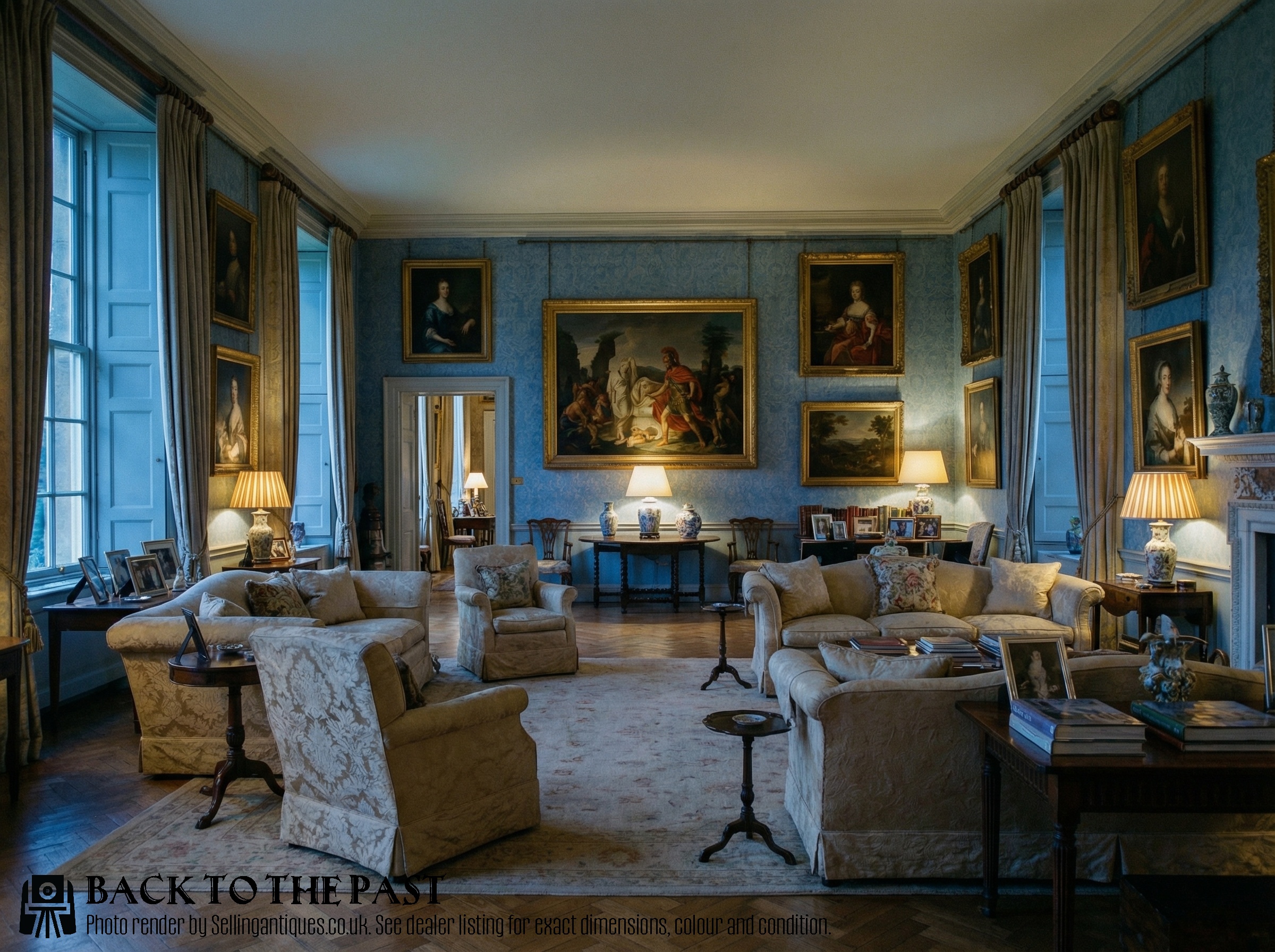
How they were made
Carpenters constructed these tables primarily from solid oak, supplementing the structure with iron hinges, brass fittings, and occasional wood inlay. Surfaces frequently received a coat of paint or remained exposed to show the natural grain of the timber.
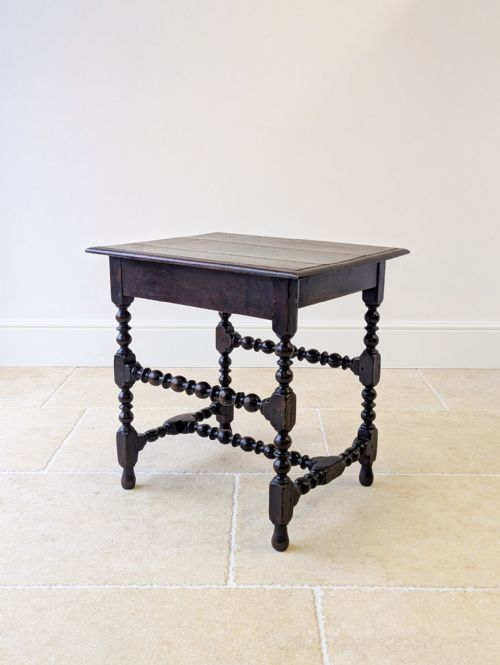
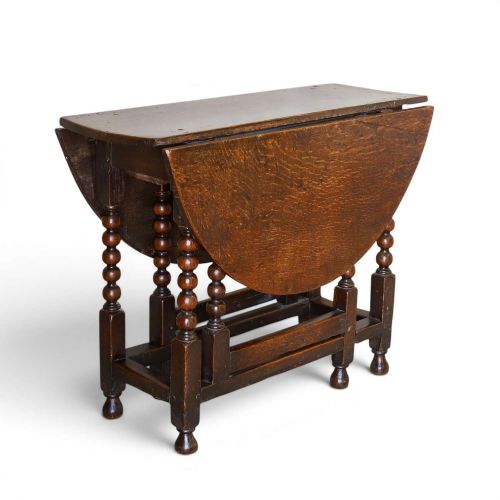
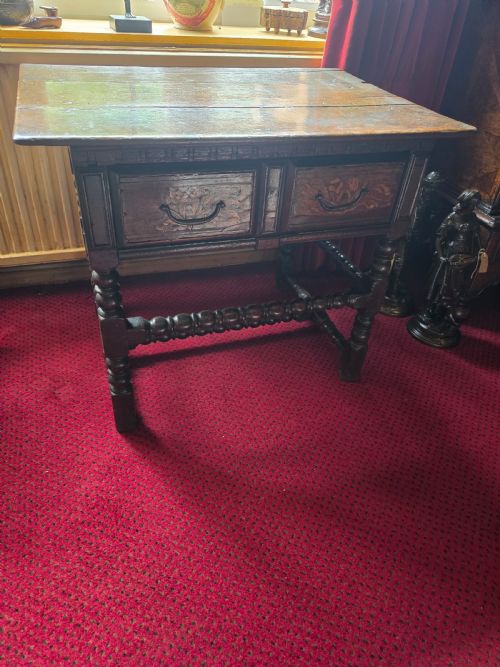
Joiners employed techniques such as draw leaf extensions, hinged drop leaves, and turned components including bobbin and barley twist legs. Plank tops rested on robust frames secured by traditional pegged joints.
Seventeenth Century Oak Table Retail Price Guide 2026
Typical asking prices for seventeenth century oak table among the pieces listed under this phrase on Sellingantiques today, from the lower quarter to the upper quarter. They describe what is for sale here now, not the wider market.
Listings feature oak alongside iron, brass, yew, and wood inlay across formats including refectory dining tables, gatelegs, side cabinets, and lowboys.
What varies in quality
The standard of a seventeenth century oak table depends upon the integrity of the timber and the preservation of original structural elements. Untouched surface patination and tight joinery distinguish superior survivals from pieces that have undergone extensive rebuilding.
Proportion and the complexity of turnings alter the visual weight of the furniture. Bold mouldings and carefully carved details elevate the execution beyond plain utilitarian forms.
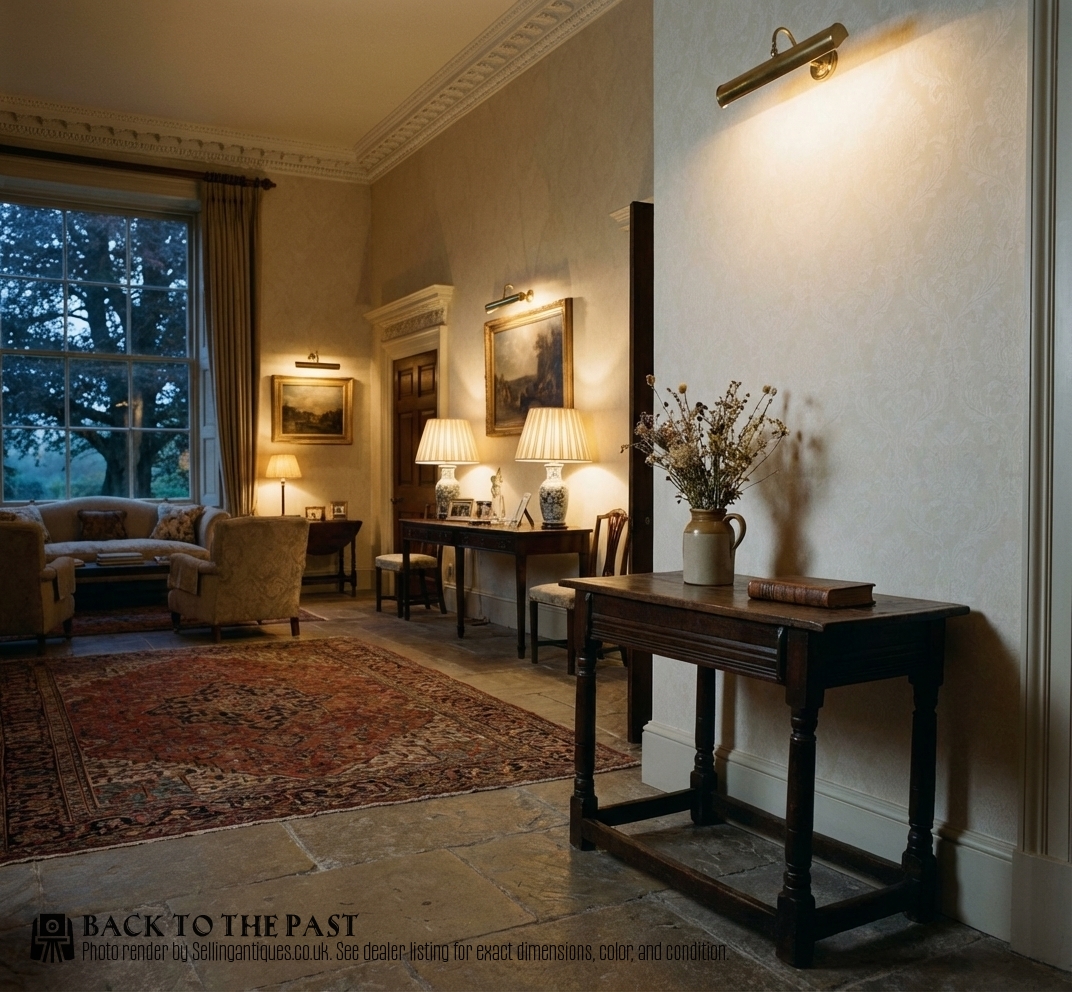
The Seventeenth Century Oak Table Glossary
- Refectory table
- A long dining table originally designed for communal eating in monasteries or large halls. These pieces typically feature heavy rectangular timber tops and sturdy stretcher bases.
- Gateleg table
- A drop-leaf table with hinged flaps supported by swing-out legs that resemble a swinging gate. This design allowed furniture to fold down and save space when not in use.
- Bobbin-turned
- A style of leg or stretcher shaped on a lathe to resemble a series of wooden bobbins or spools end to end. It appears frequently on seventeenth century framework.
- Dresser base
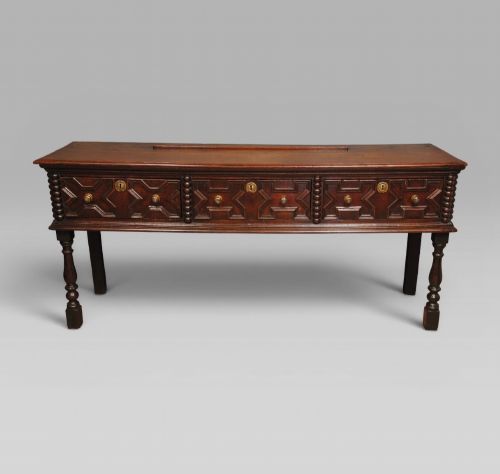
- A low storage unit fitted with drawers and occasionally cupboards underneath a flat top. They served multiple functions for food preparation and serving in early households.
- Joint stool
- A sturdy wooden stool constructed using mortise and tenon joinery rather than turned legs driven into a seat. They often accompanied early dining tables.
Seventeenth Century Oak Table: Frequently Asked Questions
How do I care for an oak table?
Keep the timber away from direct heat sources and sudden humidity shifts to prevent the wood from splitting. Apply traditional wax occasionally to nourish the surface and maintain a natural sheen.
Avoid using harsh chemical sprays or soaking the wood with water during cleaning. A soft, dry cloth is sufficient for removing daily dust.
Were these tables used for dining?
Many large formats such as refectory and gateleg tables served families for daily meals and communal gatherings. Smaller side tables fulfilled auxiliary tasks in chambers and halls.
Drop-leaf designs provided flexible surface area that could expand during meal times and fold away afterward.
How can I tell the period?
Examine the construction methods, tool marks, and wear patterns visible on the underside and joints of the timber. Hand-cut pegs, pegged tenons, and aged patination point toward earlier manufacturing dates.
Compare the turnings, such as bobbin or barley twist styles, against documented examples from specific decades. Later revivals often display standardised machine cutting rather than hand-wrought irregularities.
Will a gateleg table fit a small room?
Drop-leaf gateleg formats adapt well to restricted spaces because the side flaps fold downward when floor area is limited. Raising one or both leaves provides extra surface space only when required.
Their open underframes allow chairs to tuck neatly underneath, reducing the overall footprint in a compact interior.