

Seventeenth Century Carved Coffer
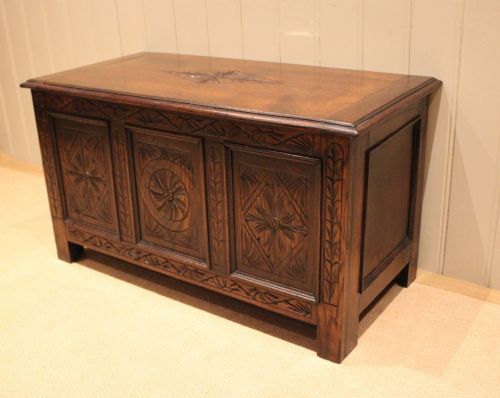
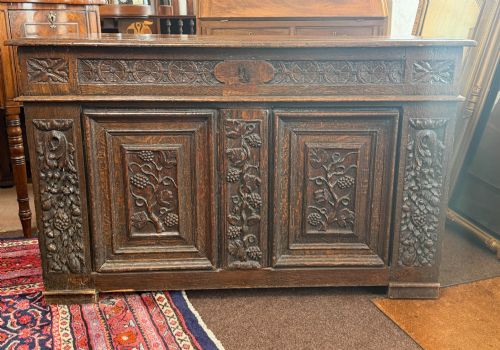
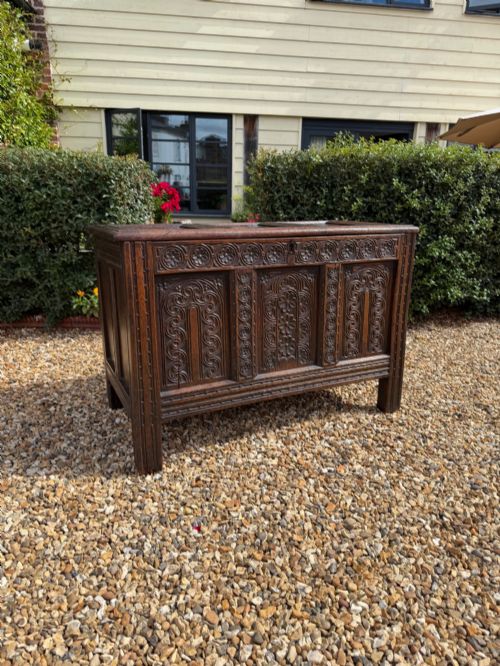
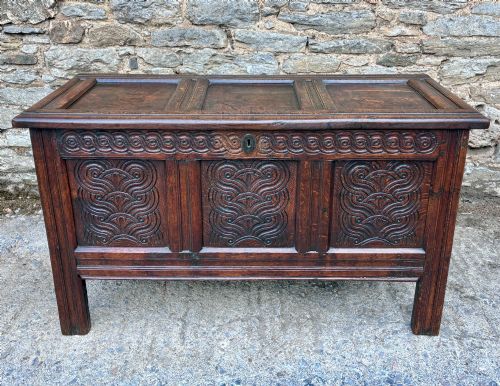
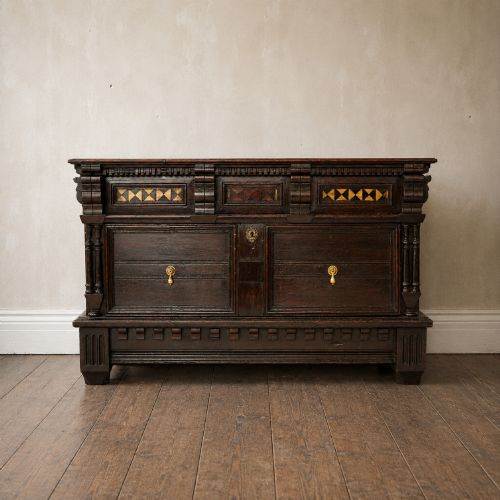
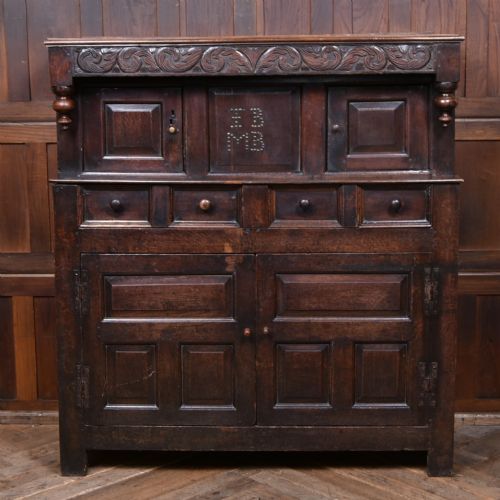
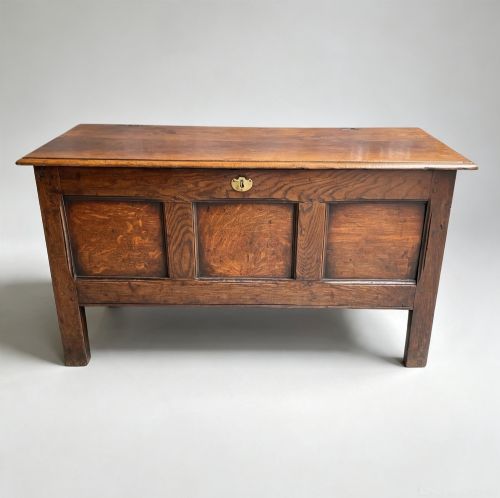
A seventeenth century carved coffer provides sturdy domestic storage built from solid timber with traditional panel construction.
Seventeenth Century Carved Coffer
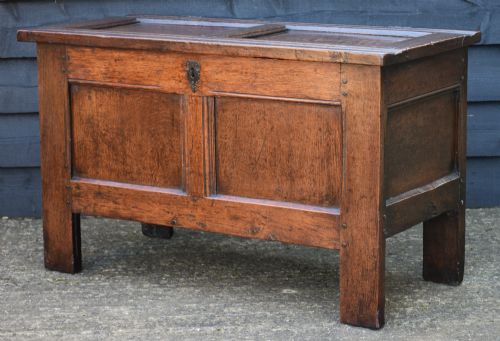
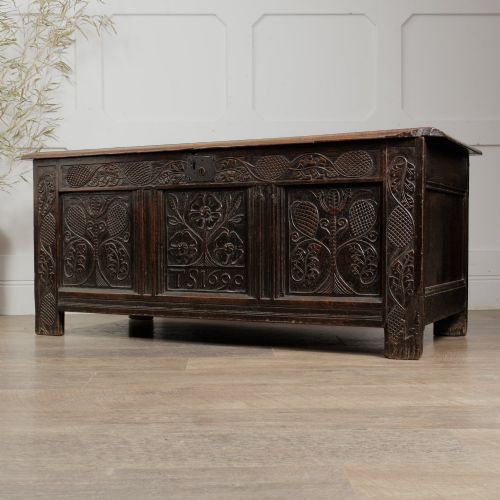
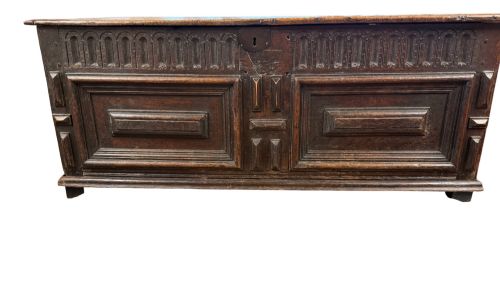
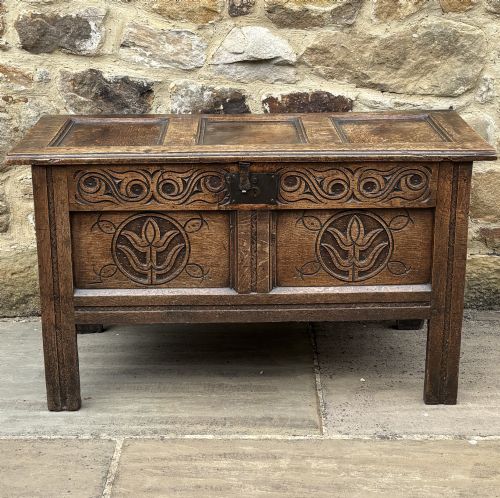
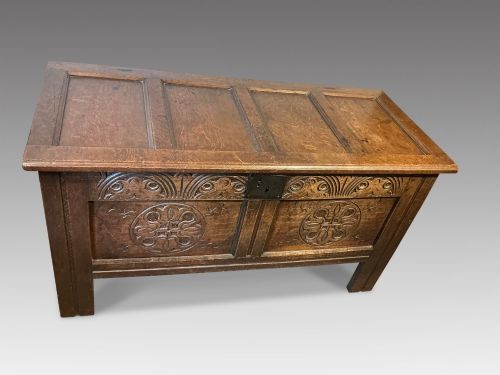
A seventeenth century carved coffer represents a principal form of early storage furniture encountered in oak, often formed with panelled construction and hinged lids for blankets or household goods. Buyers meet dark oak examples alongside pieces displaying regional English characteristics from Dorset, Wales, or the North Country.
The selection includes joined chests, panelled boxes, and related forms bearing arcaded ornament, geometric mouldings, or linen fold panels. Alongside authentic seventeenth century pieces, the listings contain later revival interpretations from periods such as nineteen ten.
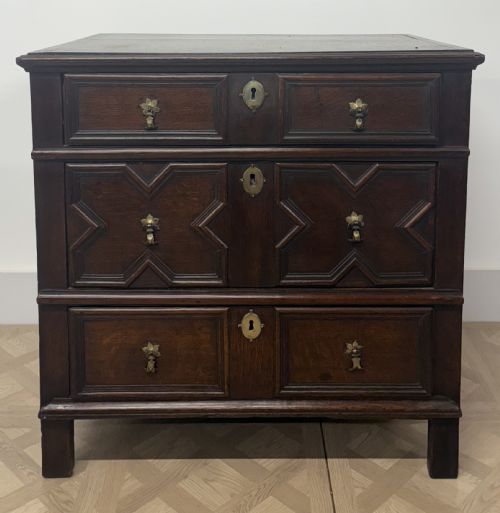
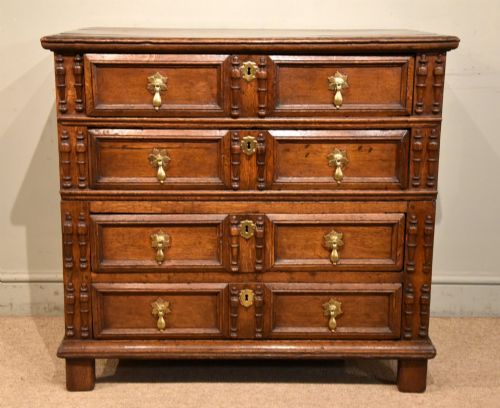
Many items survive in small proportions or as desk boxes with internal drawers, while others demonstrate Charles II period influence through walnut additions and architectural drawer fronts.
What varies in quality
Proportion and scale dictate much of the character, ranging from large country pieces to small, finely balanced proportions. The crispness and depth of the original carving distinguish more ambitious workshop output from plain utility boxes.
The degree of surface survival, including untouched timber patination and original ironwork, separates pieces retaining their complete historical fabric from those bearing later alterations.
One Welsh box settle provides high-backed seating with built-in storage beneath the seat.
Thomas Dennis
The Seventeenth Century Carved Coffer Glossary
- Coffer
- A large wooden chest used historically for storing valuables, linen, or documents. Most examples feature a hinged lid and robust joined construction.
- Jacobean
- A style of British design spanning the late sixteenth and seventeenth centuries, characterised by solid proportions and geometric carved decoration.
- Arcaded
- A decorative motif consisting of a series of arched openings carved in relief upon wood panels. This architectural feature appears frequently on seventeenth century woodwork.
- Linen fold
- A carved panel style imitating the vertical folds of linen fabric. It remains a notable decorative element on early timber furniture.
- Joined oak
- Furniture constructed using mortise and tenon joints secured with wooden pegs rather than nails. This technique defines the sturdy cabinet-making of the period.
Seventeenth Century Carved Coffer: Frequently Asked Questions
What were seventeenth century coffers used for?
Households utilised these heavy chests to store valuable textiles, clothing, blankets, and important family documents safely away from damp floors.
Their robust construction and heavy lids also allowed them to function as tables or extra seating within the primary rooms of a house.
How do I identify a Charles II period coffer?
Charles II period pieces often display geometric mouldings, applied split spindles, and the integration of walnut timbers alongside traditional oak.
Such decorative details reflect the shifting stylistic preferences of the late seventeenth century toward architectural panel designs.
Are all these coffers from the seventeenth century?
While the majority date to the seventeenth century, the selection also includes later nineteenth century interpretations and twentieth century revival pieces.
Listings specify the manufacturing period, noting items produced around nineteen ten or incorporating later woodwork alongside earlier elements.
What is a desk box?
A desk box is a small portable storage container designed with a sloping or flat lid for writing correspondence and holding stationery.
Many examples contain internal drawers beneath the main compartment to organise ink, quills, and small documents.