



Seventeenth Century Canvas
Seventeenth century canvas works encompass oil paintings from the seventeenth century and later periods, prized for their historical portraiture and rich Baroque aesthetic.
Seventeenth Century Canvas
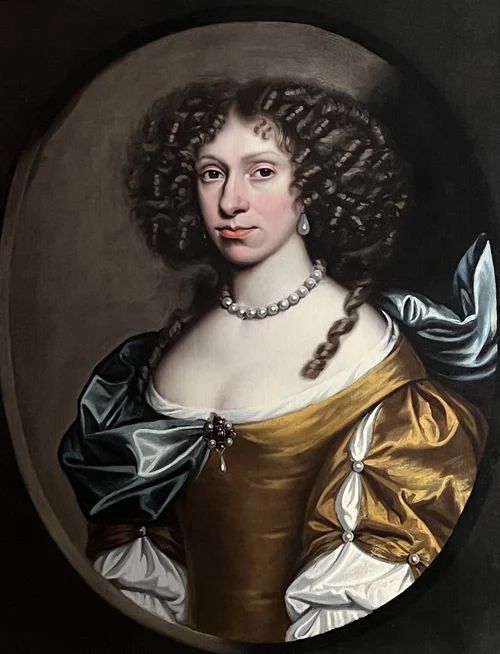
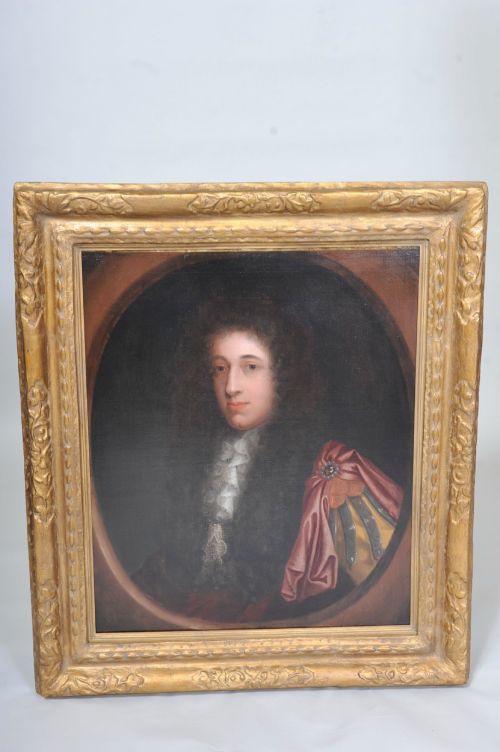
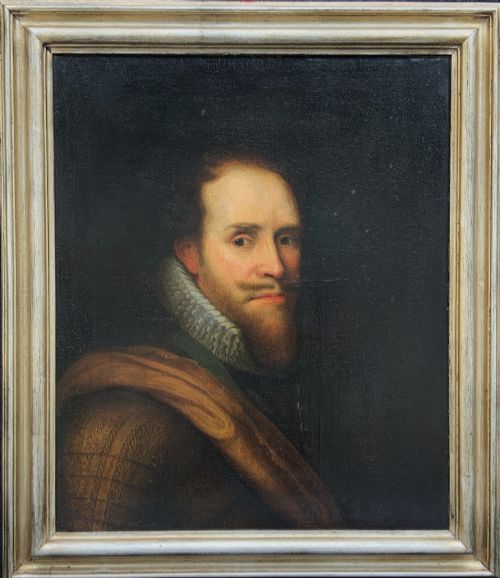
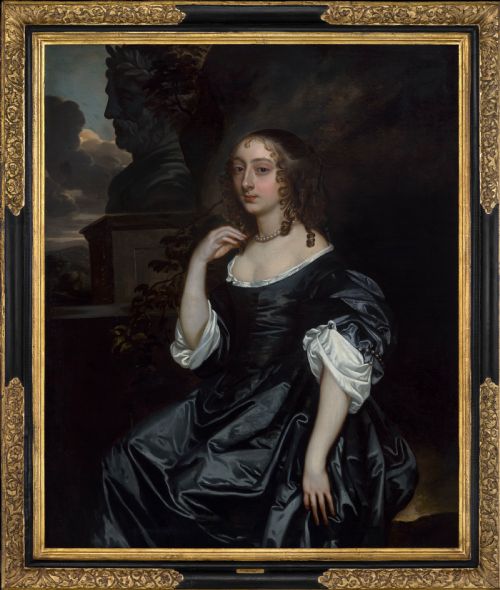
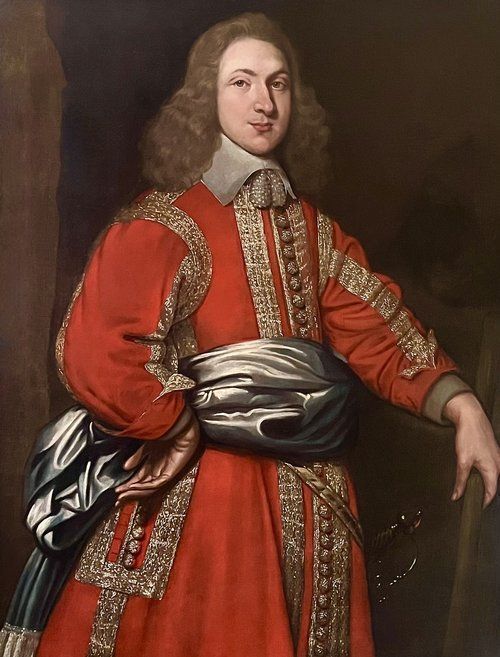
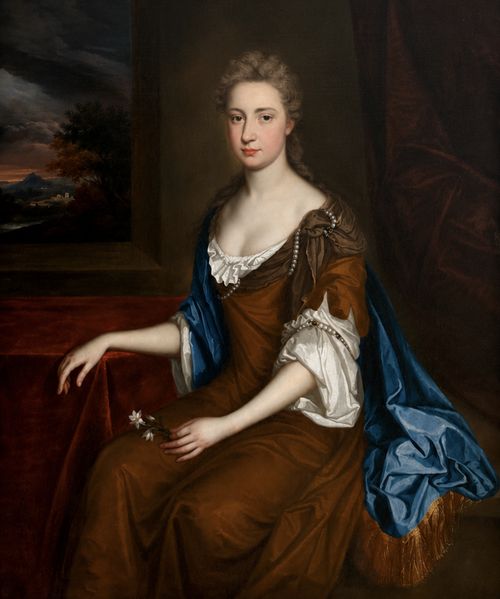
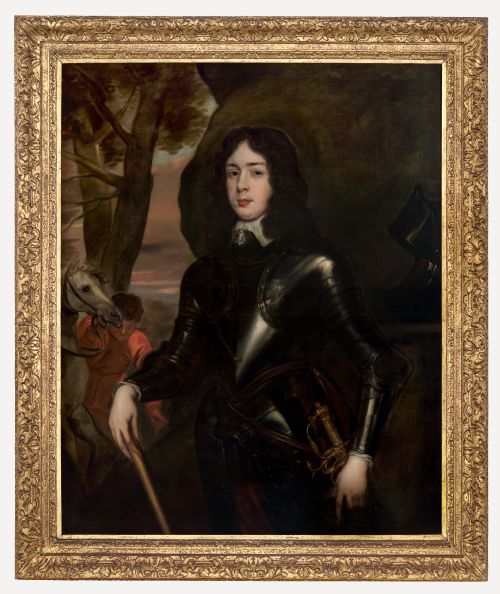
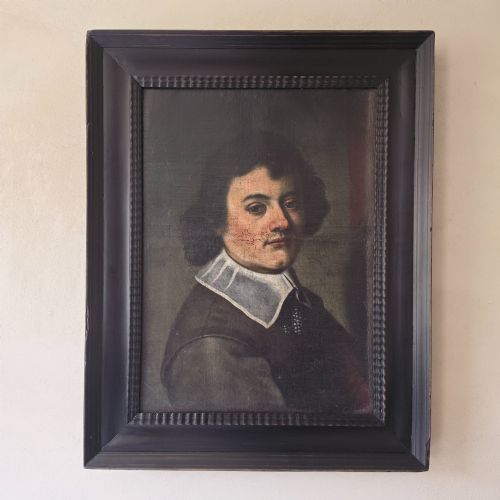
A seventeenth century canvas brings historic portraiture and narrative art into a collection, capturing figures from nobility to clergy in oil paint. These works span Dutch, Flemish, Italian, and British schools, reflecting the artistic developments of the Baroque period.
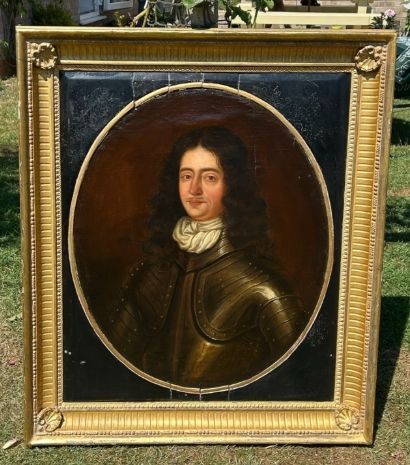
Buyers encounter oil paintings depicting gentlemen, ladies, military officers, and mythological scenes housed in timber and giltwood frames. While many date directly to the seventeenth century, the selection also includes later interpretations and educational studies from the Victorian era and the early twentieth century.
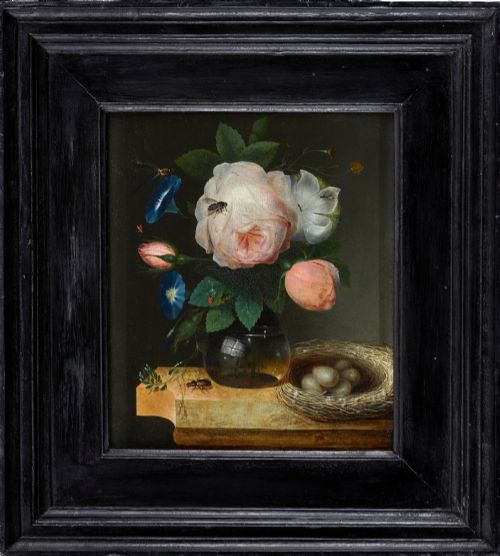
The primary focus across these listings remains portraiture of named individuals or aristocratic families, alongside still life compositions and classical subjects. Each piece offers a window into seventeenth century costume, status symbols, and European painting techniques.
Materials and methods
Artists painted primarily with oil paint applied to woven canvas supports, utilising timber stretcher frames to maintain tension. Pigments were mixed with oils to achieve depth, particularly evident in the rendering of fabrics like velvet and lace.
Surviving works are frequently housed in period frames constructed from wood and embellished with gold leaf or giltwood mouldings. These frames often reflect the decorative styles contemporary to the painting or later nineteenth century revivals.
Materials recorded across the selection include gold leaf, timber, and oil paint applied to woven canvas supports.
Factors determining quality
Quality in these oil paintings rests upon the dexterity of the brushwork, the psychological depth captured in facial expressions, and the preservation of the original canvas surface. Master painters and skilled studio followers achieved subtle gradations of light and shadow that lesser hands missed.
The integrity of the canvas and paint layers dictates much of the lasting value, alongside the originality of the matching frame. Works retaining their early surface character demonstrate superior artistic merit compared to heavily retouched examples.
David Scougall·Sir Peter Lely·Gaspar Peeter Verbruggen·Sir Anthony van Dyck·Michael Dahl·Nicolaes Maes·Thomas Hill·Pieter Nason·Samuel Cooper·John Hoskins·Daniel Mytens
The Seventeenth Century Canvas Glossary
- Oil on Canvas
- A painting medium where pigments suspended in drying oils are applied to a woven fabric support. This combination allowed artists to work with greater flexibility and tonal variation than wooden panels.
- Baroque
- The dominant artistic style of the seventeenth century characterised by dramatic use of light, intense emotional expression, and dynamic composition. It originated in Italy and spread across European schools.
- Giltwood
- Wood that has been covered with a thin layer of gold leaf or gold paint for decorative effect. Elaborate giltwood frames frequently complement seventeenth century portraits.
- Old Master
- A term applied to European painters of skill working before about eighteen hundred. These artists formed the traditions seen in seventeenth century portraiture and history painting.
- Provenance
- The documented history of ownership of an artwork from its creation to the present day. Clear provenance helps verify the subject, date, and attribution of historical paintings.
Seventeenth Century Canvas: Frequently Asked Questions
How do I care for an antique oil painting?
Keep the artwork away from direct sunlight and maintain stable room temperature and humidity levels to protect the canvas and wood frame. Dust the surface gently with a soft, dry brush without applying pressure.
Avoid using water, commercial cleaners, or chemical solvents on the paint surface. Consult a professional conservator if the canvas requires cleaning or structural repair.
Were all these paintings made in the seventeenth century?
Many examples date directly to the seventeenth century, created during the height of the Baroque period by European artists and studio followers. Other items represent later interpretations, academic studies, or nineteenth century copies.
Examine the listing details, clothing styles, and recorded attribution to determine whether a piece is a contemporary seventeenth century work or a later tribute.
How can I identify the subject of a portrait?
Makers and sitters are occasionally identified through contemporary inscriptions, armorial bearings, or historical records linked to the painting. Clothing, hairstyles, and accompanying objects like books or weapons offer further clues to status and era.
When a specific identity is uncertain, portraits are catalogued by school or circle, referencing the stylistic traits of prominent masters such as Van Dyck or Lely.
What is the significance of the frame?
The frame protects the edges of the canvas and contributes to the visual presentation of historical artwork. Giltwood and timber frames often reflect the aesthetic preferences of the period when the painting was made or framed.
Original or period-appropriate frames enhance the historic character of an oil painting. Inspect listings to see if the piece retains its period setting.