
Historical Portraiture
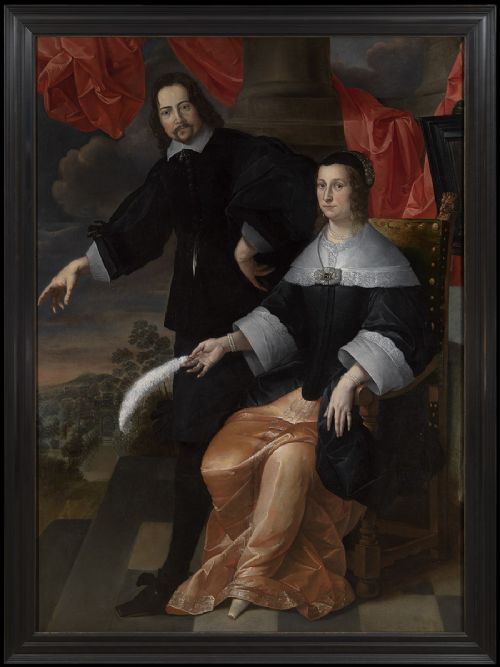
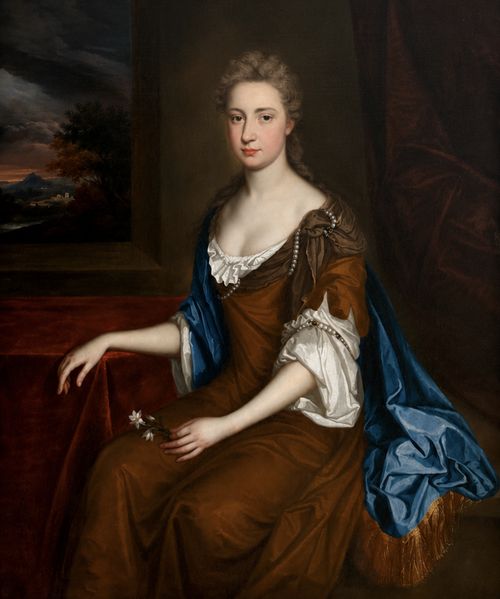
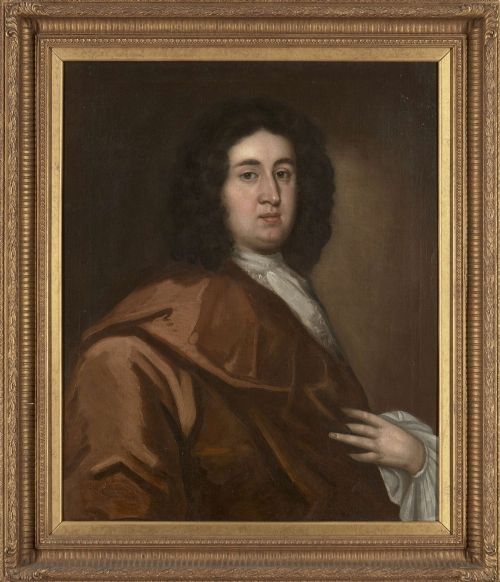
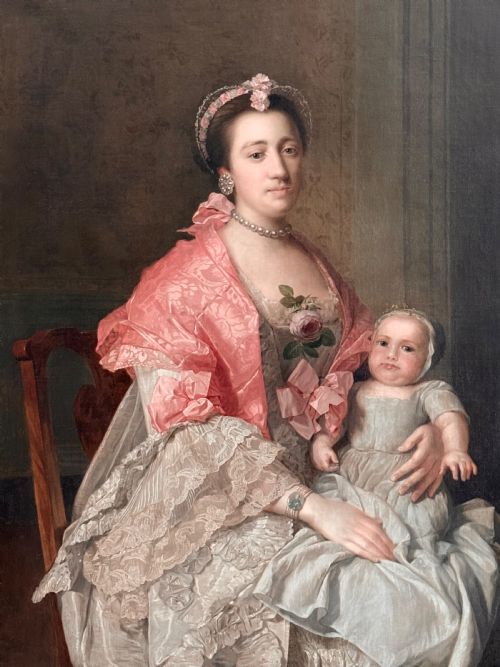
Historical portraiture records the likenesses of monarchs, nobles and notables in oils, prints and silhouettes across four centuries.
Historical Portraiture
Historical portraiture encompasses paintings, prints and engravings capturing specific individuals from past centuries, ranging from seventeenth-century oil portraits to nineteenth-century silhouettes.
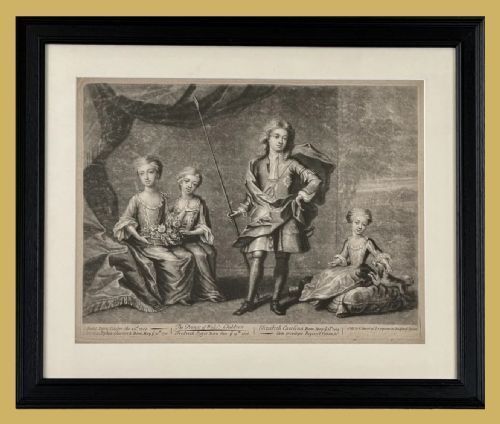
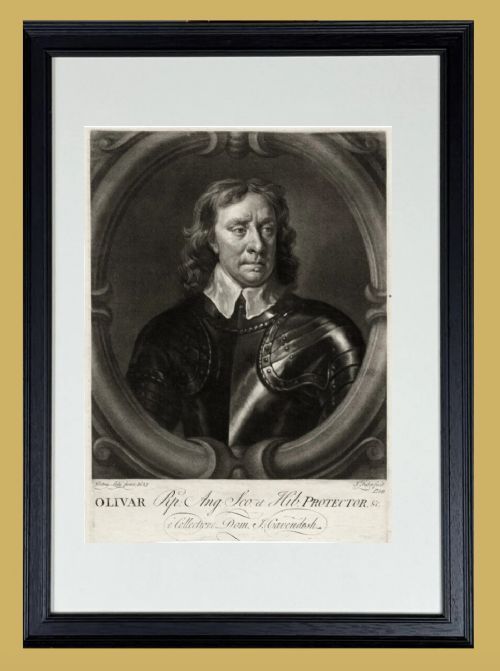
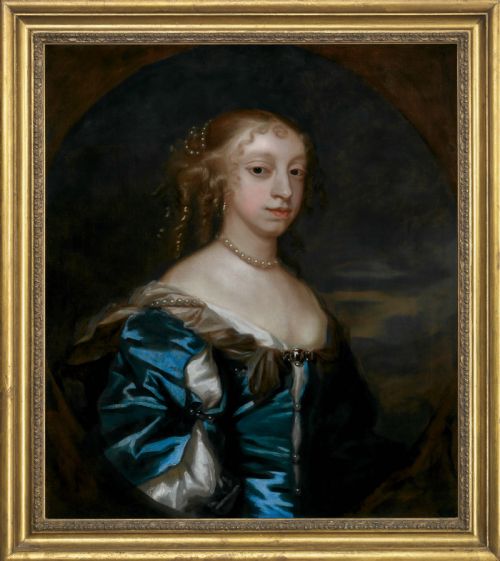
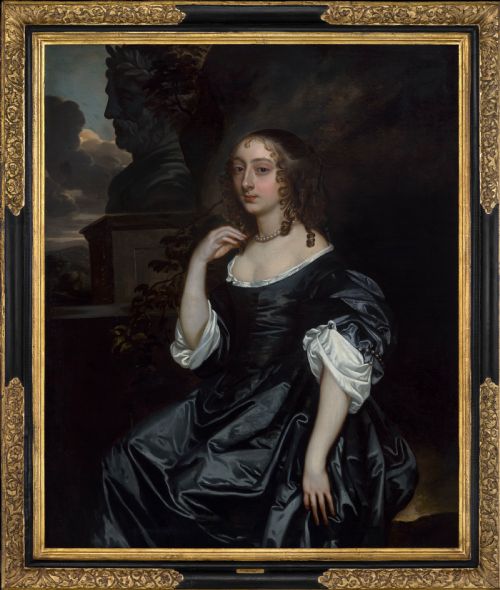
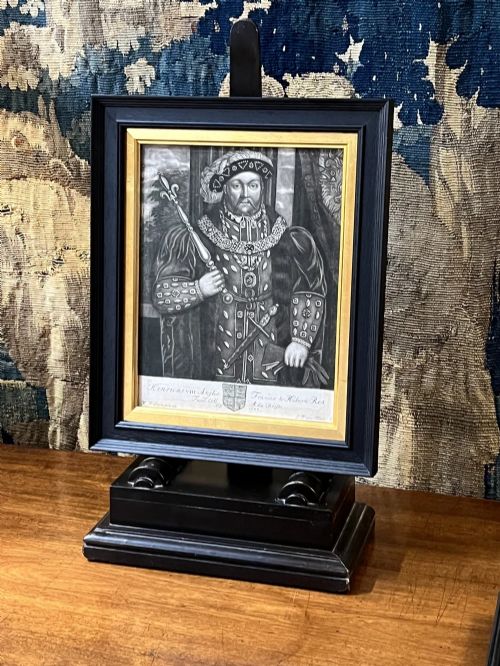
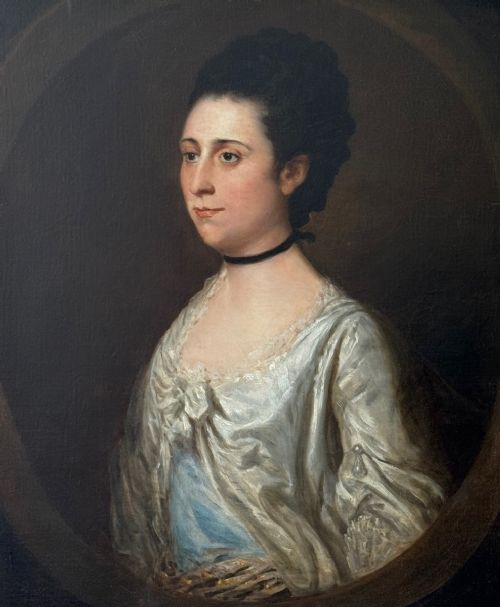
Buyers encounter oil paintings on canvas and panel alongside stipple engravings and mezzotints depicting known historical figures, family members and nobility.
The material spans seventeenth-century Dutch and British works through to mid-twentieth-century oils, reflecting evolving artistic conventions of representation.
Materials and methods
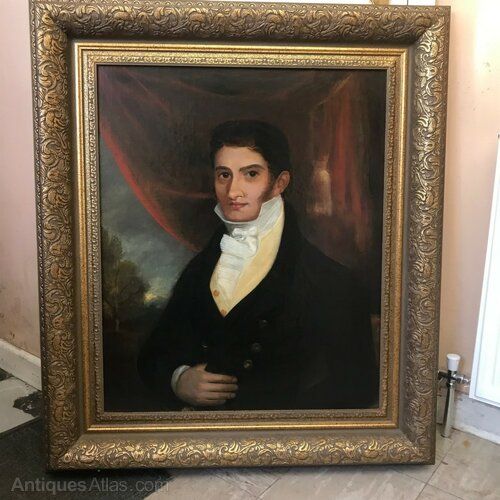
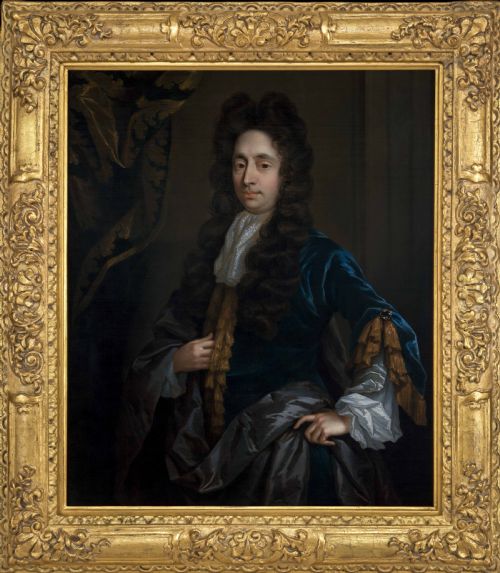
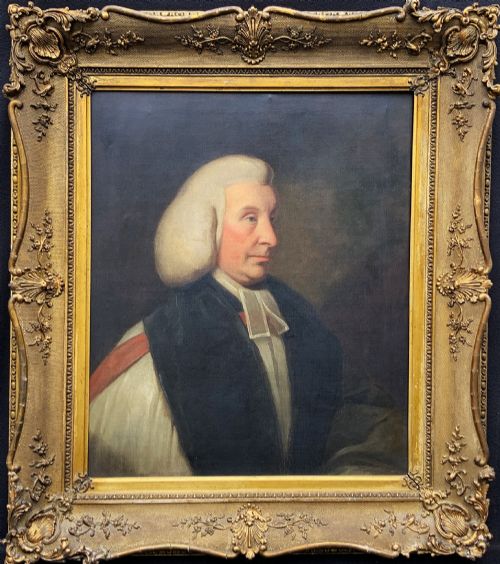
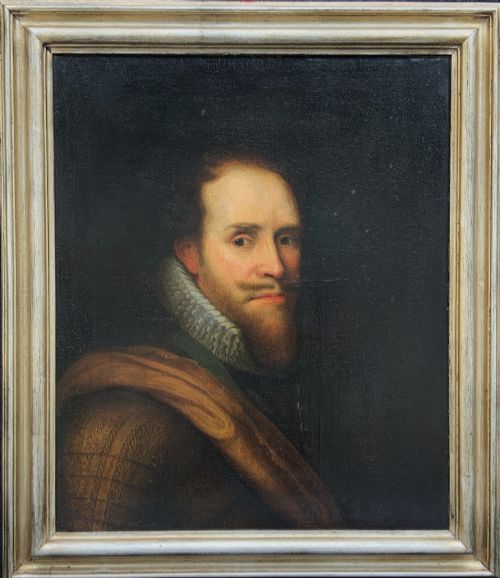
Artists painted primarily in oil on canvas or wood panels, utilising layers of pigment to render textiles, lace and flesh tones.
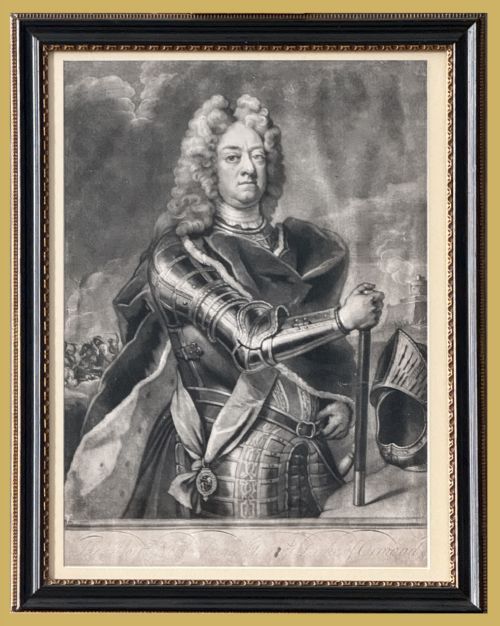
Printmakers created mezzotints and stipple engravings on paper, often employing copper plates to translate painted likenesses into multiple impressions.
Frames incorporated wood and giltwood, sometimes embellished with gold leaf to complement the status of the sitter.
Listings feature seventeenth and eighteenth-century oil paintings alongside nineteenth-century engravings and mid-twentieth-century canvases.
Distinctions in quality
Skill in anatomical proportion, facial expression and the rendering of drapery separates studio masterworks from routine workshop output.
Condition of the canvas, original pigment stability and the presence of period frames influence the integrity of surviving pieces.
Provenance and documented attribution to named painters or established circles elevate the historical importance of an artwork.
John Simon·Michael Dahl·Francesco Bartolozzi·Constantyn Netscher·Edward·Joseph Sympson·Sir Peter Lely·John Faber Snr·Hans Holbeln The Younger·Thomas Beach·Bartholomeus Van Der Helst·John Closterman·Sir Allan Ramsay·Augustin Edouart·John Michael Wright·Cornelius Johnson·John Hunter·John Hamilton Mortimer·John Robert Dicksee·David Scougall·Thomas Gainsborough·Valentine Thomas Garland·Balthasar Denner·Thomas Robson·Sir Godfrey Kneller
The Historical Portraiture Glossary
- Mezzotint
- A printmaking process where the copper plate is roughened to achieve rich tonal gradations and dark backgrounds.
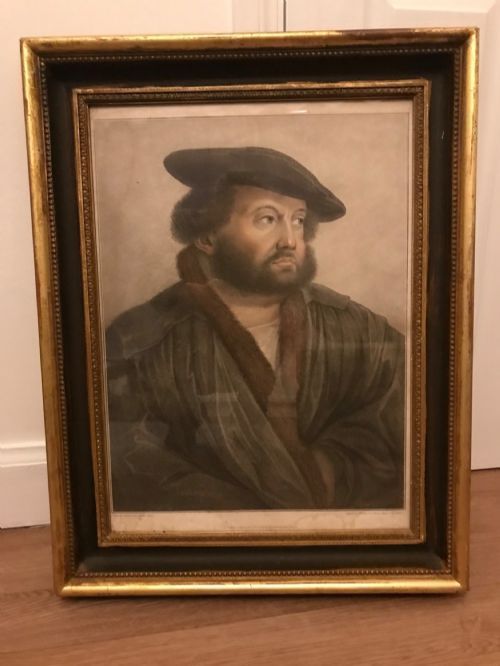
- Stipple engraving
- A technique using dots of varying density to create subtle shadows and flesh tones in printed portraits.
- Giltwood
- Wood carved and coated with gold leaf or metallic paint, commonly used for historical picture frames.
- Panel painting
- An artwork executed on a wooden support rather than stretched canvas, typical of earlier periods.
- Attributed to
- A designation used when a work shows the style of a master but lacks definitive documentation of authorship.
Historical Portraiture: Frequently Asked Questions
What is historical portraiture?
Historical portraiture consists of visual representations of real people created during past centuries, utilising mediums such as oil paint, engraving and silhouette.
These works document the appearance, status and attire of sitters ranging from royalty to private citizens across various European schools.
How were these portraits displayed?
Historical portraits were traditionally hung in country houses, civic halls and private residences to project lineage, power and personal identity.
They were typically mounted in heavy giltwood or wooden frames designed to complement interior decorative schemes of the period.
How do I care for an oil portrait?
Oil portraits require stable environmental conditions away from direct sunlight and excessive humidity to prevent canvas slackening and paint cracking.
Dusting should be performed gently with a soft, dry brush without applying commercial cleaning solutions to the painted surface.
How can I tell periods apart?
Periods are identified through a combination of sitter costume, hair styling, framing style and painting technique characteristic of specific centuries.
For example, seventeenth-century works often feature elaborate lace collars and dark backgrounds, whereas eighteenth-century pieces display softer drapery and brighter palettes.