
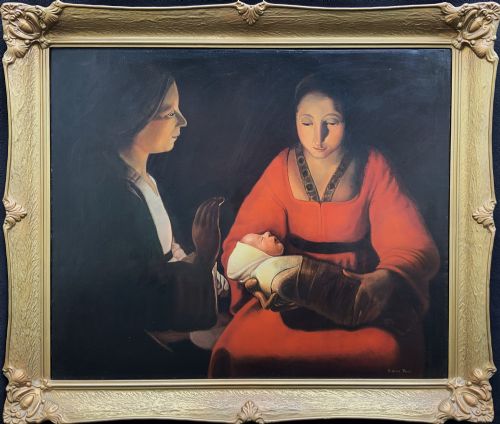

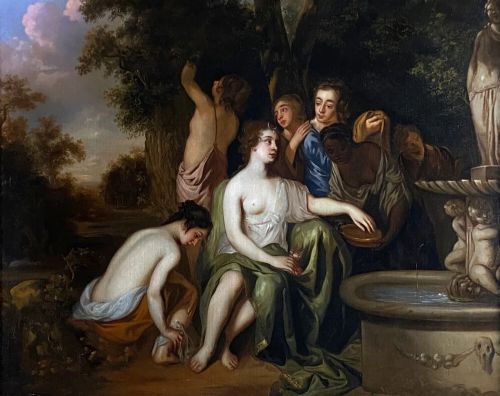
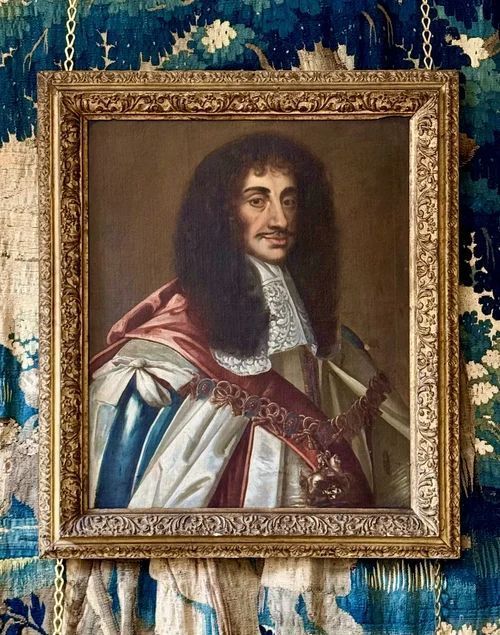
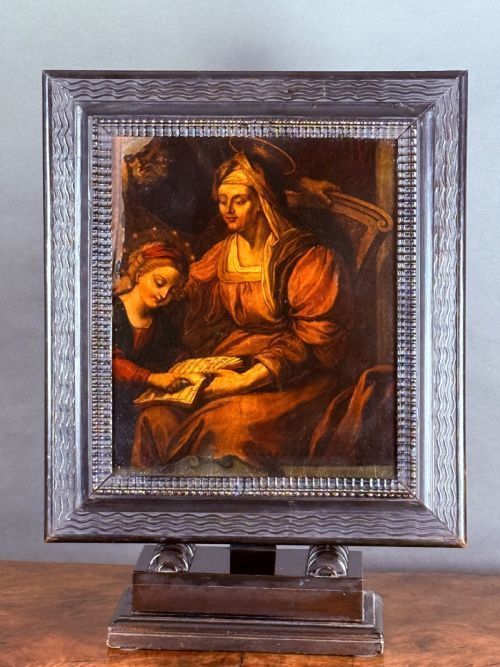
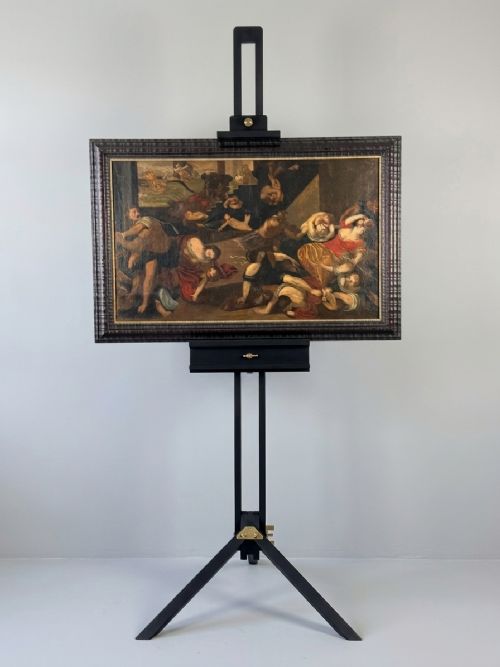
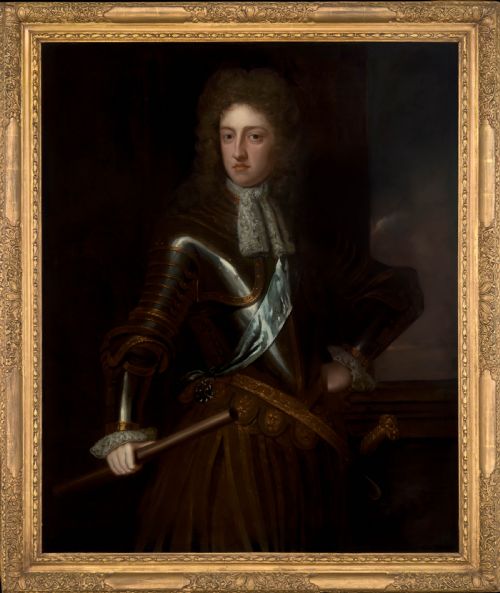
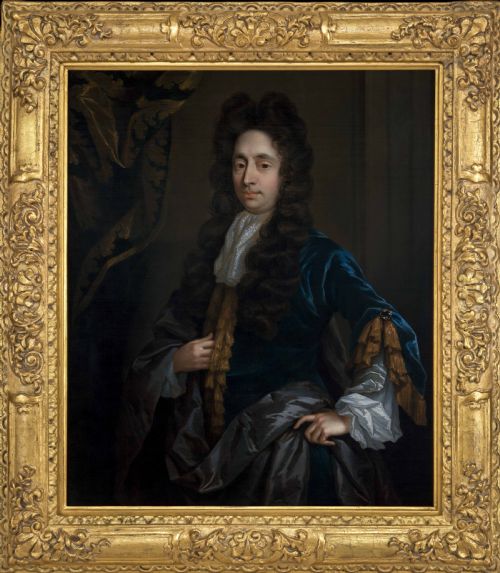
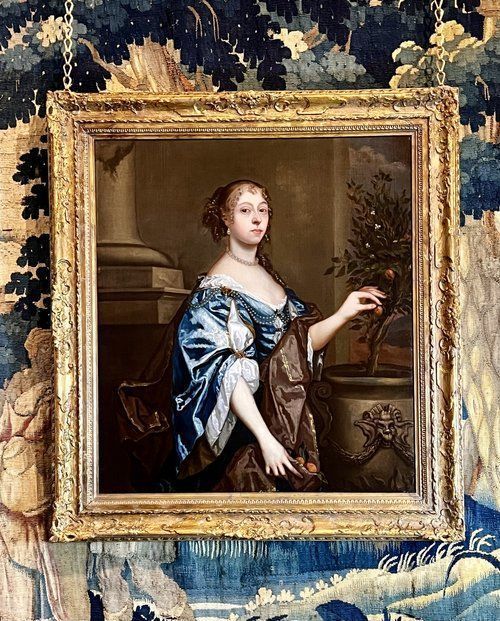
Framed Baroque Artwork
When you search for framed baroque artwork, you encounter centuries-old canvases, engravings, and mezzotints capturing grand portraiture and classical scenes.
Framed Baroque Artwork
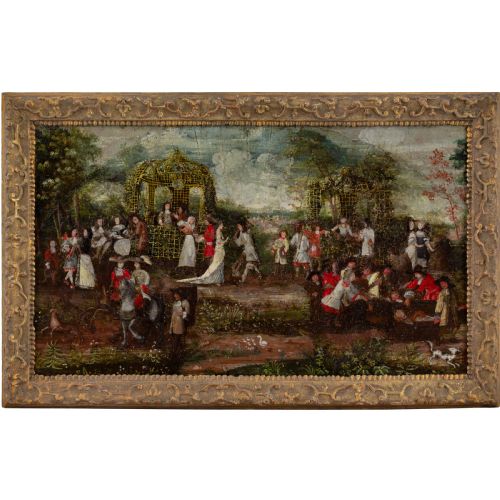
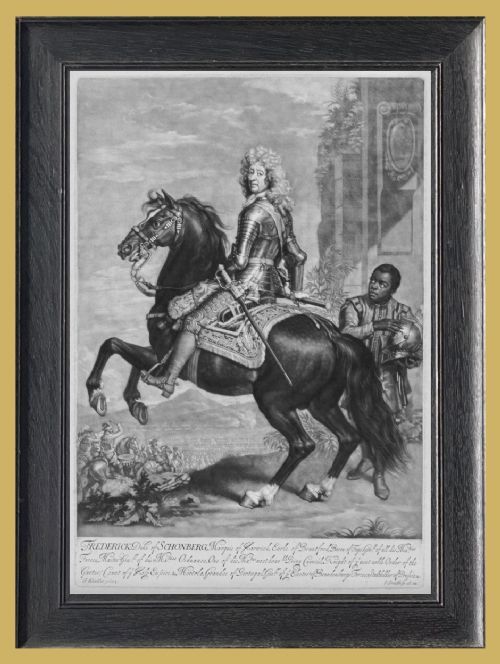
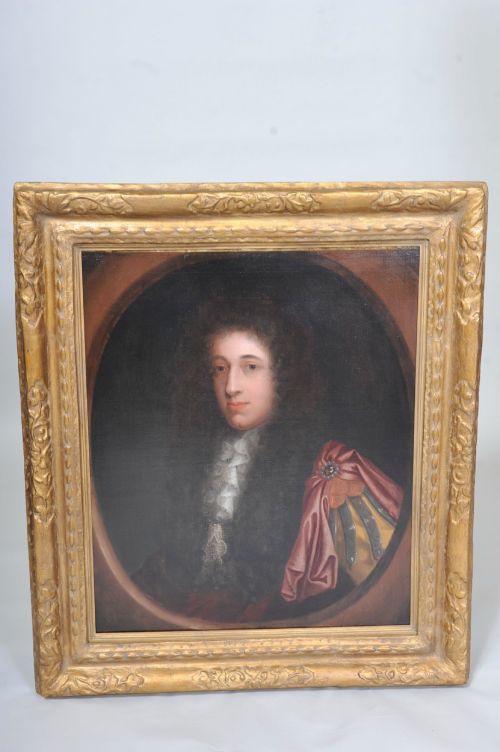
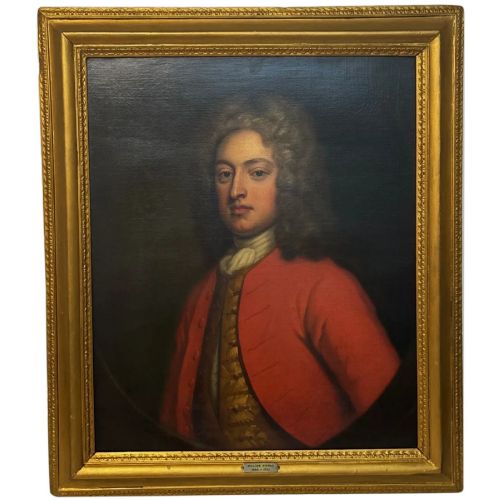
Buyers seeking framed baroque artwork encounter oil paintings, pastel works, and printed mezzotints originating primarily from the seventeenth and eighteenth centuries, alongside later revivals. These pieces span French, Dutch, Flemish, and English schools, capturing aristocratic sitters, mythological subjects, and dramatic religious scenes.
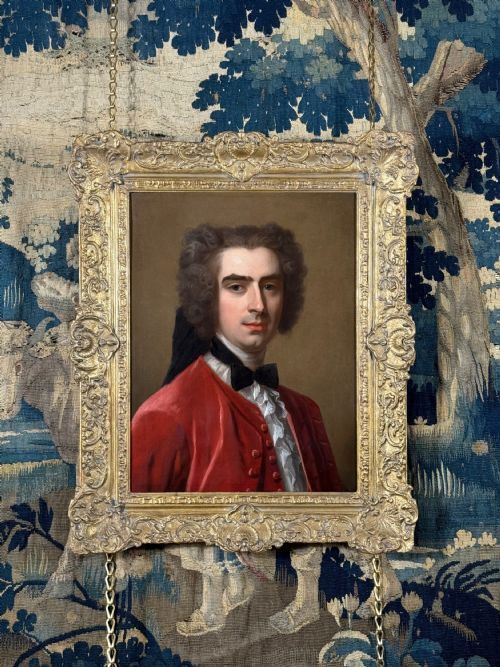
The selections on this page lean heavily towards original oil on canvas portraits and antique engravings framed in period wood or carved giltwood. Formats range from intimate cabinet paintings to large-scale wall art produced by continental European workshops and British printmakers.
Materials and construction methods
The physical works rely on traditional supports such as canvas, wood panels, and heavy paper, built up with oil paint, pastel, or ink. Canvases are stretched over wooden frames and frequently housed within heavily moulded giltwood or carved wooden surrounds that mirror the theatricality of the imagery.
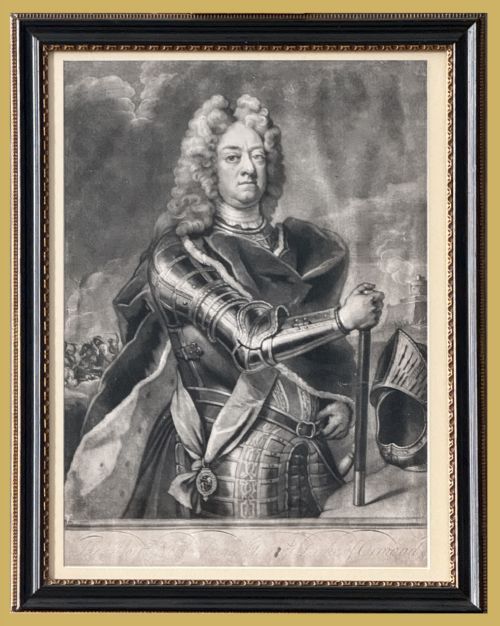
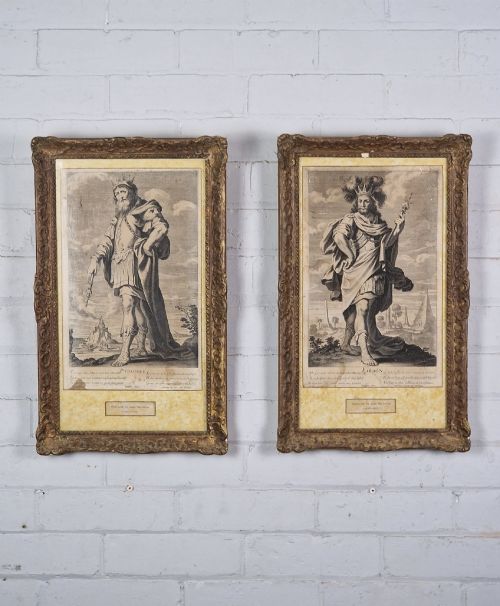
Printmakers utilised copper plates to produce detailed mezzotints and engravings on paper, sometimes employing reverse glass techniques. These printed works were subsequently mounted behind glass within timber frames to protect the delicate ink and paper surfaces from atmospheric degradation.
Listings feature oil paintings, pastels, and paper engravings spanning the seventeenth and eighteenth centuries, executed by British, Dutch, French, and German schools.
Factors determining quality
Quality separates studio output from master execution by observing the handling of light, shadow, and anatomical precision in the brushwork or ink impression. Pieces attributed to named artists or established circles typically display superior draughtsmanship and more expressive characterisation in portrait subjects.
The integrity and period accuracy of the framing significantly influence the overall standard of a piece. Carved giltwood surrounds that retain their original gilding and joinery elevate the presentation far above later, replacement framing.
Michael Dahl·Sir Peter Lely·Sir Godfrey Kneller·Georges de La Tour·John Smith
The Framed Baroque Artwork Glossary
- Mezzotint
- A printmaking process where the copper plate is roughened uniformly to allow dark tones, then scraped to produce lighter areas. This technique produces rich, velvety gradients well suited to dramatic portraits.
- Giltwood
- Timber, typically pine or oak, that has been coated with a thin layer of gold leaf or gilt paint. It is a defining material for ornamental frames of the period.
- Circle of
- A term used when a painting is closely related to the style of a master artist, executed by an unknown hand working in the same studio or direct influence. It denotes strong stylistic proximity without direct attribution.
- Engraving
- A printmaking method where an artist cuts lines directly into a metal plate using a sharp tool called a burin. The resulting impressions deliver crisp, highly detailed graphic lines.
- Reverse glass painting
- An artwork created by applying paint or ink to the reverse side of a glass sheet, viewed through the front to achieve a glossy finish. This delicate technique requires reverse execution of fine details.
Framed Baroque Artwork: Frequently Asked Questions
How do I identify a genuine seventeenth-century oil painting?
Examine the canvas weave, stretcher construction, and pigment ageing under magnification to check for period-appropriate materials. Continental European and British works from this era display hand-beveled stretchers and oxidised oil layers consistent with age.
Compare the handling of light and shadow against documented examples from the same school or circle. Contemporary framing also offers contextual clues regarding the piece's history.
What is the difference between an oil painting and a mezzotint?
Oil paintings utilise pigmented oil applied directly to canvas or wooden panels by hand, creating textured brushwork and deep colour layering. They represent unique, original fine art creations.
Mezzotints are printed works produced from an engraved metal plate onto paper, designed to replicate the tonal richness of paintings in multiple impressions. They are typically framed behind glass to protect the paper substrate.
How should I care for antique giltwood frames?
Keep framed artworks away from direct sunlight, high humidity, and rapid temperature fluctuations to prevent the wood from warping and the gesso from cracking. Stable indoor environments preserve both the canvas and the decorative frame.
Dust the giltwood gently with a dry, soft-bristled brush, avoiding chemical cleaning agents that can strip the gold leaf. Professional conservators should handle any structural repairs to the carved elements.
Where were most of these portraits originally displayed?
Portraiture of this scale hung primarily within country houses, civic chambers, and aristocratic town residences across Britain and continental Europe. They served to project lineage, political allegiance, and social status.
Smaller engravings and reverse glass pieces often decorated private studies, antechambers, or domestic sitting rooms as refined educational or religious decoration.