


Sepia Tone Artwork
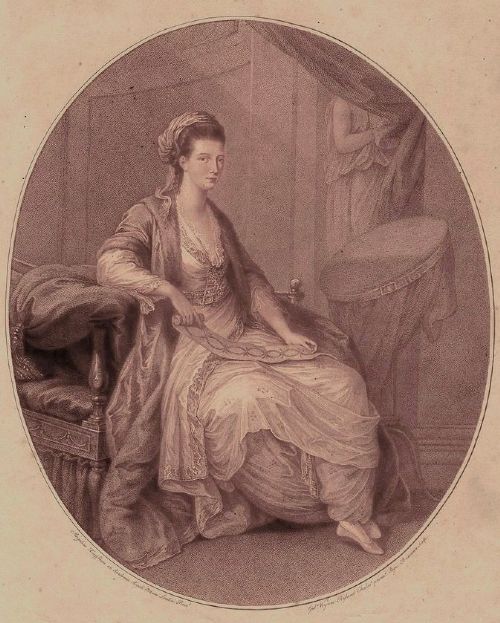
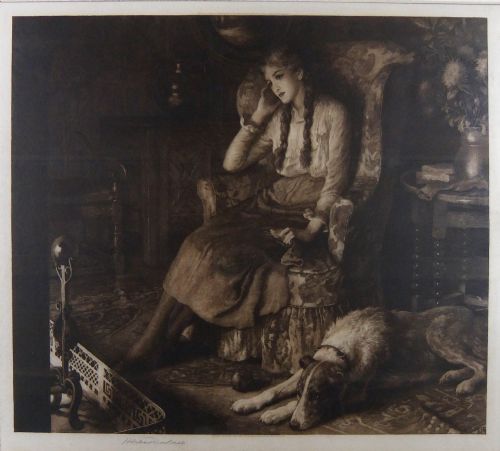
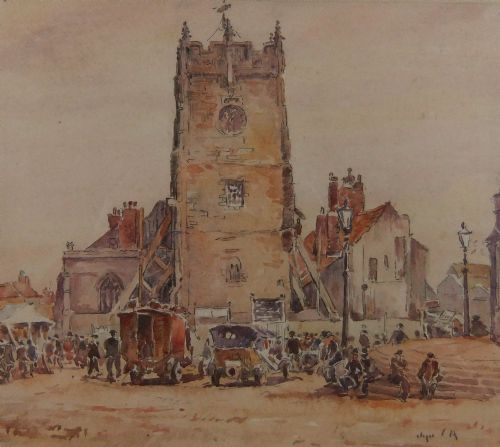
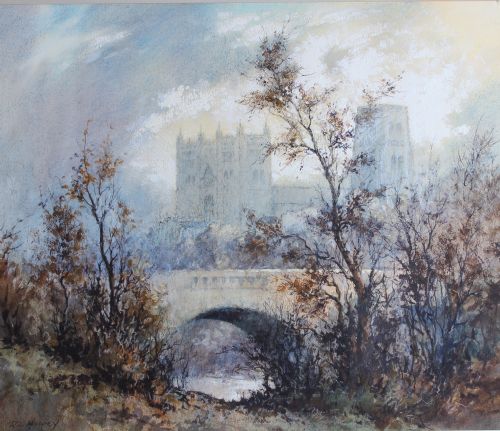
These sepia tone artwork pieces capture subtle monochrome warmth through historical pigments, offering collectors a direct link to past portraiture and landscape traditions.
Sepia Tone Artwork
When buyers search for sepia tone artwork, they encounter a range of historical works executed in monochrome or earthy brown monochrome washes. The pieces on this page span several centuries, including 18th Century, Georgian, Regency, Victorian, and Edwardian eras, alongside mid-20th-century examples.
The subjects vary from topographical townscapes and marine views to theatre figures and portrait engravings. Most pieces take the form of watercolours, ink drawings, etchings, or reverse glass mezzotints housed within wood or ebonised wood frames.
Buyers are most likely to meet watercolour paintings, pen and ink sketches, and early prints originating from British and French makers. These works reflect the shifting aesthetic preferences from classical 18th-century compositions to early 20th-century British landscapes.
Materials and execution
Makers utilised paper as the primary support, applying ink, watercolour paint, and gouache to build up tonal depth. Many works incorporate pen and ink line work combined with subtle washes to achieve the characteristic brown monochrome effect.
Printmakers employed copper plates for etchings and engravings, transferring images onto paper or utilising reverse glass techniques. Frames constructed from wood or ebonised wood often complete the presentation of these works.
Cats, clowns, and theatre figures occasionally share gallery space with solemn cathedral spires and historical portrait engravings.
Assessing quality in monochrome works
The distinction between tiers of quality rests upon the surety of the draughtsmanship and the preservation of the delicate washes. Finer examples display confident pen strokes and nuanced tonal gradations that create atmospheric depth without relying on heavy pigments.
Condition of the paper and the integrity of the original framing elements also influence the standing of a piece. Works that retain their original ebonised wood frames and unblemished paper surfaces represent the upper echelon of surviving examples.
Herbert Dicksee·John Smith Atherton·Robert Leslie Howey·Charles James Lauder·Thomas Rowlandson·John Boydell·Sir William Nicholson·Sir Muirhead Bone·Dame Laura Knight·Fred Lawson·John Thirttle
The Sepia Tone Artwork Glossary
- Sepia
- A brown pigment historically derived from the ink sac of the cuttlefish. It produces the characteristic warm monochrome tone seen in many historical drawings and prints.
- Mezzotint
- A printmaking process of the intaglio family where the plate is roughened to achieve rich dark tones. This technique allows for subtle tonal variations rather than simple line work.
- Etching
- A printmaking method where acid bites into metal to create lines that hold ink. Artists use this technique to produce detailed images on paper.
- Gouache
- An opaque water-based paint composed of pigment and binder. It adds dense highlights to watercolour and ink compositions.
- Ebonised wood
- Timber treated to resemble ebony, providing a dark, uniform finish. This material frequently appears in period framing.
Sepia Tone Artwork: Frequently Asked Questions
What is sepia tone artwork?
These works consist of historical drawings, prints, and paintings executed in shades of brown monochrome. They utilise ink, watercolour, or etching techniques to create tonal images.
Such pieces document centuries of artistic practice, ranging from 18th-century portraits to mid-20th-century British townscapes.
How should I frame these pieces?
Many works survive in their period frames, such as ebonised wood or simple moulded wooden mouldings. Preserving these original housings maintains the historical context of the piece.
When framing unmounted sheets, use acid-free materials and glass to protect the paper and delicate ink washes from environmental degradation.
How do I distinguish 18th-century works from Edwardian ones?
Dating relies upon stylistic cues, paper characteristics, and subject matter conventions. Eighteenth-century pieces often feature classical portraiture or grand landscape traditions, while Edwardian examples lean towards looser atmospheric townscapes.
Examining the watermark on the paper or checking recorded artist dates provides further verification of the period.
Where were these works displayed historically?
Owners typically displayed framed watercolours and prints in domestic reception rooms, libraries, and galleries. Intimate portraits and sketches were also kept in portfolios for private study.
Their scale suits domestic wall spaces rather than large public halls.