
Secretaire Writing Cabinet
A secretaire writing cabinet combines a functional drop-front desk with concealed fitted interiors and display or storage space above.
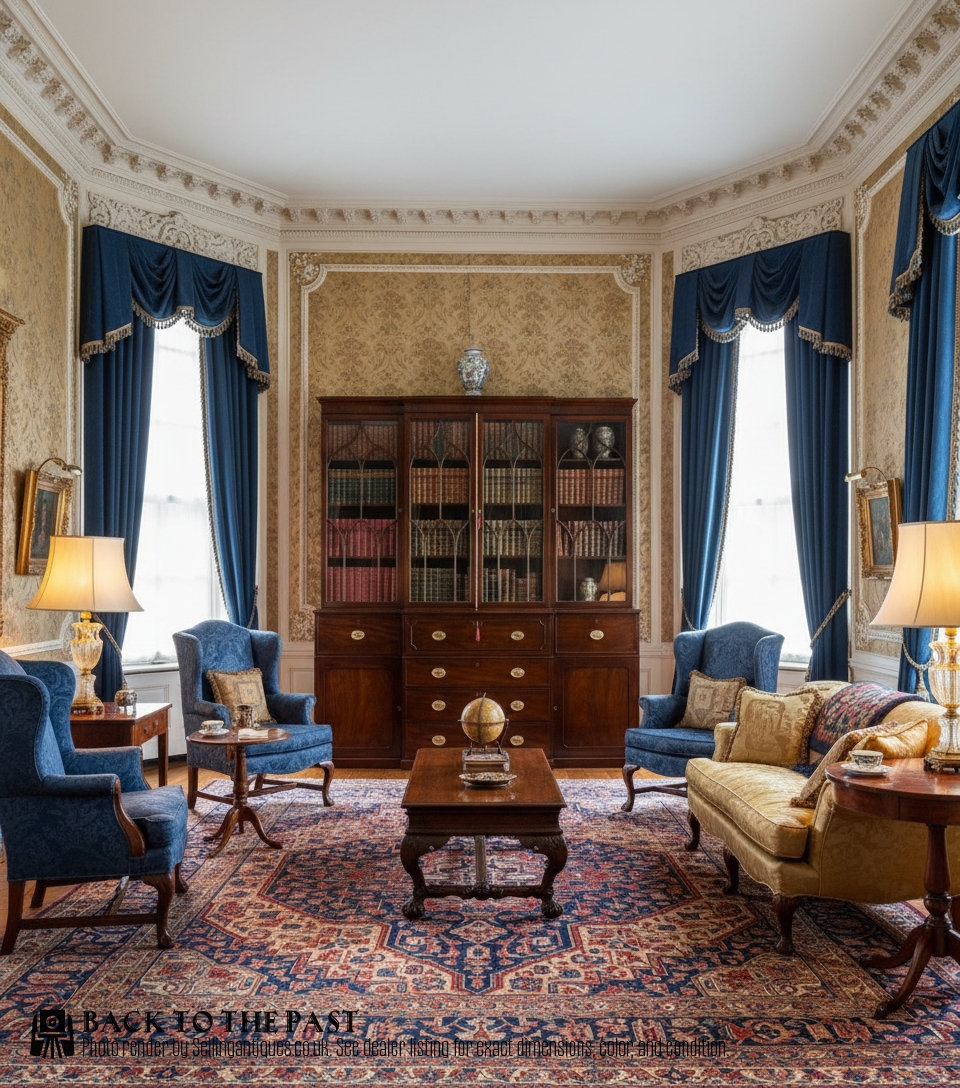
Secretaire Writing Cabinet
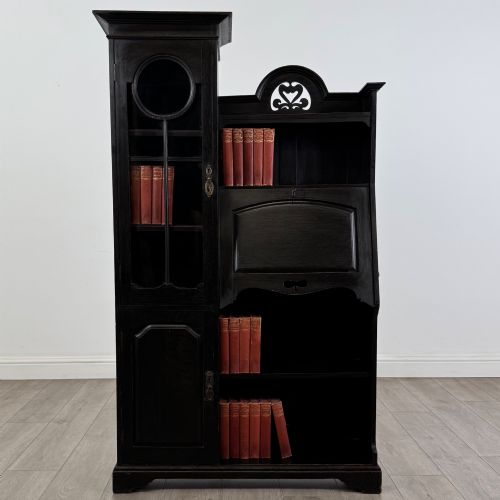
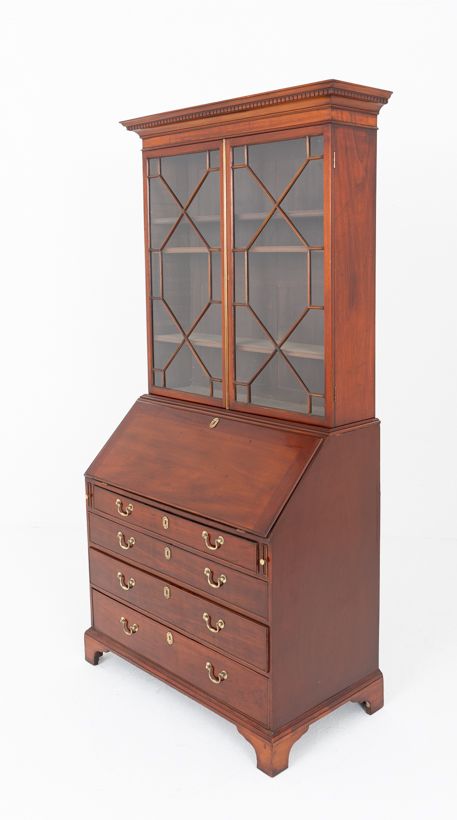
A secretaire writing cabinet is a form of furniture designed primarily for correspondence and document storage, featuring a hinged writing surface that drops down to reveal small drawers and pigeonholes. When considering a secretaire writing cabinet, buyers encounter diverse regional interpretations ranging from tall bookcases to compact chests of drawers.
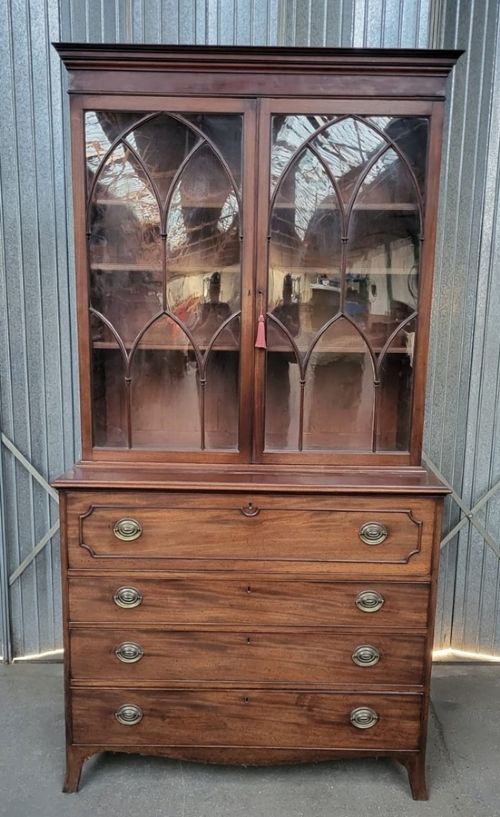
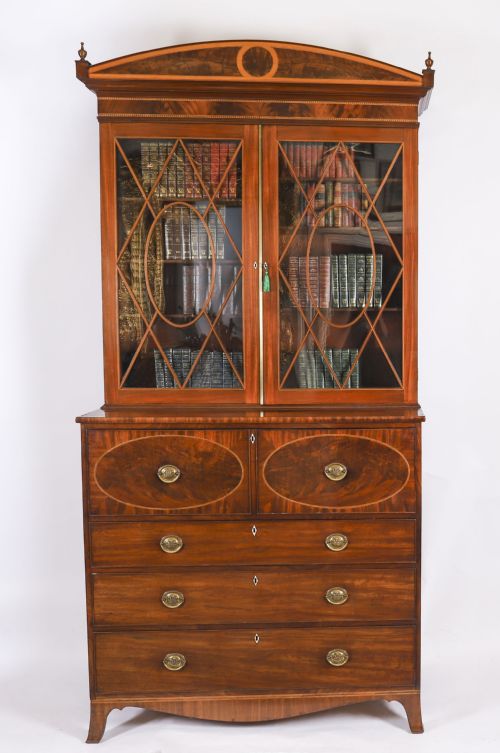
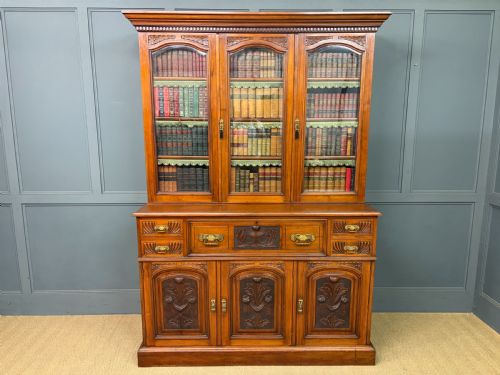
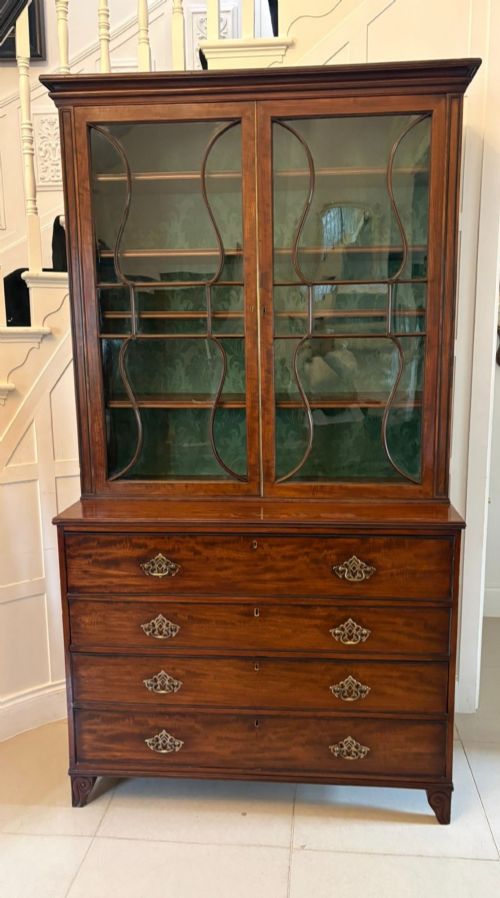
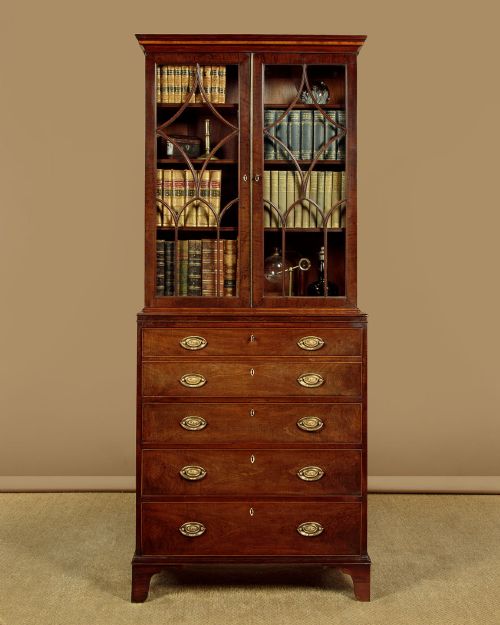
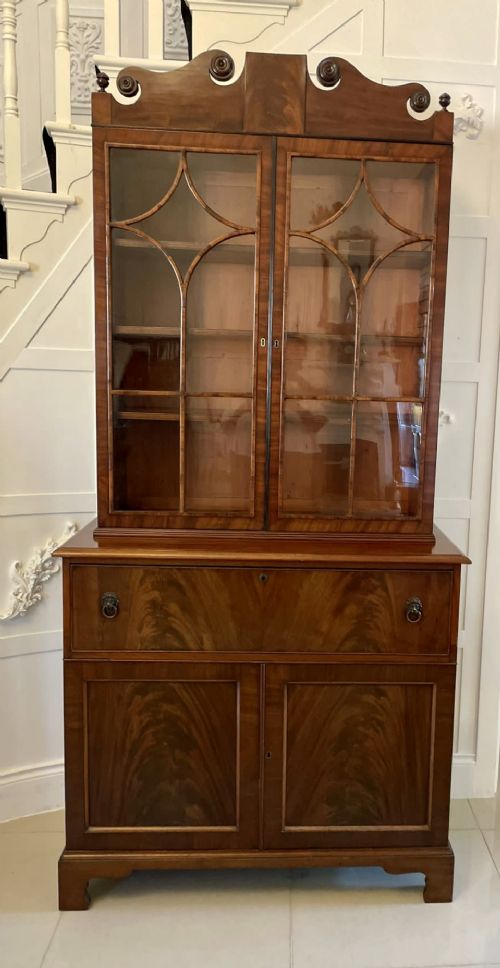
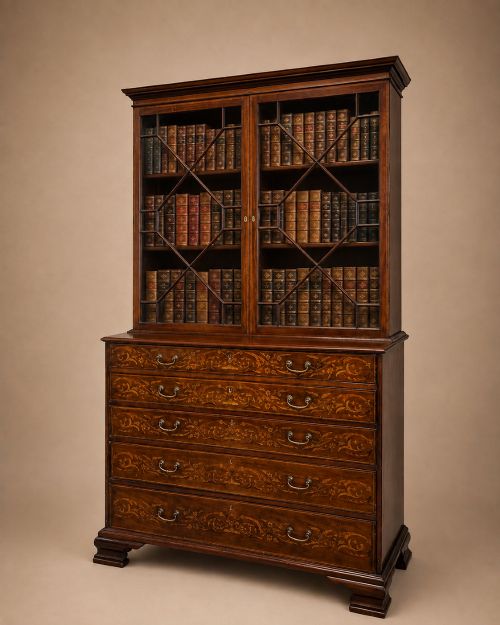
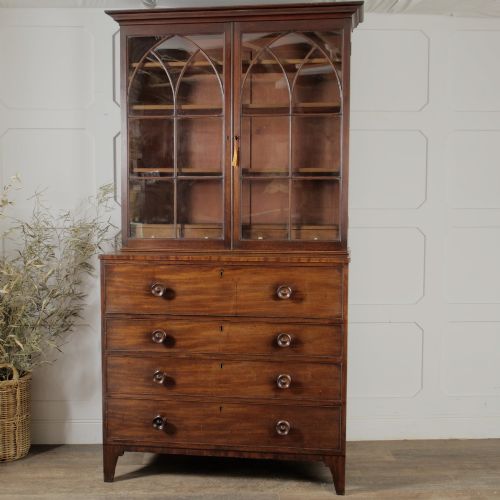
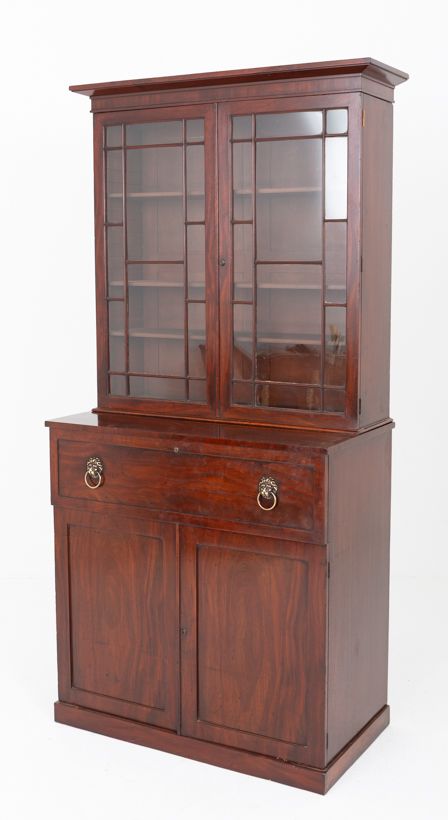
The most common iterations on this page are tall bookcase combinations and drop-front abattants dating from the Georgian, Regency, and Victorian periods. These pieces often incorporate glazed upper doors for displaying books or shelving for domestic utility.
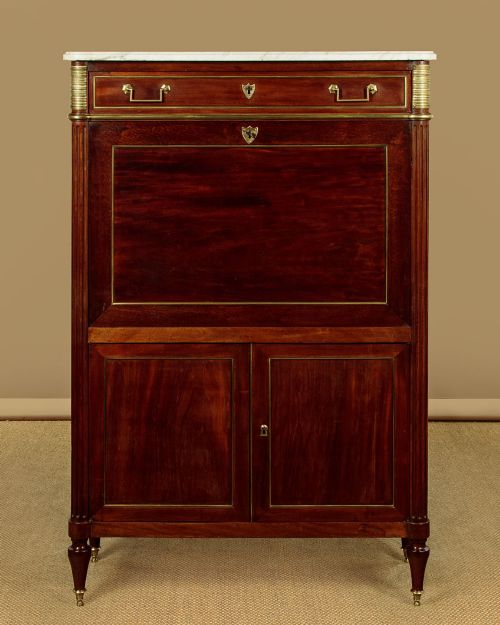
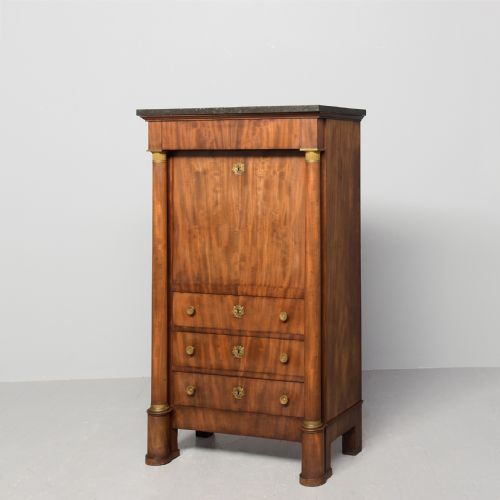
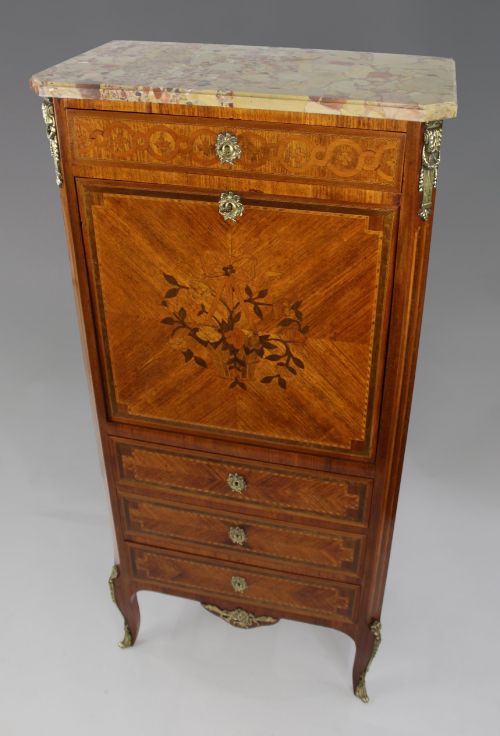
Examples originate from British workshops as well as Continental centres, displaying stylistic influences such as Louis XV Revival, Gothic Revival, and French Restoration. The core form remains consistent in its integration of a secret writing compartment within a larger case piece.
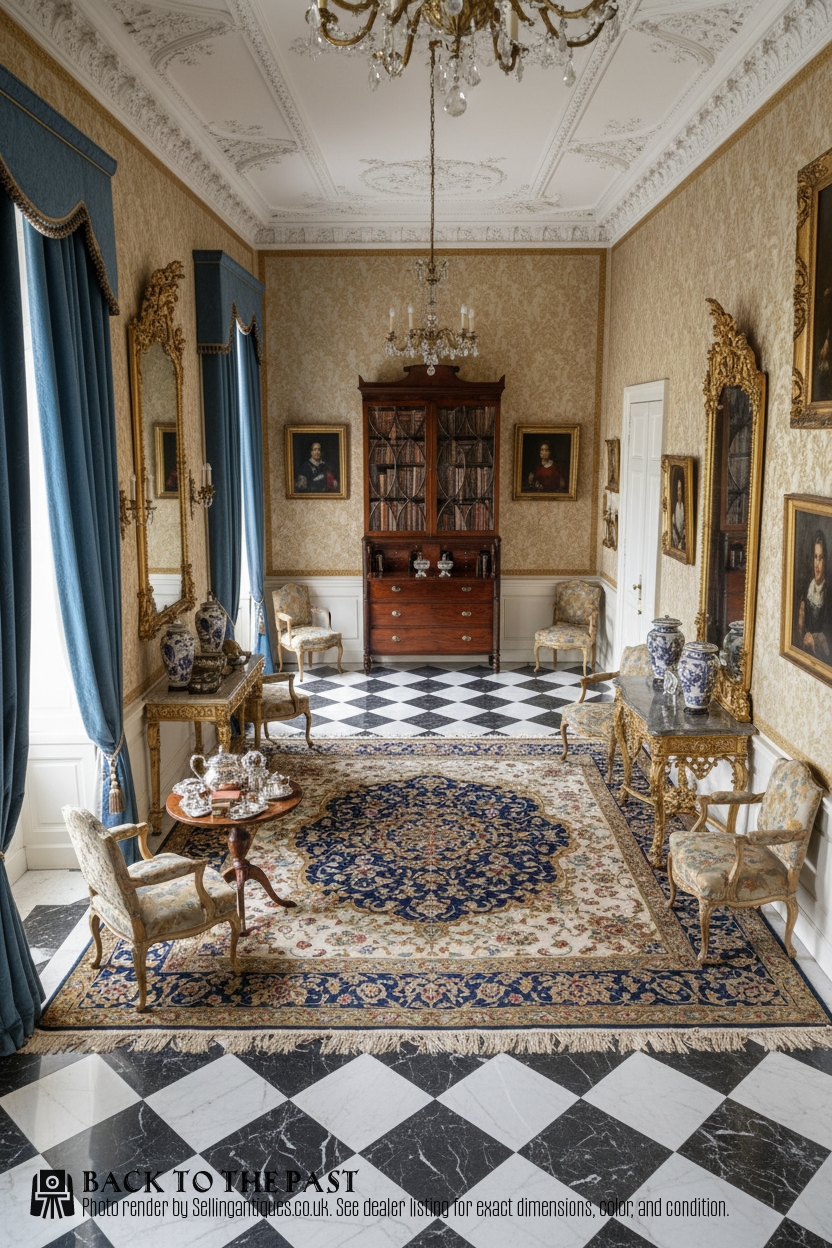
Materials and Construction
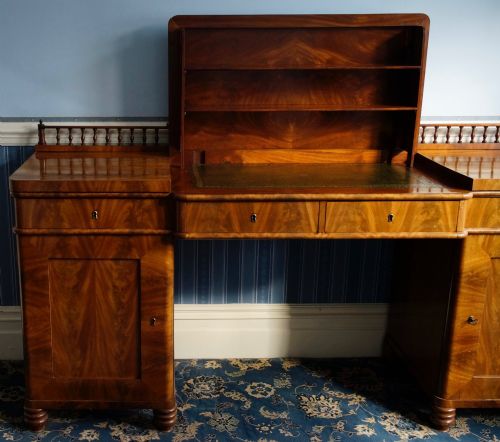
Cabinet makers utilised dense timber foundations such as mahogany, oak, walnut, and rosewood, frequently applying flame mahogany or exotic veneers to the principal exterior surfaces. Structural stability relied on traditional joinery methods, with secondary softwoods often used for internal drawer carcases.
Decorative elements included brass hardware, inlaid marquetry, parquetry, ormolu mounts, and marble tops, particularly on French abattant models. Glazed doors utilised timber framing to house individual glass panes for the upper bookcase sections.
Secretaire Writing Cabinet Retail Price Guide 2026
Typical asking prices for secretaire writing cabinet among the pieces listed under this phrase on Sellingantiques today, from the lower quarter to the upper quarter. They describe what is for sale here now, not the wider market.
Listings feature secretaire writing cabinets spanning the Georgian, Regency, Victorian, and Edwardian periods in mahogany, walnut, oak, and rosewood.
Assessing Quality
Quality in a secretaire writing cabinet is demonstrated by the selection and matching of wood veneers, particularly on prominent surfaces like the drop-front flap. Grain continuity across drawer fronts and harmonious figure alignment distinguish superior cabinet work from standard production.
The sophistication of the internal fittings defines the upper tier of these pieces, showing intricate small drawers, secret compartments, and finely turned pigeonholes. Robust mechanisms for the writing surface support arms and clean integration of brass locks indicate high standards of period construction.
George Oakley·Gillows·Maison Krieger
The Secretaire Writing Cabinet Glossary
- Escritoire
- An alternative term for a writing cabinet or desk. It denotes furniture specifically built for correspondence and paperwork.
- Flame mahogany
- Timber cut from the fork of the mahogany tree to produce a distinctive, flickering flame-like grain pattern. Cabinet makers reserved this veneer for principal facades.
- Ormolu
- Gilt bronze ornamentation applied to furniture, especially popular in French pieces of the 19th century. It provides decorative contrast against dark woods like kingwood and mahogany.
- Wellington chest
- A tall, slender chest of drawers secured by a hinged locking stile on one side. Some variants incorporate a secretaire drawer within the stack.
Secretaire Writing Cabinet: Frequently Asked Questions
What is a secretaire writing cabinet?
A secretaire writing cabinet is a dual-purpose piece of furniture containing a drop-front writing surface that conceals small drawers and pigeonholes. It typically combines a desk function with lower drawers or an upper bookcase.
These cabinets were designed for domestic correspondence and record keeping. They allow paperwork to be hidden away neatly when not in use.
How do I use a drop-front desk?
The drop-front writing surface is released by unlocking the fall-front flap, which is usually supported by internal quadrant arms or wooden lopers. This creates a stable writing desk.
Inside, users find a collection of small drawers and pigeonholes for stationery and letters. Closing the flap secures the workspace and hides the contents.
Where were these cabinets placed?
Historically, secretaire writing cabinets stood in reception rooms, libraries, and private bedchambers. Their upright proportions made them efficient for storing books and papers without occupying excessive floor space.
In modern interiors, they function well in home studies or living rooms where both storage and a dedicated writing surface are required.
How do I distinguish Regency from Victorian examples?
Regency secretaire cabinets often feature clean architectural lines, brass inlay, and figured mahogany veneers inspired by classical forms. They tend to exhibit restrained ornamentation and balanced proportions.
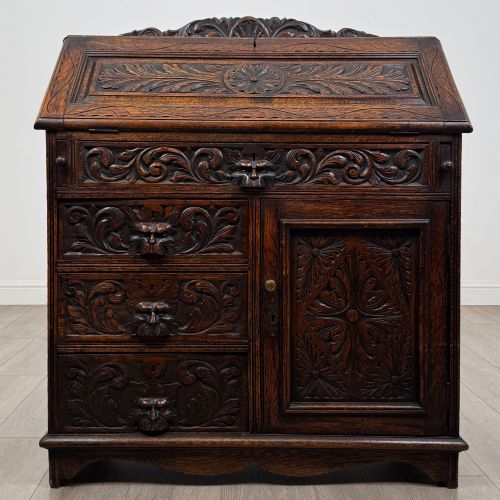
Victorian pieces frequently display heavier carved details, darker walnut or oak timbers, and revival styles such as Gothic or Louis XV influences. The internal drawer layouts also reflect the shifting manufacturing techniques of the later 19th century.