

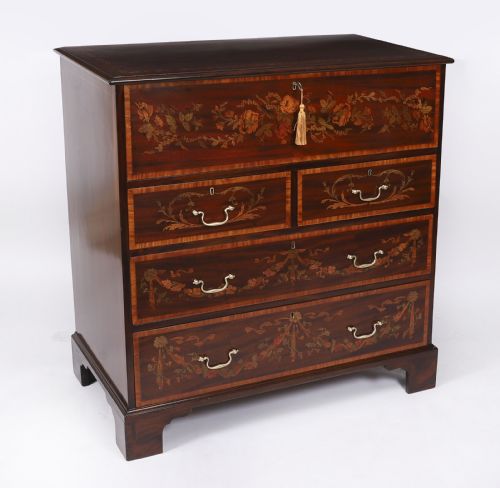
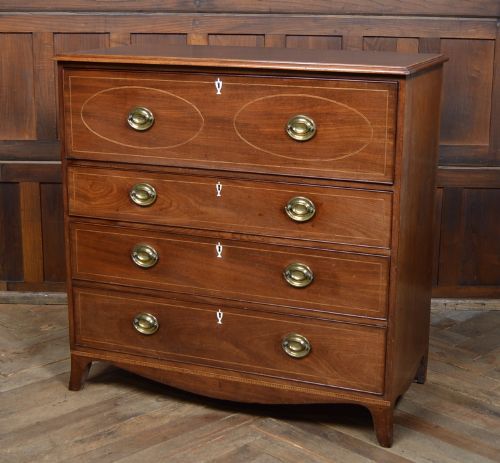

Secretaire Drawer Cabinet
A secretaire drawer cabinet combines the everyday storage of a chest with a concealed writing surface for correspondence.
Secretaire Drawer Cabinet
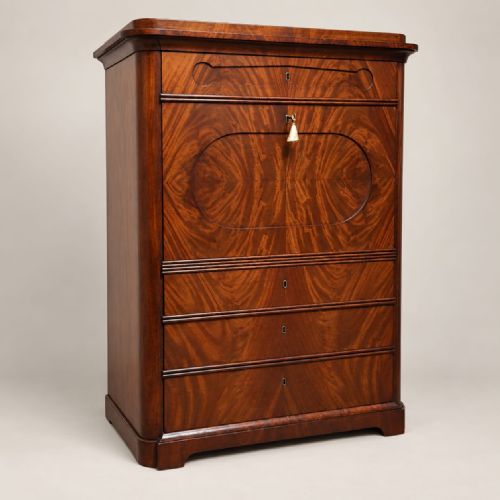
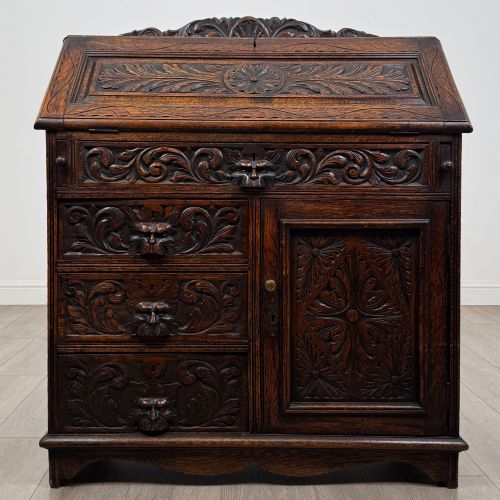
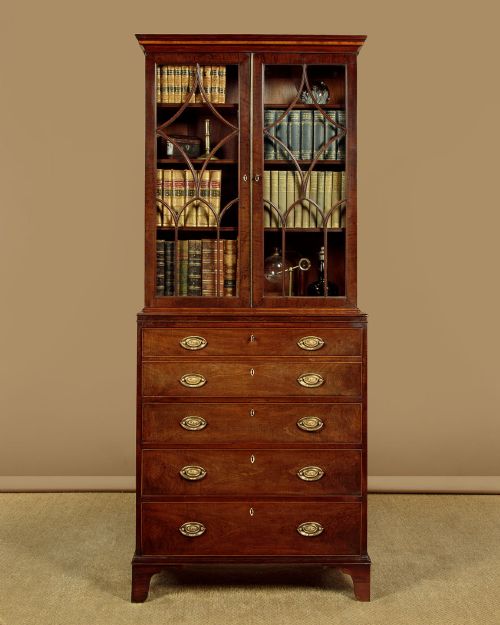
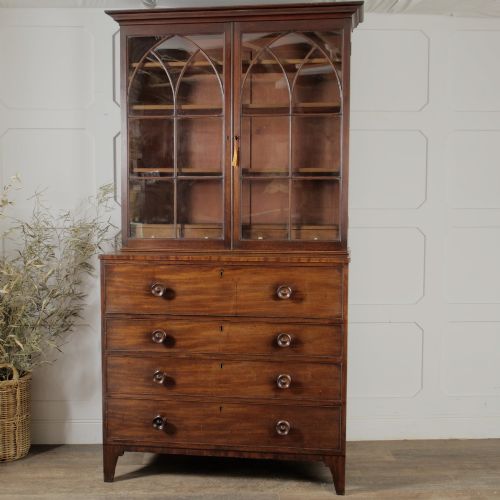
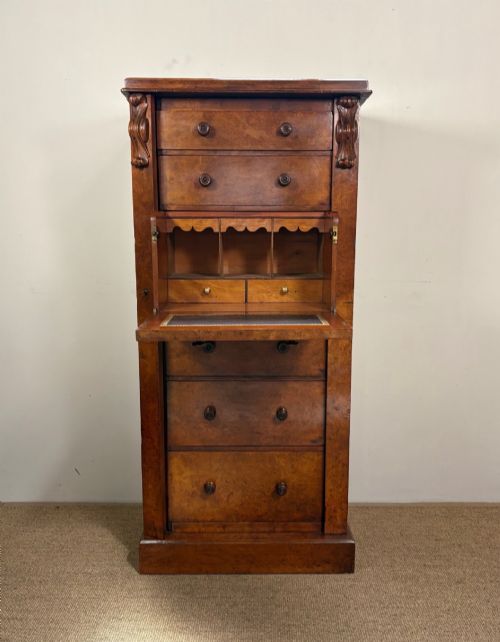
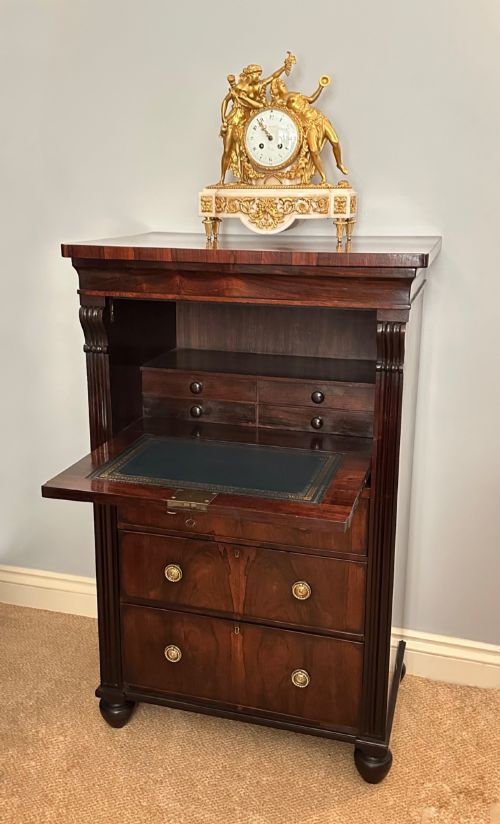
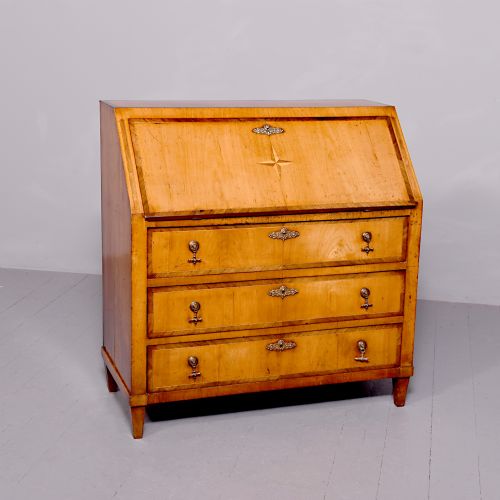
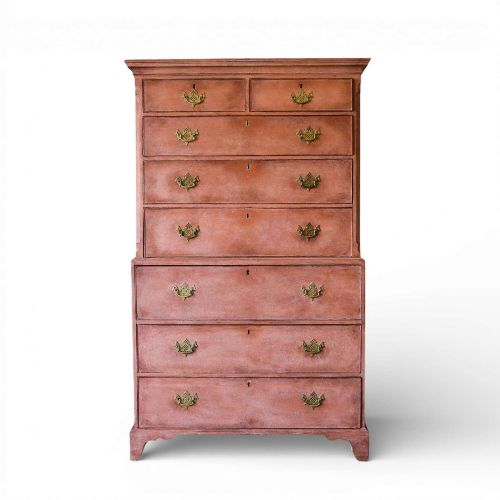
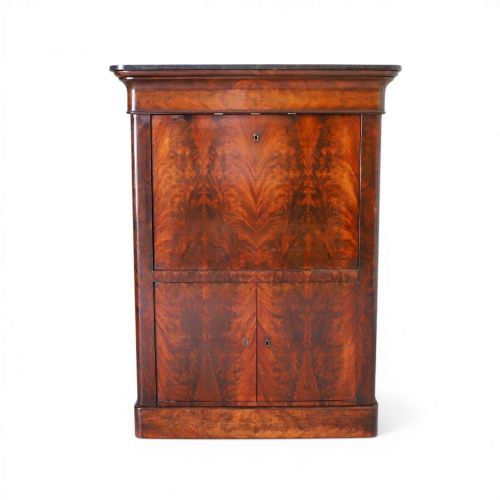
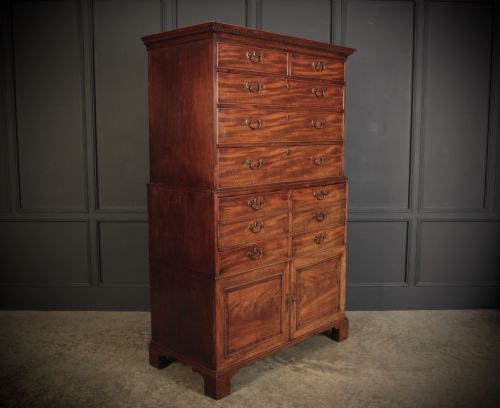
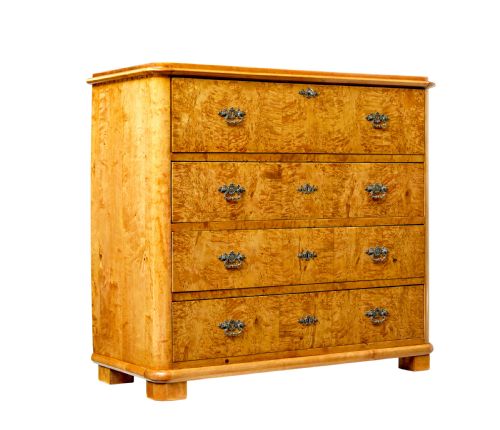
A secretaire drawer cabinet is a hybrid form serving both storage and writing functions within a domestic interior. You will frequently encounter these pieces as tall chests, tallboys, or bookcase combinations originating from Georgian, Regency, and Victorian periods.
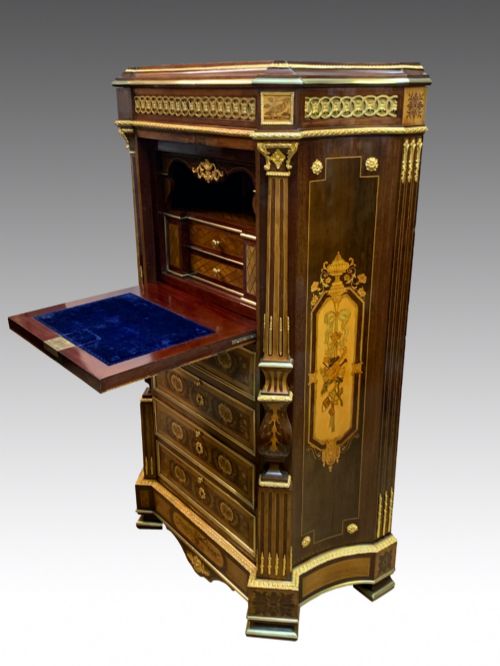
The defining characteristic is a fitted top drawer that drops or pulls forward to reveal a writing slope, pigeonholes, and small internal compartments. Pieces on this page span British and continental workshops, including French and Swedish examples in various regional woods.
Quality Indicators
The standard of a secretaire drawer cabinet is judged by the depth of figure in the wood veneers and the crispness of any carved or inlaid decoration. Selection of matched timbers across drawer fronts indicates superior cabinet work.
Internal complexity dictates the tier of the piece, with fitted pigeonholes, concealed compartments, and secret drawers showing the maker's skill. Original glass panes, intact leather writing inserts, and matching brass handles contribute to a cohesive example.
Listings feature woods including mahogany, walnut, rosewood, satinwood, kingwood, and oak across Georgian, Regency, and Victorian periods.
Maison Krieger·Chippendale
The Secretaire Drawer Cabinet Glossary
- Secretaire
- A desk or cabinet containing a concealed writing drawer or fold-down writing surface. This mechanical element allows a standard chest of drawers or bookcase to function as a writing desk.
- Abattant
- A continental term for a drop-front fall-plate on a cabinet or writing desk. It conceals internal stationery compartments when closed.
- Tallboy
- A tall chest of drawers stacked one above another, often split into a double-chest configuration known as a chest on chest. Many incorporate a secretaire drawer within the upper section.
- Ormolu
- Gilded bronze mounts applied to furniture for decorative effect. It appears frequently on French cabinets alongside marble tops.
- Vernis Martin
- A type of simulated Japanese lacquer developed in eighteenth-century France. It provides a glossy, decorative surface finish on specialised cabinets.
Secretaire Drawer Cabinet: Frequently Asked Questions
What is a secretaire drawer cabinet?
A secretaire drawer cabinet is a storage piece featuring a specialised drawer that opens to reveal a writing surface and small compartments. It bridges the gap between a conventional chest of drawers and a writing desk.
These pieces were used for sorting correspondence and storing documents discretely within domestic rooms without requiring a separate bulky desk.
How do you use the writing drawer?
The front of the top drawer pulls forward or drops down on hinges to form a flat writing surface. Internal small drawers and pigeonholes remain accessible above this slope.
Writing implements and paper can be stored directly inside the cavity when the fall-front mechanism is closed again after use.
Where were these cabinets placed?
These cabinets sat primarily in studies, bedrooms, and reception rooms of large houses where private correspondence took place. Their dual function saved floor space in domestic interiors.
Tall variants like tallboys and bookcase combinations provided substantial vertical storage alongside the dedicated writing facility.
How do I spot secret drawers?
Secret drawers are typically concealed behind dummy partitions, sliding panels, or within the central nest of pigeonholes inside the main drop-front compartment. They require specific release catches or sequencing to open.
Cabinet makers designed these hidden compartments to secure valuables, private letters, or currency away from casual view.
How do I date a Georgian piece?
Dating relies on timber choices, construction methods of the drawer linings, and the prevailing decorative style of the period. Earlier examples often feature figured mahogany and simpler internal layouts.
Examining the secondary woods used inside the drawer construction helps confirm the manufacturing era alongside stylistic clues like bracket feet or cornice details.