


Sculpture Display Plinth
A sculpture display plinth elevates bronze and marble to eye level, bringing proportion and focus to an interior space.
Sculpture Display Plinth
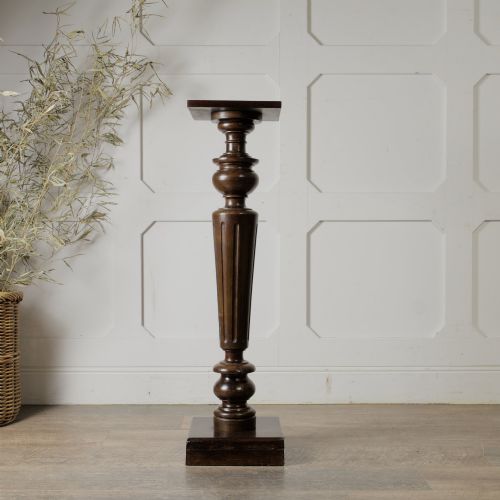
Every sculpture display plinth serves to elevate art, bringing three-dimensional pieces into direct view within a room. The selection spans structural columns, turned wooden stands, and sturdy pedestals designed to support heavier busts or figures.
Victorian and nineteenth-century examples dominate the offerings, often drawing inspiration from Neoclassical and Classical Revival design. Makers utilised robust timbers alongside stone to create stable platforms for domestic display.
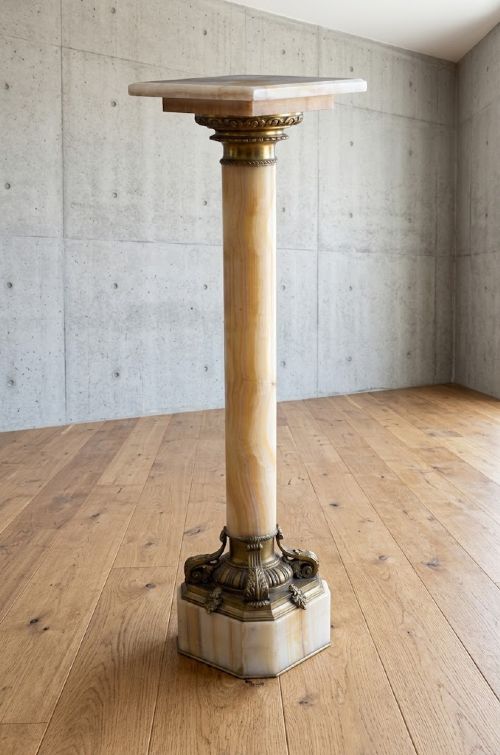
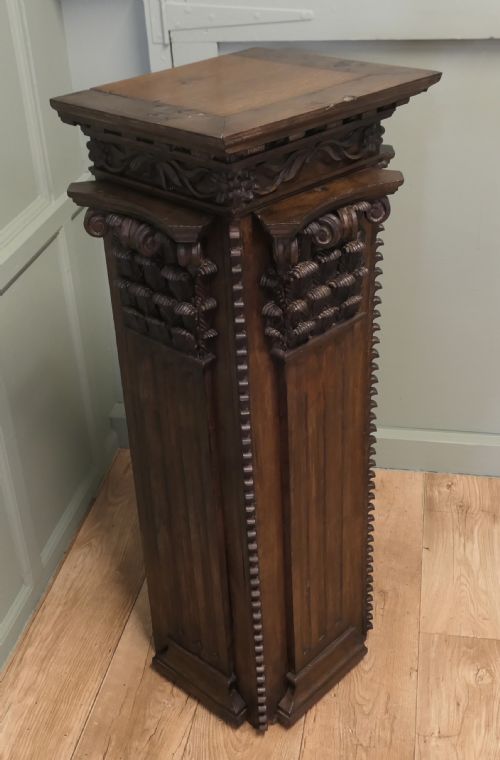
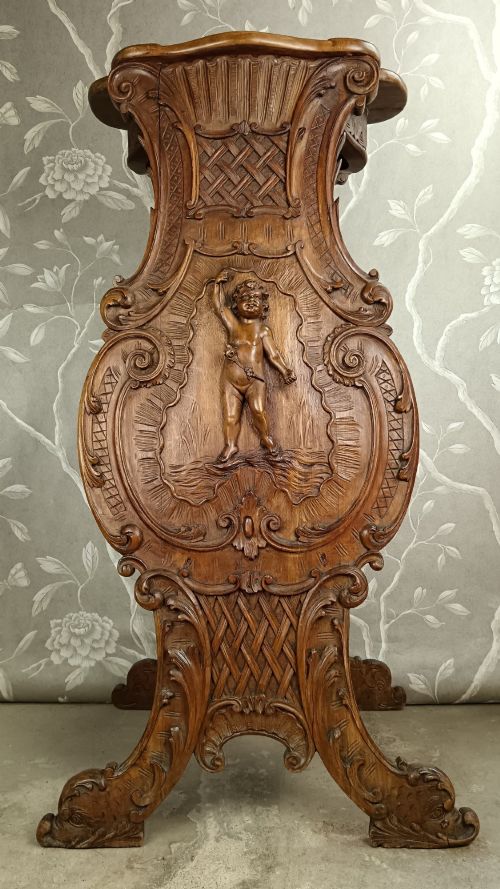
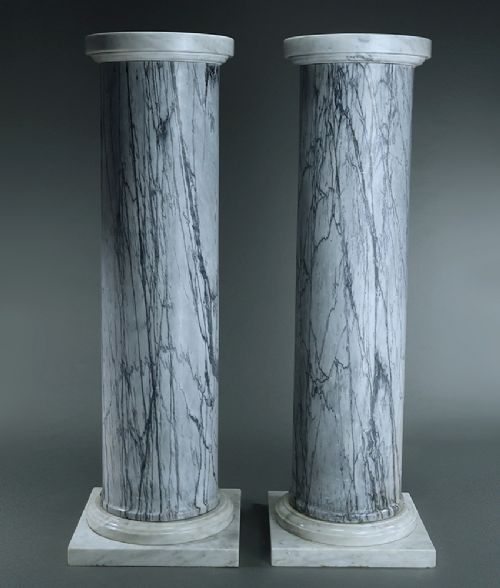
Forms vary from cylindrical marble columns to square wooden stands and elaborate tri-form bases. Buyers encounter both utilitarian display supports and highly decorative furniture pieces designed as focal points.
Materials and construction methods
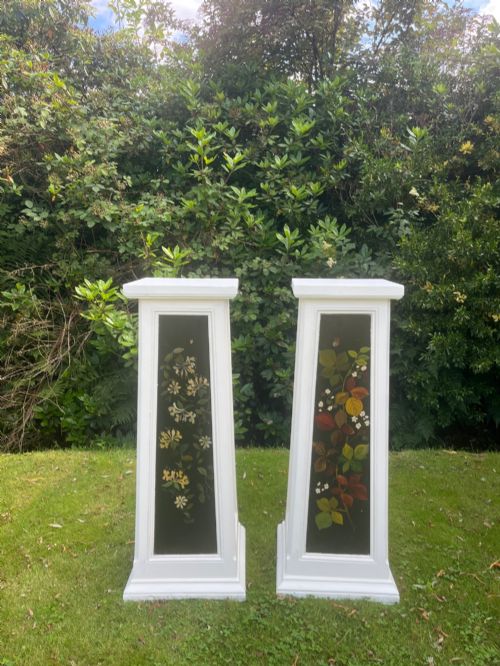
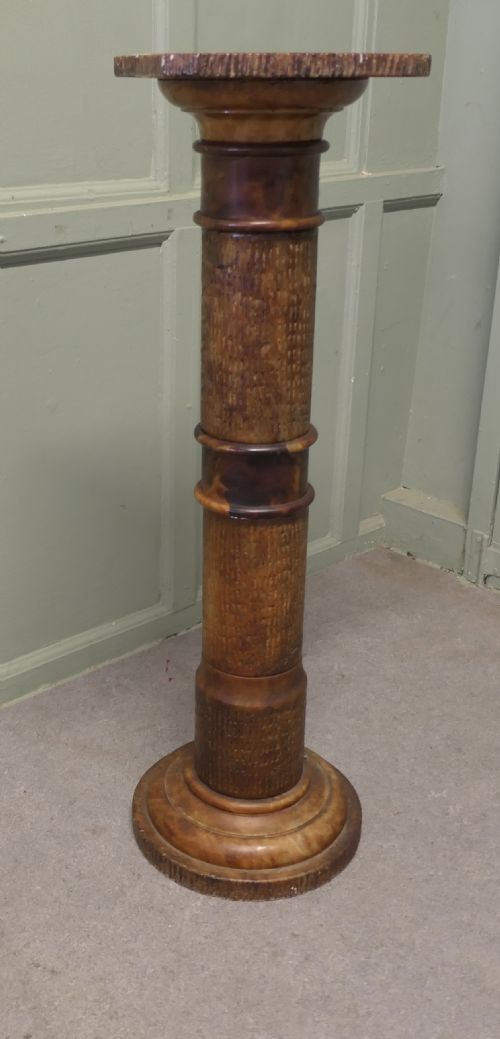
Construction relies heavily on dense hardwoods such as mahogany, oak, walnut, and satinwood, frequently paired with turned or carved details. Workshops also turned to birch, ebonised wood, and painted pine to achieve specific aesthetic effects.
Several columns disguise their humble pine origins beneath remarkably convincing painted faux marble finishes.
Factors that distinguish finer pieces
Quality rests in the selection of materials and the precision of the carving or turning. Solid exotic timbers and genuine variegated marbles sit at the higher end, while painted pine and faux finishes represent alternative decorative approaches.
Structural stability under weight separates standard stands from exhibition examples. Finer pieces display careful joinery, well-balanced proportions, and integrated decorative mounts that complement rather than overwhelm the support.
Gillow & Co.
The Sculpture Display Plinth Glossary
- Ormolu
- Gilded bronze mounts applied to furniture and columns. This technique provides metallic detail against wood or marble.
- Scagliola
- A composite material made from selenite, glue, and pigments, mimicking true stone. Artisans used this technique to create convincing faux marble columns.
- Solomonic
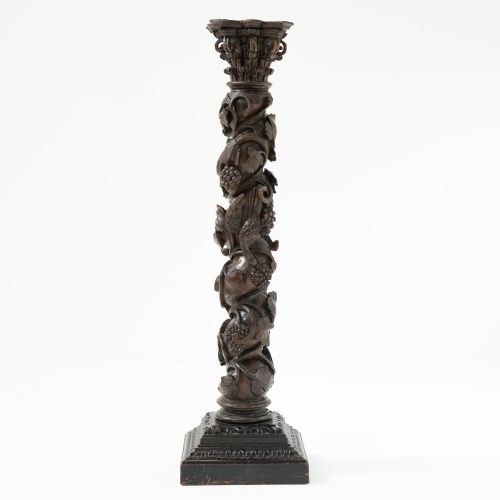
- A helical or spiral twist applied to columns and pedestals. This classical form adds dynamic movement to vertical supports.
- Socle
- A short plinth or pedestal supporting a column or bust. It provides a stable transition between the floor and the main shaft.
Sculpture Display Plinth: Frequently Asked Questions
What weight can a wooden sculpture display plinth hold?
Solid hardwood and heavy timber pedestals support substantial bronze or marble works safely during daily display.
Lighter stands built from pine or plaster suit smaller terracotta figures or decorative busts rather than massive stone statues.
How do I choose between marble and wood?
Marble columns offer classical weight and water resistance, making them ideal for heavier stone or metal sculptures.
Wooden pedestals introduce warmth and grain texture to a room, fitting traditional interiors where stone might appear severe.
Where should I place a sculpture display plinth?
Corners and blank wall spaces provide natural locations to position a pedestal without obstructing room flow.
Lighting matters significantly, so placing the stand near a natural light source highlights the contours of the elevated sculpture.
How can I identify a Neoclassical pedestal?
Neoclassical pieces feature restrained classical motifs, straight lines, and architectural details drawn from Greek and Roman antiquity.
These columns often utilise white or coloured marble, fluted shafts, and simple plinth bases rather than ornate Rococo carving.