


Scottish Server Sideboard
These scottish server sideboard examples bring robust timber and generous proportions to a dining room, offering both display and storage.
Scottish Server Sideboard
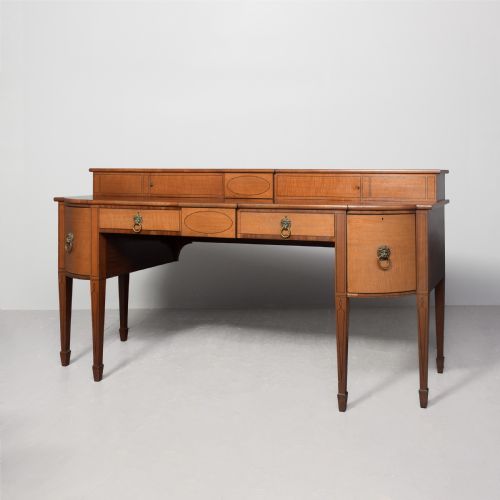
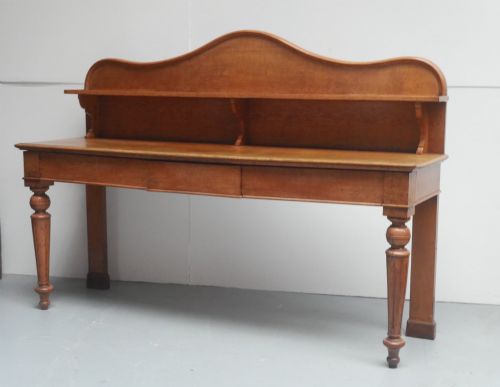
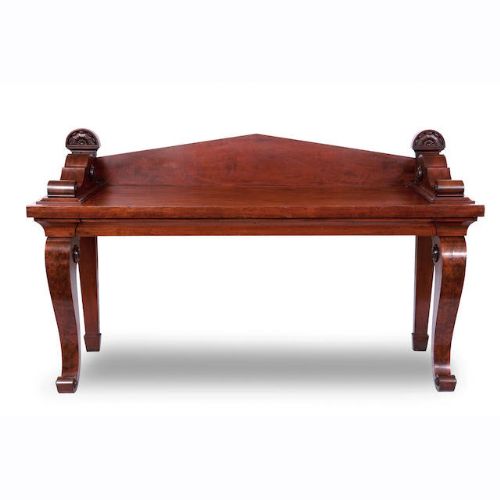
A scottish server sideboard typically appears as a substantial timber piece designed for dining room service, taking forms such as serving tables, stage-back sideboards, and dresser bases. Buyers searching this phrase look for functional furniture rooted in centuries of cabinet-making tradition.
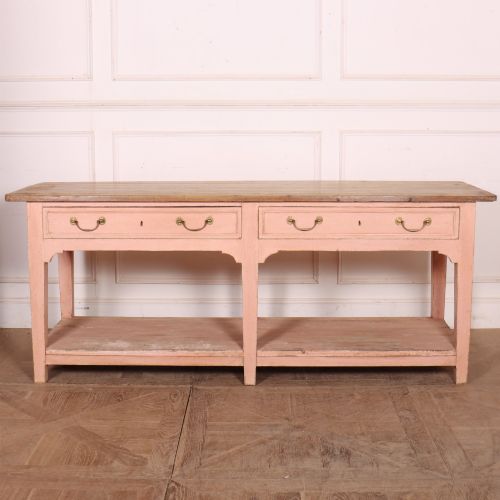
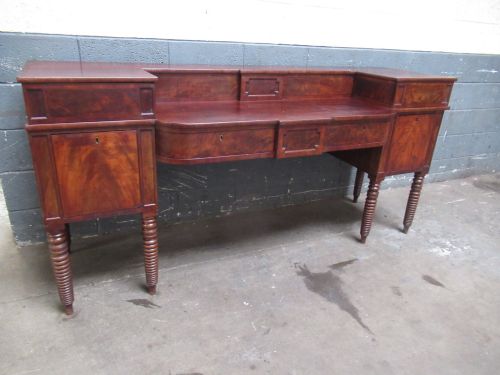
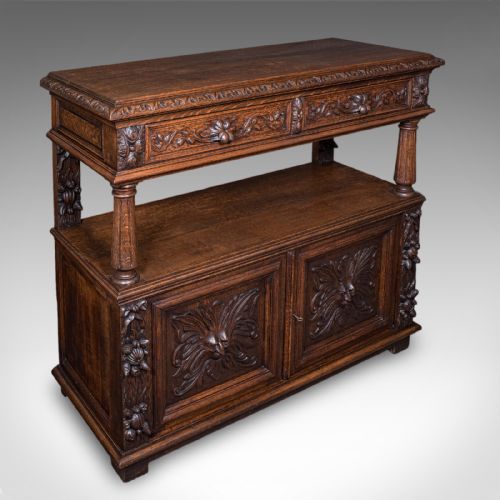
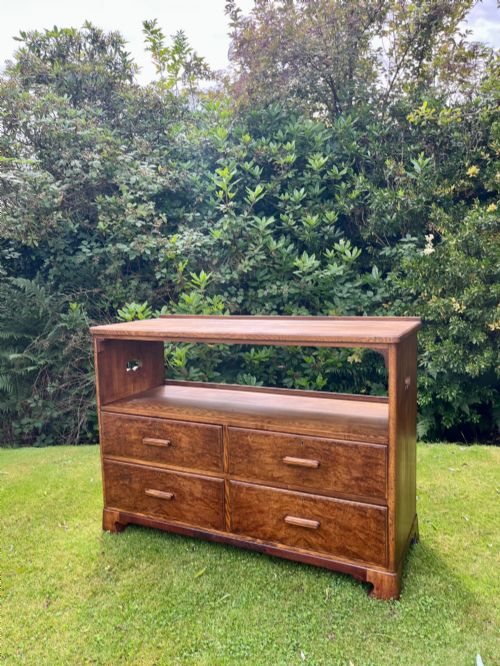
The versions most frequently met on this page span the Georgian, Victorian, and nineteenth-century periods, constructed in native and imported woods. They range from formal stage-back designs in flame mahogany to rustic farmhouse potboard bases in oak and elm.
Makers and regional workshops in Scotland adapted broader British aesthetics like George III, Regency, and Gothic Revival into distinctive local interpretations. These pieces function equally well as contemporary sideboards, buffets, or grand side cabinets in traditional and modern interiors.
What varies in quality
Quality separates through the selection of timber figures, such as the boldness of flame mahogany veneer or the grain of solid oak and elm. Finer examples display meticulous attention to proportion, matching of grain patterns across drawer fronts, and harmonious integration of stage-backs or superstructure.
The sophistication of the joinery and hardware execution distinguishes high workshops from simpler vernacular production. Superior pieces maintain crisp carving details, intact original brass fittings, and structural integrity across large serving surfaces.
One kitchen dresser wears a scumbled coat, proving that nineteenth-century folk art could convincingly pretend to be posh timber.
Whytock and Reid·James Mein of Kelso
The Scottish Server Sideboard Glossary
- Stage-back
- A raised architectural tier at the rear of a sideboard surface used for displaying plate or serving dishes. This feature is particularly characteristic of formal Georgian and nineteenth-century Scottish dining furniture.
- Potboard
- An open slatted lower shelf incorporated into a dresser base or serving table, traditionally used for storing pots and heavy kitchen equipment. It forms a practical base tier beneath the main work surface.
- Scumbled
- A decorative paint finish applied to imitate the grain of more expensive wood or to create a mottled texture. It frequently appears on nineteenth-century vernacular kitchen furniture.
- Chiffonier
- A compact low sideboard or cabinet featuring enclosed lower cupboards, sometimes surmounted by a shelf or small superstructure. The Regency period produced refined examples in rosewood.
- Flame mahogany veneer
- A thin slice of mahogany timber cut from the fork of the tree where branches join the trunk, displaying a fiery, undulating grain pattern. Cabinet-makers applied this veneer to principal display surfaces for dramatic effect.
Scottish Server Sideboard: Frequently Asked Questions
How do I style a large serving table?
A large serving table functions as a focal point in a dining room or spacious hallway. You can utilise the generous top surface for lamps, ceramics, or serving dishes during gatherings.
Pairing the darker tones of mahogany or oak with lighter walls allows the wood grain to stand out while keeping the room balanced.
What is a potboard dresser base?
A potboard dresser base is a heavy vernacular piece featuring an open slatted lower shelf beneath the main work surface. Originally designed for practical storage of heavy kitchen pots and earthenware, it offers an airy alternative to enclosed cupboards.
These pieces bring a grounded, rustic character to contemporary kitchens and dining spaces.
How do I tell Georgian from Victorian pieces?
Georgian pieces generally display restrained classical proportions, elegant bracket feet, and refined flame mahogany veneers dating from the eighteenth and early nineteenth centuries. They favour balance and understated decorative restraint.
Victorian examples often present heavier proportions, robust oak or mahogany construction, and occasionally Gothic Revival influences with pointed arches or more pronounced mouldings.
Are these sideboards suitable for modern dining rooms?
These sideboards provide substantial surface area and deep drawer storage that easily accommodates modern dining ware, linens, and serving accessories. Their durable timber construction handles daily use effortlessly.
Placing one against a dining room wall introduces historical texture and practical storage without dominating the entire floor plan.