




Scottish Oak Table
A Scottish oak table brings robust craftsmanship and distinct regional character into a room, spanning rustic gateleg forms to polished Arts and Crafts designs.
Scottish Oak Table
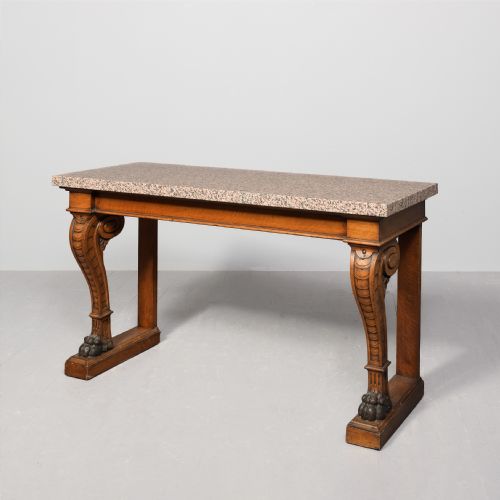
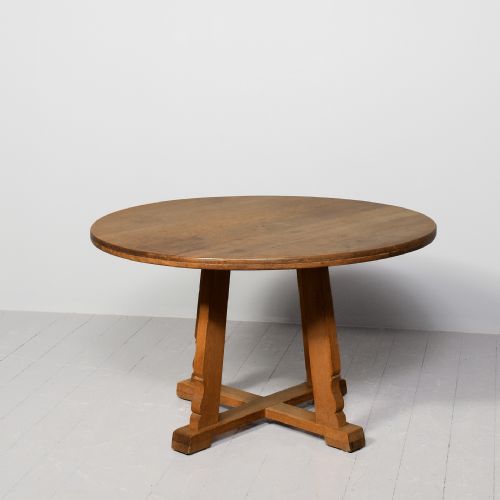
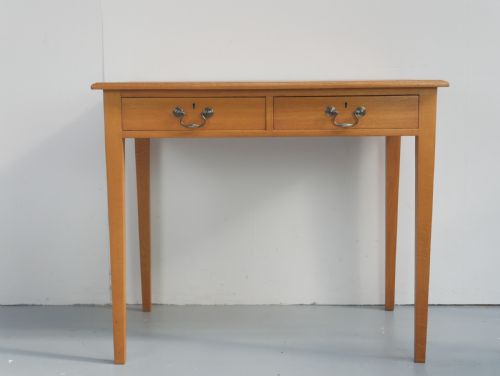
A Scottish oak table covers a wide domestic and institutional range, from kitchen dining furniture to grand serving tables and occasional lamp stands. When searching for a scottish oak table, buyers encounter functional forms such as writing desks, console tables, and refectory boards alongside hexagonal and octagonal pieces.
The material grounds these objects in northern traditions, frequently appearing alongside brass hardware, leather inserts, and occasionally granite or burr oak veneers. Pieces span periods from the seventeenth century through the Victorian era into the early twentieth century, reflecting shifting tastes from gothic revival to clean Arts and Crafts lines.
How they were made
Makers utilised solid oak, often selected for strong medullary rays, and occasionally turned to burr oak for decorative surfaces on card tables and desks. Construction relies on traditional joinery, sturdy framing, and hand-carved details such as chip-carving and barley twist legs.
Secondary materials like brass handles, leather writing surfaces, and granite tops appear on specific utilitarian or architectural forms. Workshops applied wax finishes or bleached treatments that highlight the natural grain without obscuring the timber's inherent weight.
Scottish Oak Table Retail Price Guide 2026
Typical asking prices for scottish oak table among the pieces listed under this phrase on Sellingantiques today, from the lower quarter to the upper quarter. They describe what is for sale here now, not the wider market.
Gamekeepers and clerks once kept records on these sturdy Scottish oaks.
What varies in quality
Quality rests in the selection of the timber and the crispness of the hand-carved or turned elements, distinguishing robust vernacular work from finely commissioned pieces. Well-executed joints and thoughtful proportioning elevate refined console and refectory tables above simpler utilitarian boards.
The integration of secondary materials, such as fitted leather desk inserts or heavy granite tops, marks the difference between standard domestic furniture and high-status library or estate pieces. Maker attribution and documented regional workshops also shape the standing of individual examples.
Alexander McKenzie of Glasgow·William Trotter·McIvor and Allan·Wylie and Lochhead·Morison and Co
The Scottish Oak Table Glossary
- Refectory table
- A long dining table traditionally used for communal meals, robustly built with heavy stretcher bases.
- Console table
- A table designed to stand against a wall, frequently fitted with brackets or slender legs for hallways.
- Gateleg table
- A drop-leaf table with hinged legs that swing out to support the extended leaves.
- Chip-carving
- A decorative technique where small chips are removed from a flat wooden surface to form geometric patterns.
- Medullary rays
- Natural ribbon-like flecks in oak timber that appear visibly when quarter-sawn.
Scottish Oak Table: Frequently Asked Questions
What defines a Scottish oak table?
These tables combine sturdy native timber with distinct regional design traits, ranging from heavy Victorian gothic revival styles to pared-back Arts and Crafts forms. They encompass everyday domestic furniture and grand estate pieces alike.
Makers utilised local woods alongside functional elements like brass fittings, leather surfaces, and occasionally granite inserts to suit specific domestic or institutional settings.
Where were these tables used?
Historically, these pieces served across diverse settings, from country house kitchens and estate offices to formal dining rooms and hallways. Smaller occasional and lamp tables found places in parlours and reception rooms.
Larger refectory and serving tables fulfilled communal dining or administrative duties in ecclesiastical and estate environments.
How do I care for antique oak?
Maintaining these surfaces requires simple dusting with a dry cloth and occasional application of traditional beeswax to nourish the timber. Avoid placing them near direct heat sources or in fluctuating humidity.
Protecting the wood from sharp impacts preserves both the structural joinery and the historic finish built up over generations.
How do I identify the period?
Dating relies on observing construction methods, joinery types, and stylistic cues such as barley twist turnings or gothic tracery. Victorian and Edwardian examples often display crisper machine-assisted or hand-carved detailing.
Earlier seventeenth and eighteenth-century pieces show primitive pegged construction, heavier proportions, and hand-rived timbers.