




Scottish Mahogany Clock
When you search for a scottish mahogany clock, you are looking at tall case timepieces and smaller bracket or drumhead designs shaped by provincial makers from the Georgian and Victorian eras.
Scottish Mahogany Clock
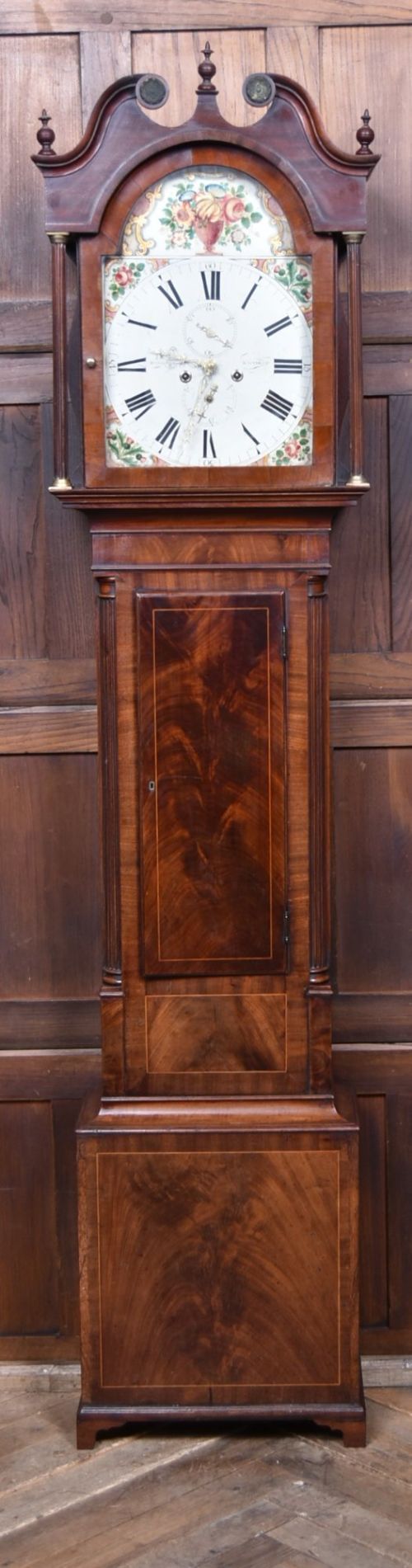
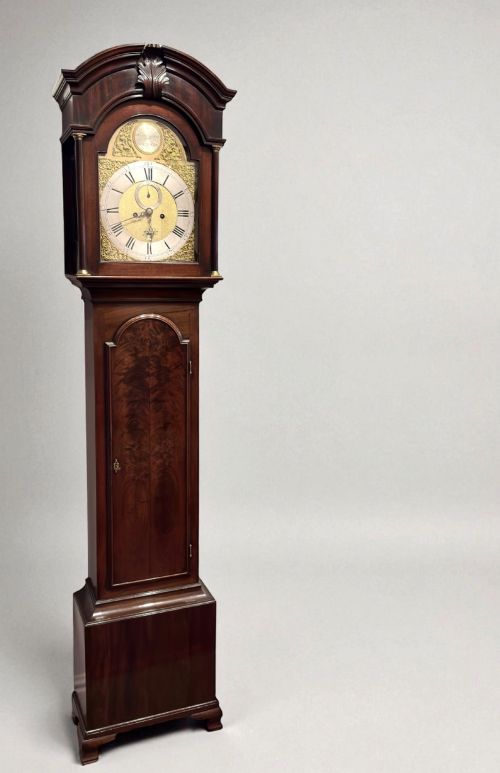
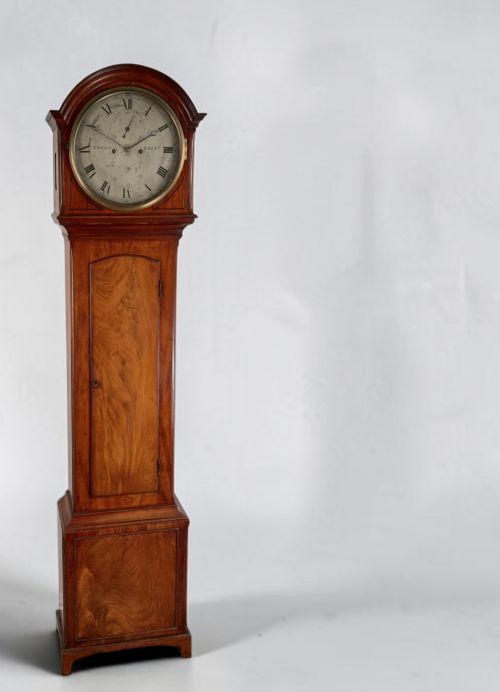
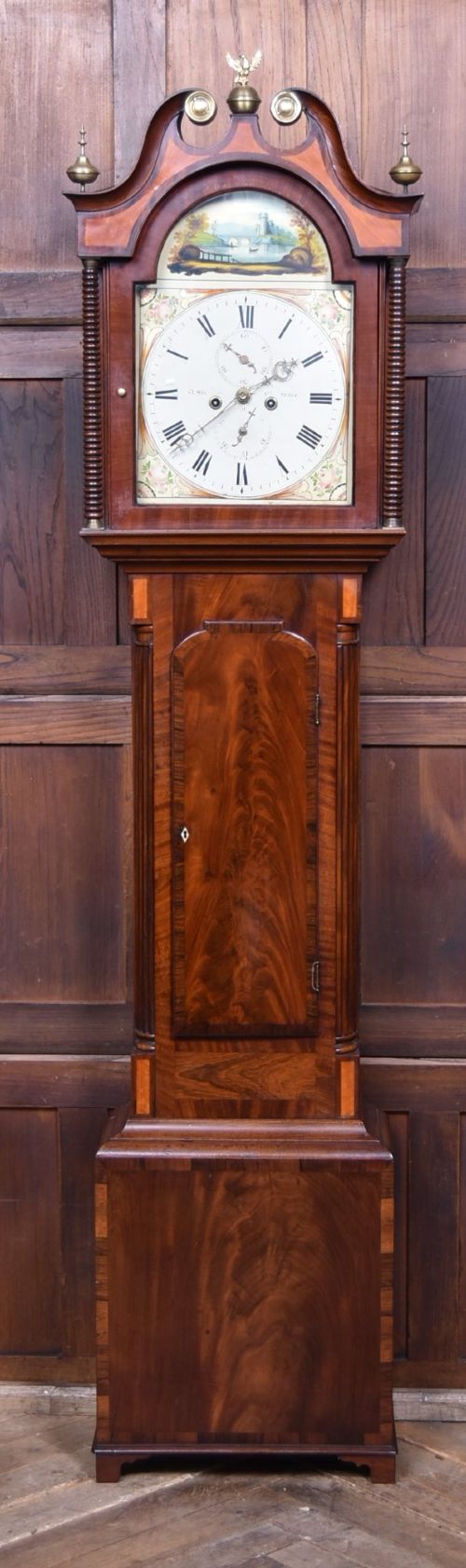
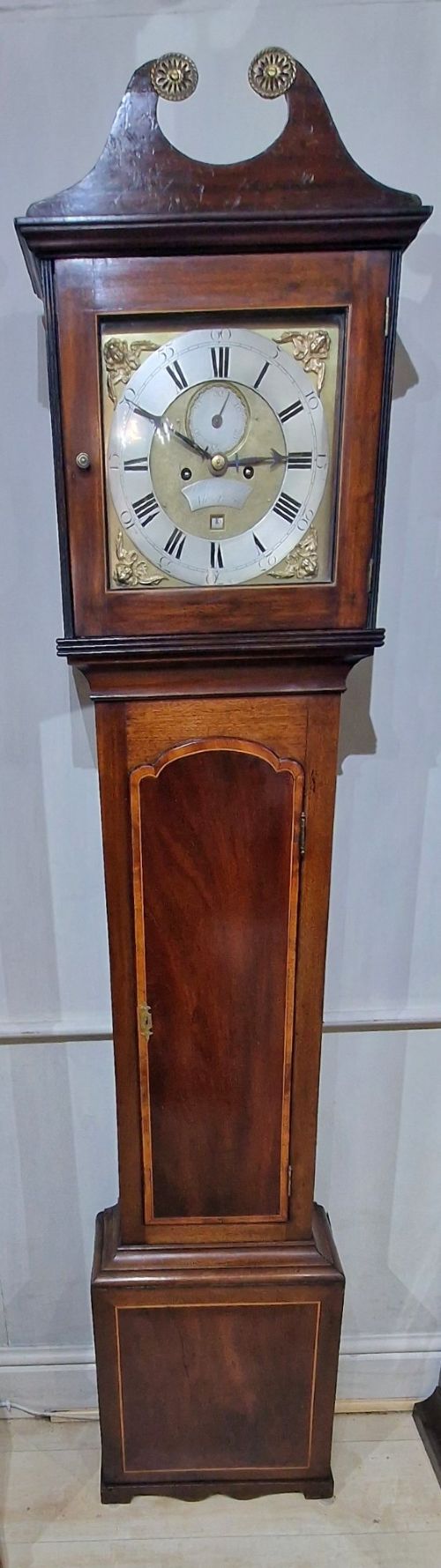
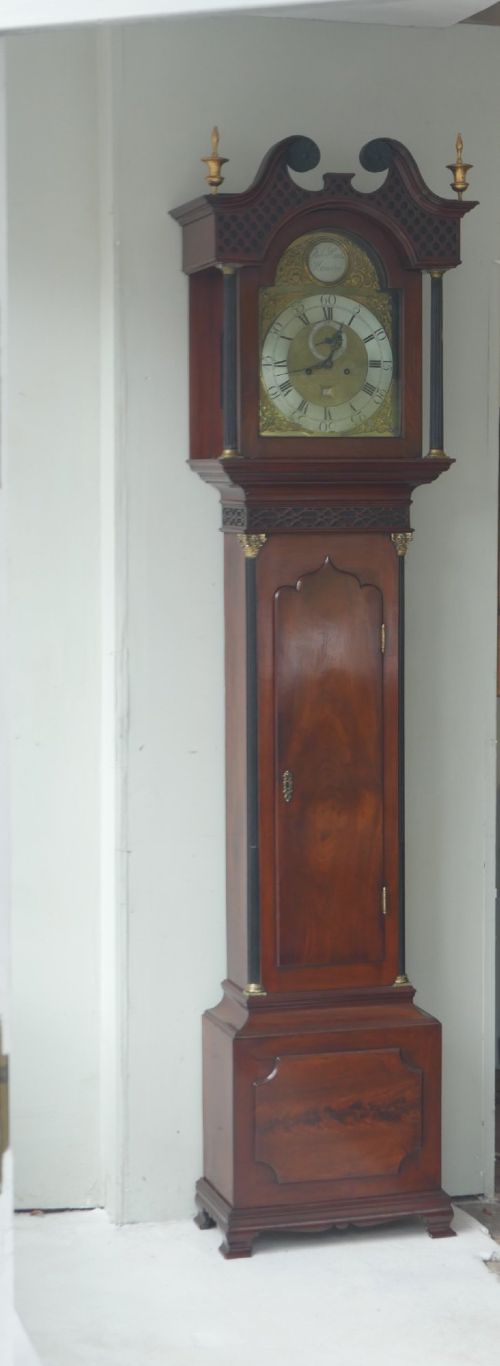
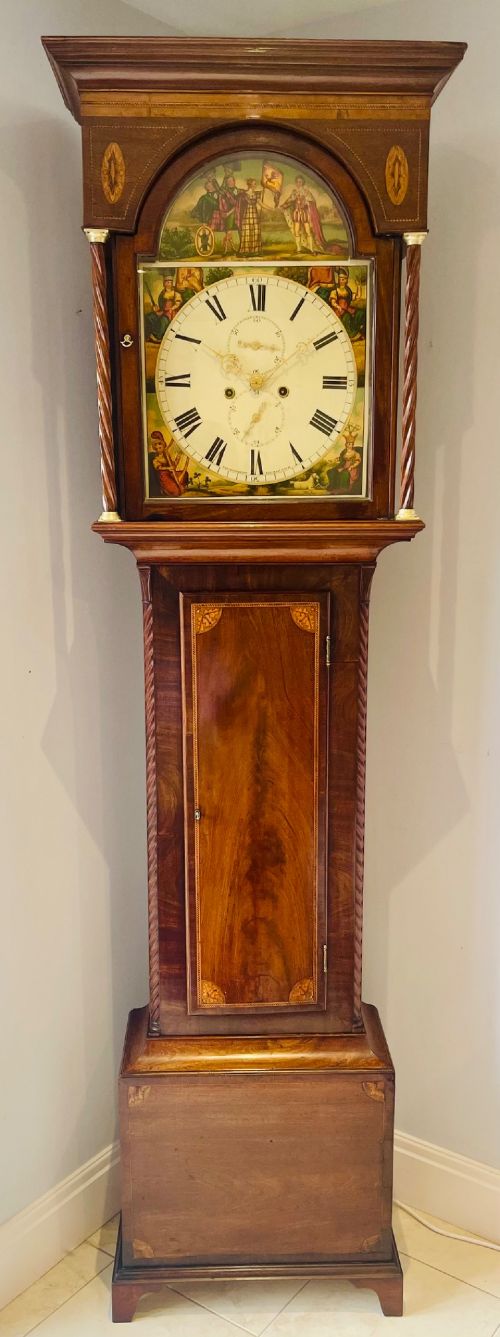
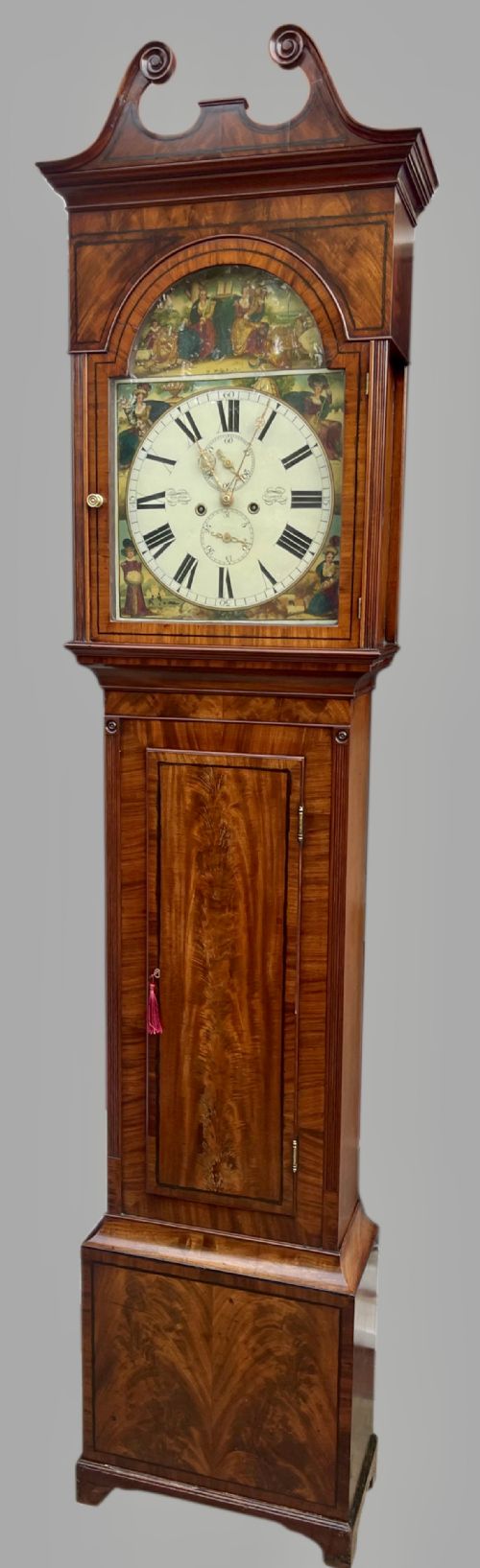
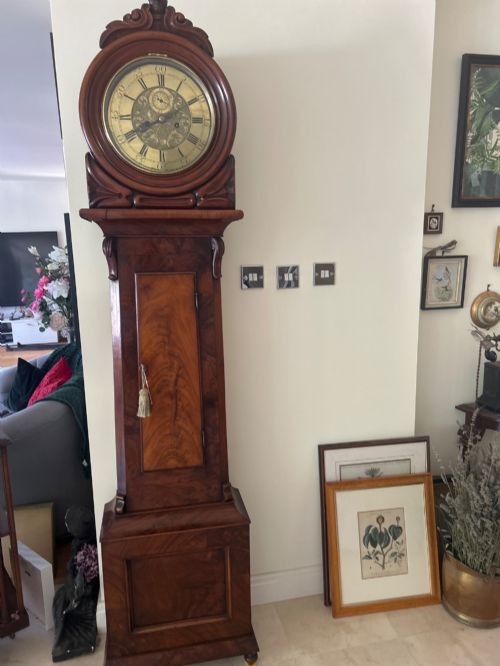
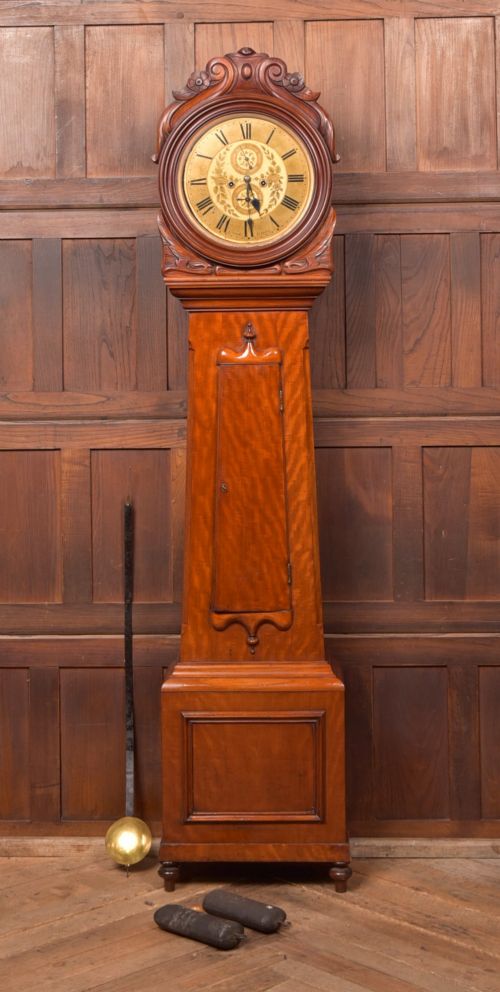
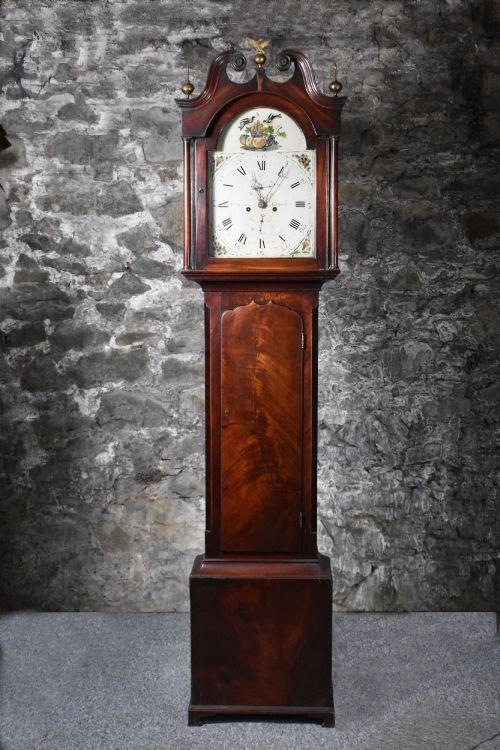
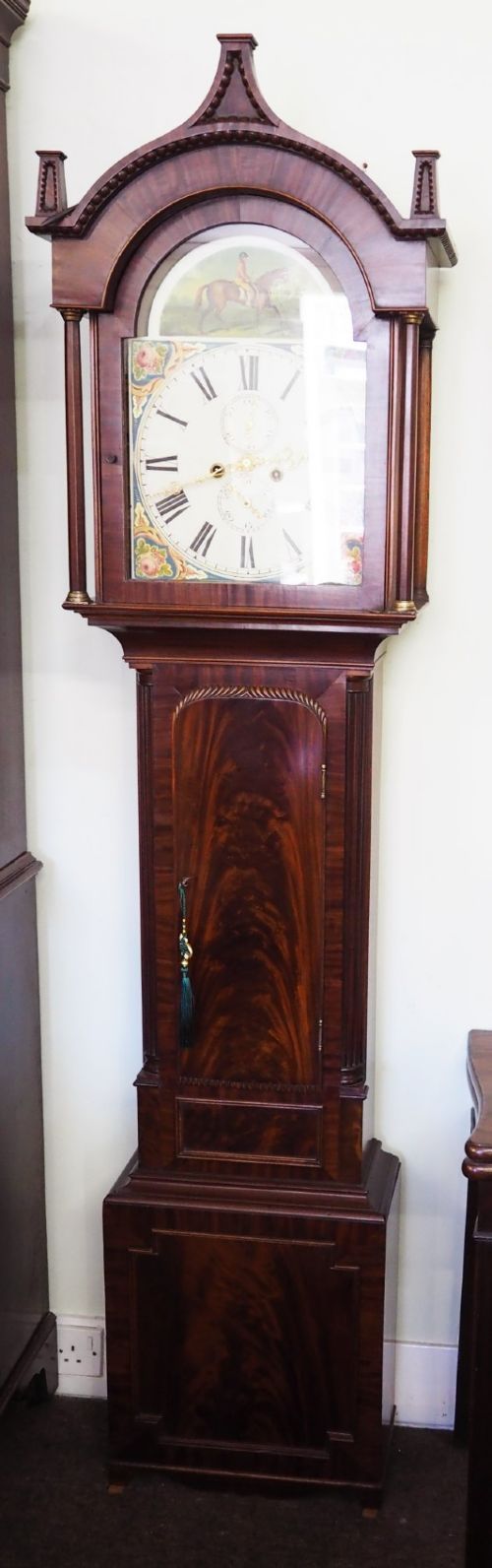
A scottish mahogany clock is primarily encountered as a longcase or grandfather clock, standing tall in provincial Scottish timber cases from the eighteenth and nineteenth centuries. These tall clocks range from Georgian pieces by makers in Edinburgh, Aberdeen, and Dundee to later Victorian interpretations with drumhead dials.
Alongside tall longcase examples, buyers also find bracket clocks, mantel clocks, and wall clocks housed in mahogany, often featuring signed painted iron or silvered metal dials. Regional variations include drumhead longcases and pillar or column cases specific to Scottish workshops of the period.
The objects span periods from the seventeenth century through the eighteenth century, Georgian, Regency, and into the nineteenth century and Victorian eras. Longcase clocks dominate the selection, accompanied by occasional regulator, bracket, and table clocks.
Materials and construction
Cases are constructed from solid mahogany and figured flame mahogany, sometimes incorporating marquetry details or glass panels to view the pendulum and weights. Dial faces utilise painted iron, silvered metal, and enamel, framed by brass bezel fittings and detailed chapter rings.
Movement mechanisms rely on brass and iron components, often configured for eight-day operation or precise regulator timekeeping. Cabinet makers shaped the tall wooden trunks with pillars, columns, and break-arch hoods to house these mechanical movements securely.
Listings span periods from the seventeenth century through the Georgian, Regency, and Victorian eras, utilising mahogany, brass, glass, and painted iron.
Quality variations
Quality rests in the handling of the timber, particularly the depth and figuration of the flame mahogany veneer on the trunk door and base. Superior pieces display crisp architectural proportions in the hood and case columns rather than plain, heavy paneling.
Hendrie Ogg·Gordon of Aberdeen·Green of Edinburgh·D. Straiton·William McEwan·Matt Wylie·David Morice·John Breakenrig
The Scottish Mahogany Clock Glossary
- Longcase clock
- A tall pendulum clock enclosed in a wooden case, commonly called a grandfather clock. These floor-standing pieces protect the weights and pendulum while displaying the dial at eye level.
- Drumhead longcase
- A longcase clock featuring a circular dial housing mounted atop a tapered mahogany trunk. This distinct regional Scottish form dates primarily to the nineteenth century.
- Flame mahogany
- Timber cut from the fork of the mahogany tree to produce a distinctive flickering, flame-like grain pattern. Cabinet makers used these highly figured veneers on prominent surfaces like door panels.
- Moon dial
- A secondary rotating disc painted with lunar phases situated above the main clock face. This mechanism tracks the phases of the moon alongside the standard time.
- Bracket clock
- A portable table or shelf clock designed to be lifted by a brass handle on top. These models often utilise twin fusee movements to regulate power evenly across the spring.
Scottish Mahogany Clock: Frequently Asked Questions
How do I wind an eight-day clock?
Eight-day clocks require winding via the winding holes on the dial face using a matching key every week. This action lifts the internal weights or winds the spring drives.
Care must be taken not to overwind the mechanism, stopping when firm resistance is met to prevent damage to the historic gear train and gut lines.
Where were these clocks made?
These timepieces originated in workshops across Scotland, from major centres like Edinburgh, Glasgow, and Aberdeen to smaller towns such as Montrose, Dundee, and Dunfermline. Local horologists built the movements and cased them in regional timber.
Signatures on the painted iron or silvered dials frequently record the specific town and maker, anchoring the piece to a distinct Scottish locality and trade tradition.
How do I identify a Georgian longcase?
Georgian longcase clocks are identified by their classical architectural proportions, flat-topped or swan-neck pediments, and use of solid mahogany or early veneer techniques. They date from the reigns of the Georges spanning the eighteenth and early nineteenth centuries.
Interiors often house brass dial plates with cast spandrels in the corners, transitioning later to painted iron dials signed by provincial Scottish clockmakers.