



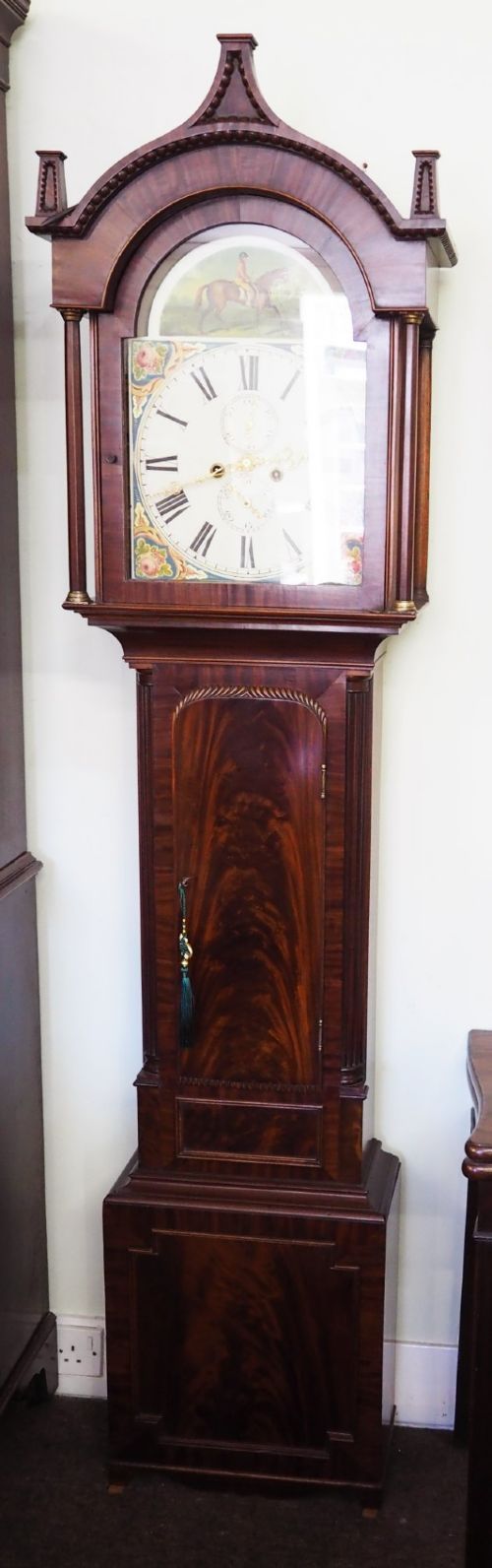


Scottish Eight Day Clock
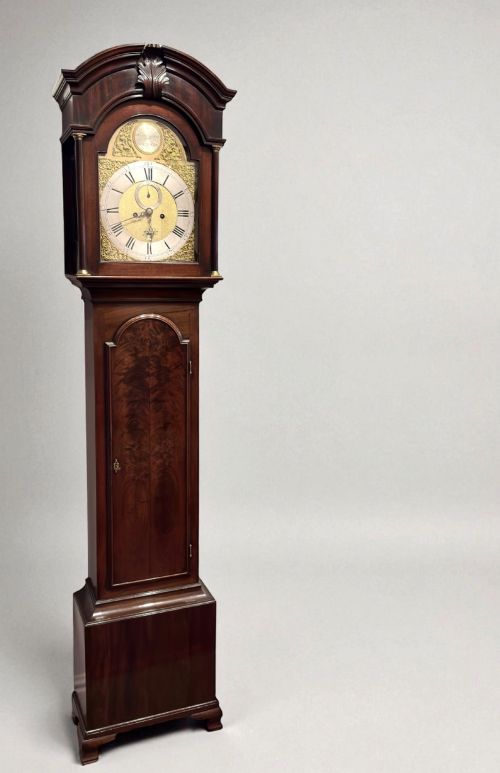
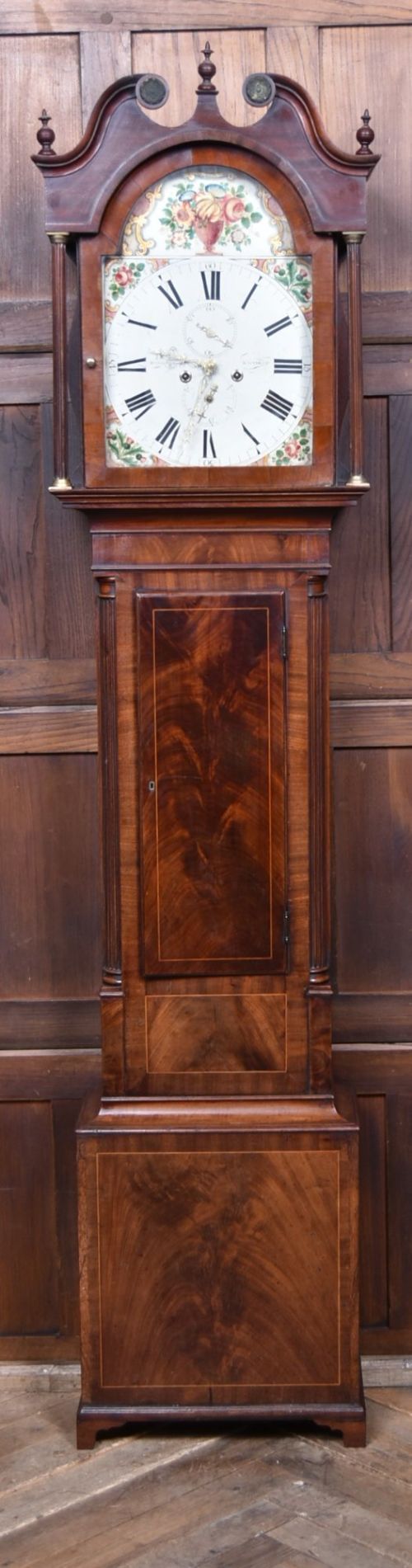
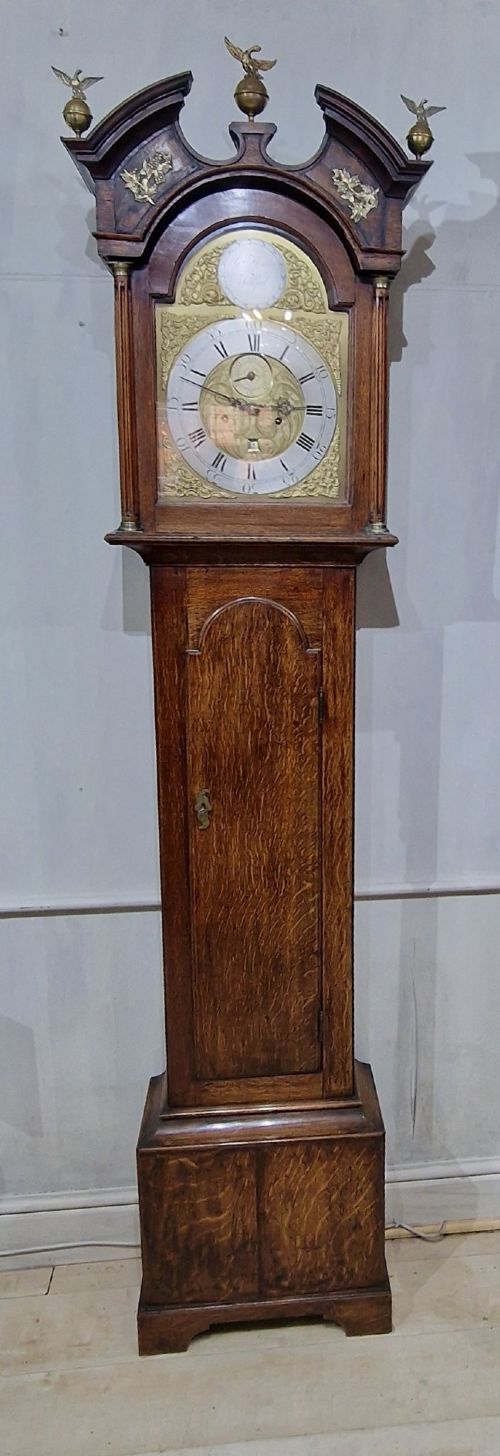
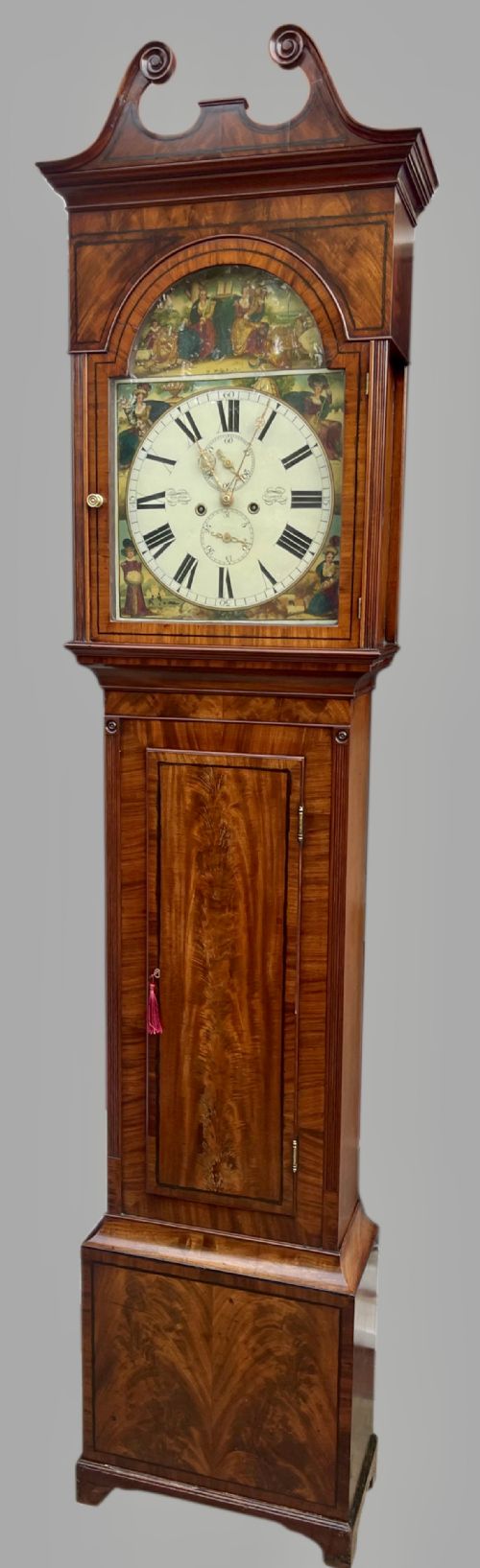
A Scottish eight day clock brings a precision movement and substantial regional casework into a room.
Scottish Eight Day Clock
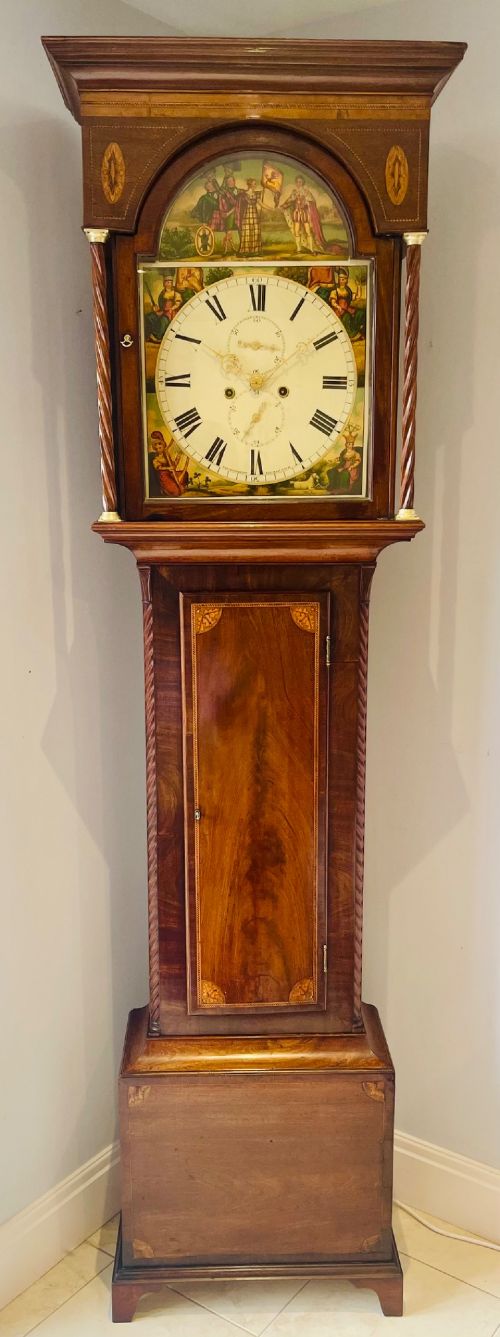
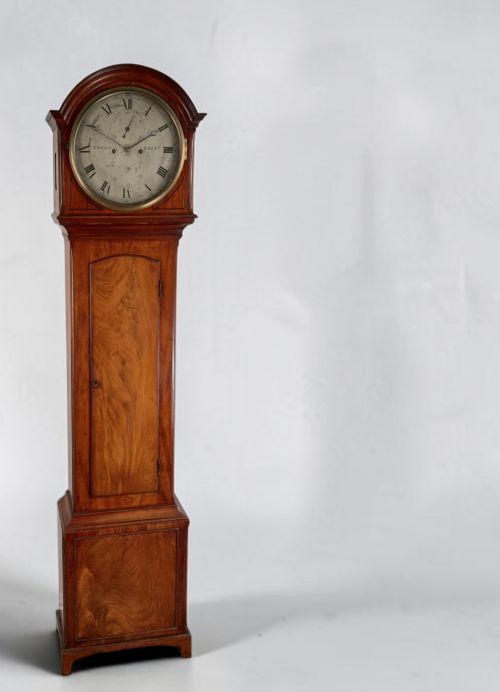
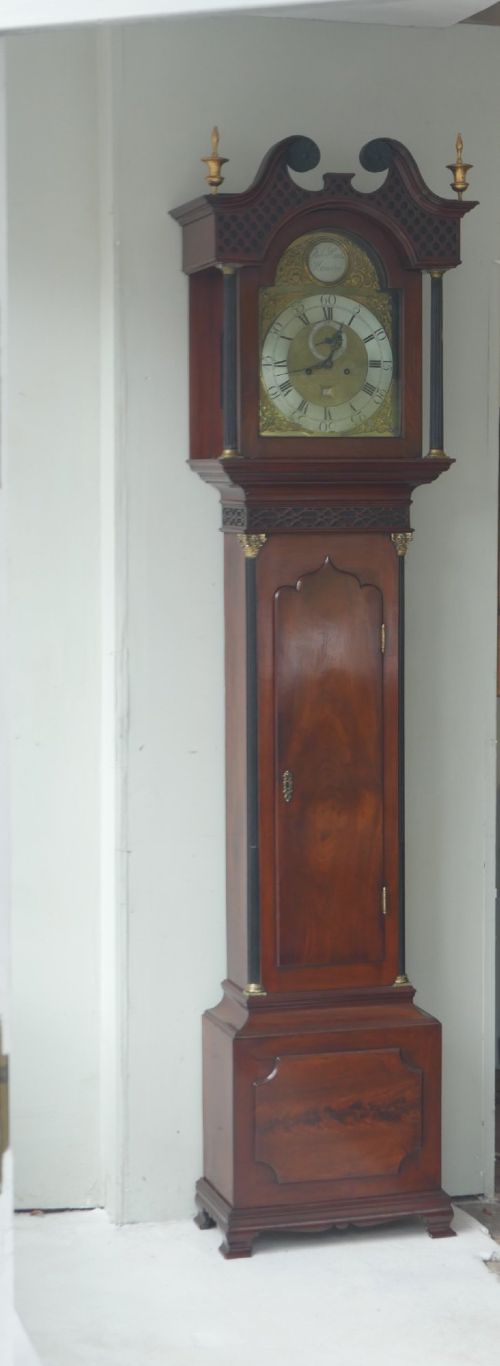
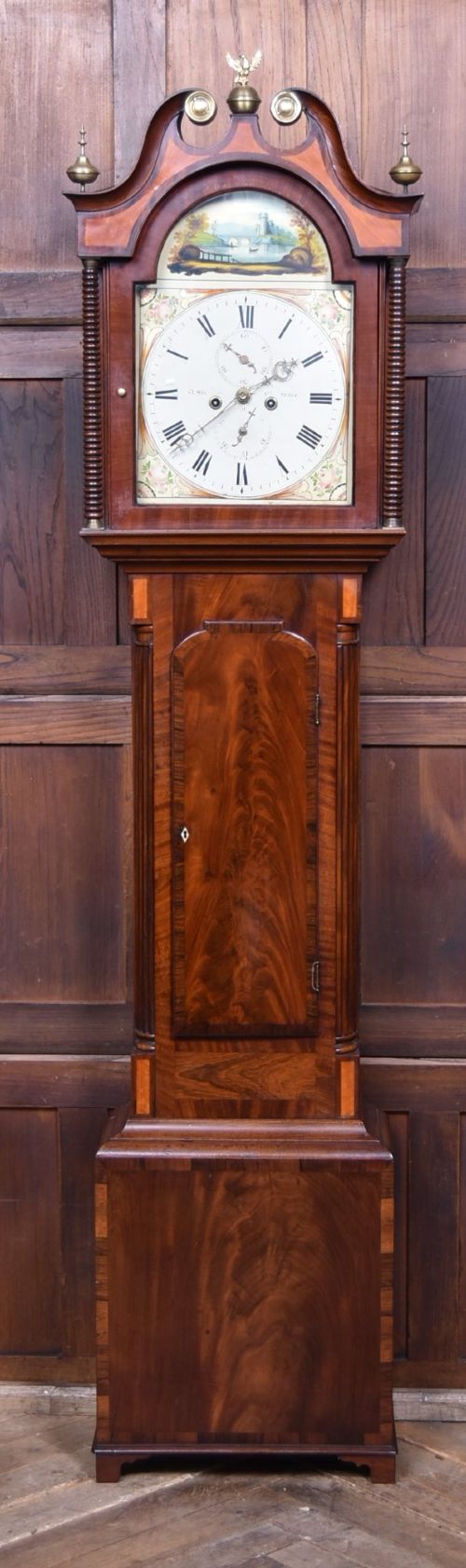
A Scottish eight day clock primarily takes the form of a longcase or grandfather clock, housing a movement that requires winding roughly once a week. These pieces emerge across Georgian, Victorian, 18th century, and 19th century periods, reflecting the output of makers operating throughout Scotland.
The casing commonly utilises mahogany, flame mahogany, or oak, while dials feature painted iron, brass, and enamel. Variations include drum head longcase clocks, regulator longcases, moon dial examples, and bracket table clocks.
Makers recorded on these pieces range from Edinburgh and Glasgow workshops to regional towns such as Dunfermline, Aberdeen, Montrose, Peebles, Falkirk, Paisley, Auchtermuchty, Forres, Dunse, Bo-ness, Wick, Melrose, and Leith.
How they were made
Clockmakers constructed the movements in brass and iron, incorporating mechanisms such as twin fusee configurations and moonphase displays. Dial faces combined painted iron and enamel work with applied brass chapter rings and subsidiary seconds or calendar dials.
Cabinetmakers housed these movements within tall wooden cases built from solid mahogany, flame mahogany, or oak, often incorporating glass hood doors to protect the dial. Timber selection and joinery defined the regional character of the casework, from plain provincial pine and oak to highly figured mahogany veneers.
Scottish Eight Day Clock Retail Price Guide 2026
Typical asking prices for scottish eight day clock among the pieces listed under this phrase on Sellingantiques today, from the lower quarter to the upper quarter. They describe what is for sale here now, not the wider market.
Several clocks wear the badge of Edinburgh or Glasgow makers while others hail from unexpected corners like Bo-ness and Auchtermuchty.
What varies in quality
Quality in a Scottish eight day clock rests on the crispness of the movement and the integration between dial, movement, and case. Finer examples display signed dials by established Scottish horologists alongside well-proportioned timber cabinetry with balanced grain and original fittings.
The refinement of the painted iron or brass dial work and the depth of the cabinetmaker's skill in handling mahogany or oak distinguish standard production from superior workshop output.
Hendrie Ogg Dunfermline·Gordon of Aberdeen·Green of Edinburgh·D Straiton Montrose·Tait Peebles·James Hendrie Falkirk·Matt Wylie Paisley·David Morice Auchtermuchty·John Breakenrig·Ninian Davidson Dunse·Robert Thomson Bo-ness·John McGregor Wick·Robert Darling Melrose·G Brown Edinburgh·J Melrose Edinburgh·Robert Clidesdale Edinburgh
The Scottish Eight Day Clock Glossary
- Longcase clock
- A tall pendulum clock enclosed in a wooden case designed to stand on the floor. These tall clocks are also commonly referred to as grandfather clocks.
- Drum head longcase clock
- A variant featuring a circular dial housing shaped like a drum atop the trunk. This distinct silhouette appears primarily in Victorian examples.
- Moon dial
- A specialised dial mechanism displaying the phases of the moon through a rotating disc behind an aperture. This feature required additional gear trains within the movement.
- Twin fusee
- A movement system utilising two fusee cones and chains to maintain equal tension on the gear train as the mainspring unwinds. This mechanism supports superior timekeeping accuracy.
- Regulator
- A high-precision clock designed for accuracy, often featuring a simplified dial layout with separate hands for hours, minutes, and seconds.
Scottish Eight Day Clock: Frequently Asked Questions
How often does an eight day clock need winding?
An eight day clock requires winding approximately once a week to maintain continuous operation. The weight-driven or spring-driven mechanism transfers power through the train over this designated span.
Failing to wind the clock within this window causes the movement to stop until reset and wound again.
What is the difference between a longcase and a grandfather clock?
Longcase clock and grandfather clock are terms used interchangeably for the same tall floor-standing timepiece. The former serves as the traditional trade description while the latter is a popular colloquialism.
Both styles house identical weight-driven pendulum movements inside a tall wooden trunk.
Where were Scottish clocks typically made?
Scottish clocks were produced in major urban centres like Edinburgh and Glasgow, as well as smaller burghs and towns across the country. Local makers signed dials and movements while sourcing timber and materials regionally.
Towns represented in regional horology include Aberdeen, Dundee, Perth, Dumfries, and numerous smaller parishes.