

Scottish Highland Landscape Painting
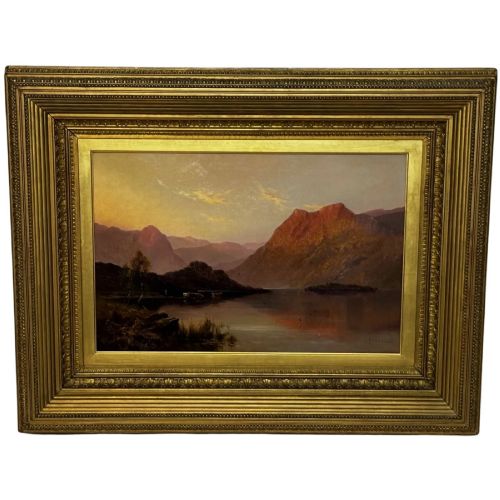
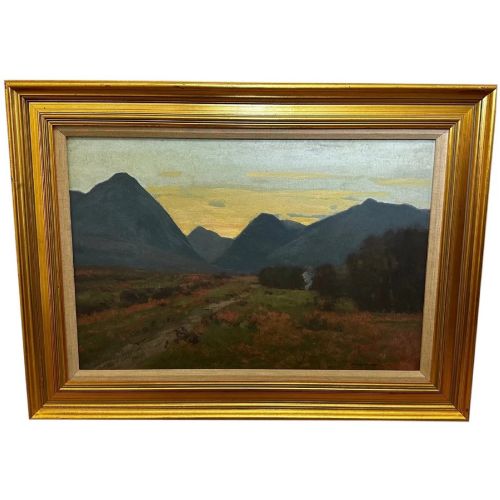
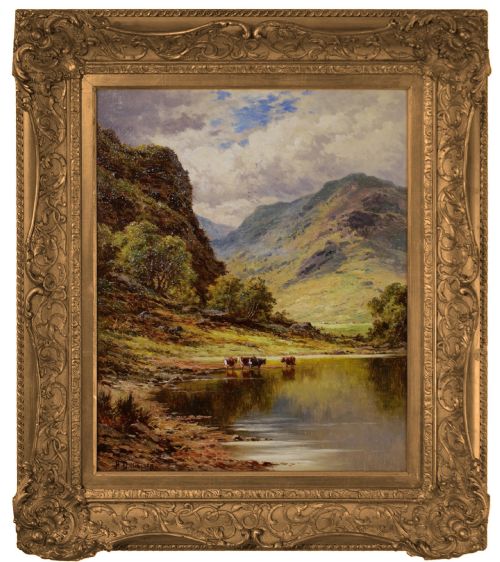
A scottish highland landscape painting captures the dramatic terrain, misty lochs, and cattle of the north, offering buyers a romantic window into nineteenth-century wilderness.
Scottish Highland Landscape Painting
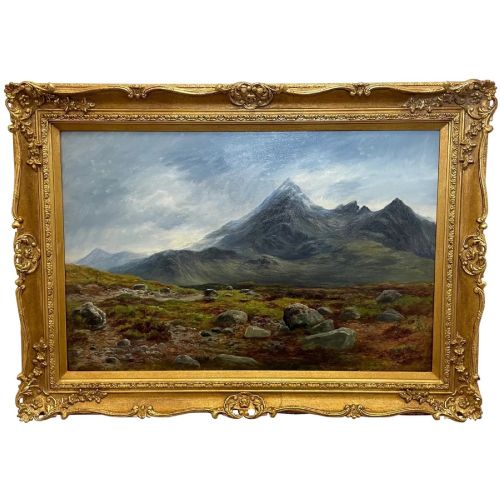
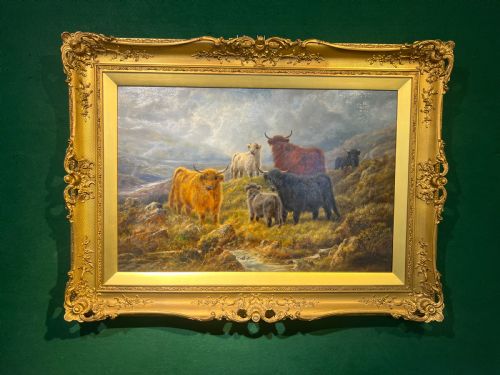
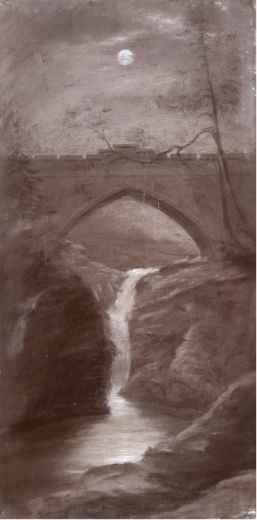
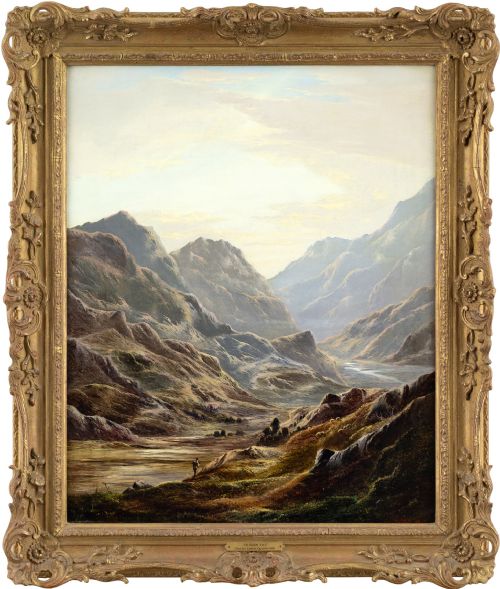
A scottish highland landscape painting brings the rugged beauty of northern scenery directly into domestic interiors, frequently depicting remote lochs, heather-clad moors, and mountainous horizons. These works span the Victorian and Edwardian periods, capturing the romanticized wilderness that captivated contemporary patrons and travellers alike.
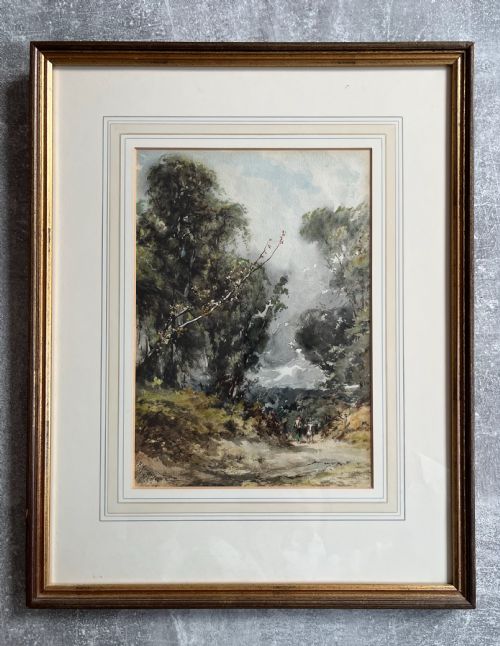
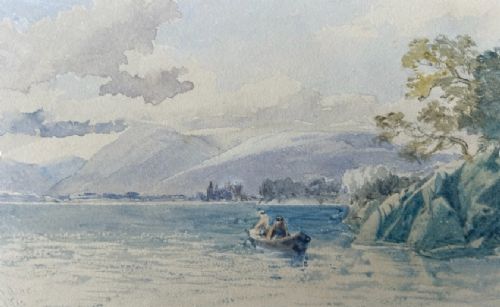
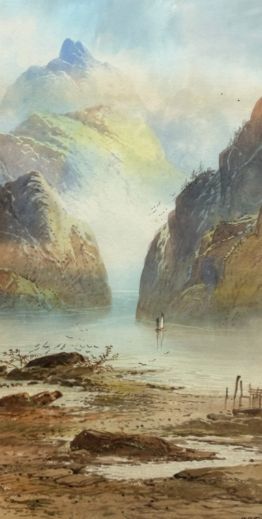
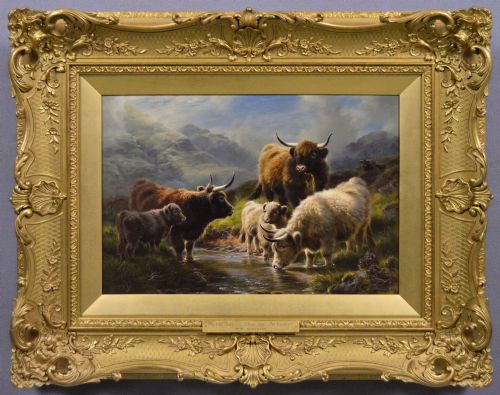
Buyers encounter both oil paintings on canvas or wood panel and delicate watercolours on paper, reflecting the diverse media utilised by period artists. Subjects range from tranquil morning mists over Ben Lawers to herds of Highland cattle resting beside misty waters.
Originating largely from the nineteenth and early twentieth centuries, these pieces demonstrate the output of the Scottish School and regional impressionists working outdoors or in studios. The inventory balances signed exhibition pieces by established associates with atmospheric unsigned works from the same era.
Materials and Technique
Painters typically applied rich oil paint onto stretched canvas or prepared wood panels, building deep textures with brushes and palette knives to render stormy skies and craggy rock faces. Watercolours on paper offered a more fluid medium for capturing shifting weather and translucent mountain light across remote lochs.
Giltwood and gesso frames preserved these canvases, often featuring ornate moulding that complemented the grand scale of Victorian wall art. Artists utilised layered glazes and opaque pigments to create the characteristic atmospheric depth found across nineteenth-century Scottish scenery.
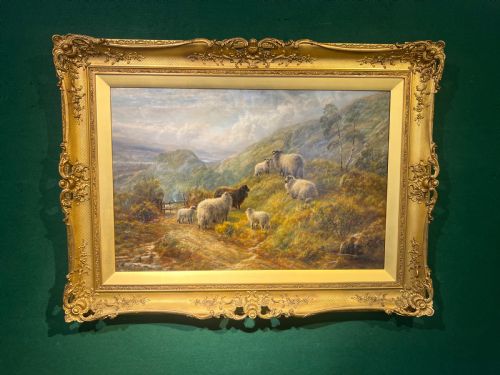
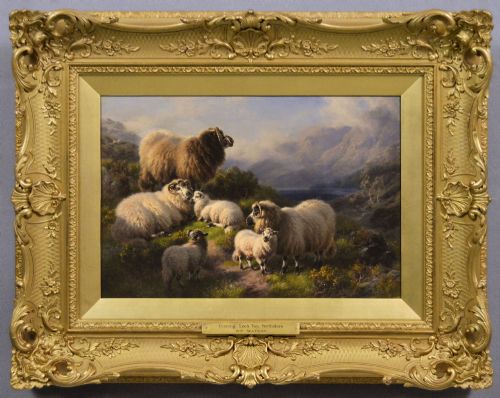
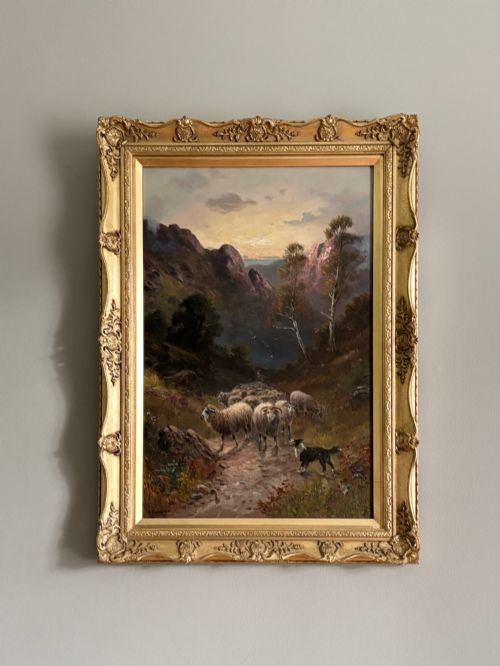
Even the sheep in these nineteenth-century hills manage to look windswept and stoic.
Evaluating Quality and Execution
Superior works demonstrate confident brushwork and precise anatomical rendering in figures, cattle, and stags, whereas lesser pieces rely on formulaic compositions and rigid silhouettes. The treatment of atmospheric light and shifting weather separates master interpreters of the landscape from routine topographical recorders.
The integration of the original period frame significantly elevates an artwork, as matching giltwood and gesso surrounds preserve the historical integrity of nineteenth-century presentation. Greater depth in the oil pigments and subtle tonal variation across mountain distances indicate superior technical execution.
William Beattie-Brown·George Houston·Henry H. Parker·Robert Watson·William Watson Jnr·Robert Cleminson·Francis E Jamieson·Waller Hugh Paton
The Scottish Highland Landscape Painting Glossary
- Giltwood
- Wood carved and covered with a thin layer of gold leaf. This material frequently frames nineteenth-century oils to enhance their visual weight.
- Gesso
- A plaster-like mixture applied to wood or canvas as a base for paint or moulded into decorative frame reliefs. It provides a smooth surface for gilding.
- Watercolour
- Pigments ground in a water-soluble binder and applied to paper. This technique produced translucent washes favoured for mountain mists and lochs.
- Wood Panel
- A rigid flat support used by artists before stretching canvas became universal. Panels frequently survive in smaller nineteenth-century outdoor sketches.
- Scottish School
- A collective term for artists working in Scotland who shared regional subjects and techniques. Their output defined nineteenth-century national painting.
Scottish Highland Landscape Painting: Frequently Asked Questions
How do I date a Scottish highland landscape painting?
Examination of the canvas support, stretcher frames, and pigment chemistry often narrows the decade of creation. Stylistic markers such as Victorian dress or Edwardian framing conventions provide additional chronological clues.
Signatures, exhibition labels on the reverse, and artist registry dates further clarify when the work entered circulation during the nineteenth or early twentieth centuries.
What subjects appear most frequently in these paintings?
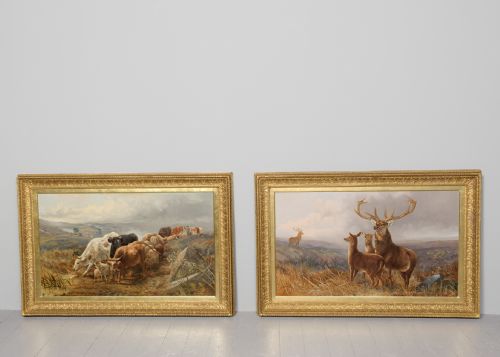
Herds of Highland cattle, shaggy sheep, and roaming stags dominate the foregrounds of nineteenth-century Scottish canvases. These animals populated the romanticized wilderness that artists sought to record.
Bodies of water like Loch Awe, Loch Tay, and mountain peaks such as Ben Nevis also recur constantly, reflecting popular tourist routes and sketching grounds.
How should I care for an antique oil painting?
Keep canvases away from direct sunlight and fluctuating humidity to prevent the oil paint from cracking or the wood panels from warping. Gentle dusting with a soft, dry brush maintains the surface without disturbing the fragile varnish layer.
Avoid hanging pieces above active heat sources and consult a professional conservator if the canvas requires cleaning or structural repair over time.
What is the difference between oil and watercolour versions?
Oil paintings on canvas or wood panel offer heavier texture, deeper colour saturation, and greater durability for large wall spaces. They typically present bolder atmospheric effects like stormy skies and dramatic lighting.
Watercolours on paper provide delicate transparency and lighter tones, requiring glass protection and careful placement away from bright natural light to prevent fading.