



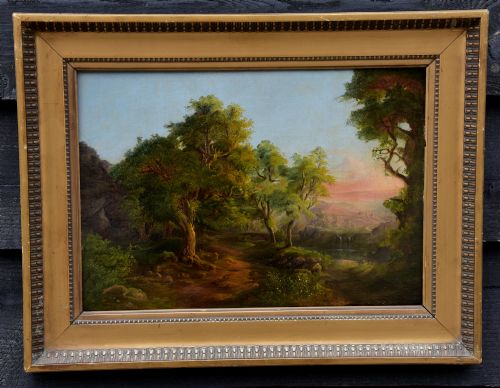
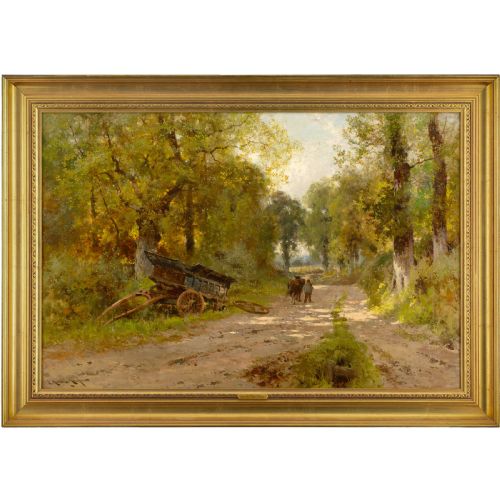
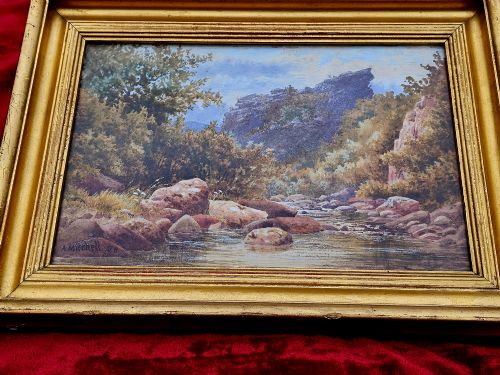
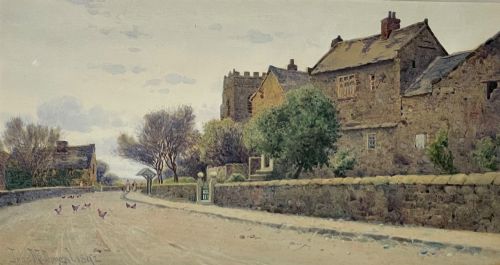
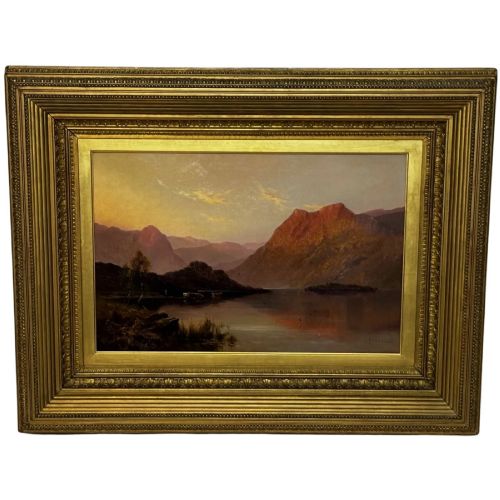
Original Victorian Landscape Painting
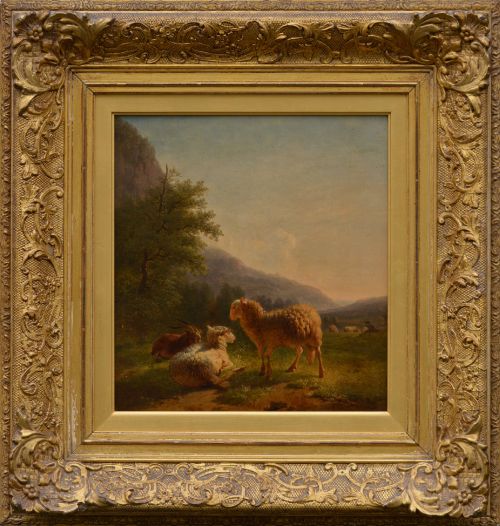
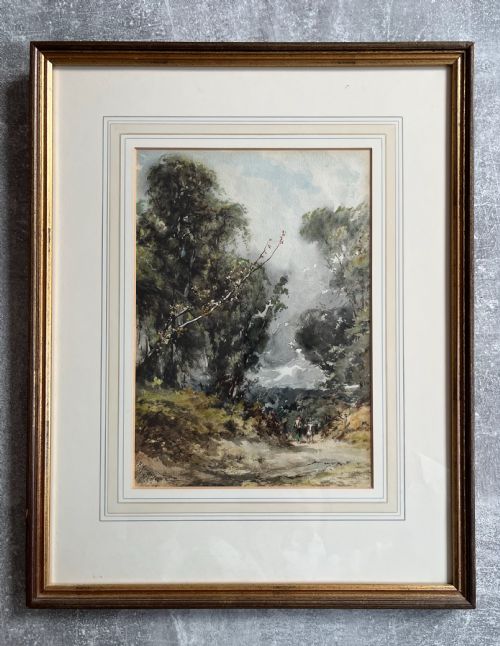
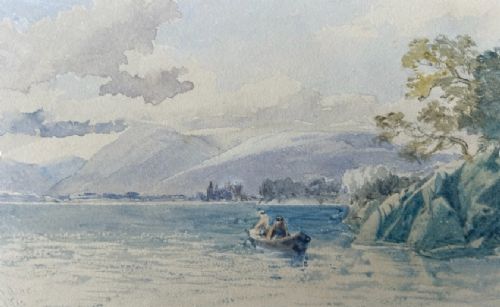
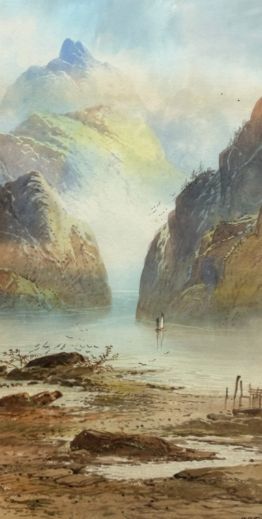
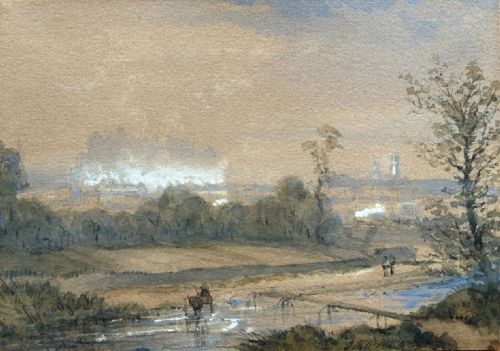
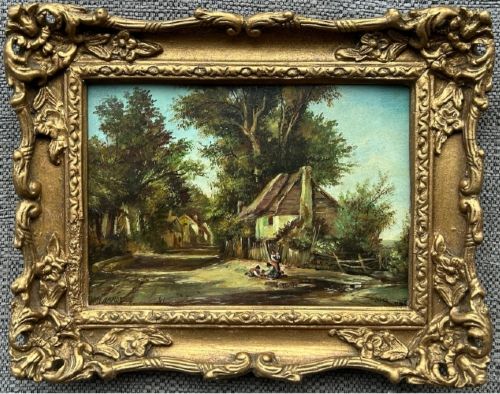
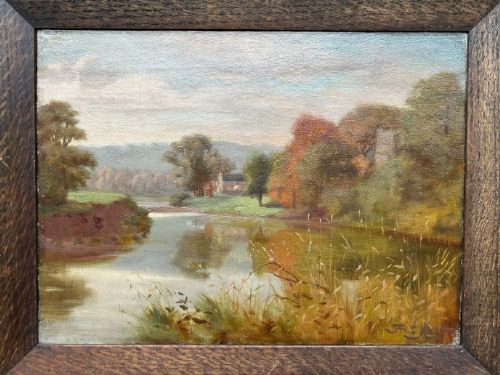
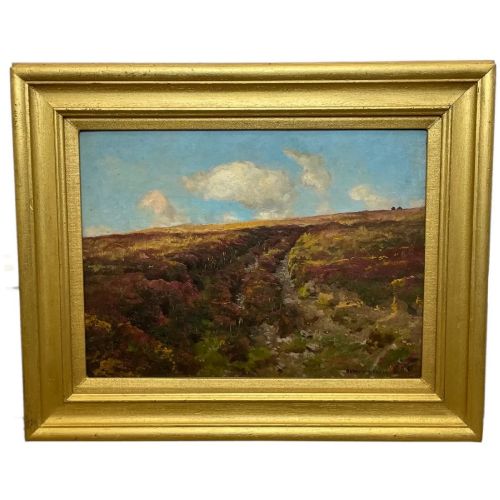
An original victorian landscape painting captures the pastoral calm, coastal vistas and rugged rural scenery of the nineteenth century through the eyes of contemporary artists.
Original Victorian Landscape Painting
When you search for an original victorian landscape painting, you encounter works produced during the nineteenth century and the Edwardian transition, encompassing pastoral scenes, woodland views and coastal harbours.
The selections on this page appear primarily as watercolours on paper or oil paintings on canvas and board, created by named British and European artists working within romantic and realist traditions.
Subjects range from Scottish highlands with cattle and Highland stags to quiet English river valleys, Venetian canals and bustling fishing beaches.
How They Were Made
Artists utilised oil paint applied to canvas, wood panels or milk glass, building up rich textures and deep tones that suited dramatic sunsets and shadowed woodlands.
Watercolour was widely employed on paper, often combined with pencil or charcoal underdrawing to capture light, weather and atmospheric effects in open-air settings.
Many surviving pieces retain their original gilt wood or carved gilded plaster frames, which were designed specifically to complement the tonal balance of the artwork.
Original Victorian Landscape Painting Retail Price Guide 2026
Typical asking prices for original victorian landscape painting among the pieces listed under this phrase on Sellingantiques today, from the lower quarter to the upper quarter. They describe what is for sale here now, not the wider market.
Listings show a strong preference for works on paper using watercolour, alongside oil paintings executed on canvas and board.
What Varies in Quality
Quality rests upon the artist's command of light, atmospheric perspective and the confident handling of brush or wash to bring depth to a valley or movement to water.
Works by recognised academy members and established regional painters display superior draughtsmanship and composition compared to anonymous student pieces or mass-produced decorative copies.
The condition of the medium - minimal fading in watercolours or stable paint layers without excessive craquelure on canvases - preserves the intended visual impact.
Eugène Verboeckhoven·Thomas Miles Richardson Jnr·James Orrock·William Henry Earp·John R Prentice·Alfred Young Nutt·William Howard Hardy·Frederick Marriott·Arthur Wardle·John Horace Hooper·John McDougal·Alfred Fontville de Breanski Jr·EJ Letheren·William Banks Fortescue·Thomas W Lascelles·Robert A Nottingham·David Bates·Alfred Pollentine·Robert Thorne Waite·Th Thibault·Francis Moltino·Hector Caffieri·Ernest Arthur Rowe·Frederick James Kerr·Albert Rieger
The Original Victorian Landscape Painting Glossary
- Watercolour
- A painting method where fine pigment is suspended in a water-soluble binder and applied to paper. It allows for translucent washes and luminous effects particularly favoured for British scenery.
- Oil on Canvas
- A technique utilising pigments bound in drying oils stretched over a wooden frame. This medium permits rich impasto and deep tonal blending.
- Gilt Wood
- Timber framing coated with a thin layer of gold leaf or gilt gesso. These ornate surrounds were standard for framing significant nineteenth-century paintings.
- Pastoral
- A style of art depicting rural life, shepherds, cattle and tranquil countryside scenes in an idealized or realistic manner. It represents a core theme in nineteenth-century visual culture.
Original Victorian Landscape Painting: Frequently Asked Questions
How do I care for an antique watercolour painting?
Keep watercolours away from direct sunlight to prevent the pigments and paper from fading over time. Display them in rooms with stable humidity and temperature to protect both the paper and the historic frame.
Ensure framing uses acid-free mounts and conservation glass if re-framing is necessary. Professional framing prevents moisture damage and preserves the delicate surface.
What is the difference between oil on canvas and oil on board?
Oil on canvas involves stretching woven textile fabric over a wooden stretcher frame, offering slight give and a textured surface. Oil on board uses a rigid wooden or composition panel as the painting support, providing a completely firm foundation.
Both supports were common during the nineteenth century, though board was often favoured for smaller plein air sketches painted directly outdoors.
How can I tell a mid nineteenth century painting from a later work?
Mid-nineteenth-century works often reflect romantic or early realist sensibilities, focusing on dramatic topography, pastoral labour and natural light effects. Pigment analysis, canvas weaves and framing styles also provide strong clues to the exact decade of creation.
Signatures, dates inscribed on the reverse, and exhibition labels frequently confirm the precise timeline of the artist's career and output.
Why do some landscapes feature cattle and sheep?
Livestock served both to animate rural scenery and to establish a sense of scale within vast natural landscapes. Pastoral themes reflected the economic and cultural importance of agriculture during the Victorian era.
Artists frequently used herdsmen and grazing animals to introduce narrative elements into tranquil river valleys and Highland vistas.