
Victorian Scottish Oil Painting
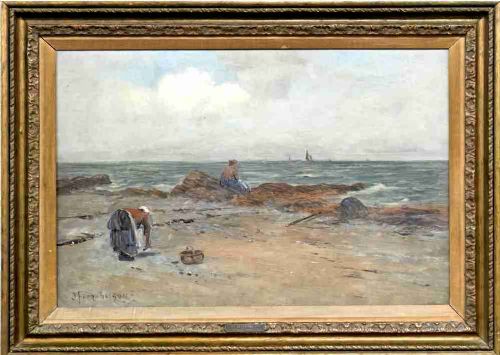
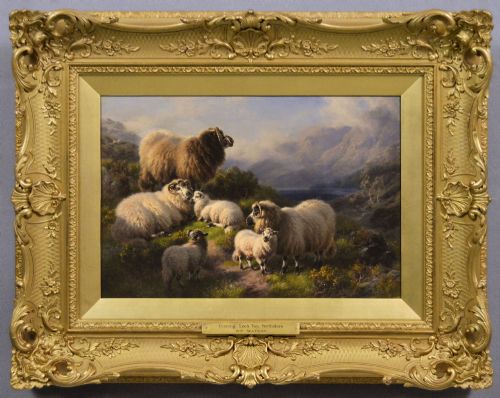
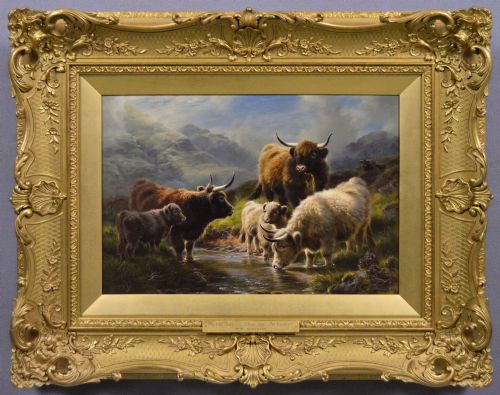
When you search for a victorian scottish oil painting, you find framed canvases capturing Highland cattle, rugged lochs and moody glens from the nineteenth century.
Victorian Scottish Oil Painting
A victorian scottish oil painting brings nineteenth century landscapes, rustic cottages and sporting scenes into domestic interiors through the work of named artists and regional schools.
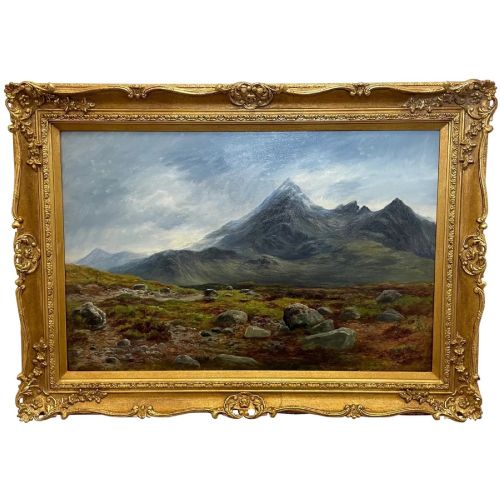
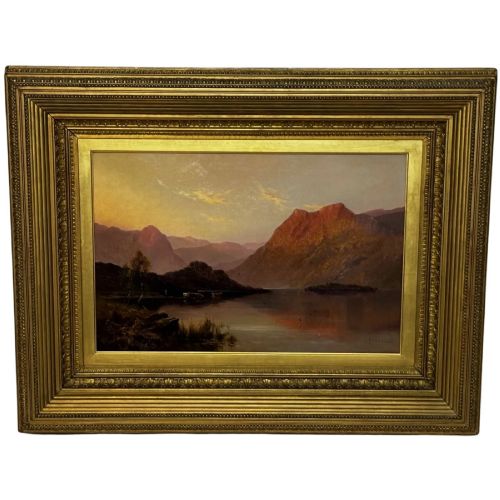
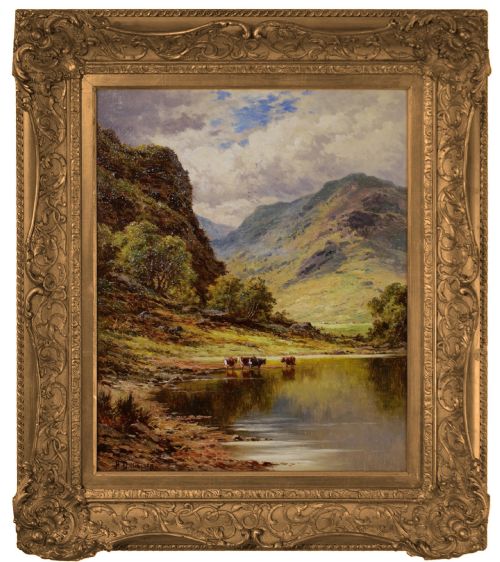
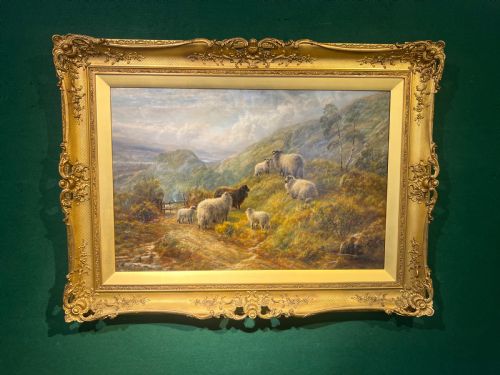
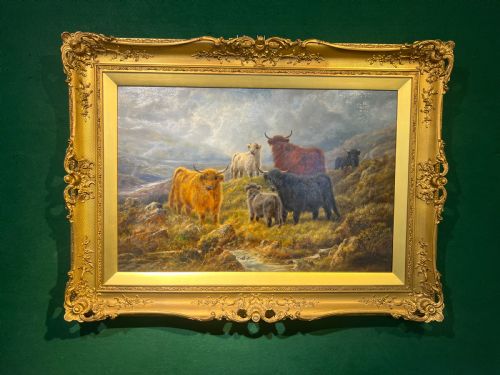
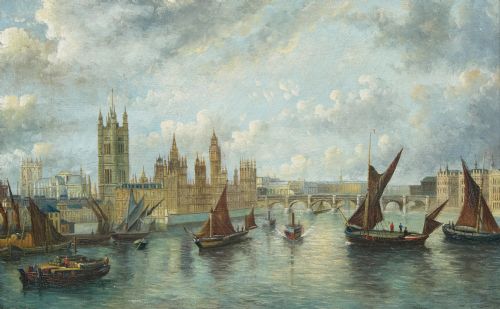
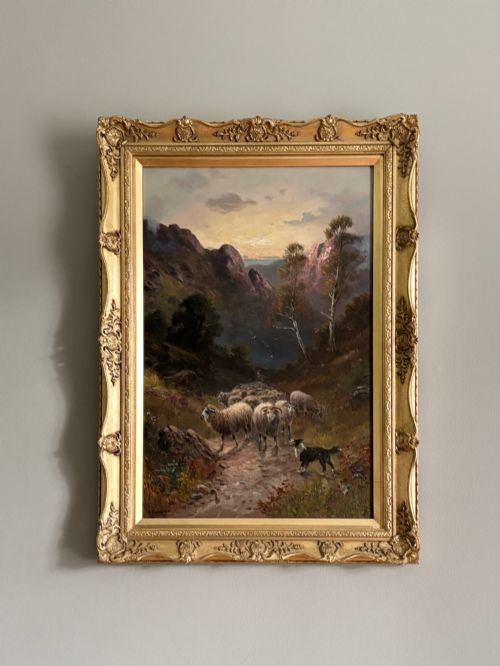
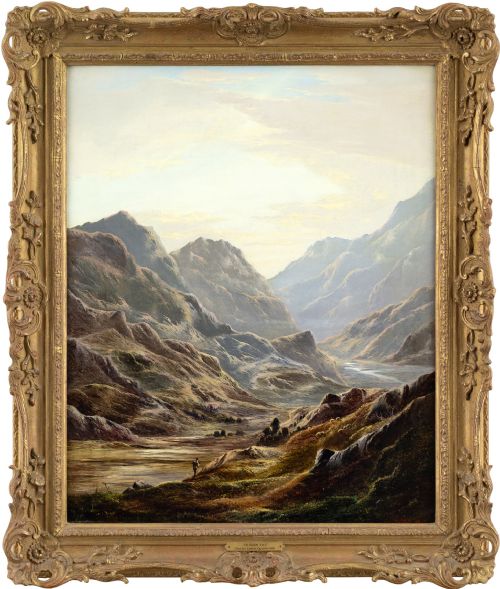
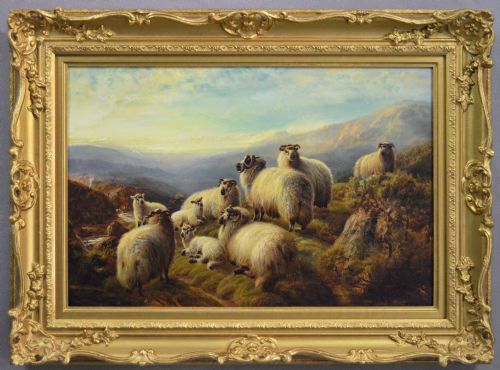
The works most commonly encountered on this page feature Highland cattle resting by lochs, misty mountain ranges, and scenes set in regions such as Glen Tilt, Loch Lomond and the Isle of Arran.
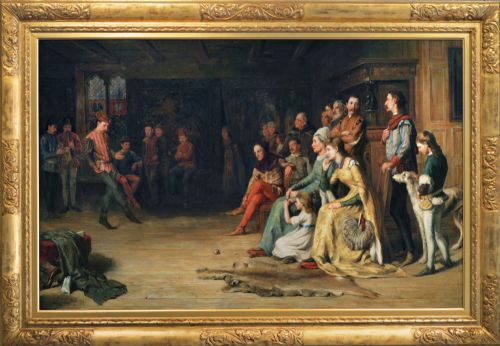
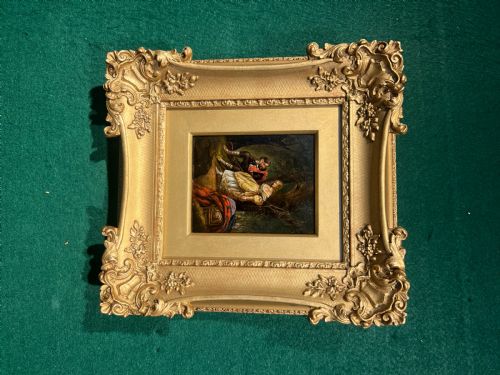
Compositions range in scale from intimate panels showing spinning maids to large framed canvases depicting expansive Highland vistas under changing weather.
Materials and construction
Painters of the period applied oil paint primarily onto stretched canvas, though examples executed on wood panels or oil on board also appear in the record.
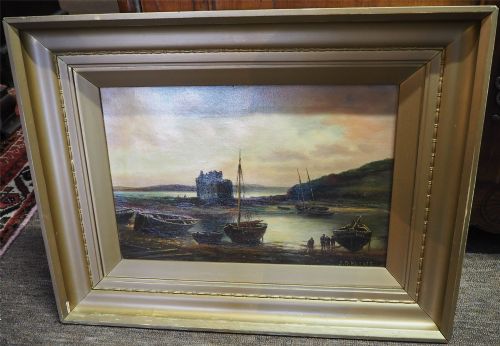
Surviving works are frequently housed within heavy decorative frames constructed from wood, gesso, and giltwood, often retaining traces of period gilding and gold leaf.
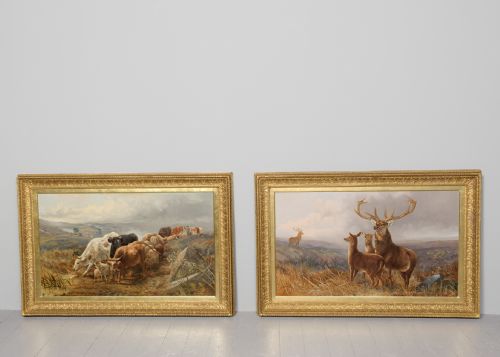
Rough collies and Highland stags share these Scottish hillsides with cattle, watching quietly as artists paint the mist.
Distinctions in quality
Quality in a victorian scottish oil painting rests upon the confidence of brushwork, the subtlety of atmospheric light over mountain mists, and the anatomical accuracy of cattle, stags or figures.
A stronger work commands attention through balanced composition and deliberate handling of pigment, whereas lesser examples rely on formulaic arrangements of common landscape elements.
William Beattie-Brown RSA·Alfred Fontville de Breanski Jr·James Hamilton ARSA·Robert Watson·Joseph Farquharson RA·William Watson Jnr·Robert Cleminson·Charles Leslie·Everett Watson Mellor·Henry Robinson Hall·Thomas Bromley Blacklock·James Kyd·Henry Hillier Parker·Frank Hider·John A. Houston·John Douglas Perrett·Tom Seymour·Sidney Yates Johnson·Clarence Roe·F. E. Jamieson·Colin Graeme Roe·F W Bartholomew
The Victorian Scottish Oil Painting Glossary
- Gesso
- A plaster-like mixture applied to wooden frame mouldings before gilding or painting. This ground provides a smooth base for intricate decorative reliefs.
- Giltwood
- Timber carved and coated with gold leaf or gold paint. It forms the traditional bright border surrounding nineteenth-century canvas works.
- Oil on Canvas
- Pigment mixed with drying oil applied to a woven fabric stretched across a wooden frame. This surface supports the impasto and blending characteristic of the period.
- Oil on Board
- Paint applied directly to a rigid wooden or composition panel rather than stretched fabric. These supports are often found on smaller nineteenth-century studies.
Victorian Scottish Oil Painting: Frequently Asked Questions
How do I identify a Victorian Scottish landscape?
Look for characteristic regional motifs such as Highland cattle, misty lochs, rugged mountains, and stone cottages. These subjects dominated nineteenth-century artistic output north of the border.
Signatures, framing materials, and artist records help confirm the period and regional school of the canvas.
Were these paintings always framed in gold?
Most works from this era were housed in substantial wooden frames finished with gesso and gold leaf. These heavy frames were designed to complement the dark tones of the oil paint.
Unframed canvases or later replacement frames do occasionally appear on the market.
What canvas sizes are most common?
Dimensions vary widely from small cabinet panels suitable for intimate spaces to large gallery canvases intended for grand reception rooms. Larger works often feature prominent Highland herds or expansive panoramas.
Medium formats depicting single loch scenes or rustic genre figures are frequently encountered.
How should I care for an antique oil painting?
Keep nineteenth-century canvases away from direct sunlight, excessive heat sources, and damp environments to protect the pigment and ground. Stable room temperatures prevent the canvas and gesso frame from cracking.
Dust the surface gently with a soft, dry brush without applying pressure to the impasto.